Maybe you’ve been stitching names onto towels for friends, and someone finally asked, “Can I pay you for that?” That’s how a lot of embroidery shops get going. Not with a big plan, but with a few orders from people who liked what they saw.
If you want to turn that into steady work, you’ll need to figure out the money side first, then the practical side. Most of it is simpler than it looks. Below, you’ll find what the setup usually costs, plus how to start an embroidery business without wasting cash on gear you don’t need yet.
How Much Does It Cost to Start an Embroidery Business?
Starting at Home
Home embroidery machines with a single needle sell for about $500 to $2,000, and for monograms, patches, or a small logo on a cap, that’s plenty. The catch is everything else. Digitizing software (it turns your artwork into a file the machine can read) can be free if you go open-source, or cost over $1,000 for the polished paid versions.
Thread, stabilizer, needles, extra hoops, and a pile of blank shirts to practice on will probably run you $200 to $500. Once you set up a basic online shop, you’re somewhere around $1,000 to $3,500, and you haven’t sold anything yet.
Going Commercial
Home machines are slow. That’s fine for one-off gifts, but if a local soccer club wants 50 hats by Friday, you’ll need a multi-needle machine, and those start near $5,000. Bigger models go for $15,000 or more. Add pro software, bulk blanks, and room to work, and you could spend $8,000 to $20,000 up front.
Many shops pay for equipment in installments, so expect a monthly bill on top of everything else. Before you sign up for those payments, make sure you have steady orders coming in, because the bill still shows up in months when the machine sits idle.
Skipping the Machine
Plenty of beginners never consider this route when they look into how to start an embroidery business. With print-on-demand embroidery, your job is the design. After a customer orders, a production partner stitches the item and ships it out.
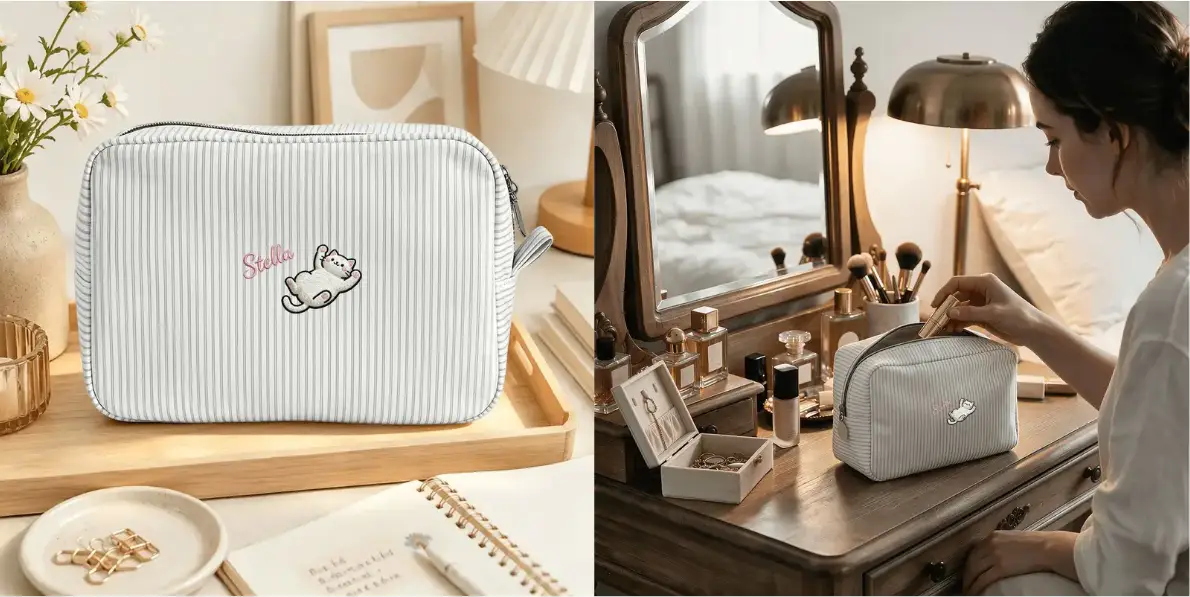
Here’s how it might go. You’ve drawn a simple floral logo and think it would look nice on shirts and bags. You upload it, choose the products, and list them in your own store. When an order comes in, PrintKK print on demand takes care of the stitching and shipping, and you pay only for the piece that sold.
How to Start an Embroidery Business in 6 Steps
1. Pick a Niche You Actually Care About
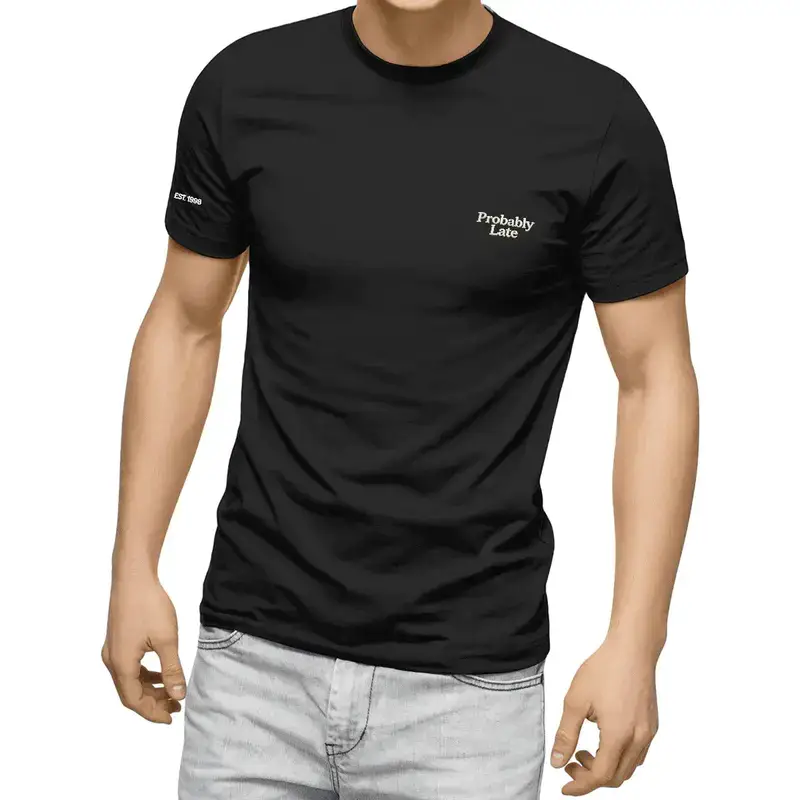
If your shop says “custom embroidery for everyone,” shoppers have no reason to remember it. You’ll do better with a smaller group of people who already have a reason to buy. Dog owners are a good example. A simple T-shirt with their pet’s name stitched over the chest is the kind of thing they’ll happily buy for themselves or a friend.
Think about the hobbies and communities you’re already part of. You’ll know what those people like to wear and where they spend time online. Then search Etsy for your idea. Finding other sellers there is fine, because it shows people pay for this kind of thing.
2. Sort Out the Business Basics
Start with a name. Before you get attached to it, check whether the domain is free and whether anyone already uses it on Instagram or TikTok. Then look up the licenses your city or country asks for. Most small sellers begin as sole proprietors. Some switch to an LLC once sales grow, mostly to keep personal savings separate from business debts.
Rules are different everywhere, and guessing can get expensive. A short call with your local small business office or an accountant usually clears things up. Open a business bank account while you’re at it. At tax time, you’ll be glad you’re not sorting coffee runs from thread orders.
3. Decide How Your Products Get Made
With your own machine, you control every stitch, and plenty of people find the work relaxing. Look at hoop sizes before anything else. A cap needs a different setup from a big design on the back of a jacket. You’ll also have to digitize each design before the machine can stitch it. You can learn that yourself, or hire a digitizer for roughly $10 to $50 a design.
Then again, a lot of beginners mostly want to make designs and sell them. Running equipment isn’t the part they’re excited about. PrintKK lets you skip the machine completely. Pick a blank shirt or bag, put your design on it, and sync it to your store.
4. Create Designs That Stitch Well
Something that looks sharp on your screen can come out messy in thread. Thin lines and tiny text are the usual problems, and soft color fades don’t translate well either. Go for bold shapes and lettering you could read from a few steps away.
Size catches a lot of people off guard. A left-chest logo is usually just 3 to 4 inches wide, so shrink your design down on screen and see if it still makes sense. The fabric changes things too. Hoodies and caps are thick enough to hold dense stitching. A thin, stretchy T-shirt can pucker.
5. Set Up Your Shop
Etsy already has the shoppers, which is why so many people start there. You’ll be up against a lot of other sellers, though, and Etsy takes a fee every time something sells. With a Shopify store, getting visitors is on you. In return, the store is yours, and so is your customer email list.
Good photos sell embroidery. Get close enough that people can see the stitching, and show the piece on someone so they can judge the fit. A size chart will save you plenty of return requests. For titles, think about what a buyer would actually search. “Embroidered dog mom hoodie” will get found. A cute name you made up probably won’t.
6. Price for Profit, Then Spread the Word
Work out your real cost for each item first. That means the blank, the embroidery, shipping, and whatever the platform charges. Then set a price that still leaves you room to run a sale now and then. Say a hoodie costs you $25 all in. Selling it for $45 to $50 is reasonable.
Early on, most orders come from people who already know you. Let your friends know, and reach out to a local sports team or a shop down the street that might want branded gear. It’s also worth filming a design while it’s being stitched. Those short clips are easy to make and tend to do well on Instagram and TikTok.
Conclusion
You’ve now seen both sides of how to start an embroidery business: what it costs and what you need to do. If you buy a machine, plan on spending at least a thousand dollars and a few weeks of practice before your work is ready to sell.
If you’d rather put your energy into designs and customers, you don’t have to buy any equipment to get going. With a print-on-demand service, you can set up embroidered shirts, bags, and other products, list them in your store, and let the service make and ship each order.