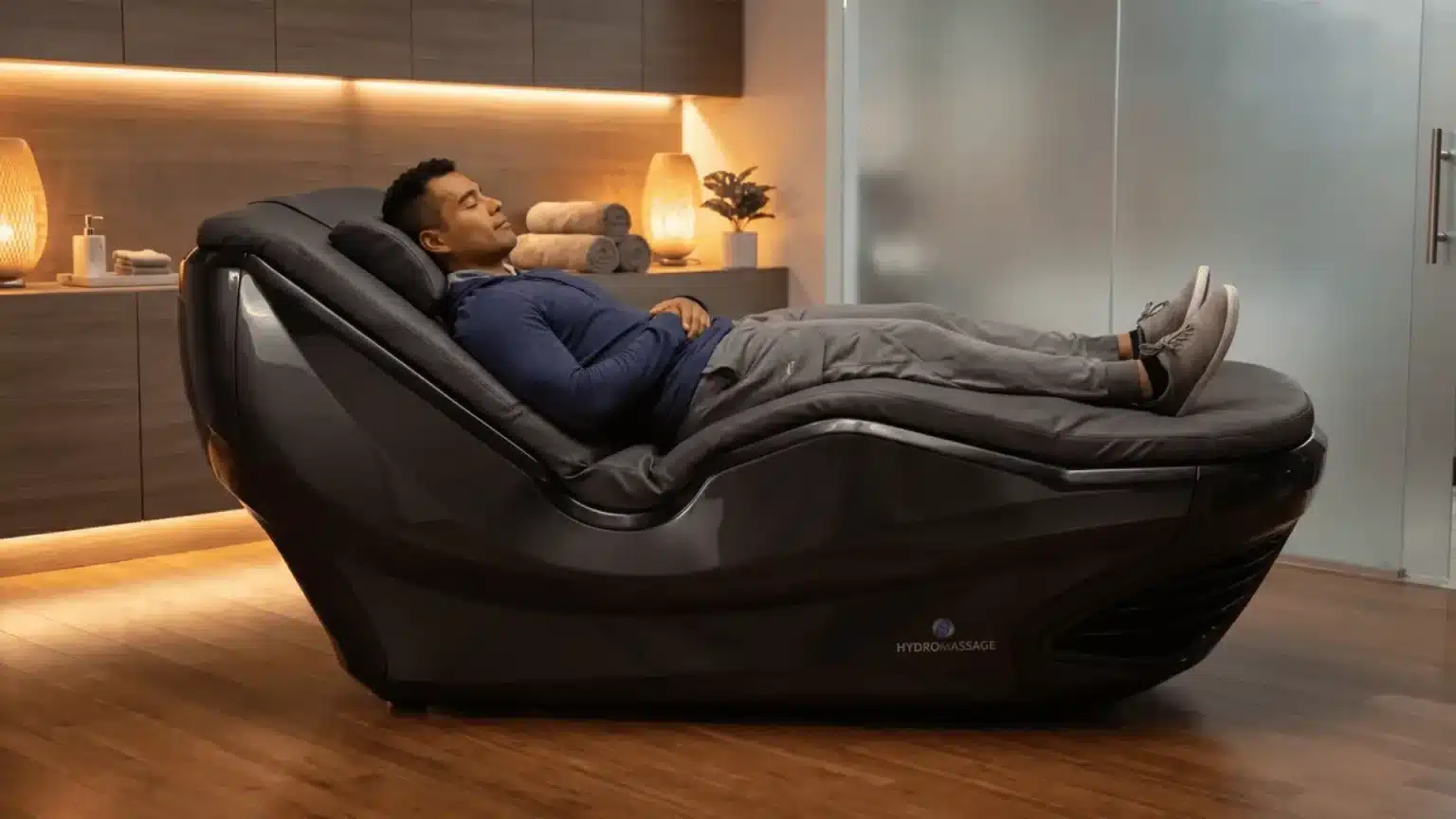
After a hard workout or a long week stuck at a desk, the body asks for a reset.
Most people reach for a heating pad, a foam roller, or a quick stretch.
But there’s another option quietly tucked inside gyms, spas, and wellness studios that does the work without anyone laying a hand on you.
Hydromassage uses pressurized water jets through a soft cushion to ease tight muscles, calm the nervous system, and get blood moving where it needs to go.
The hydromassage benefits go further than simple relaxation, and what they actually do for your body is worth a closer look.
What is Hydromassage?
Hydromassage is a hands-free therapy that uses pressurized water jets to work on the body through a waterproof cushion, keeping you fully clothed.
The jets create a steady, massage-like sensation without anyone touching you, usually delivered through a specialized bed or lounge.
It’s often found in gyms, spas, and recovery centers as a quicker, more accessible option for people looking to ease tension between regular massage sessions.
Difference Between Hydromassage and Other Therapies
Hydromassage offers unique benefits compared to other therapies, such as manual massage and hydrotherapy.
It combines the therapeutic power of water with the benefits of targeted pressure for a distinctive experience.
- Manual Massage: Unlike manual massage, which involves direct physical touch, hydromassage uses water jets to apply consistent pressure, providing a hands-free experience.
- Hydrotherapy Immersion: While hydrotherapy immerses the body in warm water, hydromassage uses pressurized water jets to target muscle tension.
- Hydromassage Systems: Hydromassage systems, including specialized beds and chairs, use integrated water-jet technology to deliver a controlled massage experience.
How Hydromassage Works on the Body?
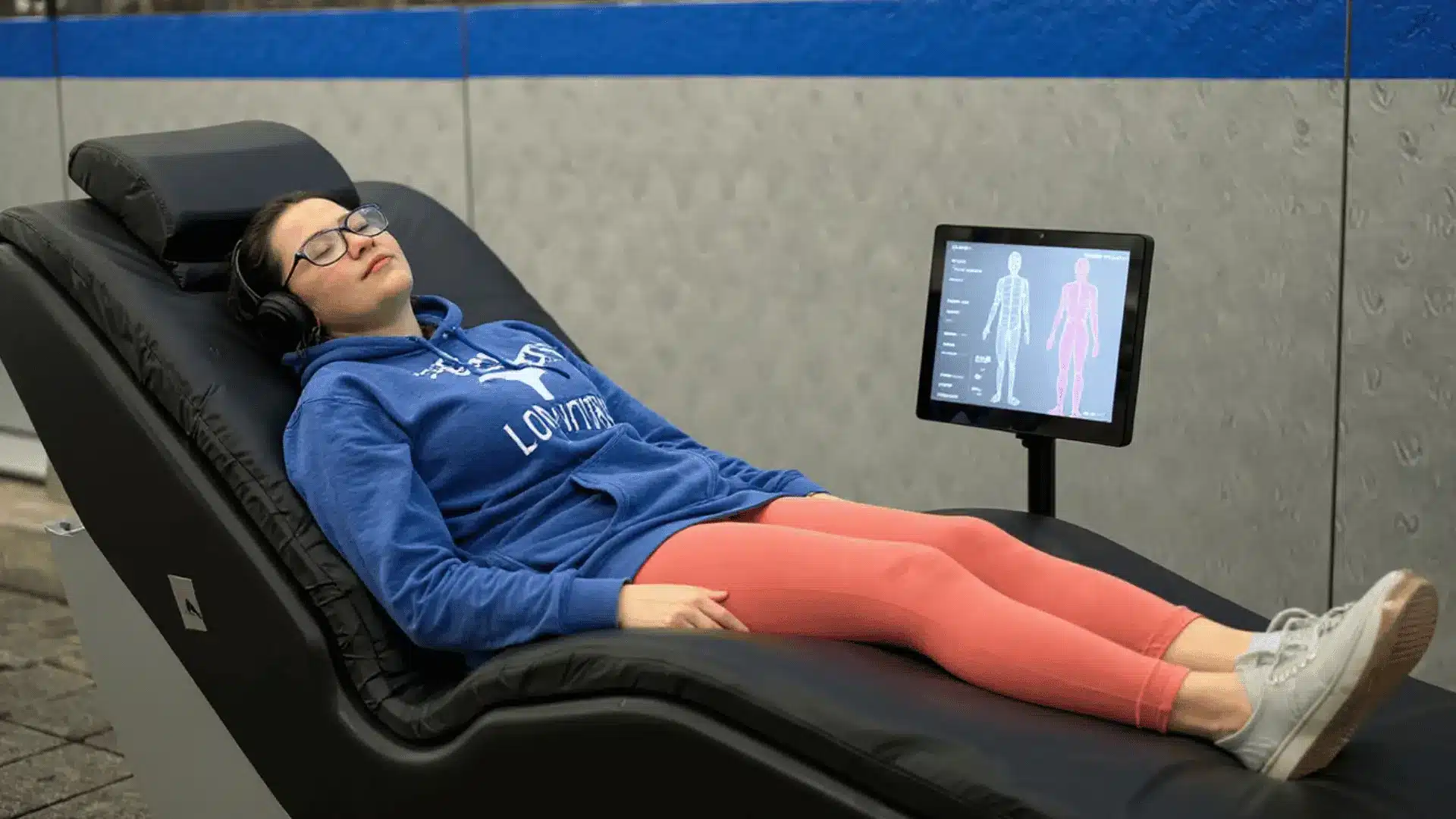
Hydromassage incorporates three key elements to promote wellness and relaxation. These core features make hydromassage a highly effective method for easing muscle tension and improving circulation.
- Heat: The warm water enhances muscle relaxation, making the massage more soothing and effective.
- Pressure: The water jets apply varying pressure to target specific muscle groups, helping to alleviate tension and discomfort.
- Rhythmic Motion: The motion of the water jets provides a gentle, rhythmic massage that contributes to overall relaxation and stress relief.
Together, these elements provide a therapeutic experience, combining warmth, pressure, and movement to improve both physical and mental wellness.
Note: Hydromassage is not the same as soaking in a hot tub; it uses targeted pressurized water jets for focused therapeutic effects, unlike the passive immersion in a hot tub.
Hydromassage Benefits
The effects go beyond simple relaxation, touching everything from how muscles recover to how the nervous system resets.
Here are the main areas where hydromassage makes a real difference:
1. Muscle Recovery and Pain Relief Benefits
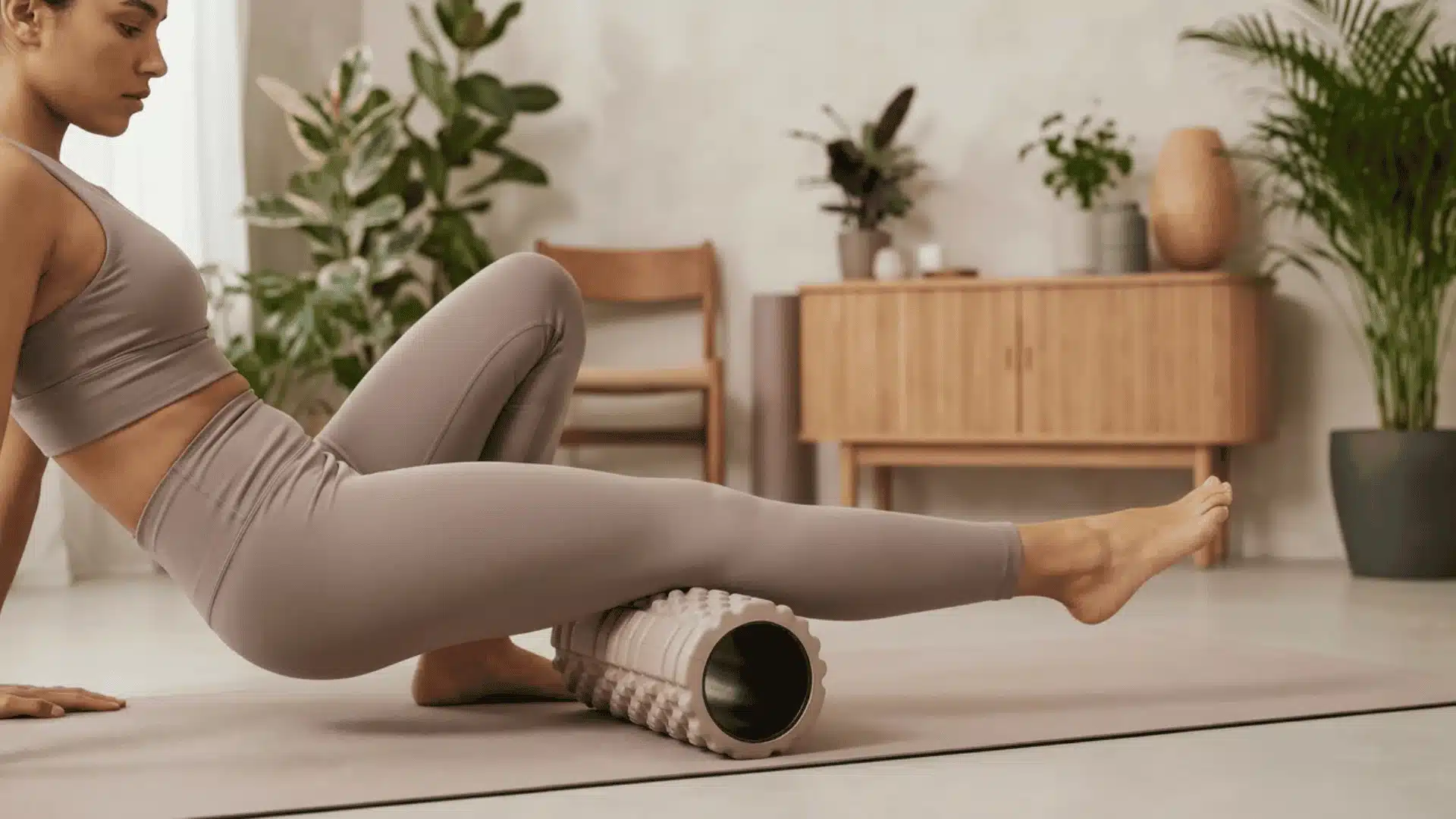
After a tough workout or a long day on your feet, sore muscles can slow you down. Hydromassage helps improve blood flow and ease tightness, speeding up your body’s bounce-back.
How It Eases Post-Workout Soreness
That stiff, achy feeling a day or two after exercise is delayed-onset muscle soreness, or DOMS.
Hydromassage helps clear out lactic acid buildup and pushes oxygen-rich blood into tired tissue, cutting down the time your body needs to feel normal again.
Better Nutrient Flow to Tired Muscles
Water-jet pressure pushes blood deeper into worn-out tissue, carrying the oxygen and nutrients muscles need to rebuild.
At the same time, waste products get flushed out faster, so stiffness clears up quicker than it would on its own.
Less Muscle Guarding, Easier Movement
When a muscle is sore or strained, surrounding muscles tense up to protect it, which keeps the discomfort going.
Hydromassage helps those guarding muscles let go, so movement feels smoother and the protective tightness fades.
Short-Term Pain Relief Through Endorphins
The combination of warmth and steady jet pressure triggers the body to release endorphins, which act like natural pain blockers.
The relief is short-lived, but it’s enough to make mild aches and tight spots feel manageable for a few hours.
Hydromassage may not be effective for: acute injuries, structural joint damage, or severe inflammation. These conditions require specific medical treatments or professional care to address the underlying issue.
2. Stress Reduction and Relaxation Effects
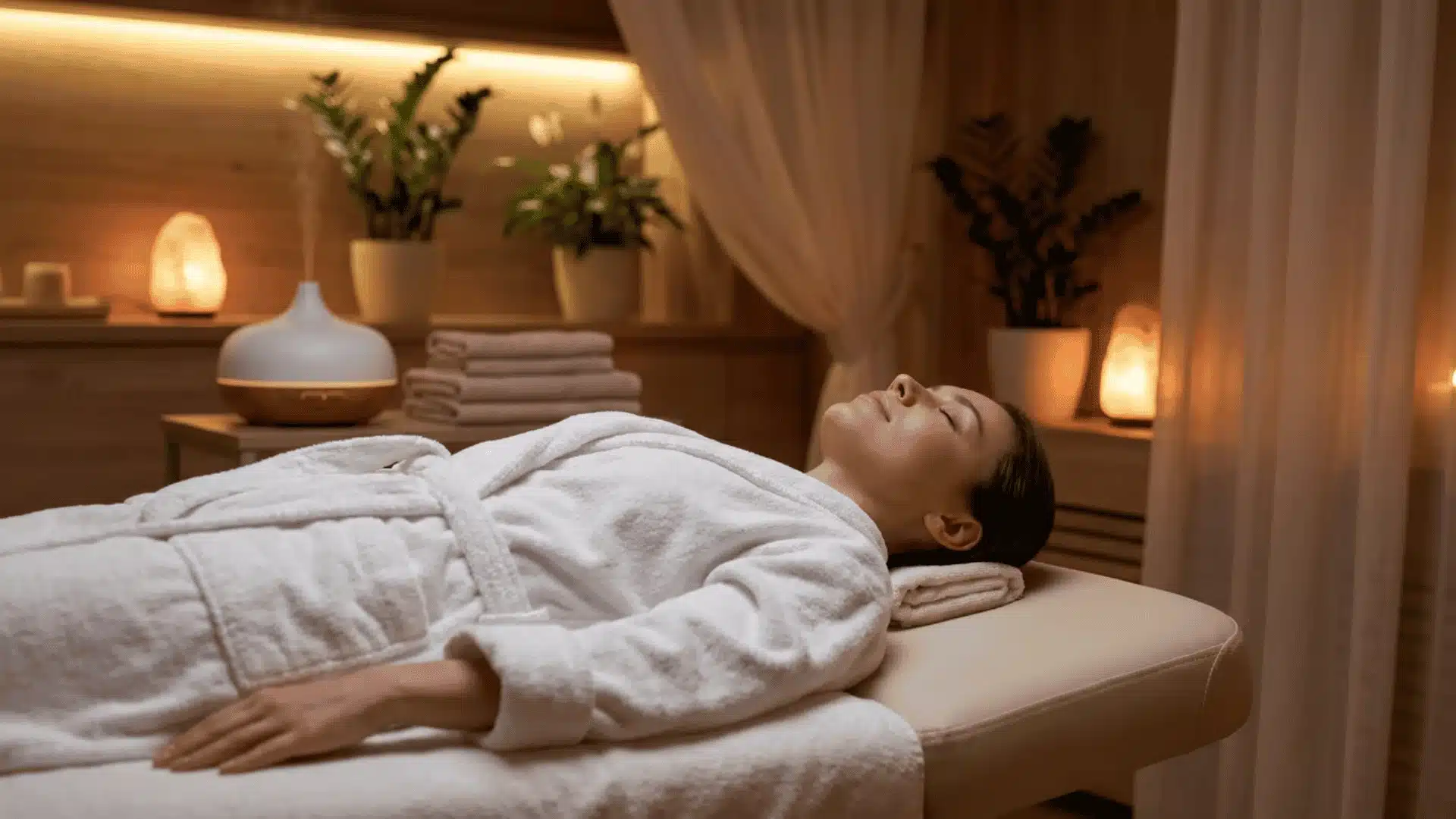
Hydromassage can have a profound impact on psychological well-being by promoting relaxation and activating the body’s stress-reducing mechanisms.
It helps reduce stress, lower heart rate, and calm muscle tension.
Parasympathetic Activation
Hydromassage flips the body out of fight-or-flight mode and into rest-and-digest. Heart rate slows, muscle tone softens, and the system shifts from stressed to settled.
Endorphin Release
The combination of warmth and steady pressure triggers a wave of endorphins, the body’s built-in mood lifters. The result is a lighter mood, reduced mental tension, and brief but noticeable comfort.
Short-Term Relaxation Effects
A single session can quickly settle the body and ease daily stress, though the calm it brings is temporary.
- Lower heart rate within minutes of starting a session
- Reduced blood pressure after stressful events or long days
- Quick stress relief that works well for everyday tension
- Limited long-term impact on chronic stress or ongoing anxiety
Important: Hydromassage helps you relax, but it’s not a treatment for anxiety disorders, which need proper mental health care.
3. Circulation and Mobility Improvements
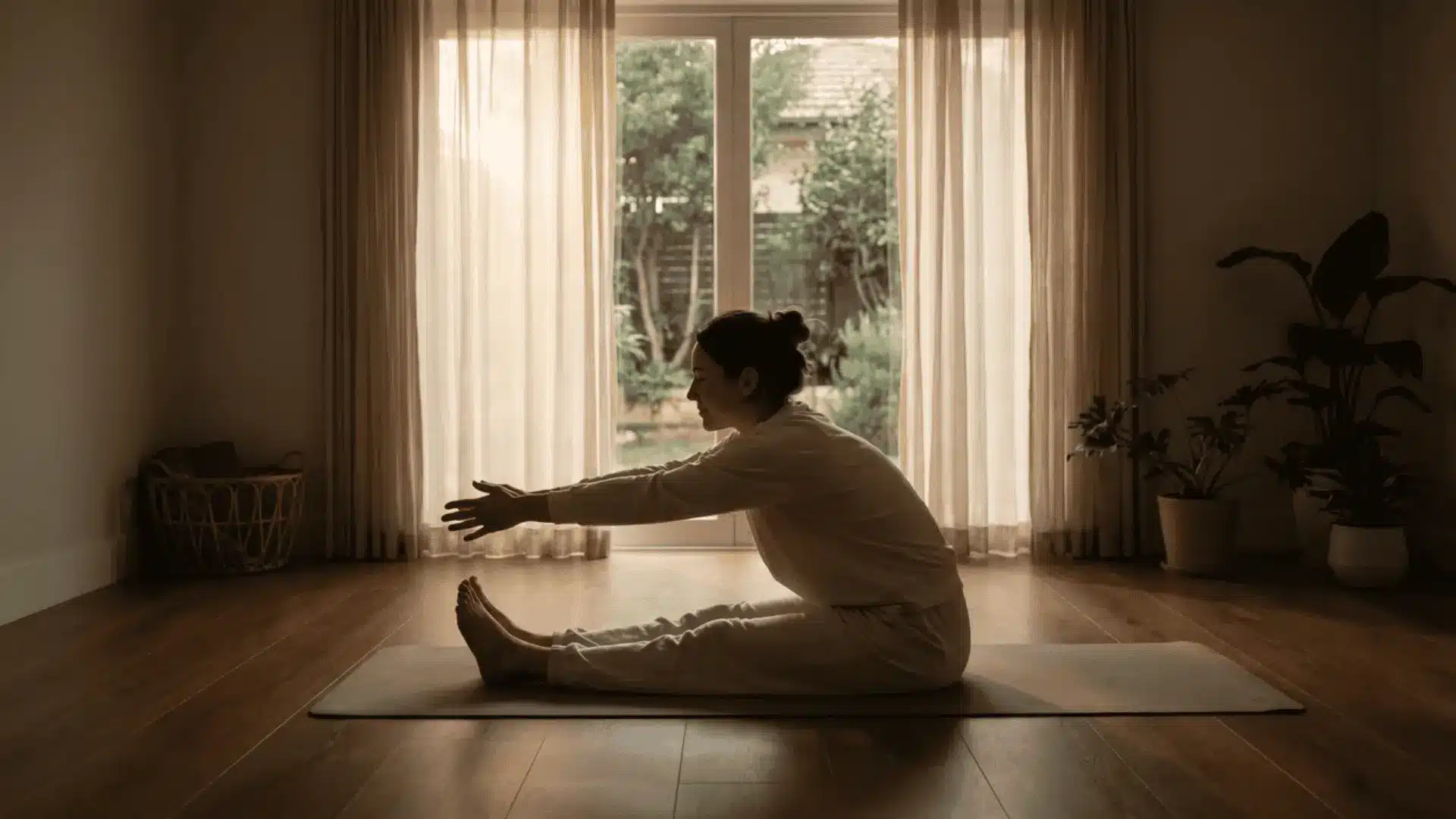
Tight muscles and stiff joints can make even simple movements feel harder than they should. Hydromassage offers a quick way to loosen things up and move with less effort.
Heat Reduces Stiffness
Warm water does more than feel good. It widens blood vessels and softens tight tissue, which helps muscles release the tension they’ve been holding onto.
Joints feel less locked up, and surrounding muscle fibers become more pliable. This is why even a short session can make stiff shoulders or a tight lower back feel easier to move.
Temporary Boost in Range of Motion
When muscles are loose and well-supplied with blood, they stretch further and bend more easily.
After a session, you’ll likely notice that reaching, twisting, or bending feels smoother than before.
The effect doesn’t last forever, usually a few hours at most, but it’s often enough to make stretching routines, light workouts, or daily movement feel noticeably more comfortable.
Stronger Tissue Elasticity
Connective tissue needs steady oxygen and nutrients to stay springy instead of stiff.
Hydromassage helps deliver both, which keeps muscle fibers and surrounding tissue more responsive over time.
Better elasticity means tissues hold their shape, recover faster after movement, and resist the tightening that often builds up from long hours of sitting or repetitive physical activity.
Who Benefits Most from Hydromassage?
Hydromassage works well for some situations and falls short in others. Here’s a quick breakdown to help you decide if it’s the right fit for your needs:
| Condition | Hydromassage Effective? | Why |
|---|---|---|
| Stiffness from a sedentary lifestyle | ✅ | Helps loosen tight muscles caused by lack of movement |
| Post-exercise muscle tightness | ✅ | Speeds up recovery and reduces soreness after workouts |
| Reduced flexibility after inactivity | ✅ | Improves mobility and eases stiff joints |
| General muscle tension and fatigue | ✅ | Promotes relaxation and better blood flow |
| Structural mobility issues from injury | ❌ | Needs medical treatment, not surface-level relief |
| Ligament instability | ❌ | Requires professional care for proper stabilization |
| Severe joint deformity | ❌ | Cannot correct underlying structural problems |
In short, hydromassage is a strong recovery and relaxation tool for everyday stiffness and post-workout tightness, but it should not replace medical care for deeper structural concerns.
Common Hydromassage Limitations Reported
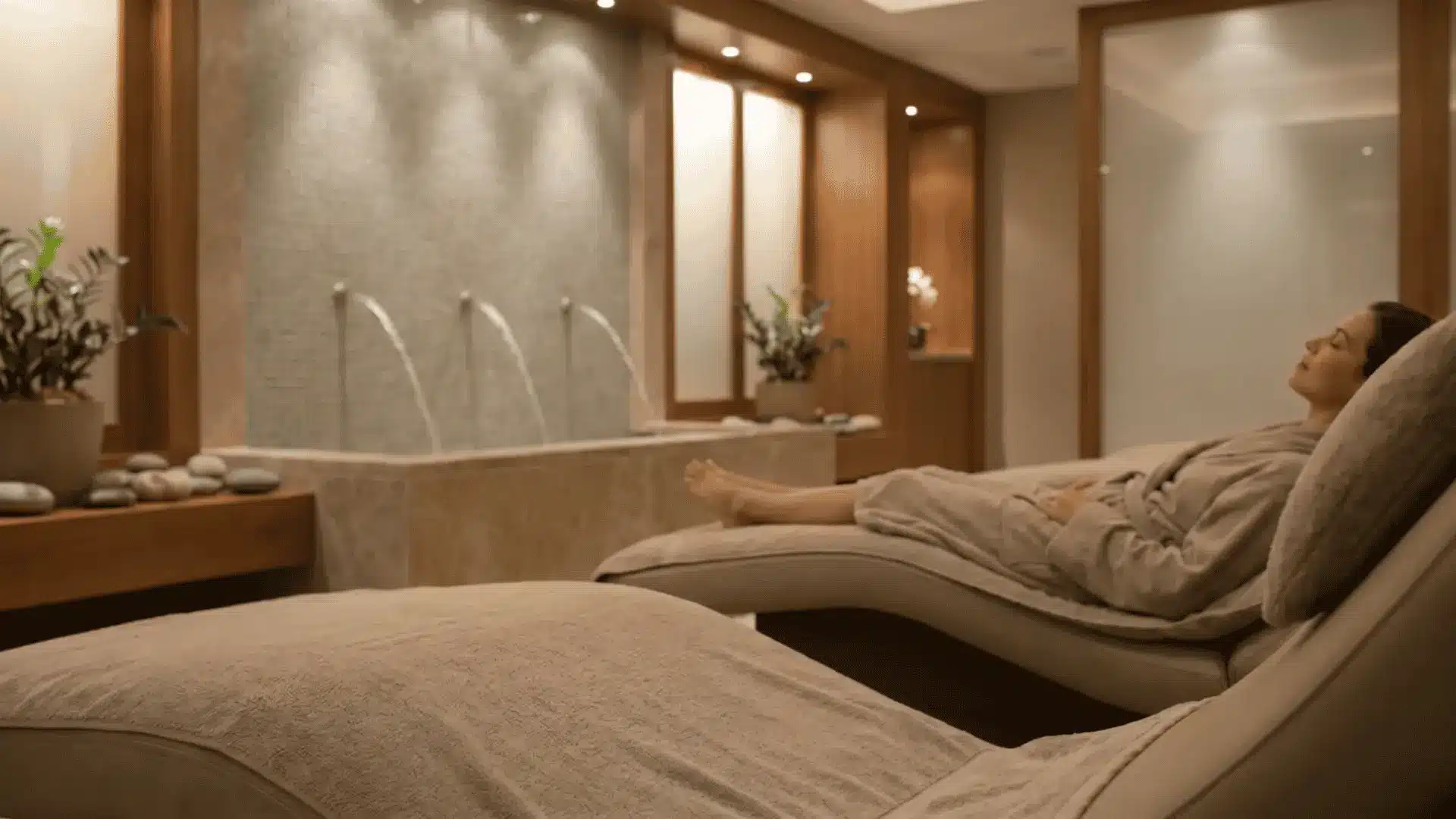
While hydromassage offers benefits, some users report certain limitations. These are common feedback points:
- Sessions feel short: Sessions are often around 10 minutes, which some users feel is not enough to fully address tension or soreness.
- Less intense than hands-on massage: Users often note that the intensity of hydromassage is less than that of a manual massage, which may be less effective for those seeking deeper pressure.
- Effects fade after several hours: The relief provided by hydromassage is often temporary, with many users noticing that the benefits fade after a few hours.
Despite its benefits, hydromassage is often seen as less intense and shorter in duration than other therapeutic treatments, with temporary effects.
Why Perceptions Vary?
How someone responds to hydromassage often comes down to personal factors.
People with higher pain tolerance tend to feel more relief, while those with lower thresholds may find the pressure too soft.
Fitness levels play a role too, and walking in with strong expectations of an intense, deep-tissue feel often leads to mixed reactions afterward.
Note: A positive experience with hydromassage offers temporary relief but is not a substitute for medical treatment or professional therapy for underlying issues.
Potential Side Effects and Who Should Avoid it?
Hydromassage is generally safe, but a few side effects can still show up, especially when pressure or heat is too intense.
Common side effects include:
- Mild soreness after the session
- Lightheadedness from prolonged heat exposure
- Increased inflammation when pressure is too strong
Certain health conditions also call for extra caution. Speak with a doctor before booking a session if you fall into any of these groups:
- High blood pressure
- Pregnancy
- Circulatory disorders
- Recent surgery or open wounds
- Heart conditions or irregular rhythms
Heat and pressure together push the heart to work harder, which isn’t ideal for anyone with cardiovascular concerns. A quick check with your doctor keeps your sessions safe.
Wrapping Up
Hydromassage benefits are ideal for relieving muscle tension, improving circulation, and reducing stress.
While effective, it provides temporary relief and supports recovery, not structural correction.
It’s important to use hydromassage as a complement to other therapies, especially for managing soreness and post-exercise fatigue. Always consider your health before using it.
Now that you understand the hydromassage effects, make informed decisions on when to incorporate it into your routine.
Consulting a professional ensures safe use, especially with specific health concerns.
Hydromassage can be a relaxing and effective recovery tool, but understanding its limits helps you maximize its benefits.
Tried hydromassage before? Drop your experience in the comments and let us know what worked best for you.
Frequently Asked Questions
How Often Should I Use Hydromassage for Muscle Recovery?
For best results, hydromassage can be used 2-3 times a week, depending on your activity level and muscle soreness. Always listen to your body’s needs.
Can Hydromassage Help with Chronic Pain?
Hydromassage may provide temporary relief for chronic pain, especially from muscle tightness or soreness. However, it doesn’t address underlying structural issues.
Does Hydromassage Improve Circulation Long-Term?
Hydromassage temporarily boosts circulation, aiding muscle recovery. However, its effects on circulation are short-lived and should be paired with other long-term wellness practices.
Is Hydromassage Effective for Stress Relief?
Yes, hydromassage activates the parasympathetic nervous system, helping to reduce stress, lower heart rate, and promote relaxation, making it an effective stress-relief tool.