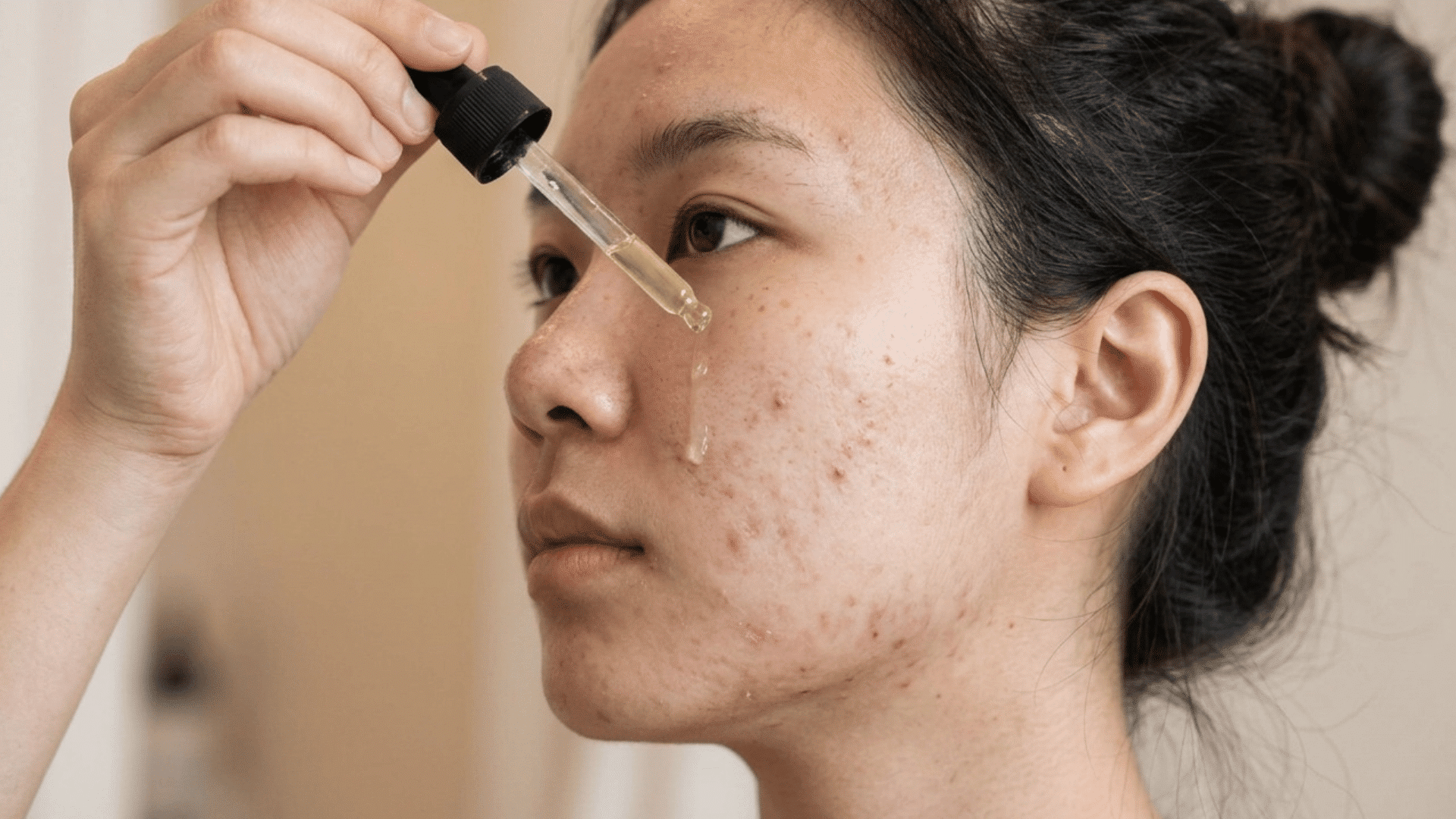


Dealing with acne is frustrating enough, but finding skincare products that work for your skin can be even harder. Adding a new ingredient can feel like a gamble, especially when you’re worried about clogged pores or unexpected breakouts.
Building a skincare routine takes patience, too. You have to test products, give them time to work, and sometimes start over if your skin reacts badly. Even when something works, figuring out how to pair it with your other products can be tricky.
With so many products promising clearer, healthier skin, it’s easy to feel confused about what to try.
Hyaluronic acid, for example, gets plenty of attention for its hydrating benefits, but that doesn’t tell the whole story.
So, is hyaluronic acid good for acne, or could it cause problems for breakout-prone skin? Before adding it to your routine, there are a few things worth knowing.
Is Hyaluronic Acid Good for Acne?
Yes, hyaluronic acid is generally good for acne-prone skin as a hydrating ingredient, but it is not an acne treatment. It works as a humectant, meaning it attracts water and helps keep the skin hydrated without adding heavy oils.
Your body makes this sugar molecule naturally, and your skin holds a large share of it. On labels, you may see sodium hyaluronate, the sodium salt form of hyaluronic acid; some formulas also use lower-molecular-weight versions that can penetrate the outer skin layer more readily.
This is helpful when acne treatments leave skin feeling dry or tight. According to the American Academy of Dermatology, dry skin can prompt the body to make more oil, which may clog pores and lead to more breakouts.
Use it alongside proven acne treatments, such as benzoyl peroxide or adapalene, to keep skin comfortable while those products address breakouts.
Benefits of Hyaluronic Acid for Acne-Prone Skin
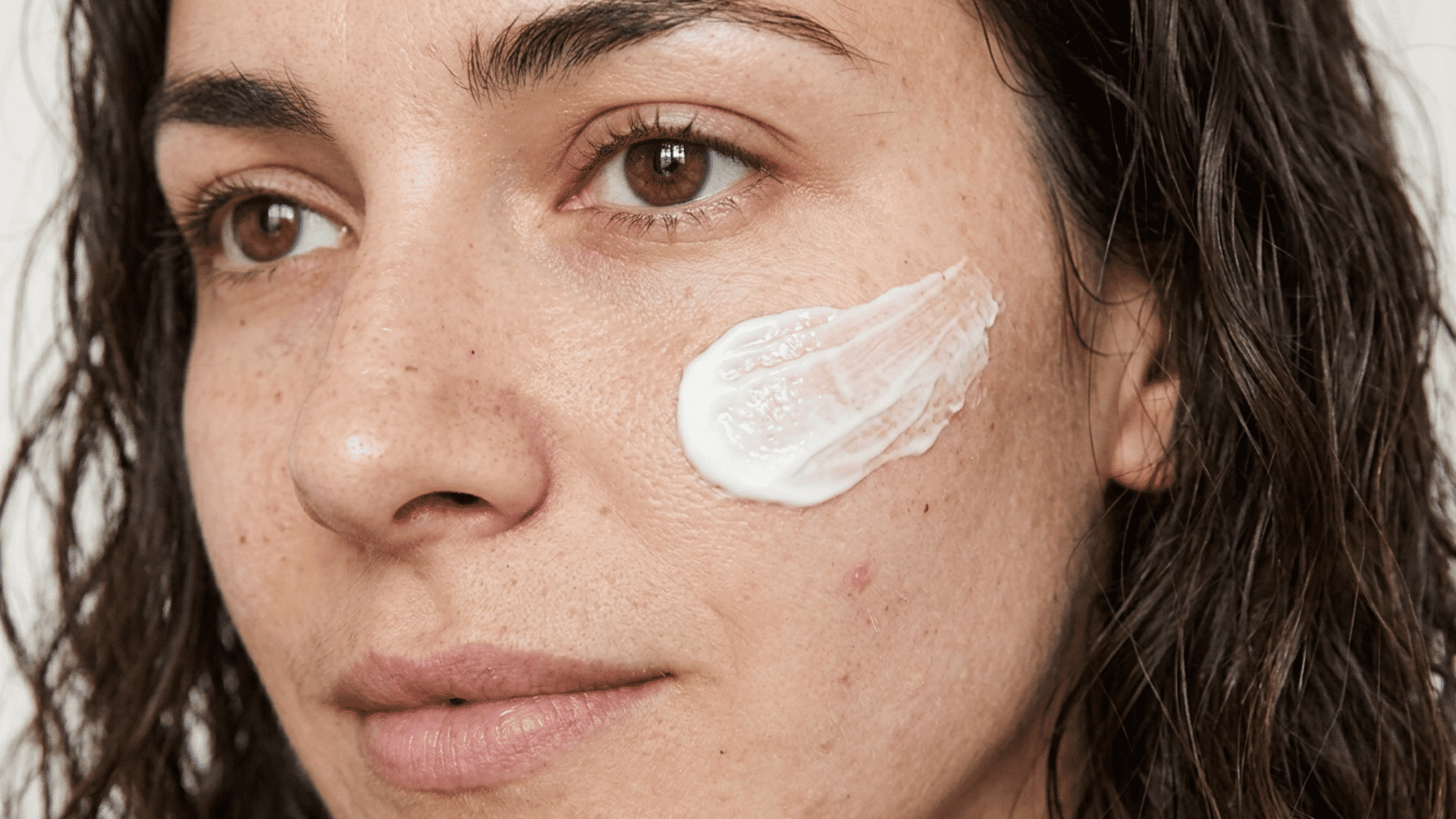
Acne treatments can leave your skin feeling dry and tight. Hyaluronic acid helps maintain hydration, making your skincare routine more comfortable without adding unnecessary heaviness.
1. Keeps Skin Hydrated Without Adding Heavy Oils
Hyaluronic acid is a humectant that attracts water and helps retain moisture in the outer layers of your skin.
Lightweight hyaluronic acid serums can provide hydration without the greasy feel of heavier products. This can be useful if you have oily skin and prefer skincare products that feel light throughout the day.
2. Supports the Skin Barrier
A healthy skin barrier protects against external irritants and helps keep moisture from escaping. When this barrier becomes weakened, skin may become more sensitive and prone to irritation, which makes acne treatments harder to tolerate.
Hyaluronic acid helps maintain moisture in the outer skin layers, supporting normal barrier function. It works best alongside a moisturizer rather than as a replacement for one.
3. Helps Reduce Dryness From Acne Treatments
Benzoyl peroxide, salicylic acid, and retinoids can cause dryness and peeling, particularly when you first start using them.
Hyaluronic acid can complement these treatments by adding moisture to your routine. This helps address treatment-related dryness without interfering with the main purpose of your acne medication.
That comfort matters for consistency. The American Academy of Dermatology notes that acne treatment can take several weeks to a few months to show results, and flaky, sore skin is a common reason people quit early.
4. Makes Dry and Dehydrated Skin Feel Smoother
Dehydration can make your skin look dull and emphasize fine lines and rough patches. Hyaluronic acid attracts water to the skin’s surface, temporarily making it look plumper and feel softer.
This can improve the appearance of dehydrated skin, although it does not remove acne marks or clear active breakouts.
A review in Dermatologic Therapy reported benefits of topical hyaluronic acid for skin hydration and overall skin quality. The effect fades once you stop, so daily use matters more than a thick layer.
Can Hyaluronic Acid Cause Acne?
No, hyaluronic acid itself is unlikely to cause acne because it is non-irritating and not known to cause acne.
But you may notice breakouts after starting a new hyaluronic acid product due to other ingredients in its formula. Rich oils, heavy emollients, or fragrances may not suit every skin type.
Common culprits include coconut oil, cocoa butter, isopropyl myristate, and added fragrance.
Using too many skincare products or combining several active ingredients can also irritate your skin. Some people expect a “purge” with every new product.
Purging happens with ingredients that speed up skin cell turnover, such as retinoids and exfoliating acids. Hyaluronic acid does not do this, so new bumps in places where you rarely break out usually point to the formula. Check the full ingredient list before buying a product, especially if your skin reacts easily.
If new bumps keep appearing after you add a hyaluronic acid product, even though its ingredient list shows no heavy oils or fragrance, stop using it and ask a dermatologist.
Is Hyaluronic Acid Suitable for Different Acne-Prone Skin Types?
Hyaluronic acid can work with different skin types, but the way you choose and use the product matters. This is what to keep in mind for your skin:
|
Skin Type |
What to Choose |
How to Use It |
|---|---|---|
|
Oily |
Lightweight, oil-free serum |
Use a few drops and skip heavy creams on top if your skin feels comfortable. |
|
Dry |
Serum plus a richer moisturizer |
Apply to damp skin and follow with moisturizer to prevent moisture loss. |
|
Combination |
Gel serum or gel cream |
Hydrate dry cheeks fully and use a thinner layer on your T-zone. |
|
Sensitive |
Fragrance-free, short ingredient list |
Patch-test before applying it to your entire face. |
The key is to choose a formula that feels comfortable on your skin. Pay attention to how your skin responds after application, especially when trying a new product.
How to Use Hyaluronic Acid for Acne-Prone Skin
Adding hyaluronic acid to your skincare routine is simple, but the right product and application method matter. Follow these steps to keep your routine gentle and effective.
-
Choose a lightweight, non-comedogenic formula: Look for a serum or moisturizer labeled non-comedogenic (made not to clog pores). If your skin is sensitive, choose a fragrance-free option.
-
Patch-test it first: The American Academy of Dermatology suggests applying a new product to your inner elbow twice a day for 7 to 10 days.
-
Apply it to slightly damp skin: After cleansing, leave your skin slightly damp instead of drying it completely. Apply a small amount of hyaluronic acid serum to help attract and retain moisture.
-
Follow with a suitable moisturizer: Apply a moisturizer after your serum to help reduce water loss. If you have acne-prone skin, choose an oil-free or non-comedogenic formula that does not feel too heavy.
-
Introduce it gradually: Start by using the serum once a day and watch how your skin responds. Avoid introducing several new skincare products at the same time so you can identify the cause if irritation or breakouts occur.
Can You Use Hyaluronic Acid With Acne Treatments?
Yes, you can use hyaluronic acid with most common acne treatments. It pairs well with salicylic acid and benzoyl peroxide, which can cause dryness during regular use.
You can also combine it with retinol or prescription tretinoin to add moisture to your routine. Niacinamide is another compatible ingredient that works alongside hyaluronic acid to support skin hydration.
But the order of application depends on the products you use.
Follow the instructions on each product and stick to your prescribed acne treatment routine. If you experience persistent irritation, speak with your dermatologist.
Hyaluronic Acid vs. Other Acids for Acne: How They Compare
|
Acid |
Type |
Main benefit for acne |
Exfoliates? |
Irritation risk |
Best for |
|---|---|---|---|---|---|
|
Hyaluronic acid |
Humectant |
Hydrates skin and helps reduce dryness or irritation from acne treatments |
No |
Very low |
Any skin type, especially when using drying acne treatments. |
|
Salicylic acid |
BHA; lipid-soluble |
Penetrates pores, loosens oil and dead cells, helps unclog pores |
Yes, including within pores |
Low to moderate; can cause dryness or peeling |
Blackheads, whiteheads, and oily/acne-prone skin with clogged pores. |
|
Azelaic acid |
Dicarboxylic acid |
Reduces inflammation, has antibacterial activity, unclogs/keeps pores open, and fades post-acne dark marks |
Mildly |
Low to moderate; stinging or itching can occur initially |
Red or inflamed acne and post-inflammatory hyperpigmentation. |
|
Glycolic acid |
AHA; small molecule |
Exfoliates the outer skin layer, improving rough texture and dullness; may help mild acne and dark marks |
Yes, surface |
Moderate to high, especially at higher strengths |
Normal-to-oily skin with texture, dullness, or post-acne marks; use cautiously with acne. |
|
Lactic acid |
AHA; larger molecule than glycolic acid |
Gentler surface exfoliation; may also support hydration |
Yes, surface |
Low to moderate |
Dry or easily irritated skin, but it can still irritate sensitive or compromised skin. |
|
Mandelic acid |
AHA; large molecule |
Slow, gentle surface exfoliation; may help mild breakouts and uneven tone |
Yes, surface |
Low |
Sensitive or acne-prone skin that cannot tolerate stronger exfoliants. |
Signs You Should Stop Using a Hyaluronic Acid Product
Pay attention to how your skin reacts after using a new product. Stop using it if you notice any of these warning signs:
-
Persistent redness or itching: Red patches or itching that continue after application may indicate a reaction.
-
Burning or stinging: A lasting burning sensation is a reason to stop using the product.
-
New or worsening breakouts: Noticeable bumps or breakouts that continue after introducing the product may signal that the formula does not suit your skin.
-
Swelling or allergic symptoms: Facial swelling, hives, or severe itching may indicate an allergic reaction. Stop using the product and seek medical advice.
Conclusion
Finding the right skincare products for acne-prone skin takes time, patience, and a little trial and error. Hyaluronic acid can be a helpful addition to your routine, especially if your skin feels dry or irritated from acne treatments.
I always keep my skincare routine simple and pay attention to how my skin responds rather than trying too many products at once.
I’d suggest doing the same by giving your skin enough time to adjust while keeping an eye out for any signs of irritation. If your acne is painful, persistent, or getting worse, consider speaking with a dermatologist for personalized treatment.
So, have you tried hyaluronic acid? Share your experience in the comments below!
Frequently Asked Questions
What Is the Best Time to Apply Hyaluronic Acid?
Apply it after cleansing, while your skin is slightly damp. Start with once a day, then move to morning and night if your skin stays comfortable. Follow with moisturizer to lock in hydration.
Which Is Better for Older Skin, Retinol or Hyaluronic Acid?
Both serve different purposes. Retinol helps improve fine lines and wrinkles, while hyaluronic acid hydrates skin and temporarily plumps its appearance.
Do You Put Moisturizer on Top of Hyaluronic Acid?
Yes, apply moisturizer after hyaluronic acid. It helps reduce water loss and keeps your skin hydrated for longer.