


Spinal fusion is an established surgical option for certain problems, including instability, deformity, fractures, and some conditions that require a damaged disc or other structure to be addressed. Before agreeing to fusion, it helps to understand what the operation does and how it may affect movement, healing, future care, and everyday life. A strong decision also depends on knowing what success should look like for you. That may mean less pain, greater stability, better nerve function, or simply being able to return to activities that have become difficult.
Understand What Fusion Is Designed to Do
Spinal fusion permanently joins two or more vertebrae so that movement between them is reduced or eliminated. Bone graft material is placed between the vertebrae, and screws, rods, plates, or cages may be used to hold the area stable while the bones heal together.
That loss of motion is intentional. In the right situation, it can stabilize an unstable section of the spine, support correction of a deformity, or help after other spinal structures have been removed or damaged.
The important question is whether the source of your symptoms has been identified clearly enough for fusion to address it. Surgery is most useful when the structural problem and treatment goal are well defined.
Look at Long-Term Trade-Offs
For one perspective focused on costs and trade-offs beyond the operating room, Deuk Spine explains fusion’s three hidden costs, including financial demands, physical effects, and the broader impact of recovery. Those concerns should be weighed alongside the reasons a surgeon believes fusion may help.
Fusion can also change the way forces move through the spine. The segments above and below the fused area continue to move, and in some patients those neighboring levels may develop degeneration over time. This is often discussed as adjacent segment degeneration or disease.
It is a potential risk, not a guaranteed outcome, which is why individual factors and the extent of fusion matter.
Think About Mobility in Practical Terms
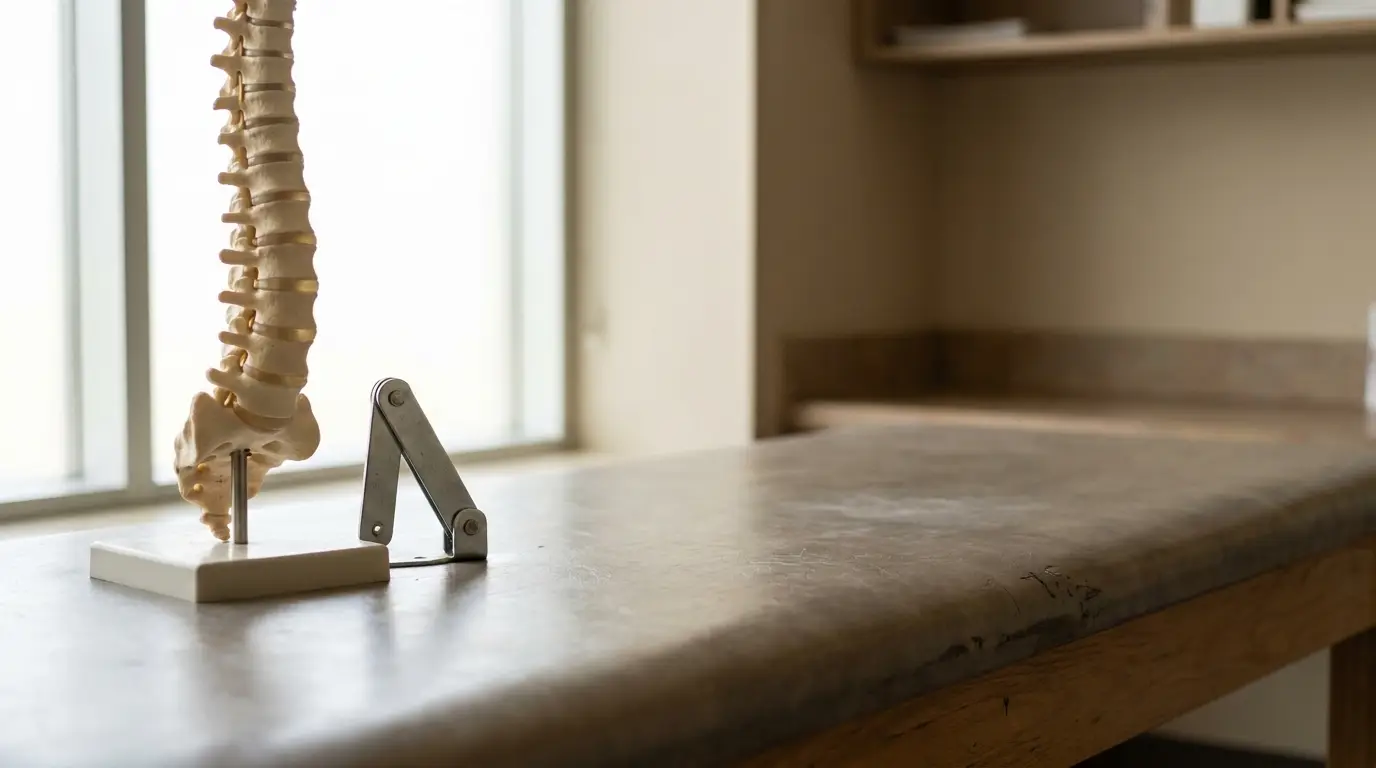
Fusion changes how a specific section of the spine moves. How noticeable that feels afterward depends on where the fusion is performed, how many levels are involved, and how much motion existed there beforehand.
A small fusion may have a modest effect on daily movement, while a longer fusion can create more noticeable stiffness. Many people return to active lives after recovery when surgery successfully addresses the condition that was restricting them.
Still, ask how the proposed fusion could affect activities that matter to you, whether that means driving, lifting, exercising, working, or caring for family members.
Recovery Is a Process, Not a Date
Recovery after spinal fusion varies widely. The location and extent of surgery, overall health, age, physical condition, and type of work all affect the timeline.
Early recovery may involve activity restrictions, pain management, walking, and gradual increases in movement. Some people return to desk-based work relatively early, while physically demanding jobs can require a longer absence. Bone healing itself takes months.
A realistic look at spinal fusion recovery can help explain why returning to work and being fully healed are not the same milestone. Rehabilitation and follow-up may continue after ordinary activities resume.
Plan for practical support at home and avoid building expectations around someone else’s recovery story.
Know the Risks Without Assuming the Worst
Every operation carries risk, and spinal fusion is no exception. Possible complications can include infection, bleeding, blood clots, nerve injury, poor wound healing, persistent symptoms, or failure of the bones to fuse completely.
The presence of risk does not automatically make an operation inappropriate.
Ask how your health, smoking status, bone quality, medications, and other medical conditions affect those risks. You should also understand what warning signs require attention after surgery and what follow-up will involve.
A clear discussion of risk should relate the general possibilities to your own health and proposed procedure rather than treating every patient as though the odds are identical.
Ask Questions That Clarify the Decision
You should be able to explain, in ordinary language, why fusion has been recommended before consenting to it.
Ask what structure is causing the symptoms, what the surgery is expected to improve, and what may remain unchanged afterward. Find out whether the goal is primarily pain relief, stabilization, protection of nerves, correction of deformity, or some combination.
It can also help to review questions worth asking before spine surgery so the conversation goes beyond technique. Surgeon experience, hospital resources, complication planning, and the possibility of future procedures are all reasonable topics.
If important answers remain unclear, a second opinion can provide another perspective.
Compare Alternatives Based on the Diagnosis
Not every patient being evaluated for fusion has the same options.
Depending on the condition, nonsurgical treatment might include physical therapy, medication, activity modification, or injections. Some problems may be treated with decompression or another procedure that does not require fusion, while others genuinely need stabilization.
The key is not to avoid surgery automatically. It is to understand why one option is being recommended over another.
Ask what is likely to happen if treatment is delayed and whether other approaches have a reasonable chance of achieving the same goal. Compare options on effectiveness, risks, recovery, and long-term expectations rather than simply on how invasive they sound.
Make the Choice Around the Life You Want to Return To
A good surgical decision is personal as well as medical.
Think about the activities you want to regain, the help available during recovery, the demands of your job, and how much uncertainty you are comfortable accepting. Pain relief matters, but so do independence, mobility, and everyday function.
Spinal fusion can be an important and effective treatment when the diagnosis and surgical goal are clear. It can also involve significant recovery and long-term trade-offs that deserve thoughtful discussion.
The best question is not whether fusion is good or bad. It is whether the expected benefits of a specific operation, for your specific condition, justify its risks and demands. Understanding that balance makes it easier to make a decision with confidence.