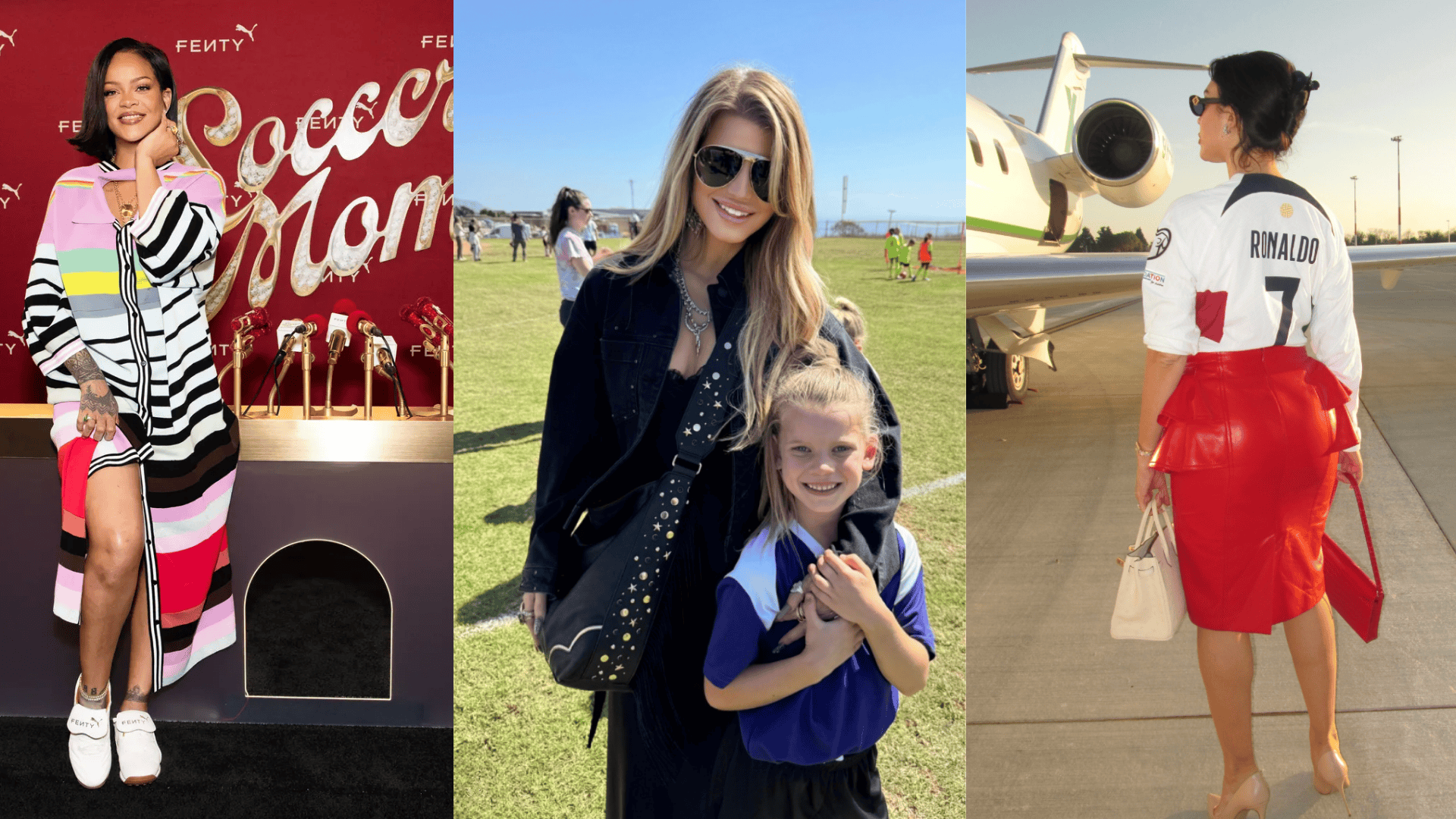
Selena Gomez’s barely-there glow and Kylie Jenner’s full-glam smoky eye couldn’t look more different, yet both start with the exact same makeup bag. That contrast is really the whole story behind makeup types: the same set of products, applied with a different hand, can build a bare-skin natural look one day and a bold, editorial face the next.
Most people default to one or two go-to styles without realizing how many distinct looks sit just a few technique changes away. Skin type, occasion, and even camera lighting all quietly decide which finish actually works.
What follows breaks down the tools, the products, and the exact steps behind each look, so choosing one stops feeling like guesswork.
Basic Makeup Tools You May Need
-
Foundation brush or makeup sponge
-
Concealer brush
-
Powder brush
-
Blush brush
-
Blending or eyeshadow brush
-
Contour or bronzer brush
-
Brow brush or spoolie
-
Eyelash curler
Types of Makeup
Makeup types range from barely-there finishes to bold, editorial styles, and each one pairs a distinct look with specific products and techniques.
1. Natural or Nude Makeup
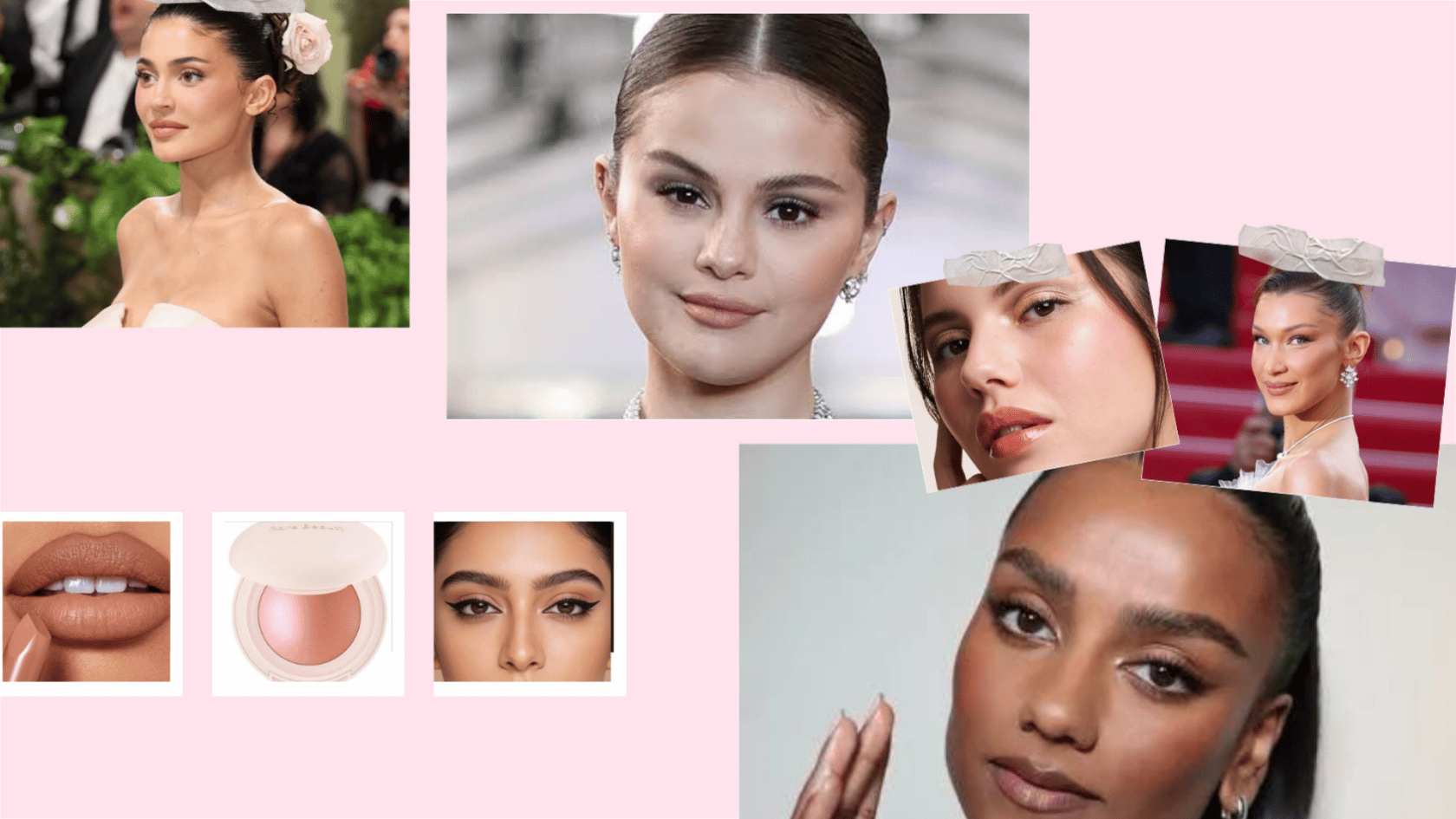
Nude makeup lets the skin show through, using sheer product instead of heavy layers for everyday wear. Build it with light, blendable formulas and minimal color throughout.
-
Face: light BB cream or tinted moisturizer, blended with fingers
-
Eyes: single wash of neutral shadow, one coat of mascara
-
Cheeks: cream blush in a soft peach or pink
-
Lips: tinted balm or nude gloss
2. Matte Makeup
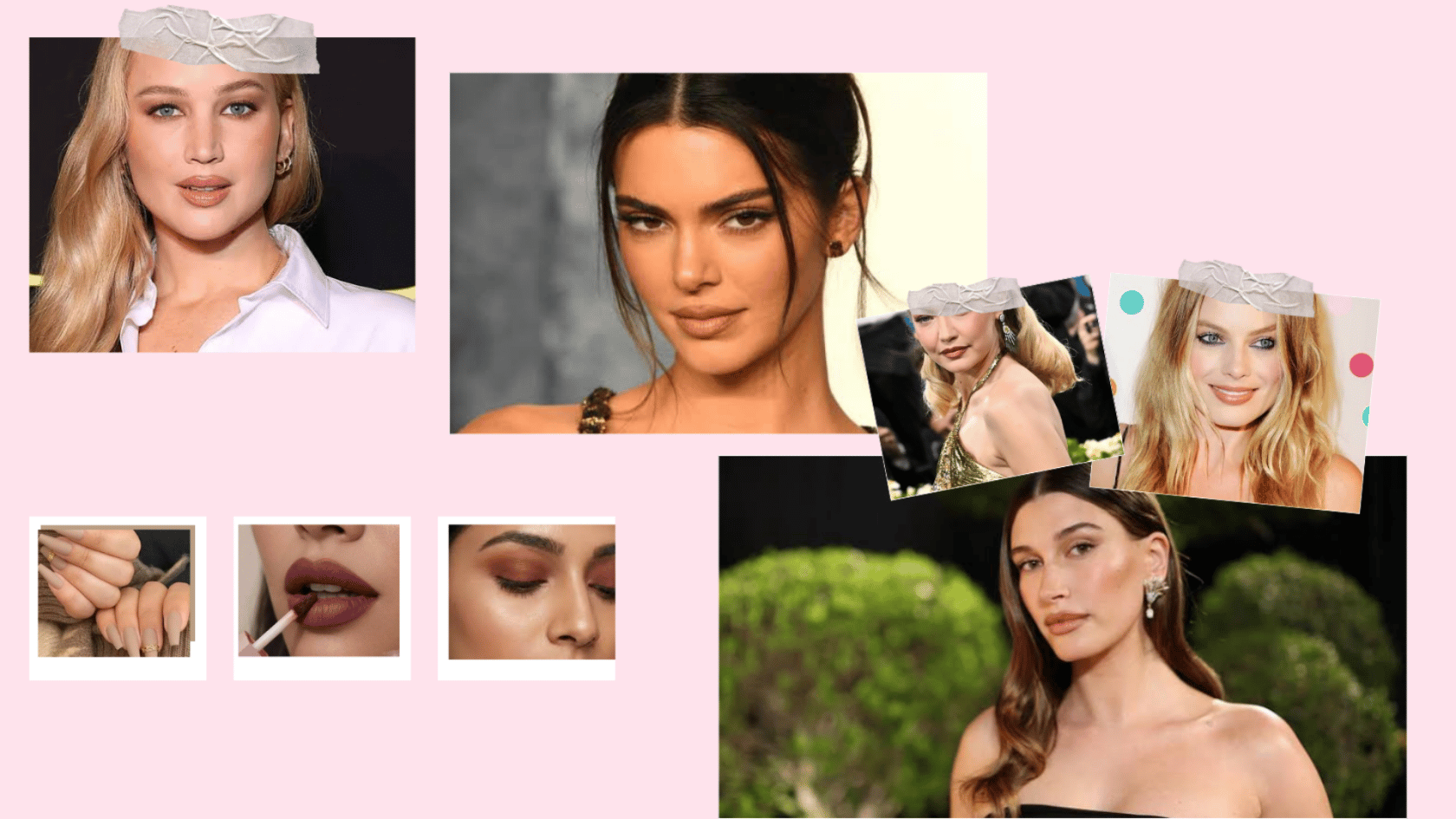
Matte makeup strips shine by layering oil-controlling formulas from base to finish, so touch-ups stay rare. Powder and blotting keep everything locked in place for hours.
-
Face: matte liquid foundation, set with translucent powder
-
Eyes: matte shadow only, no shimmer, tightlined liner
-
Cheeks: powder blush pressed lightly, not swept on
-
Lips: matte liquid lipstick or lip powder
3. Dewy Makeup
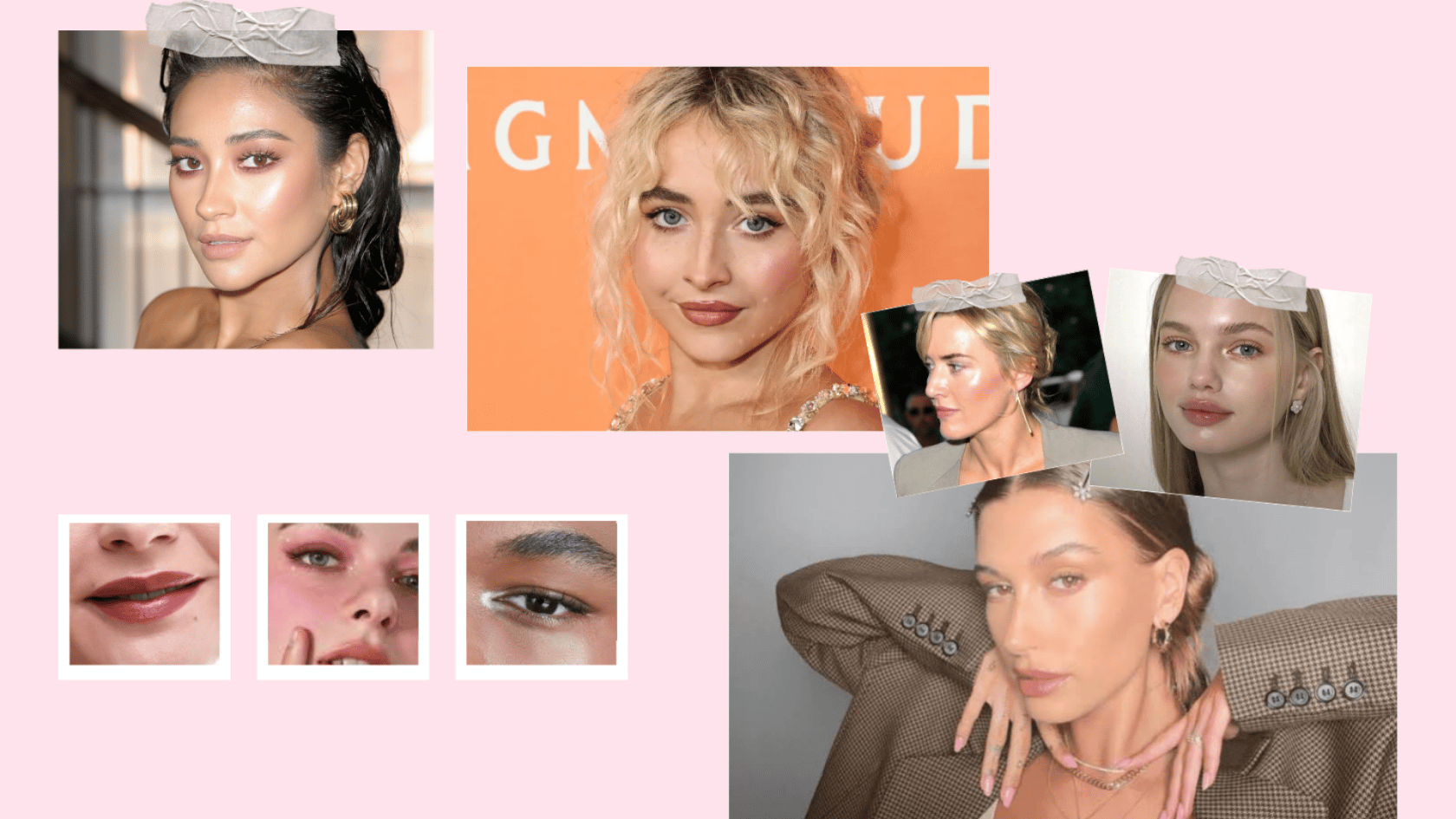
Dewy makeup boosts moisture at every step, swapping powders for hydrating bases wherever possible. Cream products keep the glow moving instead of settling flat on skin.
-
Face: hydrating serum, liquid foundation blended with a damp sponge
-
Eyes: cream shadow patted on, powder skipped entirely
-
Cheeks: cream blush stippled high on the cheekbone
-
Lips: glossy balm instead of a matte color
4. HD Makeup
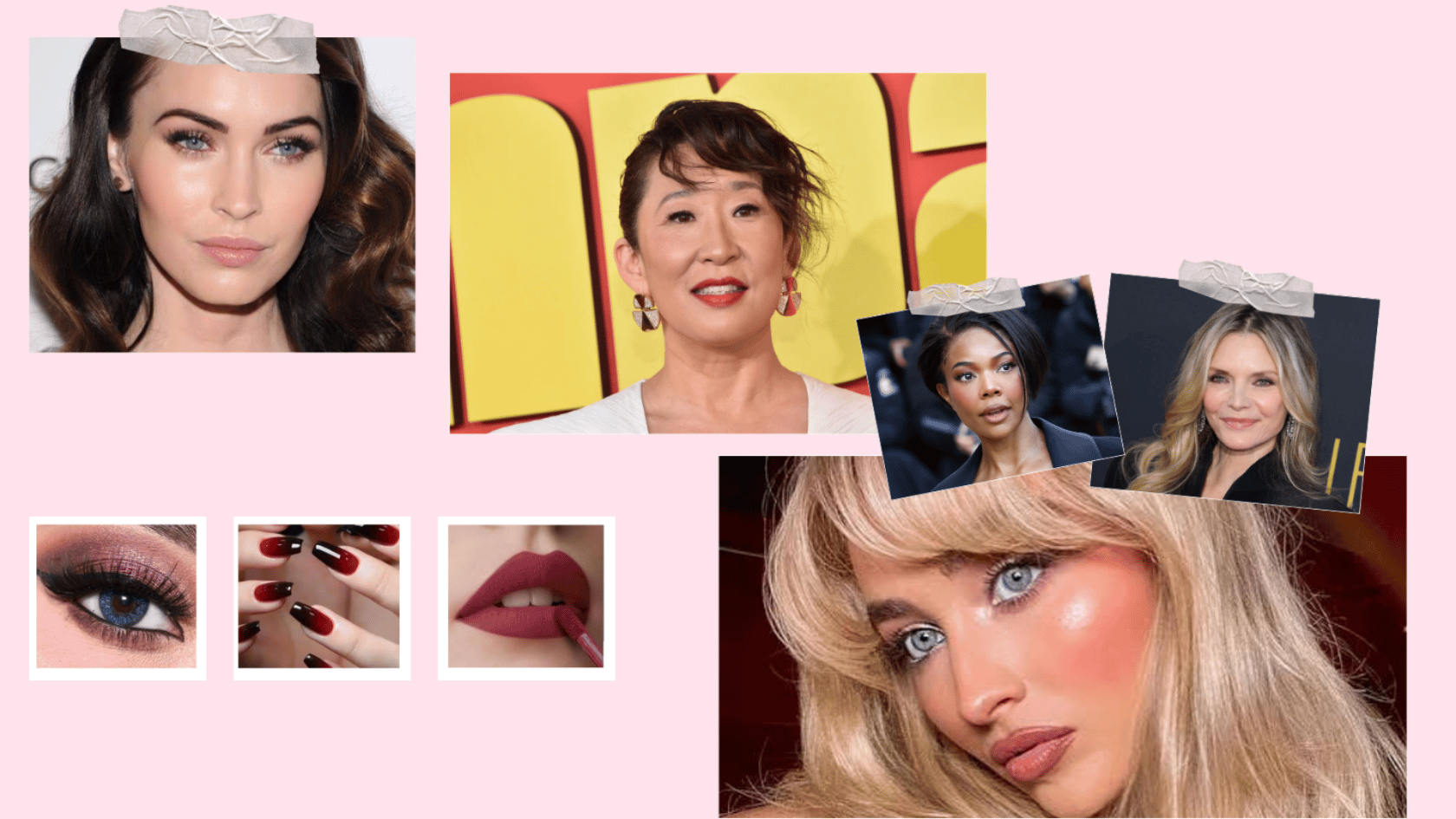
HD makeup smooths texture for camera lenses, choosing fine pigments that avoid flashback under bright studio light. Every layer gets blended edge to edge.
-
Face: airbrush-fine foundation, buffed with a dense brush
-
Eyes: soft matte shadow to prevent glare on film
-
Cheeks: cream contour blended before any powder goes on
-
Lips: satin finish, avoiding heavy shimmer near the mouth
5. Airbrush Makeup
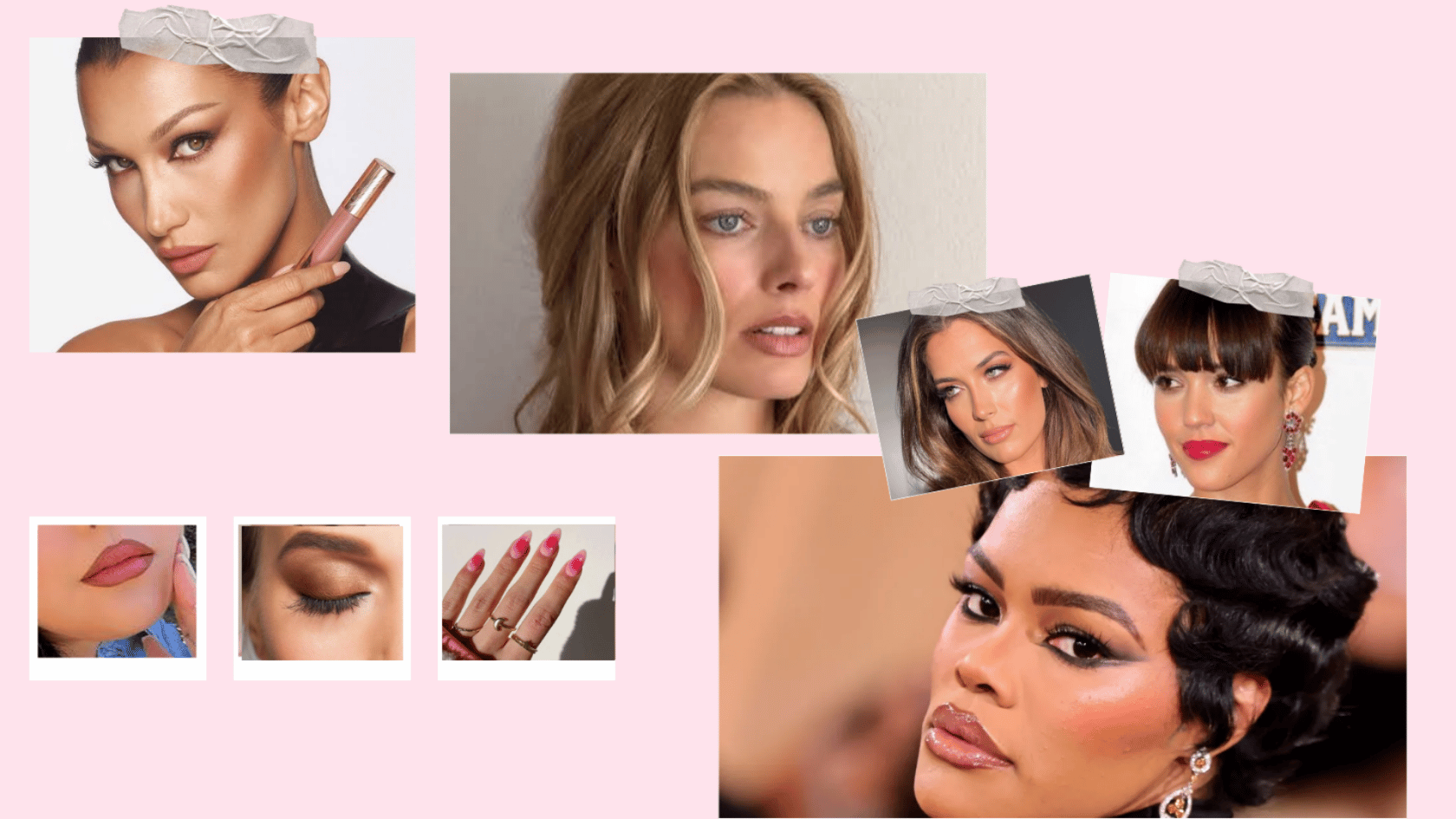
Airbrush makeup sprays color on in a fine mist, building coverage across thin passes rather than one heavy layer. The tool stays a few inches from skin.
-
Face: airbrush foundation applied in circular passes
-
Eyes: pressed shadow, since sprayed color rarely holds on lids
-
Cheeks: airbrush blush blended straight into the foundation layer
-
Lips: standard lipstick applied by hand once spraying finishes
6. Soft Glam Makeup
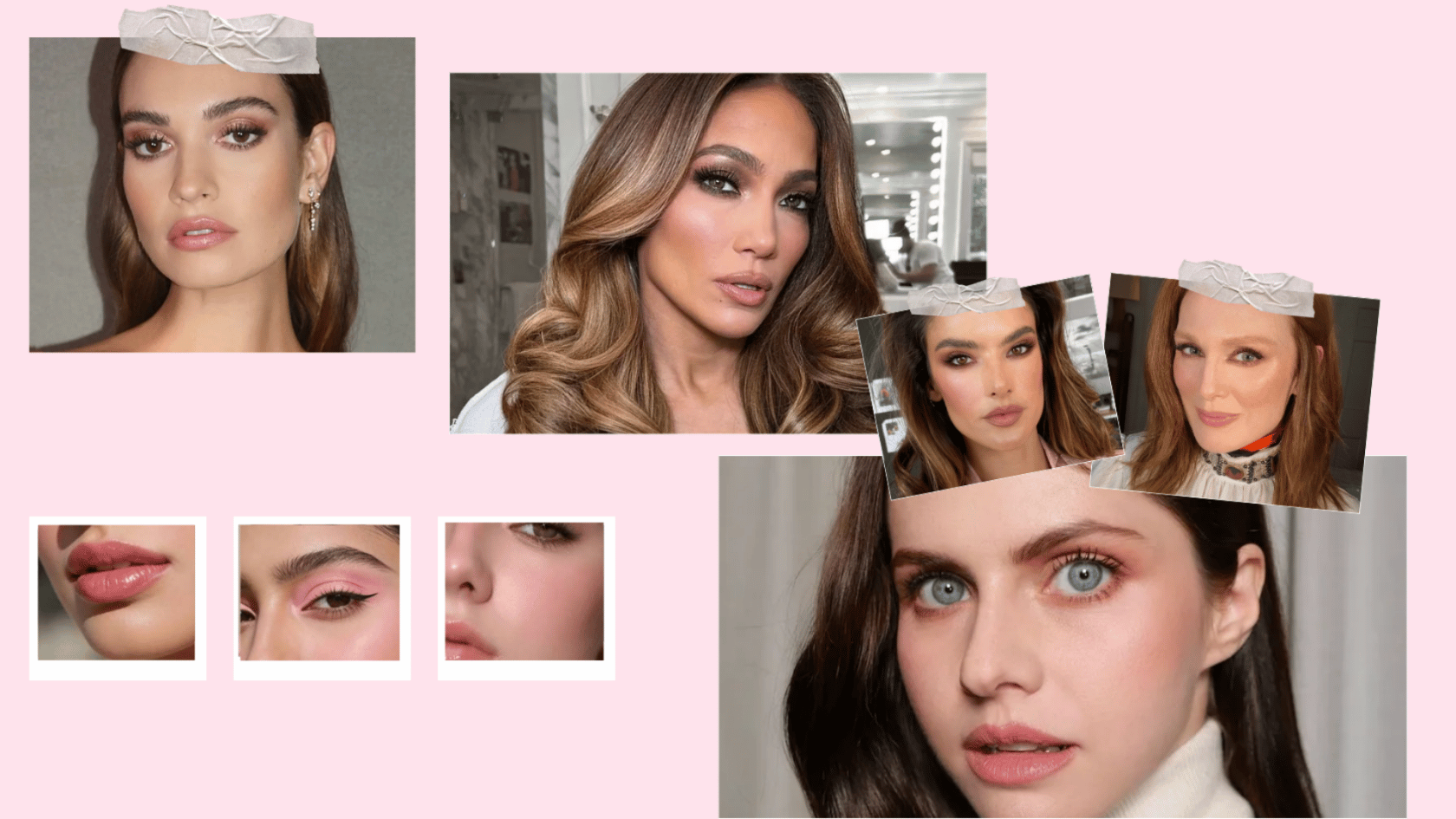
Soft glam builds definition gradually, avoiding harsh lines while still standing out once evening light hits the face. Blending time matters more than product count.
-
Face: medium coverage foundation with a satin finish
-
Eyes: soft brown shadow, winged liner, false lashes
-
Cheeks: warm blush blended with highlighter for glow
-
Lips: glossy nude or rosy shade
7. Smokey Makeup
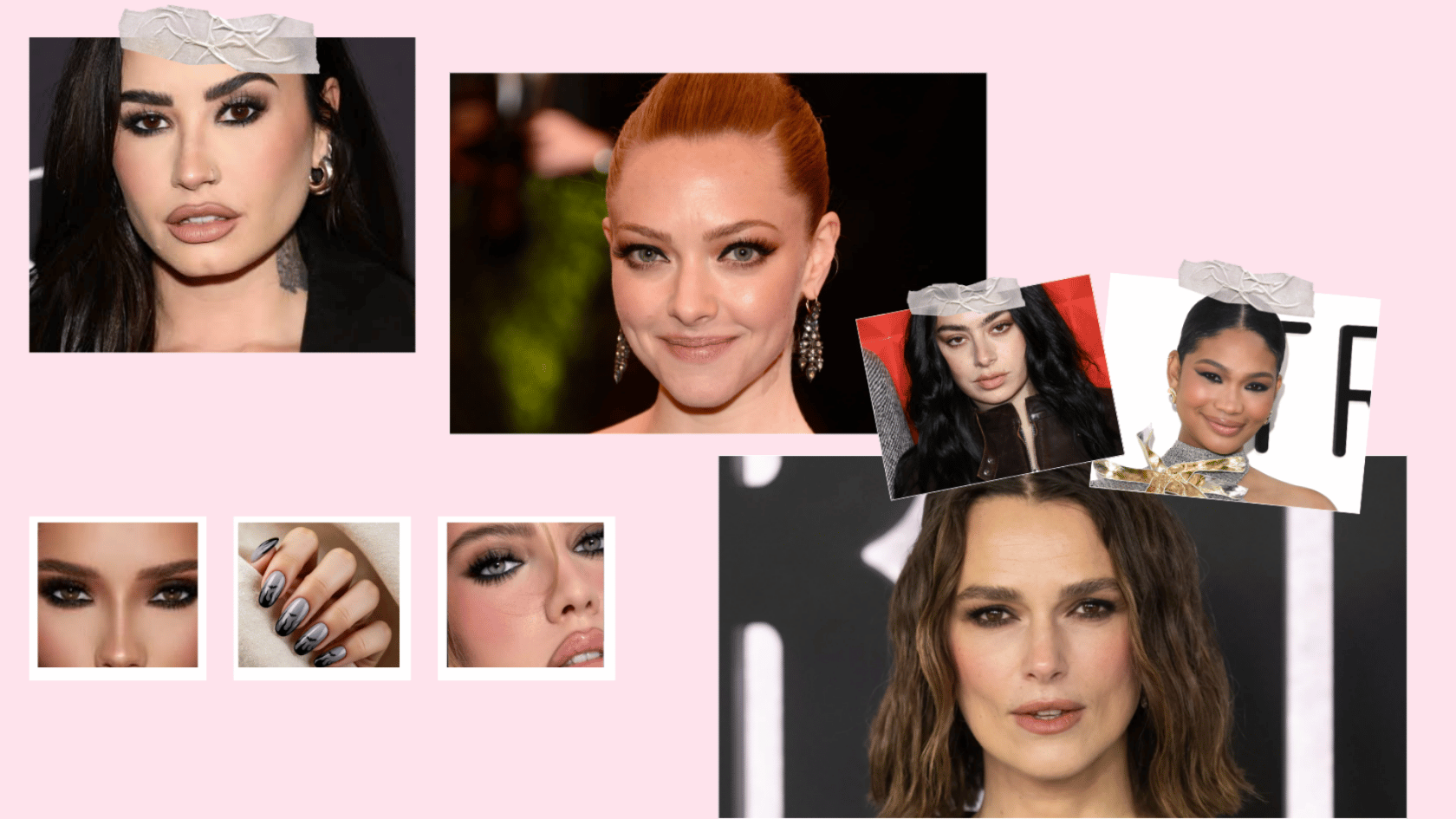
Smokey makeup relies on blending rather than color choice, softening every edge until one shadow fades directly into the next without a visible line.
-
Face: matte base that lets the eyes lead the look
-
Eyes: dark shadow packed on the lid, blended up and out
-
Cheeks: minimal color, kept neutral on purpose
-
Lips: nude or muted shade to balance the eyes
8. Shimmery or Glitter Makeup
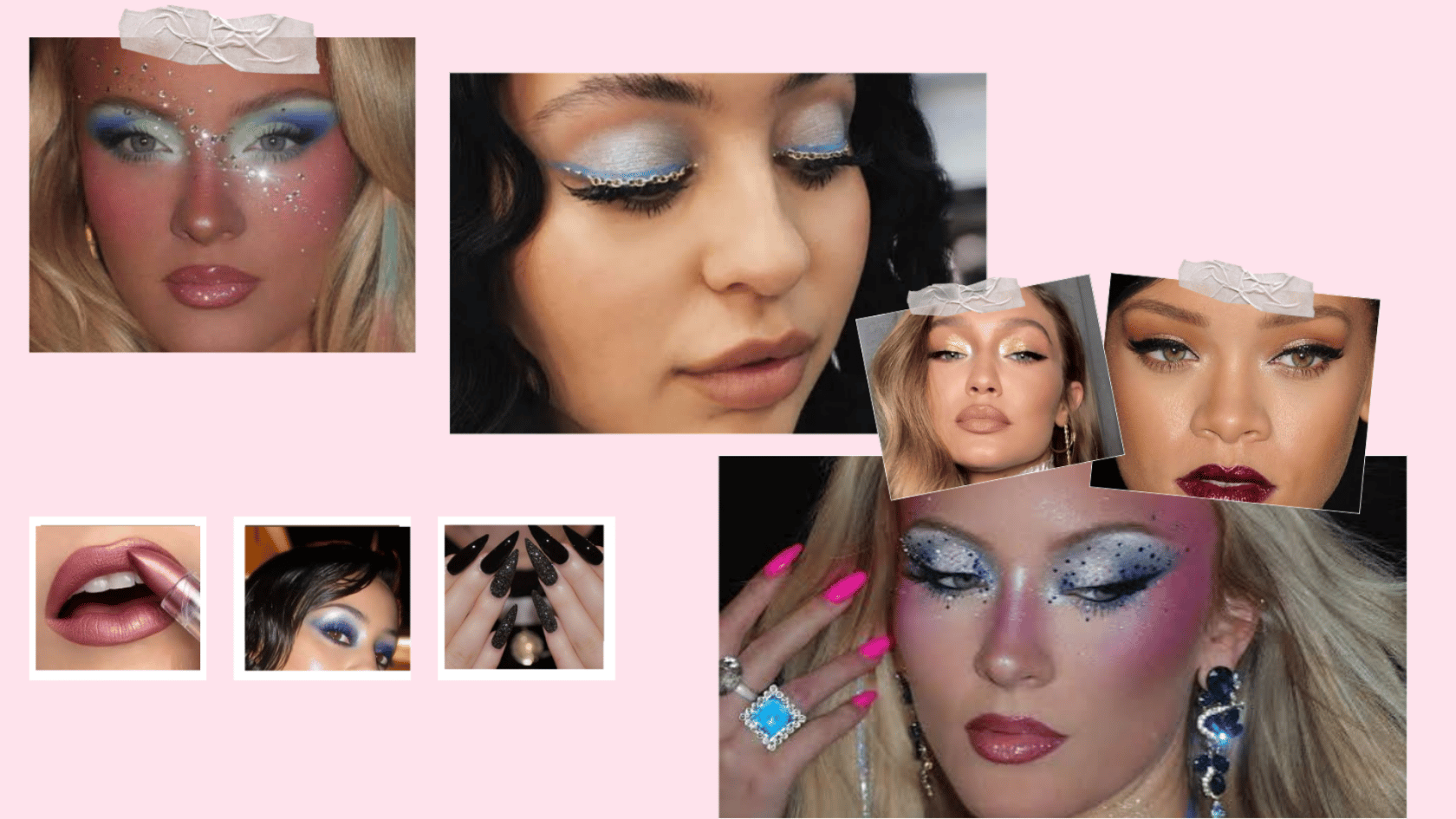
Shimmer makeup depends on a tacky base, since loose glitter needs something to grip before it holds through the night. Skipping primer means fallout later.
-
Face: primer applied wherever shimmer will sit
-
Eyes: glitter pressed on with a flat brush, not swept
-
Cheeks: liquid highlighter layered over powder blush
-
Lips: glossy topper instead of a matte lipstick
9. Editorial Makeup
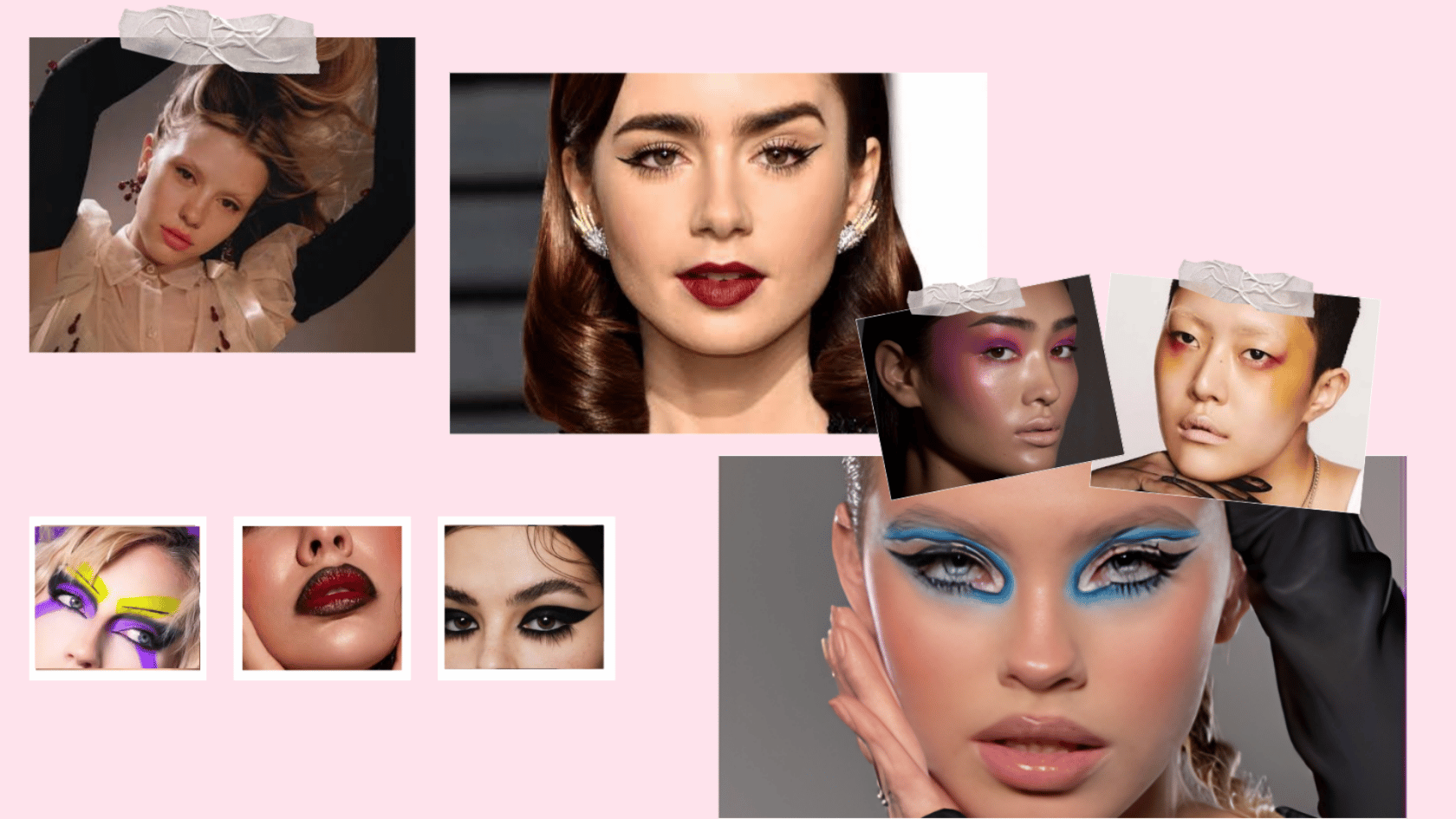
Editorial makeup breaks the usual rules on purpose, treating the face as a canvas for shape and color instead of symmetry or blend.
-
Face: bold color blocking, sometimes skipping foundation entirely
-
Eyes: graphic liner or unexpected shadow placement
-
Cheeks: contour used for shape, not natural warmth
-
Lips: color matched to the concept rather than the skin tone
10. Full Glam Makeup
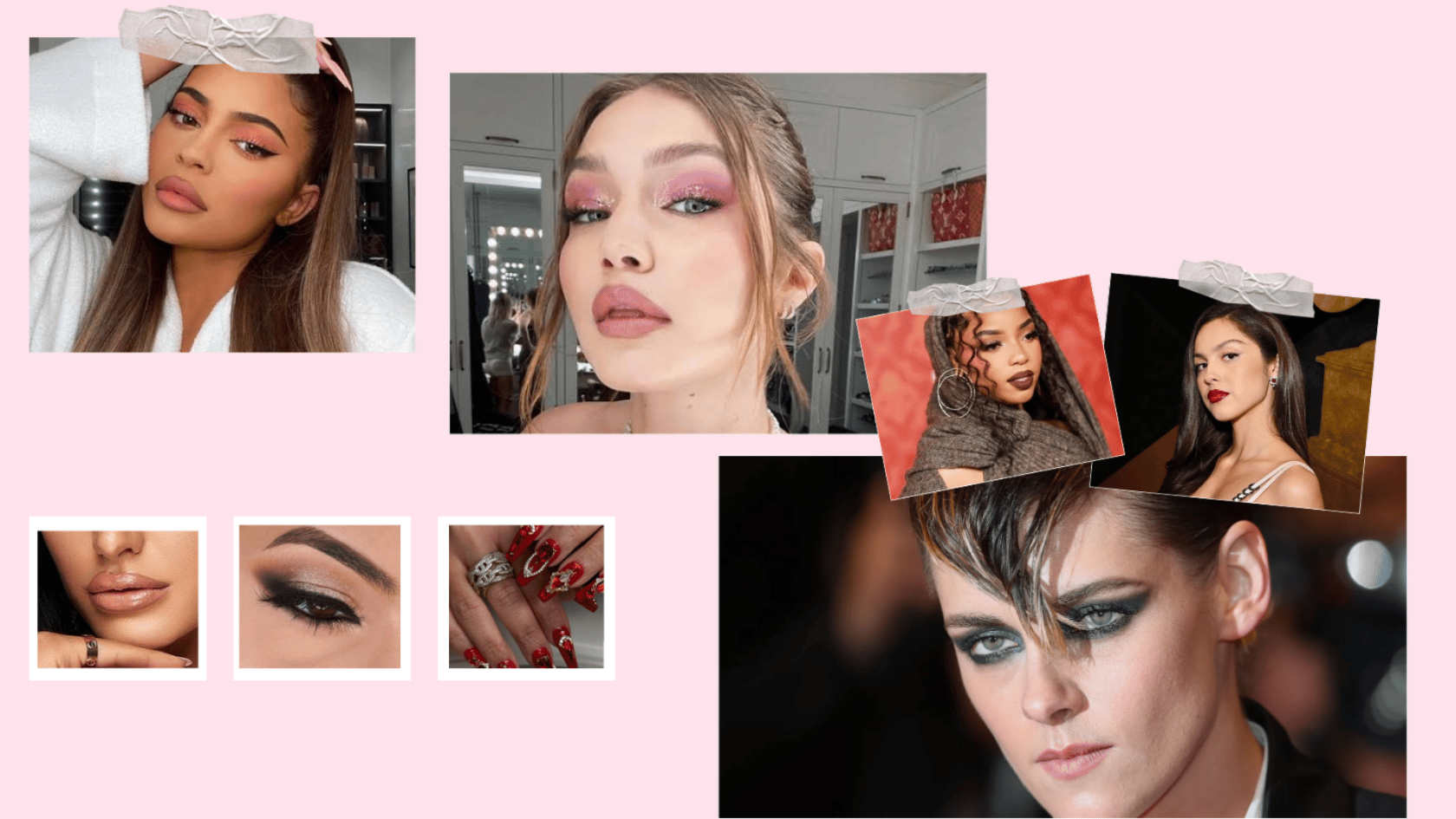
Full glam layers every step for maximum coverage, since anything left bare tends to look unfinished against this much color.
-
Face: full-coverage foundation, sculpted with contour and highlight
-
Eyes: dramatic shadow, thick liner, voluminous lashes
-
Cheeks: bold blush and highlighter for added structure
-
Lips: bold matte or high-shine color to finish it off
How to Choose the Right Makeup Type
Skin type, occasion, and wear time decide the right makeup type. Oily skin suits matte finishes, dry skin suits dewy formulas, and photos or video call for HD makeup.
Everyday wear suits natural, nude, or soft glam makeup types, while weddings often combine HD, airbrush, bridal, or soft glam depending on the venue. Evening events call for smokey, shimmer, or full glam, and creative shoots lean toward editorial makeup.
From my time in brand consulting, the biggest mistake I saw was picking a finish that fought the skin type instead of working with it.
Types of Makeup Products and What They Do
Every finished look above is built from a small set of repeatable products, each with its own job.
|
Product |
Main Purpose |
|---|---|
|
Primer |
Prepares the skin and helps makeup last |
|
Foundation |
Evens the complexion |
|
Concealer |
Covers targeted discoloration or blemishes |
|
Powder |
Sets complexion products and reduces shine |
|
Blush |
Adds cheek color |
|
Bronzer |
Adds warmth |
|
Highlighter |
Adds luminosity |
|
Eyeshadow |
Adds color and dimension to the eyes |
|
Eyeliner |
Defines the eyes |
|
Mascara |
Defines lashes |
|
Brow Product |
Shapes and fills brows |
|
Lipstick or Lip Product |
Adds lip color and finish |
|
Setting Spray |
Helps finish and set makeup |
What Is the Most Popular Makeup Right Now?
Soft glam and dewy makeup currently lead most beauty trends, favored for their natural-looking radiance over heavy, matte coverage.
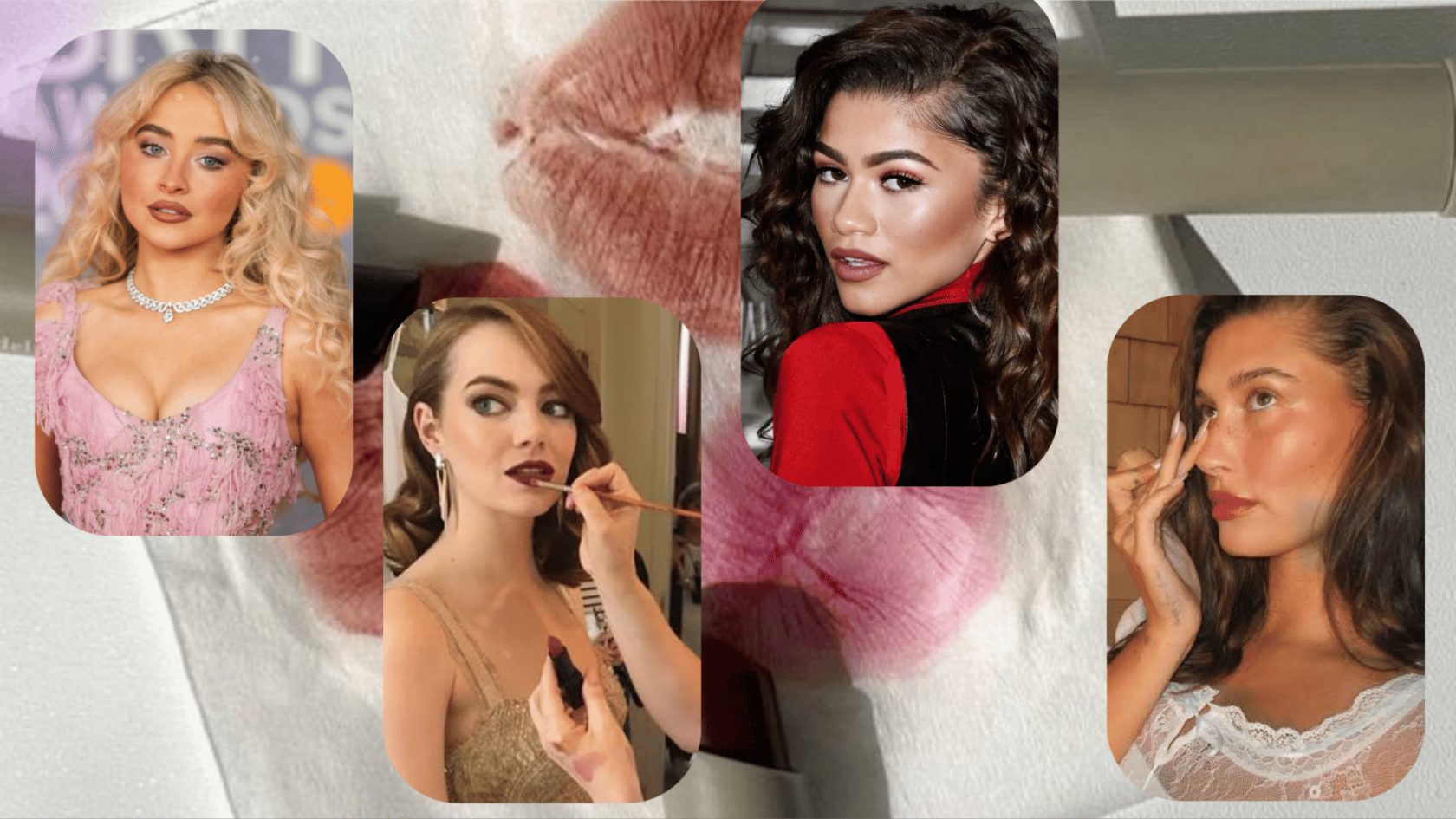
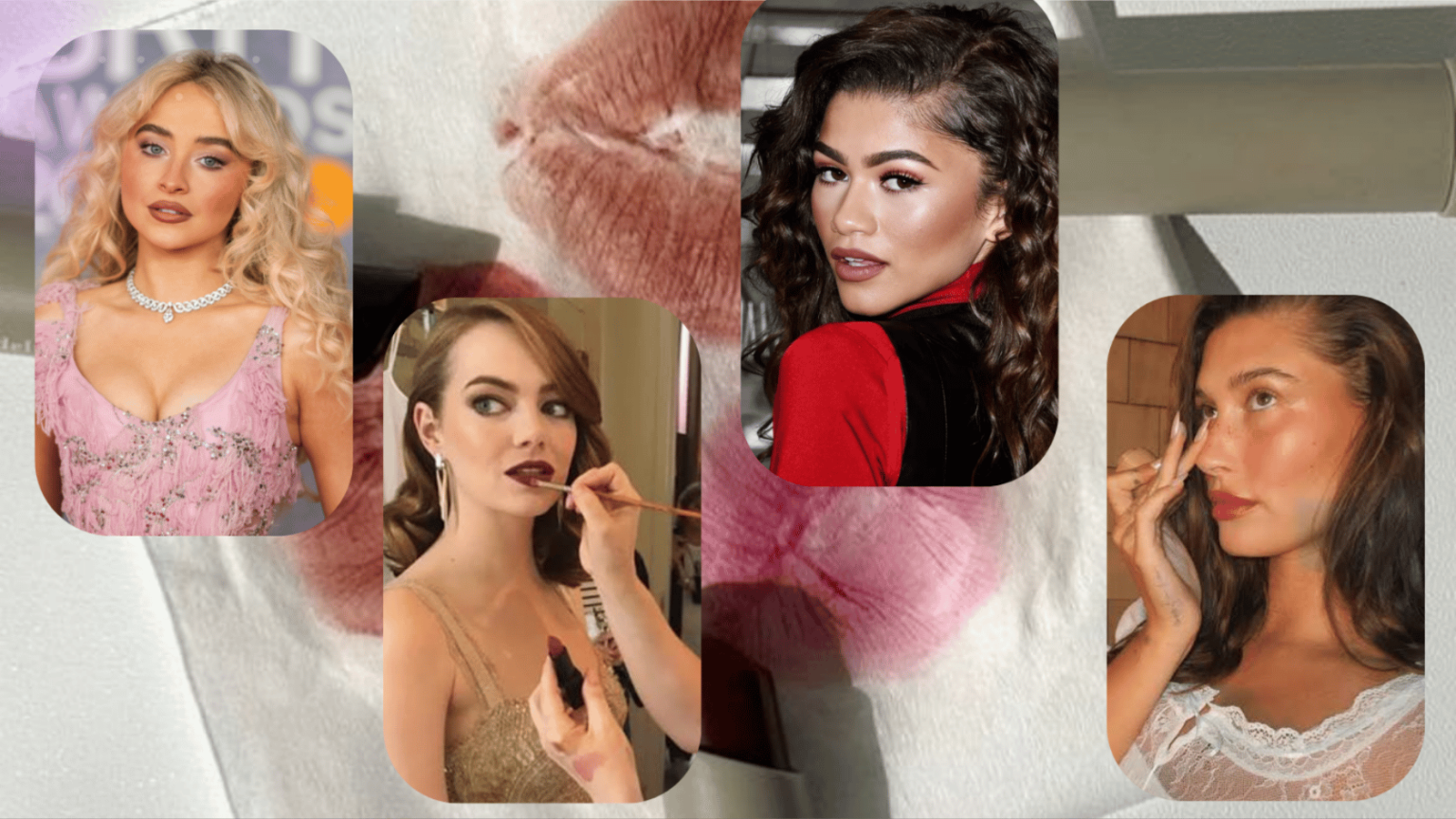
Celebrities like Hailey Bieber and Sabrina Carpenter have popularized this glass-skin, “no-makeup makeup” aesthetic, which blends skincare-first bases with subtle definition.
Bold color, glitter, and full glam still show up for special occasions, but everyday preference has shifted toward lighter formulas, cream products, and a glow-driven finish that looks effortless rather than overdone.
Final Thoughts
Makeup types are not about following one trend; they are about matching finish, product, and technique to your face and occasion.
Once you know the differences, choosing a look takes minutes, not guesswork. Keep one nude, one glam, and one dramatic option ready, then choose based on your day. Start by building a small kit around these three staples.
My years studying cosmetic formulations taught me that matching products to your skin saves time and money in the long run.
Pick a look from this list and wear it before your next event. What is your go-to look? Tell me in the comments.
Frequently Asked Questions
Can Different Makeup Types Be Mixed in One Look?
Yes, many makeup types combine well, such as pairing a matte base with a shimmer eye or dewy skin with a bold lip, as long as the overall balance stays intentional.
Is Professional Application Necessary for HD or Airbrush Makeup?
Professional application helps most with HD and airbrush makeup types, since even spraying and camera-ready blending take practice. For weddings or shoots, a professional keeps the finish consistent throughout the day.
How Do You Remove Long-Wear Makeup Types Without Irritating Skin?
Long-wear makeup types need an oil-based cleanser or micellar water first, followed by a gentle face wash, since scrubbing dries the skin and can trigger irritation, especially around the eyes.