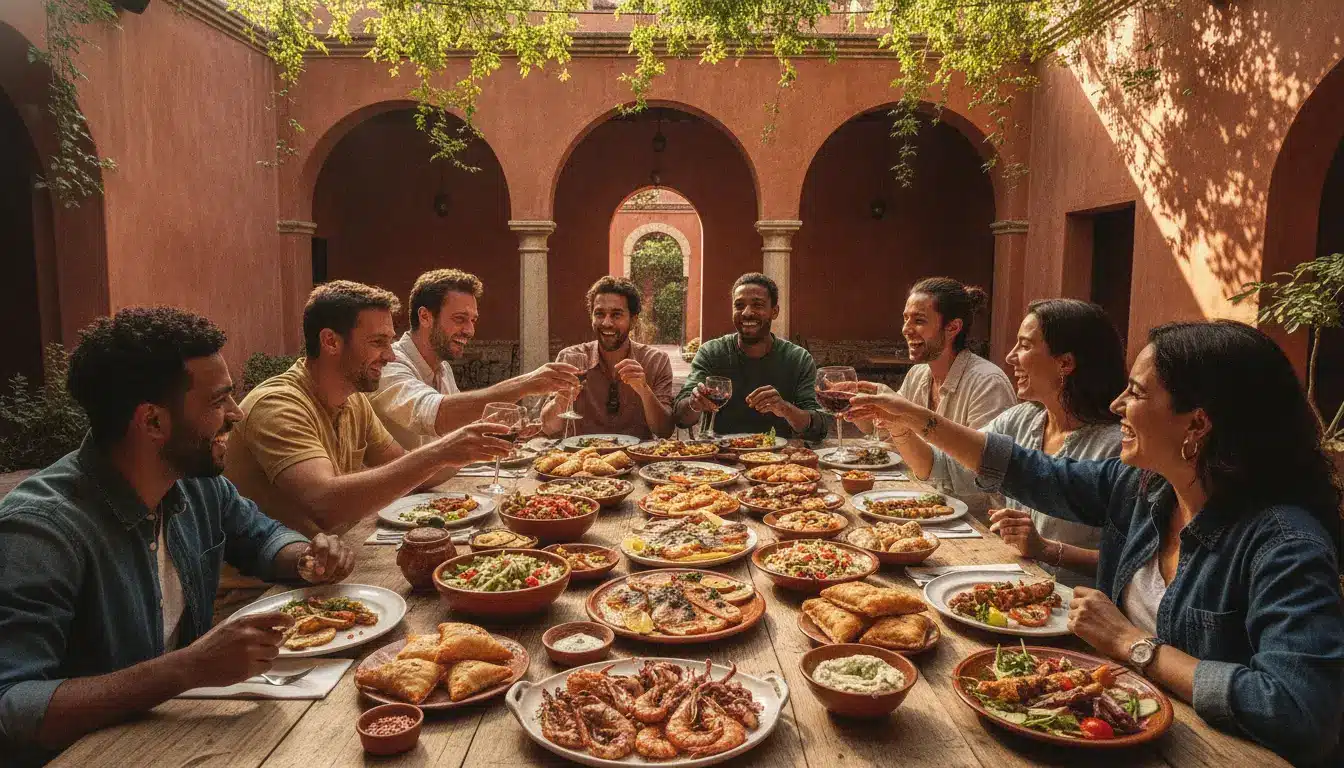
Planning a vacation with friends is exciting, but when everyone shares a love for great food, the destination becomes only part of the experience. The restaurants, local specialties, neighborhood cafés, and hidden gems often become the highlights people remember years later. A successful foodie trip takes more than choosing a city with excellent dining. It requires thoughtful planning, flexibility, and a willingness to build an itinerary around memorable meals instead of simply fitting them into the schedule. When everyone contributes ideas while staying open to new experiences, the trip feels less stressful and far more rewarding.
Build Your Food List First
One of the smartest ways to organize group travel plans is by creating a shared list of restaurants before anyone books flights or hotels. Every traveler can add places they have been wanting to try, along with local dishes they hope to experience. Instead of leaving every meal to chance, identify a handful of restaurants that deserve reservations while leaving enough open time for unexpected discoveries.
It also helps to divide restaurants into categories. Pick one upscale dinner, one casual neighborhood favorite, one brunch destination, and several bakeries or coffee shops. This keeps the schedule varied without making every meal feel like a major event. If someone discovers a popular food market or local festival after arriving, there is still room to adjust the itinerary without canceling carefully planned reservations.
Choosing accommodations near several dining districts can also reduce transportation costs and give everyone the freedom to explore independently if interests temporarily differ. Walking between meals often becomes part of the fun, allowing travelers to discover bookstores, boutiques, parks, and local attractions they might have overlooked otherwise.
Balance Fine Dining and Local Favorites
Many travelers automatically chase the restaurants with the longest reservation lists, but unforgettable meals often come from places that receive little national attention. A balanced itinerary mixes celebrated establishments with neighborhood favorites that locals recommend repeatedly.
Researching regional specialties before the trip can also improve the experience. Every destination has dishes that define its culinary identity, and trying them adds another layer to the vacation. Instead of ordering familiar menu items throughout the trip, encourage everyone to sample something unique to the region.
At the same time, avoid overloading the schedule with expensive tasting menus every evening. Rich meals back to back can become exhausting, both financially and physically. Alternating upscale restaurants with casual cafés, seafood shacks, food halls, or family-owned diners creates a more enjoyable rhythm that allows everyone to appreciate each dining experience.
Explore Every Neighborhood
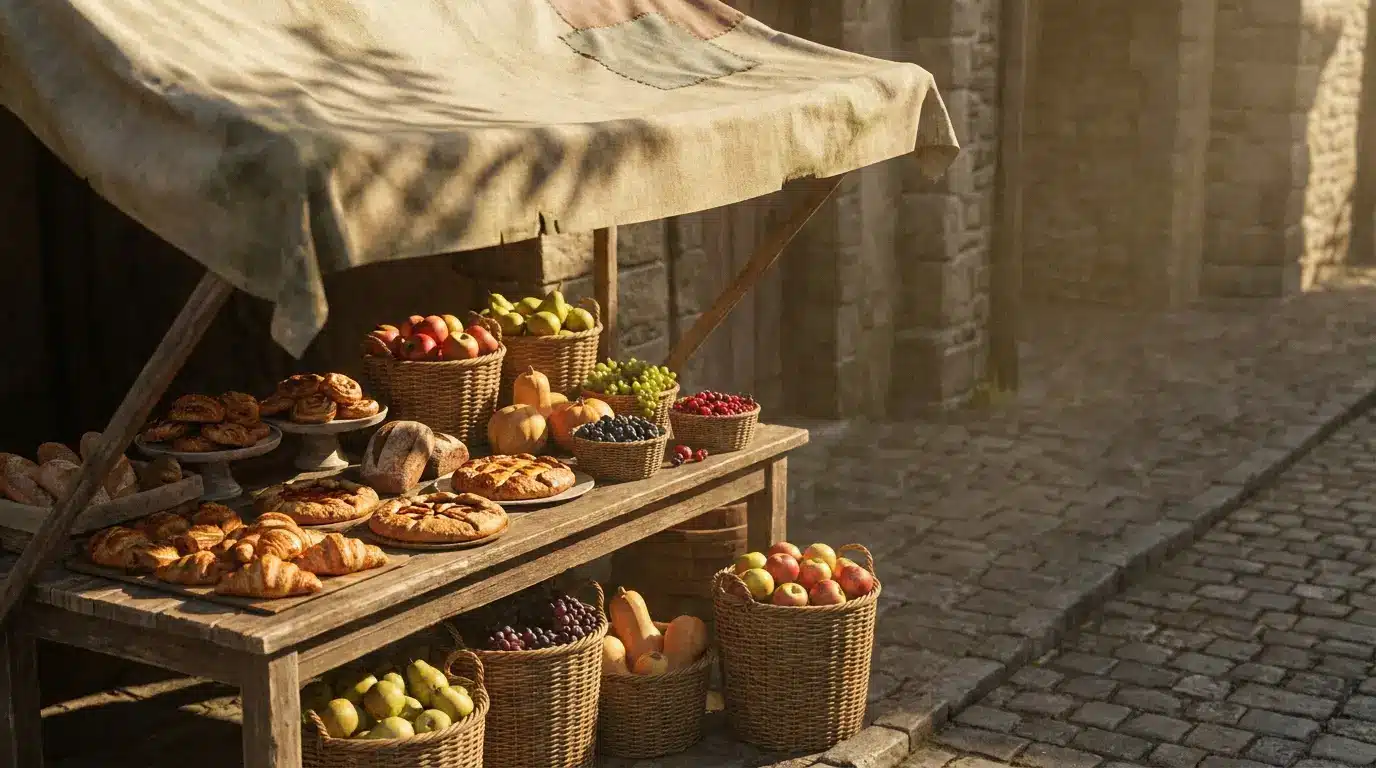
Some of the best culinary discoveries happen outside the city’s most recognizable tourist districts. Instead of staying in one area, build each day around exploring a different neighborhood. That approach naturally introduces new restaurants, markets, bakeries, and specialty shops while helping travelers experience more authentic local culture.
Some groups even organize friendly food challenges during the trip. One day may focus on desserts, another on craft coffee, while another centers on regional favorites. Conversations become much more entertaining when everyone compares their favorite discoveries throughout the vacation.
Whether someone insists on finding the best sushi spot in Charleston, best steakhouse in Charlotte or the best cheesesteak in Philadelphia, researching signature restaurants before arriving helps maximize every meal. Having several options prepared prevents endless debates while standing on crowded sidewalks wondering where to eat next.
Photos certainly become part of the experience, but they should never replace enjoying the moment. Taking a few pictures before digging into an incredible meal is understandable. Spending twenty minutes arranging every plate is not nearly as memorable as sharing conversations around the table.
Leave Room for Surprises
Some of the greatest travel memories begin with completely unexpected recommendations. A bartender suggests an outstanding bakery. A hotel concierge recommends an overlooked seafood restaurant. Someone waiting in line points visitors toward an incredible late-night pizza shop that never appeared on any travel website.
Leaving several meals unplanned gives these spontaneous discoveries room to happen. While reservations remain valuable for highly sought-after restaurants, maintaining flexibility creates opportunities that carefully scheduled itineraries sometimes miss.
It also helps to avoid packing every day with nonstop sightseeing. Food-focused travel should feel relaxed rather than rushed. Spending extra time wandering through local markets, enjoying a second cup of coffee, or stopping for dessert simply because something looks interesting often becomes the highlight of the entire vacation.
Groups should also remain flexible when preferences change. Someone who originally wanted Italian food may suddenly crave seafood after walking past a bustling waterfront restaurant. Keeping an open mind allows everyone to enjoy the adventure without feeling locked into a rigid schedule.
Make Every Meal Count
A foodie vacation succeeds because it creates shared experiences rather than simply filling stomachs. Long dinners become opportunities to reconnect with friends, celebrate milestones, and discover new flavors together. Even simple breakfasts can turn into favorite memories when everyone laughs over travel stories before heading out for another day of exploration.
Planning thoughtfully makes a noticeable difference, but perfection should never become the goal. A restaurant may disappoint, reservations might change, or weather could alter the day’s schedule. Those moments rarely define the vacation. Instead, people remember the incredible meals, the conversations around crowded tables, and the excitement of discovering places they would never have found alone.