
A building will not tell its owner that it is losing value. No alert, no line item, no monthly report flags it. Rent keeps arriving. The roof keeps most of the water out.
Instead, four other parties find out, one after another, and each prices the discovery higher than the last. The tenant notices first and asks for very little. The insurance underwriter notices next. Then the lender. Then, finally, a buyer’s consultant, who is the most expensive audience in that sequence by a wide margin.
Preventive maintenance is essentially the practice of being the first one to know.
The Tenant Notices First and Costs the Least
Long before anything shows up in a report, somebody who works in the building is having a slightly worse day than they used to.
The third floor runs warm every afternoon. A draft runs along the window wall in January. A ceiling tile has a faint ring on it that maintenance keeps meaning to look at. None of this generates a work order anyone escalates, and it is the building sending its earliest, cheapest signal.
The cost of ignoring it is not the repair. It is the renewal conversation eighteen months later, when a tenant who’s been mildly uncomfortable for two years decides to look at what else is available. Turnover expense, downtime, and concessions on the next lease dwarf whatever the original fix would have run.
Tenant complaints are free diagnostic data from people who occupy the asset every day. Most owners treat them as a service issue rather than a condition report.
Most of It Starts in the Envelope
Trace the failures backward, and they tend to originate in the same place, because water damage accumulates invisibly and can take years to surface.
Stucco and EIFS assemblies are the standard case study. Both can last for decades when the details are right and maintenance is consistent. Both can also fail when they are not, because water that gets behind the surface has very little opportunity to dry out. The entry points are rarely unusual: window heads, control joints, penetrations, transitions between materials, and kick-out flashing at roof-to-wall intersections that may have been omitted or installed incorrectly. Nothing may appear indoors for years. By the time drywall shows signs of moisture, the sheathing behind it may already have been exposed through several seasons.
That is where early detection matters. Stucco remediation can remain relatively contained when moisture intrusion is identified quickly. A small sealant failure or flashing issue may only require a localized repair. Left unresolved, the same problem can spread behind the cladding and eventually require opening larger sections so crews can identify and replace damaged materials.
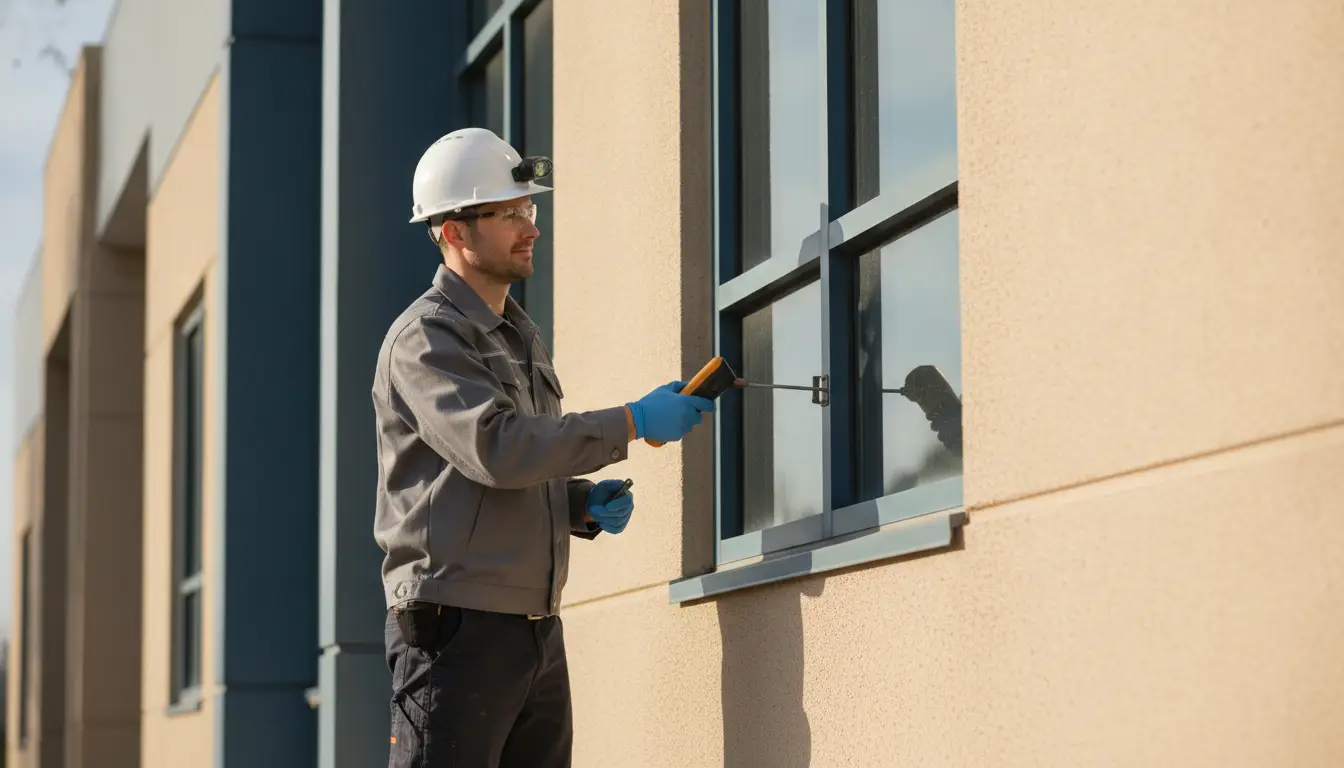
The countermeasure is a walk. Once a year, someone should walk around the building and check sealant condition, crack patterns, staining below joints and windows, flashing terminations, and how the cladding meets grade. Moisture readings can settle what the eye cannot. Regular inspections make it far easier to address small defects before they turn into broader remediation work.
The Underwriter Prices It Next
Insurance is the second party to form an opinion, and it does so quietly.
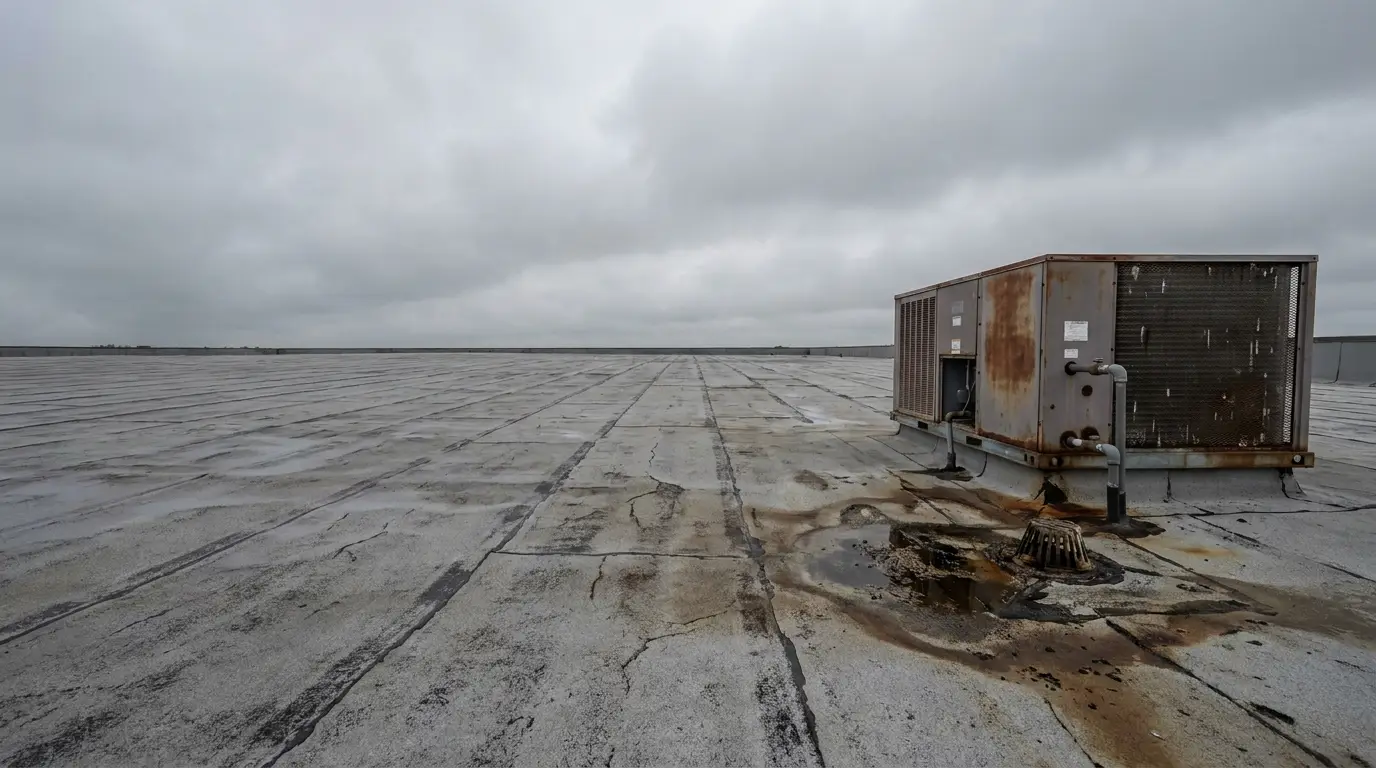
Water damage claims history follows a property. So do roof age and the condition documentation an owner can or cannot produce at renewal. Carriers have grown considerably more selective about buildings with a pattern of moisture claims, and the response shows up as higher deductibles, tighter exclusions, or a renewal quote that changes the operating budget.
An owner with an inspection file and a maintained roof is having a different conversation than an owner with three water losses and no records, even when the two buildings look identical from the street.
The Lender Prices It at Refinance
The third audience arrives with a property condition assessment, usually at the least convenient point in a capital structure.
A consultant walks the building, estimates immediate repair needs and a twelve-year replacement schedule, and hands over a number. Immediate needs can translate into required escrows or holdbacks, which pull cash out of a deal that was underwritten without them. A thin reserve study invites a larger one.
None of that is negotiable in the moment. It reflects the condition of the building on the day somebody looked at it, which was determined by whatever did or did not happen over the previous six years.
The Buyer Prices It Last, and Worst
The final party has every incentive to price the finding high, and the leverage to make it stick.
Deferred maintenance discovered during due diligence does not get deducted at repair cost. It gets deducted at whatever the negotiation supports, and it arrives alongside a general suspicion about what else was not maintained. A single elevation with moisture flags casts doubt on the roof, the mechanical service history, and everything the seller has represented.
This is where neglect finally gets priced at a valuation multiple rather than at cost, which is the worst available exchange rate in commercial real estate.
Questions an Owner Should Be Able to Answer
A short list separates properties with a maintenance program from properties with a maintenance habit.
When was the envelope last inspected, and by whom? What is the roof’s age and remaining life, and who last walked it? Which mechanical equipment is under a service contract and which is not? What did last year’s inspections find, and what was done about each item? Where are the photographs of the same roof plane and wall elevation from the last three years?
Owners who can answer those in an afternoon tend to have the fewest surprises. The file itself has value, because a lender’s consultant, an underwriter, and a buyer’s diligence team are all trying to reconstruct exactly that information from scratch.
Buildings decline on schedules that are largely knowable and give largely visible signals. The entire discipline amounts to looking on purpose, writing down what was there, and handling things while they are still small enough that nobody outside the organization has to find out about them.