

Modern homes can have as many as 22 windows on average, and residential window assemblies contain a complex network of interlocking parts designed to keep outdoor elements at bay while managing indoor temperature. Most homeowners treat windows as solid glass panes, but they are dynamic systems made up of frames, sashes, seals, hardware, and window stops. Addressing minor component wear early keeps the entire assembly functioning properly and prevents localized wear from becoming a structural issue.
Every residential window relies on several primary parts to maintain its seal and structure. The frame supports the unit, while the sash holds the glass package in place. Between these parts sit weatherstripping seals that block drafts, along with hardware that controls movement and locking mechanisms. Hidden in plain sight around the frame perimeter are window stops, which hold the window sash securely in position within the frame track.
Over time, daily thermal expansion, humidity changes, and regular usage gradually degrade internal components. When a single element wears down, the rest of the assembly absorbs extra friction and pressure.
Recognizing Early Indicators of Component Wear
Catching minor window issues early keeps maintenance costs low and prevents minor drafts from turning into larger repair projects. Inspecting your windows each season helps you catch physical wear before it affects surrounding drywall or flooring.
Thousands of window repair projects start every year because of preventable component neglect. Look out for these common warning signs during routine home maintenance:
- Visible cracking, rotting, or splitting along the wooden or vinyl window stop inserts
- Excess play or rattling in the sash when the window is closed and locked
- Drafts leaking through the outer perimeter despite intact glass panes
Ignoring these signs usually leads to higher energy bills as conditioned air escapes through compromised boundaries, and with utility prices rising regularly, now’s the time to act. When window seals fail, moisture creeps between double or triple panes, leading to fogging and reduced thermal efficiency. Replacing small vinyl or wood components promptly protects the window’s overall structural integrity.
The Role of Window Stops in Assembly Longevity
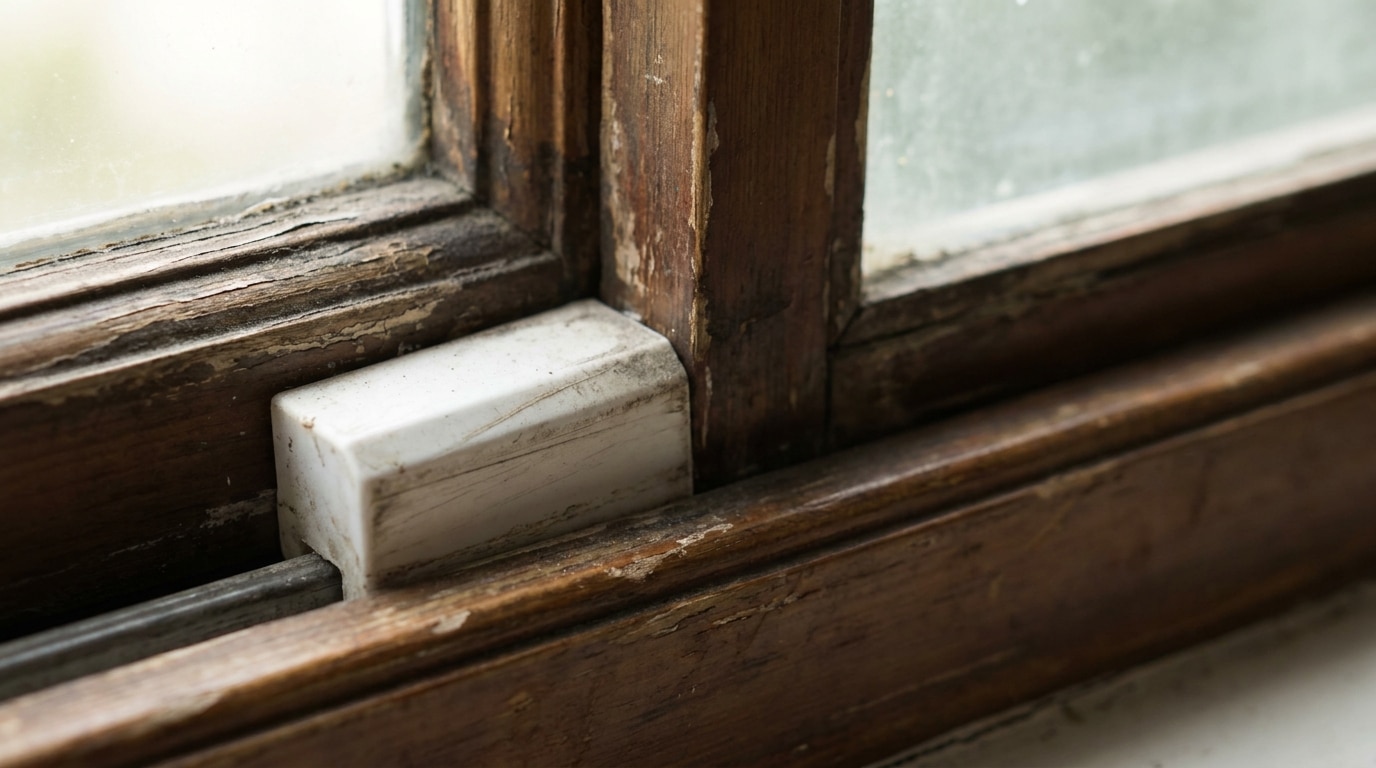
Window stops act as crucial structural boundaries inside the track system. They guide the sash’s vertical or horizontal movement while holding it firmly against the weatherstripping. If a stop cracks, warps, or goes missing, the sash shifts out of alignment, putting uneven pressure on balance systems and locking mechanisms.
Replacing damaged stops restores the snug seal required for efficient window operation. Homeowners looking to fix loose or drafty units often source specific components rather than buying full replacement windows.
For instance, using Weathershield window stops allows you to swap out worn profile inserts with exact-fit components to restore factory seals on compatible units. The compatible part is always the best choice and can be cost-effective too.
Matching replacement inserts to your specific window brand ensures proper compression against the sash. Modern PVC stop inserts resist moisture damage far better than aging wooden profiles, extending the working lifespan of older window sashes without requiring expensive full-frame removals.
Simple Maintenance Steps for Window Preservation
Maintaining residential window assemblies is a lot like keeping your home clean, in that it requires basic periodic inspection and elbow grease. Keeping tracks clear of dirt and debris prevents hardware binding and reduces mechanical strain on operators and balances.
Understanding how the window sash sits in the frame helps pinpoint where friction or air leaks originate. Inspect all visible weatherstripping for tears, lubricate moving metal hinges with silicone spray, and ensure window stops sit flush against the sash profile. Replacing worn trim and stops early eliminates draft entry points before winter weather sets in.
Regular inspections also catch seal degradation early, before rot reaches internal framing studs. Proactively replacing low-cost parts like stops, latches, and weatherstripping saves thousands compared to full window replacement projects down the road.
Preventing Water Damage and Frame Rot
Unaddressed window leaks do far more than create minor drafts around the glass package. When rain bypasses damaged window stops or cracked perimeter sealant, moisture pools directly inside the lower frame track.
Over time, trapped standing water seeps past the subframe and enters interior wall cavities, deteriorating insulation and rotting structural wood studs. Fixing a loose window stop or replacing cracked profile inserts early creates a tight moisture barrier, stopping water infiltration before it damages surrounding drywall, subfloors, and framing.
Maintaining Thermal Efficiency Across Seasons
Windows account for a significant portion of standard home heating and cooling losses when seals degrade. Addressing small gaps around window stops and sash tracks preserves consistent interior temperatures year-round.
When window components lose tightness, HVAC systems work harder to compensate for thermal loss. Poorly sealed window assemblies waste energy continuously through air infiltration. Keeping every component properly seated ensures your home retains energy efficiency in every season.
If you suspect your windows are letting drafts in, take a close look at the perimeter stops and weatherstripping today to identify components ready for replacement. You can also explore our other guides on residential home maintenance to keep your property running smoothly.