
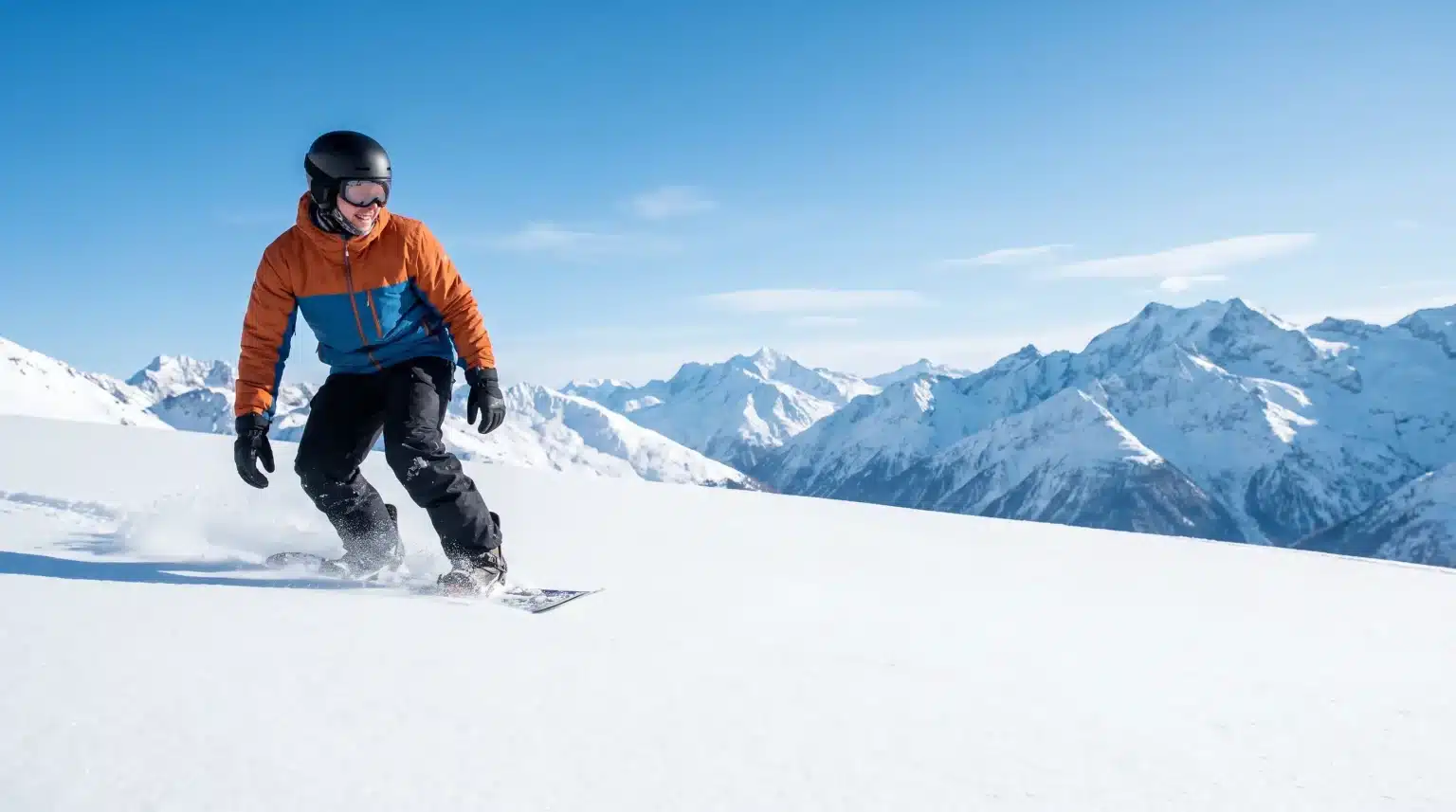
Winter has a way of turning plenty of otherwise active people into dedicated indoor creatures. Snowboarding offers a much better excuse to get outside. It combines exercise, fresh air, skill-building and the simple fun of spending a day on a mountain. You do not need to grow up near a ski resort or own a closet full of expensive equipment to begin, either. With a lesson, properly fitted gear and realistic expectations about your first few runs, snowboarding can become one of the most rewarding ways to spend winter.
A Winter Sport Worth Learning
Snowboarding has a learning curve, and pretending otherwise does beginners no favors. Your first day may involve plenty of time sitting in the snow, figuring out how to stand, stop and get off a lift without creating a minor traffic jam. Once the basic movements begin to click, however, the sport becomes much more enjoyable.
Part of snowboarding’s appeal is that improvement is easy to recognize. Linking your first turns, controlling your speed and completing a longer run all provide tangible signs of progress. Lessons can make those early days far less frustrating because an instructor can teach proper stance, braking and turning before bad habits settle in.
Snowboarding also gives winter weekends a purpose beyond waiting for spring. Resorts offer terrain for different ability levels, so beginners can develop their skills without immediately facing steep slopes. The goal is not to conquer the mountain on day one. It is to learn enough to want to return.
Fitness Helps Before the Mountain
You do not have to be an elite athlete to snowboard, but basic conditioning makes learning easier. Strong legs help you maintain your stance, while core strength supports balance and control. Cardiovascular endurance also matters because repeated runs can become surprisingly demanding, particularly at higher elevations.
Adding snowboarding preparation to your daily fitness routine does not require complicated training. Squats, lunges, calf raises and core exercises can help prepare the muscles you will rely on most. Balance exercises are useful as well, especially for beginners getting accustomed to controlling their body while both feet remain attached to one board.
Starting several weeks before a trip can make a noticeable difference in stamina. Flexibility deserves attention, too. Regular stretching can improve mobility and make it easier to move naturally instead of fighting against a stiff stance all afternoon.
Dress for Cold Mountain Days
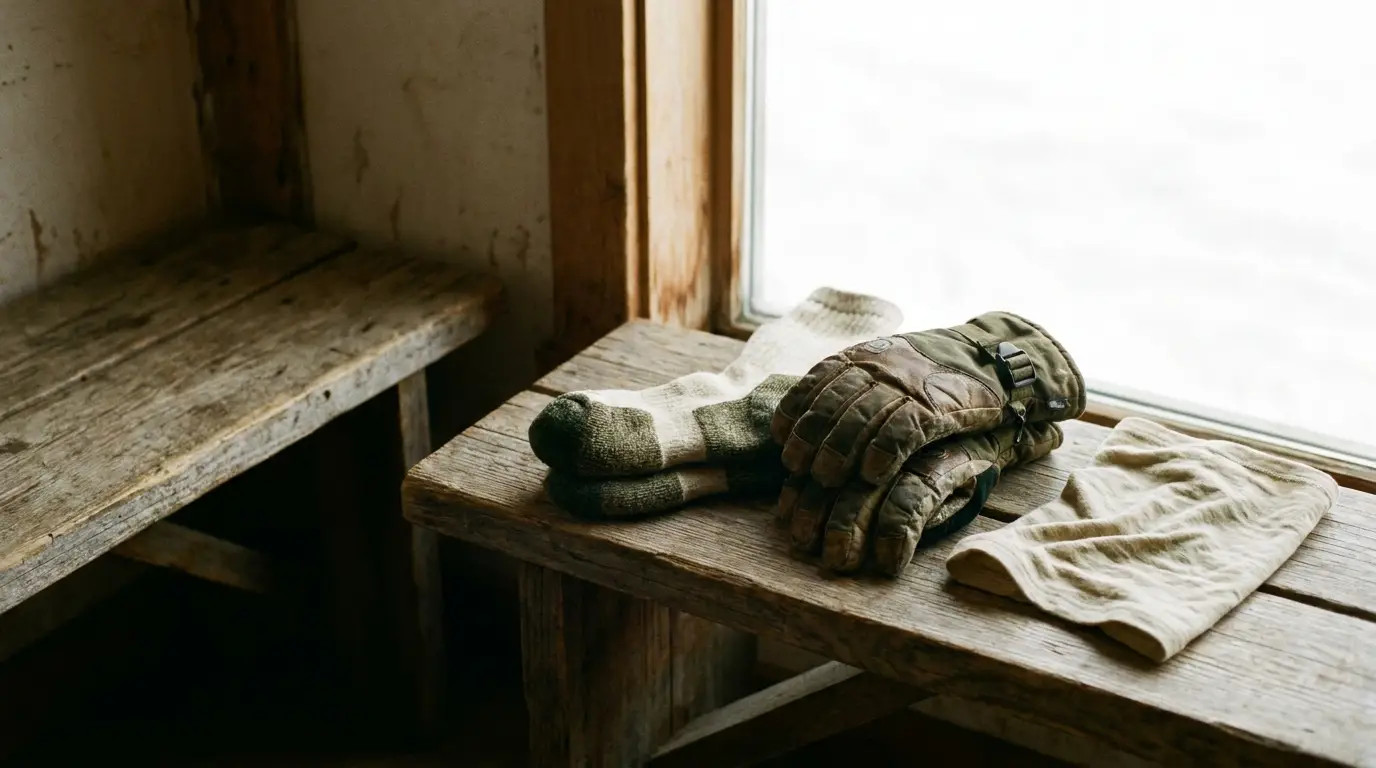
A snowboard and boots may get most of the attention, but clothing can determine whether a day on the mountain lasts six hours or ends after lunch. Start with moisture-wicking base layers rather than cotton, which can hold moisture against the skin. Add an insulating layer and finish with waterproof snow pants and a waterproof or water-resistant jacket designed for winter sports.
Do not overlook your feet. Socks for snowboarding made from Merino wool because the material manages moisture, provides insulation and remains comfortable across changing temperatures can be a smart addition to your gear. Choose snowboard-specific socks that fit smoothly inside your boots rather than stacking multiple pairs, which can create pressure and restrict circulation.
Waterproof gloves or mittens, goggles and a neck gaiter can make changing weather easier to handle. Mountain conditions can shift considerably during a single day, so dressing in layers gives you options without requiring a return to the lodge every time the temperature changes.
Get the Right Equipment
Beginners do not necessarily need to purchase a snowboard immediately. Renting can be the smarter approach while you determine whether you enjoy the sport and learn what equipment feels comfortable. Most mountain rental shops can provide a snowboard, bindings and boots based on your size and experience level.
Boot fit deserves particular attention. Snowboard boots should feel snug without causing painful pressure. Loose boots can make board control harder, while excessively tight footwear can turn an otherwise good day into a countdown until you can take them off.
A helmet should also be part of your setup. Make sure it fits securely and is designed for snow sports. Goggles should work comfortably with the helmet without leaving a large gap across your forehead. Once you have several days of riding behind you, you will have a better idea of what you actually want if you decide to buy your own board and gear.
Make Your First Trip Count
Choose a beginner-friendly mountain and book a lesson instead of relying entirely on a friend who has been snowboarding for years. A skilled rider may know how to snowboard extremely well without knowing how to explain the mechanics to someone starting from scratch.
Give yourself time to practice on beginner terrain before moving to more difficult runs. Learn how to stop confidently, control your speed and recognize trail ratings and mountain signs. Take breaks when fatigue starts affecting your form because tired legs make basic movements harder.
Most importantly, judge your first trip by what you learned rather than how many runs you completed. Snowboarding rewards patience, and those awkward early attempts eventually give way to controlled turns and longer days exploring the mountain. Get the right gear, take a lesson and accept that you may spend some time in the snow. Winter might become a season you actually look forward to.