
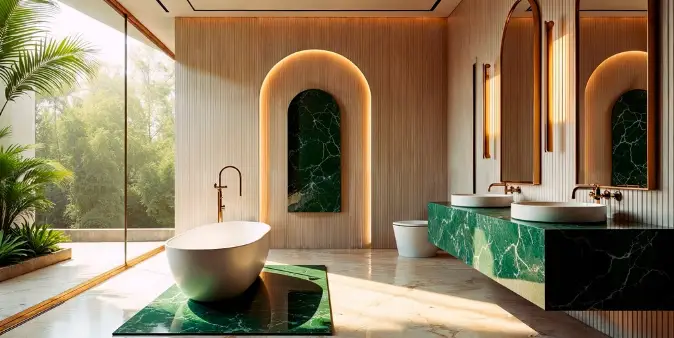
A bathroom is one of the most-used rooms in your home, yet it often gets less attention than kitchens or living spaces. Years ago, bathrooms were designed mainly for function. Today, many homeowners want them to feel comfortable, organized, and visually appealing. The good news is that you don’t always need a complete overhaul to make a noticeable difference.
Whether you’re planning a major renovation or looking for simple improvements, smart updates can help create a space that works better for your daily routine while adding value and personality to your home.
Why Bathrooms Matter
Bathrooms have come a long way from being purely practical spaces. They are now places where you start your morning, unwind after a long day, and enjoy a few quiet moments before facing life’s chaos. Because they are used so often, even small frustrations can become noticeable over time.
Maybe your storage is overflowing, your lighting makes everyone look half asleep, or your layout feels cramped. These everyday annoyances are often what motivate homeowners to consider improvements.
For many households, investing in professional bathroom remodeling services becomes a practical way to improve comfort, functionality, and appearance all at once. Rather than simply replacing old fixtures, remodeling can help create a space that better matches your family’s needs and lifestyle.
A well-designed bathroom isn’t just about looks. It can make daily routines smoother, reduce clutter, and even make mornings feel a little less rushed. That’s a pretty impressive job for a room that mostly sees toothbrushes and towels.
Spot the Right Time
Not every bathroom needs a complete renovation. Sometimes a few updates are enough. The challenge is knowing when your space has moved beyond cosmetic touch-ups and may need more significant attention.
One common sign is outdated fixtures that no longer function efficiently. Leaky faucets, stained tubs, and constantly running toilets can increase water usage and create ongoing frustrations. Storage problems are another clue. If every cabinet feels packed and your countertop resembles a crowded airport terminal, the space may no longer meet your needs.
Poor lighting can also affect how a bathroom feels. A dark room often appears smaller and less inviting. Water damage, mold issues, or cracked flooring deserve even closer attention because they can become expensive problems if ignored.
Think about how you use the space each day. If your bathroom regularly creates inconvenience rather than comfort, it may be time to consider whether a simple refresh or a larger renovation would provide the best long-term solution.
Design for Daily Life
One of the biggest mistakes homeowners make is designing a bathroom around trends rather than daily habits. A beautiful space loses its charm quickly if it doesn’t function well for the people using it.
Before selecting colors or fixtures, think about your routine. Do multiple family members share the bathroom each morning? Do you need extra storage for toiletries, towels, and cleaning supplies? Is accessibility becoming a concern for aging family members?
Practical design choices often deliver the greatest satisfaction. Double sinks can reduce morning traffic jams. Better storage helps keep countertops clear. Walk-in showers may offer greater convenience than large tubs that rarely get used.
It’s also helpful to think ahead. A design that works well today should continue serving your needs for years to come. Prioritizing function doesn’t mean sacrificing style. In fact, the most attractive bathrooms often combine smart layouts with simple design choices that make everyday life easier.
Small Changes Big Impact
Not every improvement requires a contractor, demolition crew, or a dramatic before-and-after reveal. Some of the most effective upgrades are surprisingly simple and budget friendly.
Replacing outdated light fixtures can instantly brighten the room and improve visibility. A new mirror may make the space feel larger while adding character. Fresh paint can completely change the mood of a bathroom without requiring a major investment.
Even small details deserve attention.
- Update cabinet hardware.
- Add better shelving.
- Improve towel storage.
- Replace worn accessories.
Organization also plays a major role. Baskets, drawer dividers, and wall-mounted storage can reduce clutter and create a cleaner appearance.
Many homeowners underestimate the impact of these modest changes. While they may not transform the entire room, they often improve both function and style. Sometimes a bathroom doesn’t need a dramatic makeover. It simply needs a few thoughtful adjustments that help everything work together more effectively.
Choosing Materials Wisely
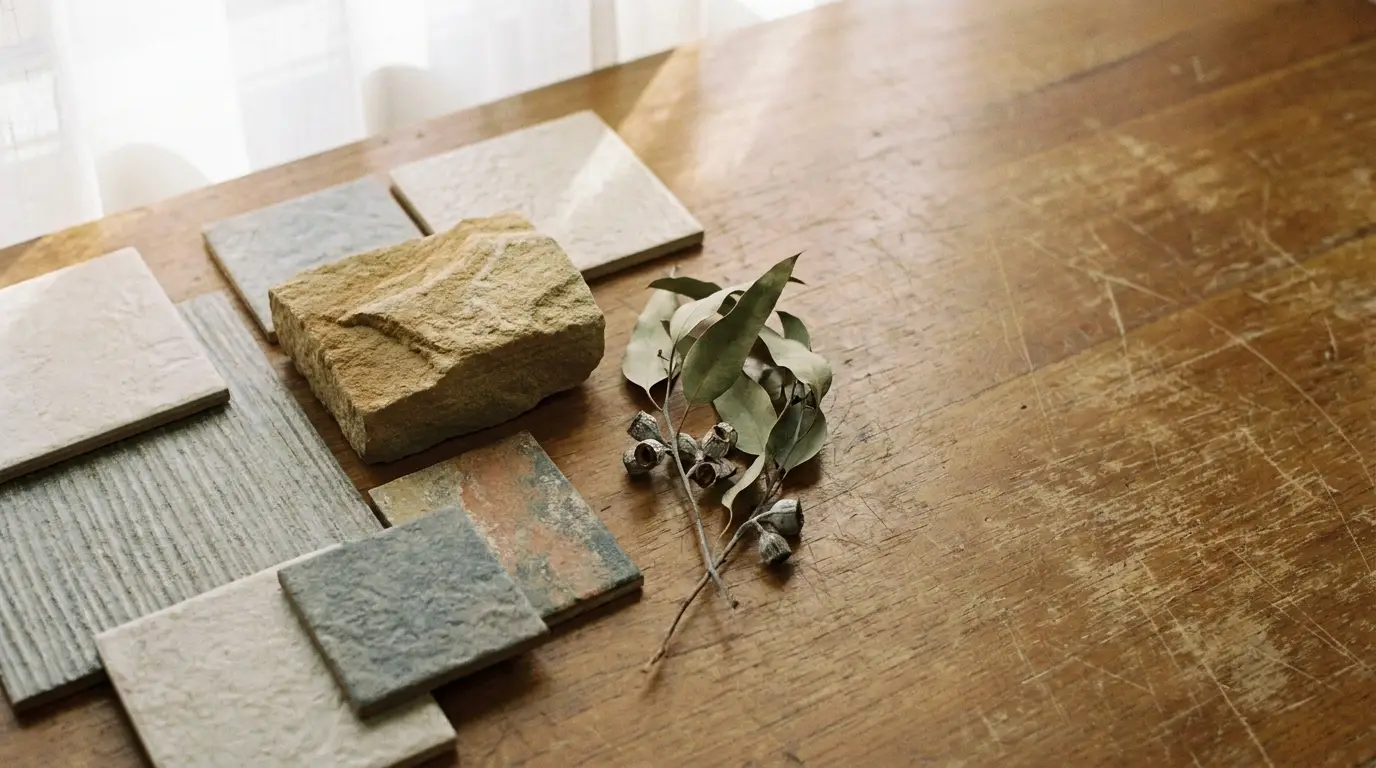
Bathrooms deal with moisture every single day, which makes material selection especially important. Choosing surfaces based only on appearance can lead to frustration later when maintenance becomes a constant battle.
Durability should be one of your top priorities. Flooring must handle water exposure, while countertops should resist stains and wear. Moisture-resistant materials often provide better long-term value even if they cost slightly more upfront.
It’s also worth considering how much maintenance you’re willing to handle. Some materials require regular sealing, special cleaning products, or extra attention. Others are designed for easier upkeep and greater durability.
When evaluating options, ask practical questions. How will the material perform after several years of daily use? Will it still look good with minimal effort? Does it fit your lifestyle?
Trends come and go quickly. A material that balances style, durability, and easy maintenance often delivers more satisfaction than one chosen solely because it’s currently fashionable.
Avoid Common Mistakes
Bathroom renovations can be exciting, but they also present opportunities for costly mistakes. Many problems start during the planning stage rather than during construction.
One frequent issue is underestimating the budget. Unexpected expenses happen more often than people expect. Setting aside a contingency fund helps reduce stress when surprises appear.
Poor storage planning is another common mistake. Homeowners sometimes focus heavily on aesthetics while forgetting practical needs. A beautiful bathroom becomes less enjoyable when everyday items have nowhere to go.
Trend overload can also create problems. Following every popular design idea may result in a space that feels dated sooner than expected. Mixing too many styles often creates visual clutter instead of lasting appeal.
Good planning requires balancing appearance, function, and budget. Taking extra time before making decisions usually pays off later. Renovations move more smoothly when homeowners focus on how the space will actually be used rather than chasing every new trend that appears online.
Inspiration That Lasts
Finding inspiration is one of the most enjoyable parts of any renovation project. Photos, magazines, home tours, and design websites can help you discover ideas that match your style and goals.
The key is gathering inspiration without feeling pressured to copy every trend. Timeless design choices often remain attractive far longer than highly specific styles that may feel outdated within a few years.
When exploring ideas, focus on features that improve both appearance and functionality. Notice layouts, storage solutions, lighting choices, and material combinations. These details often have a greater impact than decorative accessories alone.
Browsing sources of interior design inspiration can help you identify elements that fit your personal taste while exposing you to fresh ideas you may not have considered.
At the end of the day, the best bathroom is not the one that looks exactly like a magazine photo. It’s the one that makes your daily routine easier, feels comfortable to use, and reflects your lifestyle. A thoughtful design can continue delivering value and enjoyment long after the renovation is complete.