


The furniture retail industry typically relies on broad diversification to maintain profitability. Showrooms are carefully curated to display a wide array of aesthetics, transitioning seamlessly from rustic farmhouse dining sets to ultra-contemporary modular seating. This eclectic approach minimizes risk by ensuring that a single retail space can capture the diverse aesthetic preferences of a vast consumer base. Focusing exclusively on a single design movement is widely considered a precarious business model that artificially limits a store’s target market.
Mid-century modern furniture, however, consistently defies this established retail logic. Characterized by clean lines, organic curves, and an emphasis on functionality, this specific aesthetic originated between the mid-1930s and the mid-1960s. Today, it stands as one of the few, if not the only, design categories that can independently sustain a dedicated retail enterprise. In fact, market analysis indicates that online searches for “mid-century modern” have grown by over 400% in the last decade, far outpacing other design styles.
Understanding the unique commercial viability of mid-century modern design requires an analysis of consumer behavior, urban real estate trends, and the intrinsic qualities of the furniture itself. Retailers who successfully adopt an exclusive mid-century modern inventory benefit from streamlined operations, highly targeted marketing, and a fiercely loyal customer base.
The sustained demand for this specific style offers a compelling case study in niche retail strategy. By examining the underlying factors that drive this demand, furniture retailers and real estate professionals can better understand how specific design movements intersect with modern market economics to create highly profitable, specialized business opportunities.
The Economics of Single-Style Retail
Operating a furniture showroom dedicated to a single aesthetic offers distinct operational advantages. While the risk of alienating certain consumer segments exists, the benefits of specialized inventory management often outweigh these concerns for mid-century modern retailers.
Streamlined Inventory Management
General furniture retailers must navigate the complexities of sourcing, storing, and marketing a disparate range of products. This requires relationships with numerous manufacturers and a massive warehouse footprint to accommodate varying inventory turnover rates.
An exclusive mid-century modern retailer operates with a highly focused supply chain. Buyers can cultivate deep relationships with a select group of specialized manufacturers or vintage dealers. This focus allows for better negotiation of wholesale prices, reduced shipping complexities, and a more cohesive visual merchandising strategy on the showroom floor. The predictability of the inventory also simplifies logistical operations, reducing the overhead costs associated with managing a sprawling, multi-style product line.
Targeted Marketing and Brand Authority
Marketing a general furniture store often requires broad, generalized campaigns that struggle to capture consumer attention. By contrast, a retailer specializing exclusively in mid-century modern design immediately establishes a clear, authoritative brand identity.
Consumers actively searching for mid-century modern pieces are highly motivated and specific in their purchasing intent. Retailers can deploy highly targeted digital marketing strategies to capture this specific search traffic. By positioning the store as a definitive authority on a single aesthetic, the business builds trust and credibility. Customers view the retailer not merely as a vendor, but as an expert curator, leading to higher conversion rates and increased brand loyalty.
Architectural Compatibility and Real Estate Trends
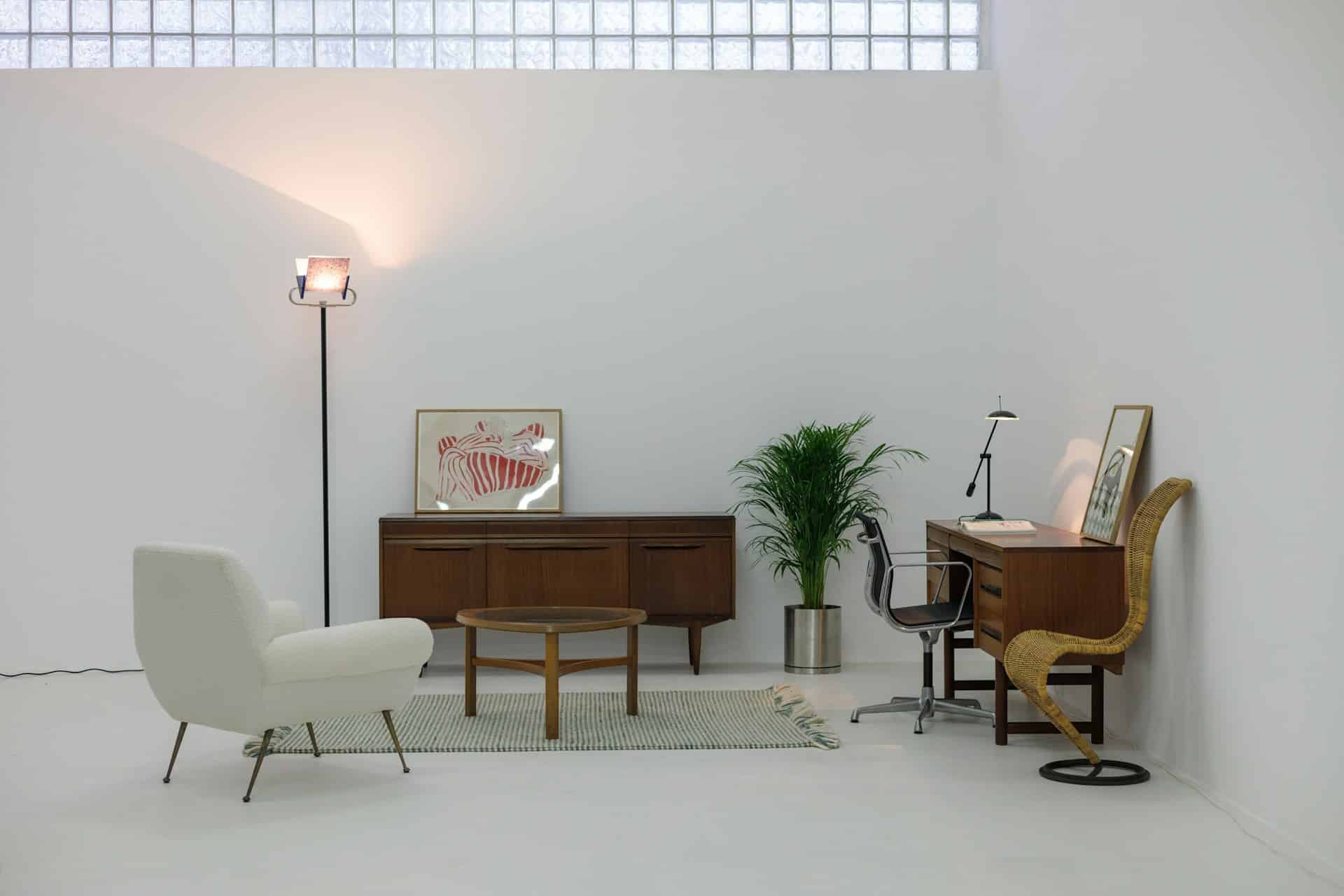
The enduring success of mid-century modern retail is inextricably linked to modern real estate trends. The architectural realities of contemporary urban living strongly favor the specific proportions and visual weight of this design style.
Scaling Down for Modern Footprints
As urban populations increase, residential square footage is steadily decreasing. The average size of a new single-family home has shrunk by nearly 10% in the last five years. Modern apartments and townhomes demand furniture that maximizes space without sacrificing functionality. Traditional furniture styles, such as heavy Victorian pieces or overstuffed transitional seating, easily overwhelm compact living areas.
Mid-century modern furniture was intentionally designed to be visually light. Elevated pieces with tapered legs create a sense of open space by allowing the floor to remain visible beneath the furniture. The streamlined silhouettes and lack of excessive ornamentation prevent rooms from feeling cluttered. Furniture retailers capitalize on this reality, offering mid-century modern designs as the optimal aesthetic solution for the spatial constraints of modern urban real estate.
Neutral Foundations and Open Floor Plans
Contemporary residential architecture heavily favors open floor plans, which require a cohesive visual flow between distinct living areas. Mid-century modern furniture excels in these environments.
The aesthetic relies heavily on neutral palettes, natural wood grains, and organic materials. These elements allow the furniture to serve as an unobtrusive foundation that unifies different zones within an open floor plan. A mid-century modern dining set seamlessly transitions into a living area anchored by a low-profile sofa from the same era. Retailers can market these pieces as versatile investments that adapt effortlessly to various architectural layouts.
Cross-Generational Consumer Appeal
The profitability of an exclusive mid-century modern showroom relies on a broad demographic base. Unlike passing design trends that appeal primarily to a single age group, this aesthetic maintains a firm hold on multiple generations of consumers with high purchasing power.
Nostalgia Meets Contemporary Tastes
For older generations, mid-century modern design evokes a sense of nostalgia for a period defined by optimism and technological advancement. These consumers often possess the disposable income required to purchase authentic, high-end vintage pieces or premium reproductions.
Simultaneously, younger demographics are drawn to the minimalist aspects of the design. A recent survey revealed that 62% of millennial homeowners prefer minimalist or mid-century modern aesthetics for their interiors. Millennials and Generation Z consumers frequently prioritize sustainability and timelessness over fast-fashion furniture. The clean aesthetic of mid-century modern design aligns perfectly with contemporary minimalist lifestyles, providing retail businesses with a steady influx of younger buyers entering their prime purchasing years.
The Standard of Quality and Craftsmanship
Consumers across all demographics are increasingly rejecting disposable, low-quality goods. Mid-century modern design is historically rooted in the thoughtful integration of high-quality materials and exceptional craftsmanship. The use of solid teak, walnut, and durable textiles signals a commitment to longevity.
Retailers who specialize in this style benefit from the perception of high value. Consumers are generally willing to pay a premium for furniture they believe will withstand decades of daily use. This willingness to invest in quality allows mid-century modern retailers to maintain healthy profit margins, often 15-20% higher than those selling mass-market furniture, even when operating within a strictly defined aesthetic niche.
Capitalizing on the Mid-Century Modern Advantage
The decision to focus a retail business exclusively on mid-century modern design is backed by solid market fundamentals. By aligning inventory with the spatial realities of modern real estate and the enduring preferences of a cross-generational consumer base, furniture stores can achieve a level of specialization that is rarely viable in the broader retail market.
Retailers seeking to implement this strategy must focus on stringent curation, ensuring that every piece on the showroom floor reflects the authentic principles of the mid-century movement. When executed with precision and authority, this specialized approach transforms a narrow aesthetic focus into a highly profitable, sustainable business model.