
Summer is hard on your feet, possibly more than you might realize. Whether you spent the warmer months in sandals by the pool, logging miles on trails, or putting in long days on a job site, the heat, friction, and exposure add up in ways that aren’t always immediately apparent.
But by the time fall arrives, your feet are showing visible signs of that wear: dry patches, cracked heels, and calluses that slowly appeared over months. Now, it’s time to take stock and reset.
A fall foot reset doesn’t have to be complicated. It’s less about following an elaborate regimen and more about understanding what your feet need. For instance, a targeted cream for callused feet, applied regularly, is often enough to make a real difference.
Why Fall Is a Good Time to Focus on Foot Care
Whether you work outside or spend most of your summer in sandals, fall is the perfect time to focus on caring for your feet.
Consider Your Job
For anyone who works outside, in construction, landscaping, or food service, summer puts serious stress on feet. Heat and sweat build up inside work boots and sneakers for hours at a time.
That combination of moisture and friction, repeated day after day, drives callus formation. The skin responds to ongoing pressure by thickening. It can become uncomfortable and difficult to manage without the right approach.
Consider Your Footwear
Sandals and similar footwear expose the heel and sole to the sun, hot pavement, and dry air. Bare feet at the pool or beach deal with friction from rough surfaces. Cracked heels and calluses can end up forming as a result.
A callus cream for feet becomes much more useful once you understand that these aren’t random skin issues. They’re predictable responses to specific conditions.
Start Your Reset Routine with a Foot Soak
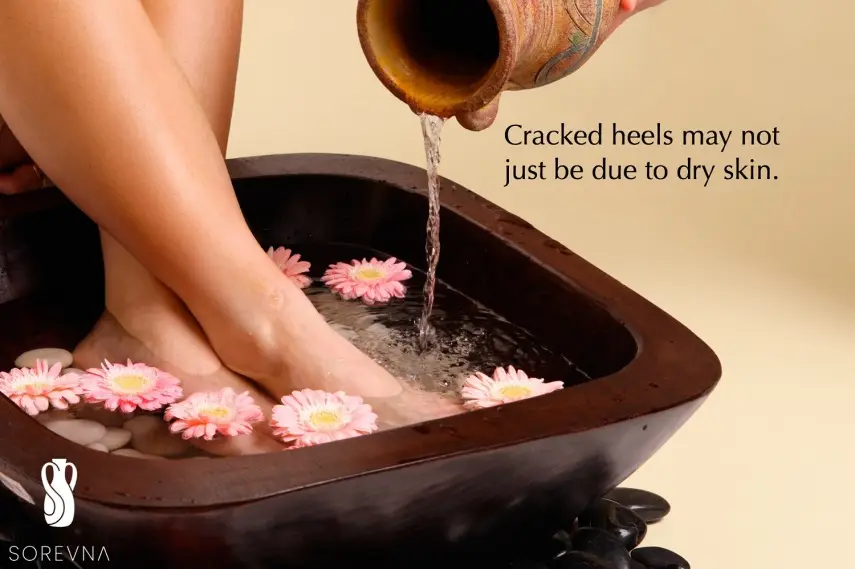
Before applying any product, softening the skin first can be helpful. A 10- to 15-minute foot soak in a warm bath can soften the outer layers of skin and make callused areas more receptive to a targeted cream for callused feet.
Adding a few drops of essential oils like tea tree or lavender turns a basic soak into a more soothing experience while supporting your feet.
After the soak, while the skin is still soft, you have a couple of options, both of which revolve around exfoliation.
A Closer Look at Exfoliation and How It Helps Transform Your Feet
There are two main approaches to softening the appearance of callused skin, and they work in very different ways. But they both have their advantages and can be used together to a degree.
Physical Exfoliation
Physical exfoliation mechanically removes surface-level dead skin using tools like pumice stones, foot files, and scrubs. These methods deliver visible results and can work well as a weekly step.
While it can be an effective method, this approach doesn’t address the root cause of the dry skin or calluses, and over time, these concerns may return. It’s also a bit easier to “overdo it” and irritate the skin.
Enzymatic Exfoliation
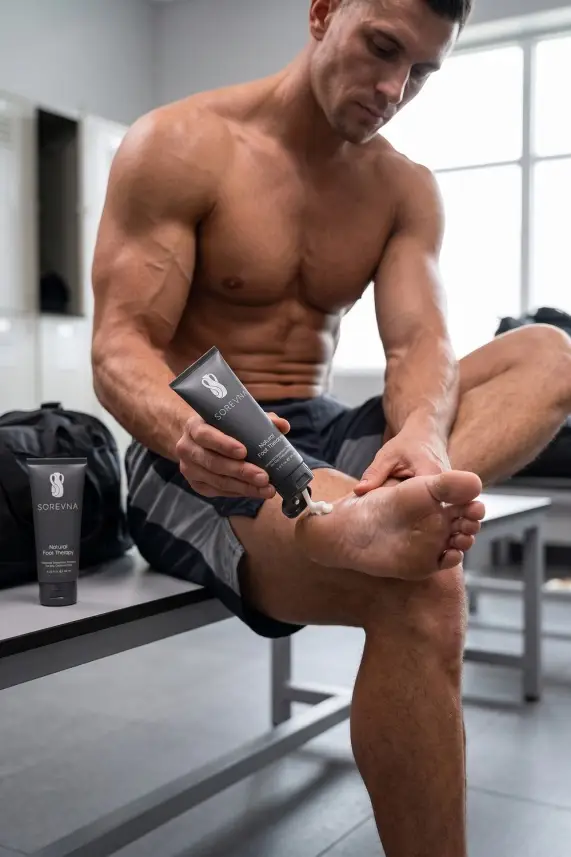
This type of exfoliation works at a deeper level. Natural ingredients like urea, at higher concentrations, can help break down dead skin without scrubbing or scraping, allowing softening to occur from within the top layers of skin.
A lotion for callused feet formulated for enzymatic action also works well as a daily step rather than a weekly habit, which can mean more consistent results over time. And because urea-based creams work deeper, they can help deliver results that last over time.
The most thoughtfully created urea-based creams are also formulated to be gentle. This lessens the chance of them irritating your skin, which is especially important when you’re applying them directly to already sensitive or irritated patches.
How to Incorporate Different Approaches to Foot Care
Physical and enzymatic exfoliation processes can be used together. It comes down to building a routine around both. Here’s a quick breakdown of what that can look like.
|
Approach |
How It Works |
Best For |
Recommended Frequency |
|
Enzymatic exfoliation (urea cream) |
Breaks down dead skin without scrubbing |
Persistent calluses, deep dryness |
Daily |
|
Physical exfoliation (pumice stone) |
Manually removes surface dead skin |
Initial smoothing, surface texture |
Weekly |
|
Ongoing maintenance |
Consistent daily cream application |
Long-term softness and care |
Daily |
How to Maintain Results
To that last point, once you achieve results, you want to keep them! This is where an ongoing daily maintenance foot cream enters your routine. A daily maintenance foot cream made with many of the same ingredients as your callus foot cream can help you keep your results through the fall and beyond. Just remember that consistency is key!
Exfoliation Is Important, and So Is Hydration
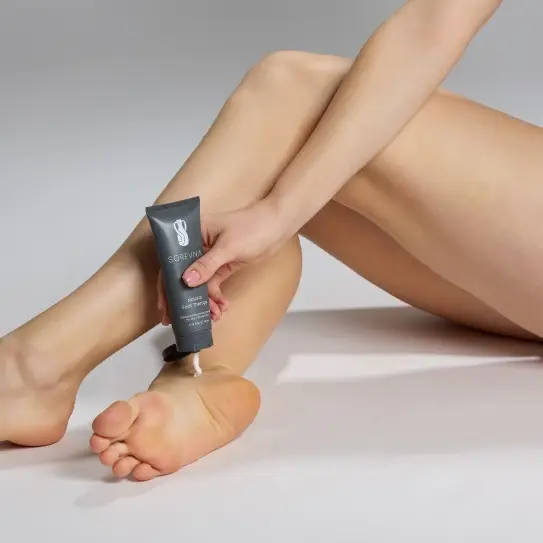
Once exfoliation is handled, hydration becomes the priority. Do you need another product to handle hydration? Not at all! The very same advanced cream for callused feet you rely on for enzymatic exfoliation can provide crucial hydration.
It all comes back to the ingredients in the cream. Urea exfoliates. It also draws in moisture to the tissue. But urea doesn’t work alone. This is where a moisturizer for calluses, also made with ceramides, can make a real difference.
Ceramides help support the skin’s natural moisture barrier, which summer conditions can often compromise. They are lipids that work with fatty acids and cholesterol, the building blocks that bind healthy skin cells together. This “binding” forms the moisture barrier. When the moisture barrier is supported, it helps to lock in the hydration pulled in by urea and other hydrating ingredients.
This is also where a targeted callus foot cream can outperform a standard body lotion. Regular moisturizers add surface hydration but aren’t formulated for the specific needs of thicker foot skin or concerns like cracked heels or calluses.
Your Fall Foot Care Reset: Done!
That’s really all there is to it! Start with a foot bath (make it a weekly habit) to kick things off, then apply an intensive foot callus lotion every day. Work in a weekly pumice stone session, and it won’t be long until your dry, callused summer feet become soft, smooth fall feet!
Your Foot Care Questions Answered
How Long Does It Take a Callus Cream to Show Results?
It doesn’t have to take long with consistent use. But it depends on the severity of the calluses and how consistent you are in applying a high-quality callus cream. Many people notice softer, smoother skin within a few days of daily use. Thicker, deeper calluses may take a couple of weeks of regular use. Pairing a callus cream with regular physical exfoliation can help speed up the process.
Do I Need to Use Physical Exfoliation to See Results with My Callus Foot Cream?
Not necessarily, but adding a pumice stone to your routine is helpful. Again, it’s a way to manually remove dead skin and encourage quicker results. However, if you prefer to skip the physical exfoliation step, as it may lead to skin irritation if you’re not gentle enough or do it too frequently, you can.
What Makes a Callus Cream for Feet Different from Regular Lotions?
The difference comes down to ingredients, namely the addition of urea. A urea-based callus cream for feet addresses calluses directly. Many conventional body or foot lotions don’t contain urea at all. Additionally, a callus cream is specially formulated to take on foot issues at a deeper level than a typical lotion. Some of the best are even doctor-formulated to help encourage visible results.
About SOREVNA
SOREVNA is a doctor-formulated skincare brand founded by Dr. J. Adrian Wright, a foot and ankle specialist who created each formula after recognizing a real gap in effective foot care. The brand’s Natural Foot Therapy Cream and Natural Daily Foot Maintenance Cream are crafted with urea, ceramides, calendula, and allantoin to help visibly address common foot issues such as calluses, cracked heels, and dry skin. SOREVNA products are Leaping Bunny Certified cruelty-free and made without synthetic preservatives.
Explore SOREVNA’s full line of doctor-formulated skincare creams at https://www.sorevna.com/