
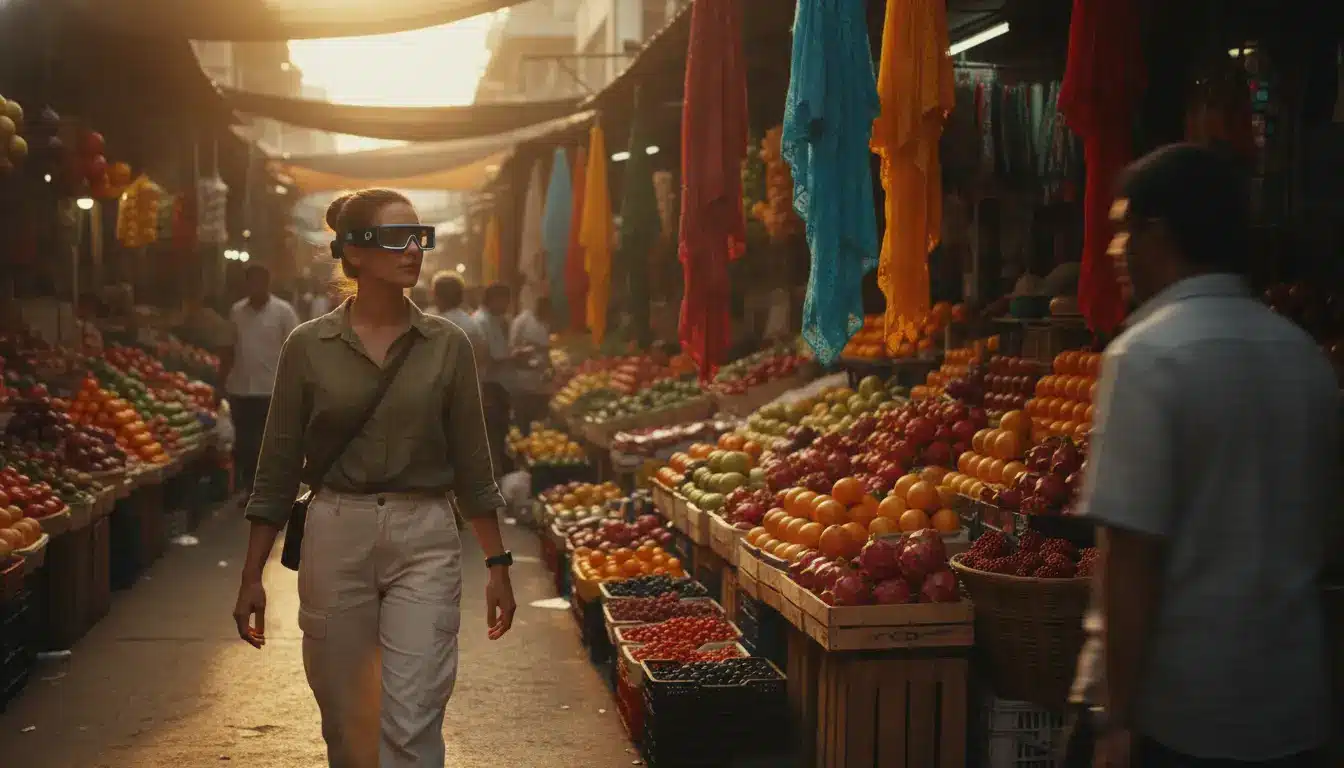
Digital storytelling has become faster, more personal, and more immersive. People no longer only want polished videos shot from a distance. They want to feel like they are inside the experience: walking through the market, entering the stadium, riding the trail, cooking the meal, or exploring the city with the creator.
That shift is helping wearable cameras gain attention. Instead of asking creators to stop, hold a phone, set up a tripod, or mount a camera, wearable devices make it easier to capture life as it happens. They support a style of storytelling that feels immediate, natural, and close to the viewer.
For creators, travelers, and brands, this is changing how everyday moments become digital stories.
Why First-Person Content Feels So Engaging
First-person content works because it places the audience inside the scene. The viewer is not only watching what happened. They are seeing it from the creator’s perspective.
This is especially powerful for short-form video. A quick point-of-view clip can communicate movement, emotion, and atmosphere faster than a long explanation. A travel creator can show the feeling of walking through a narrow street. A fitness creator can capture the rhythm of a workout. A food creator can record the process of choosing ingredients or plating a meal.
The format feels personal because it follows the creator’s line of sight. It also feels less staged, which matters in a media environment where audiences often respond to authenticity.
Pew Research Center reports that YouTube remains the most widely used social platform among U.S. adults, while platforms such as TikTok and Instagram continue to play major roles in visual culture. That constant demand for video helps explain why creators are looking for faster, more natural capture tools.
Wearable Cameras Capture Spontaneous Moments
Many strong stories begin unexpectedly. A street performer starts playing. A child reacts to a view. A chef explains something while cooking. A traveler turns a corner and sees a scene worth saving.
Traditional cameras can capture those moments, but only if the device is already ready. Phones are convenient, but even they require a pause: reach, unlock, open the camera, frame, and record. By then, the moment may have changed.
Wearable cameras reduce that delay. Because the device is already worn, creators can capture short clips or photos more quickly. The result often feels closer to real life because the creator stays involved in the moment instead of stepping outside it.
This is useful for storytelling because small, spontaneous details often make content more memorable.
Hands-Free Recording Helps Creators Stay Active
Hands-free recording is especially helpful when the story involves movement. Travel, sports, cooking, events, family outings, shopping trips, and behind-the-scenes work all involve action. Holding a phone can make those moments harder to capture naturally.
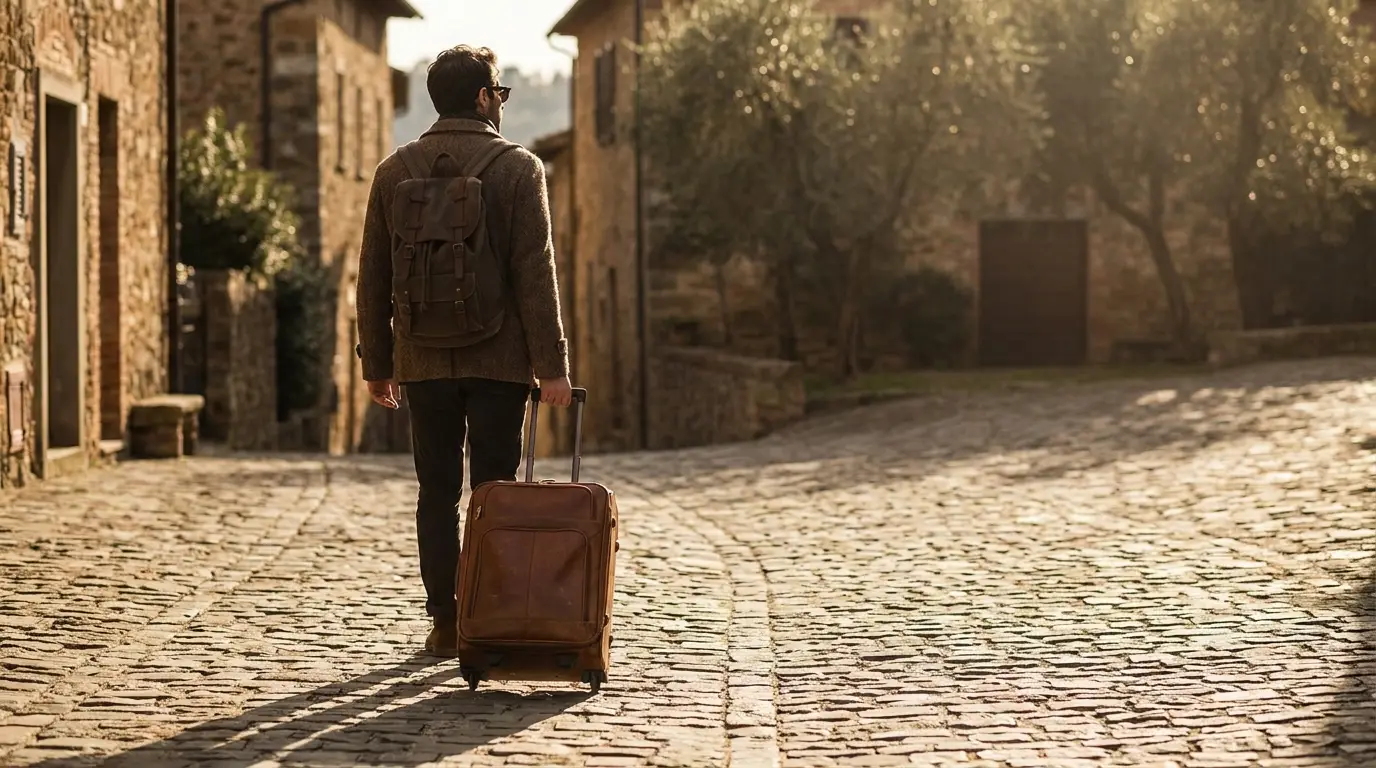
Wearable cameras allow creators to keep their hands free while recording from their own point of view. That creates more flexible content. A travel creator can carry luggage while capturing an airport arrival. A cyclist can record a route. A stylist can document a store visit. A parent can film a family moment without becoming the person standing behind the phone.
This does not make phones or traditional cameras unnecessary. They are still better for controlled shots, editing, close-ups, and polished production. Wearable cameras simply add another layer: quick, immersive capture from inside the experience.
Social Content Is Becoming More Immediate
Social media has trained audiences to expect content that feels timely. A creator does not always need a full production setup to make something valuable. Sometimes, a short clip from the right perspective is enough.
That is where wearable technology fits naturally. It supports content that feels current, casual, and direct. A creator can document the start of a trip, a live event, a product test, a daily routine, or a creative process without waiting for a planned shoot.
The Reuters Institute has predicted that the creator economy will continue to surge, helped by investment from video platforms and streamers. As that space grows, creators will need tools that help them produce content faster while still keeping it human.
Wearable cameras meet that need by making capture easier during ordinary activity.
Why Travelers Are Adopting Wearable Cameras
Travel is one of the clearest use cases for wearable storytelling. Trips are full of motion, atmosphere, and first impressions. Wearable cameras make it easier to document those moments without stopping every few minutes.
A traveler can capture walking into a hotel, exploring a market, hiking to a viewpoint, riding a train, or seeing a landmark for the first time. The footage feels immersive because it follows the traveler’s own perspective.
This is useful for both personal memories and public content. A creator can turn first-person travel clips into reels, vlogs, reviews, guides, or behind-the-scenes posts. A casual traveler can simply save memories in a way that feels closer to the experience.
The value is convenience. Less setup means more time enjoying the place.
What Creators Should Consider Before Buying
Wearable cameras are useful, but not every device will fit every creator’s workflow. Before choosing one, creators should think about how they plan to use it.
Battery life matters for long travel days or events. Audio quality matters for narration, reactions, and environmental sound. Camera placement matters because point-of-view footage needs to feel natural. Comfort matters because a wearable device only works if people actually want to wear it.
Style can also matter, especially for smart eyewear. Creators who plan to appear in public, travel often, or film lifestyle content may prefer a device that does not look overly technical.
That is why someone looking to shop Ray-Ban Meta AI glasses for content creation should think beyond the camera alone. The real question is whether the device fits the way they move, film, travel, and create.
Wearable Cameras Are Not a Full Replacement
Wearable cameras are powerful storytelling tools, but they are not complete production systems. Smartphones still offer stronger editing, framing, app control, and publishing features. Professional cameras still matter for high-resolution shoots, commercial projects, and controlled visuals.
The best use of wearable cameras is selective. They are ideal for movement, first-person perspective, quick capture, behind-the-scenes clips, and spontaneous moments. They are less ideal when a creator needs precise composition, long recording sessions, or highly polished footage.
Used well, wearable cameras complement the rest of a creator’s toolkit.
Final Thoughts
Wearable cameras are rising because digital storytelling is becoming more immediate, personal, and immersive. First-person content helps audiences feel closer to the experience, while hands-free recording allows creators and travelers to capture moments without constantly holding a phone.
For creators, the opportunity is practical. Wearable cameras can save spontaneous clips, support more natural storytelling, and add a fresh perspective to social content. They will not replace every camera or phone, but they can make everyday storytelling feel more alive.
As social content keeps evolving, the most useful tools will be the ones that help creators stay present while still capturing the moments worth sharing.