
The pursuit of radiant, youthful skin has never been more accessible. Walk into any beauty aisle or scroll through skincare feeds, and you’ll find countless products promising transformation. But beneath the marketing language, there’s real science at work. Modern beauty technology has moved beyond simple creams and serums, introducing tools that work at a cellular level to address everything from fine lines to stubborn breakouts. Understanding how these innovations actually work can help you make smarter choices about what belongs in your skincare routine.
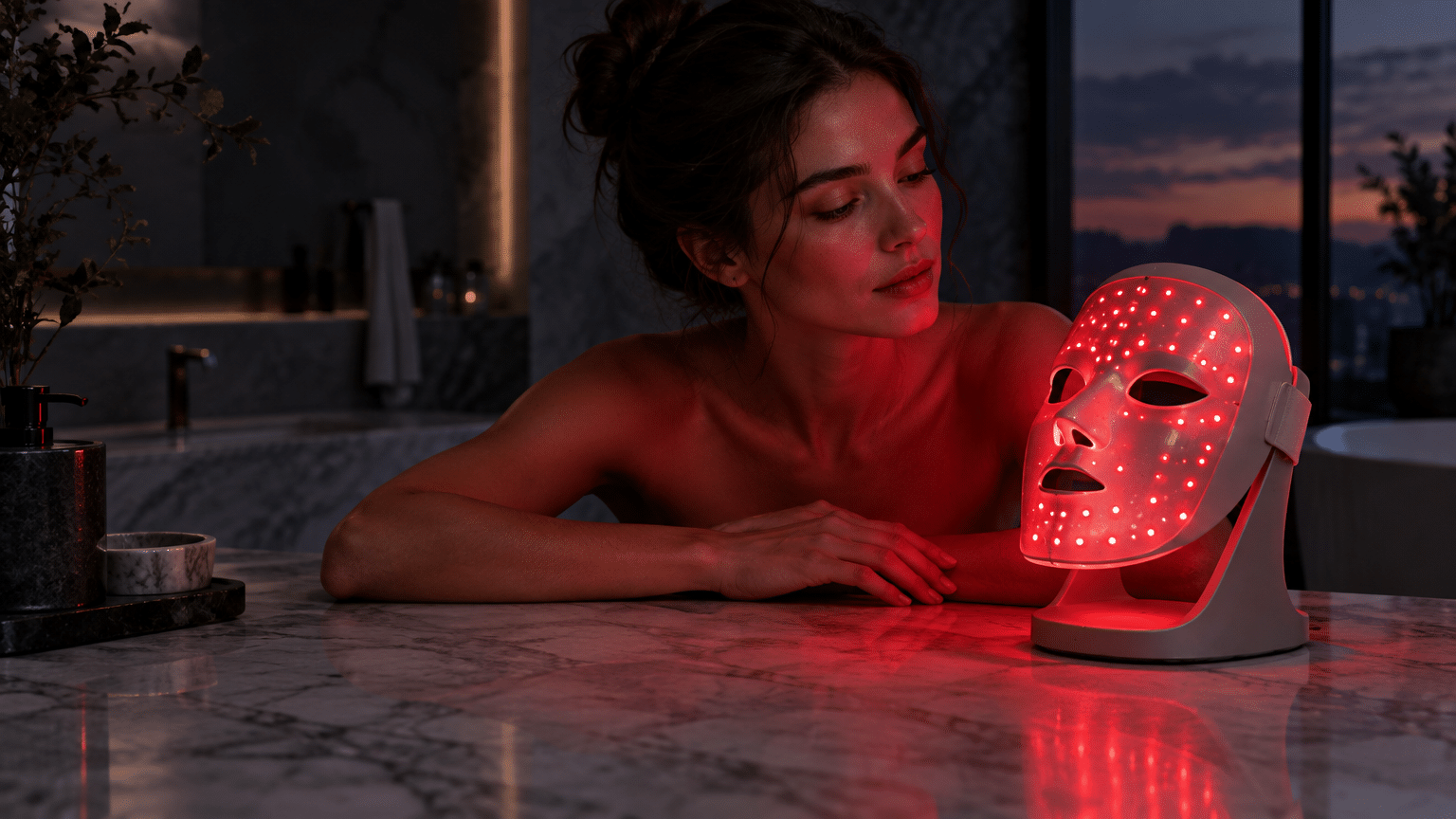
One category gaining serious traction is light-based skincare technology. These devices harness specific wavelengths of light to stimulate skin cells, and the results have caught the attention of dermatologists and beauty enthusiasts alike. Whether you’re dealing with aging concerns, acne, or just want to maintain that coveted glow, light therapy offers a non-invasive option that fits into a normal routine. Tools like LED light therapy masks represent how accessible this technology has become for at-home use.
How Light Therapy Actually Works on Your Skin
Light therapy isn’t new, but its application in consumer skincare is relatively recent. The technology works by emitting specific wavelengths of light that penetrate the skin at different depths. Red light, typically in the 600 to 700 nanometer range, reaches the deeper layers of skin and is believed to stimulate collagen production and improve circulation. Blue light, around 400 to 500 nanometers, works closer to the surface and targets bacteria associated with acne.
When light energy reaches your skin cells, it energizes mitochondria, the powerhouses of your cells. This boost in cellular energy can trigger a cascade of beneficial responses: increased collagen synthesis, reduced inflammation, and improved skin barrier function. The process is cumulative, which is why consistency matters more than intensity.
The beauty of this approach is that it’s non-invasive. Unlike laser treatments or chemical peels, light therapy doesn’t damage the skin’s surface. Your skin doesn’t need recovery time, and you’re not dealing with peeling or sensitivity afterward. This makes it ideal for people with sensitive skin or those who want to maintain their routine without disruption.
The Different Colors and What They Target
Light therapy devices typically use different colored lights, each with its own purpose. Understanding these distinctions helps you choose the right tool for your specific concerns.
Red light is the workhorse for anti-aging. It penetrates deeper into the dermis, where collagen lives, and encourages your skin to produce more of it. If fine lines, loss of elasticity, or general dullness is your concern, red light is your ally. Many people notice improved skin texture and a more luminous complexion after consistent use.
Blue light takes aim at acne-causing bacteria. It’s particularly effective for active breakouts and oily, congestion-prone skin. Some devices combine red and blue light to address both aging and acne simultaneously, making them versatile for mixed skin types or combination concerns.
Near-infrared light penetrates even deeper than red light and is often used for more intensive anti-aging work. It can help with deeper wrinkles and more significant collagen depletion, though it’s less common in consumer devices than red and blue options.
Green light has gained attention for its calming properties and ability to reduce redness and inflammation. It’s gentler than other wavelengths and works well for sensitive or reactive skin types.
Building Light Therapy Into Your Routine
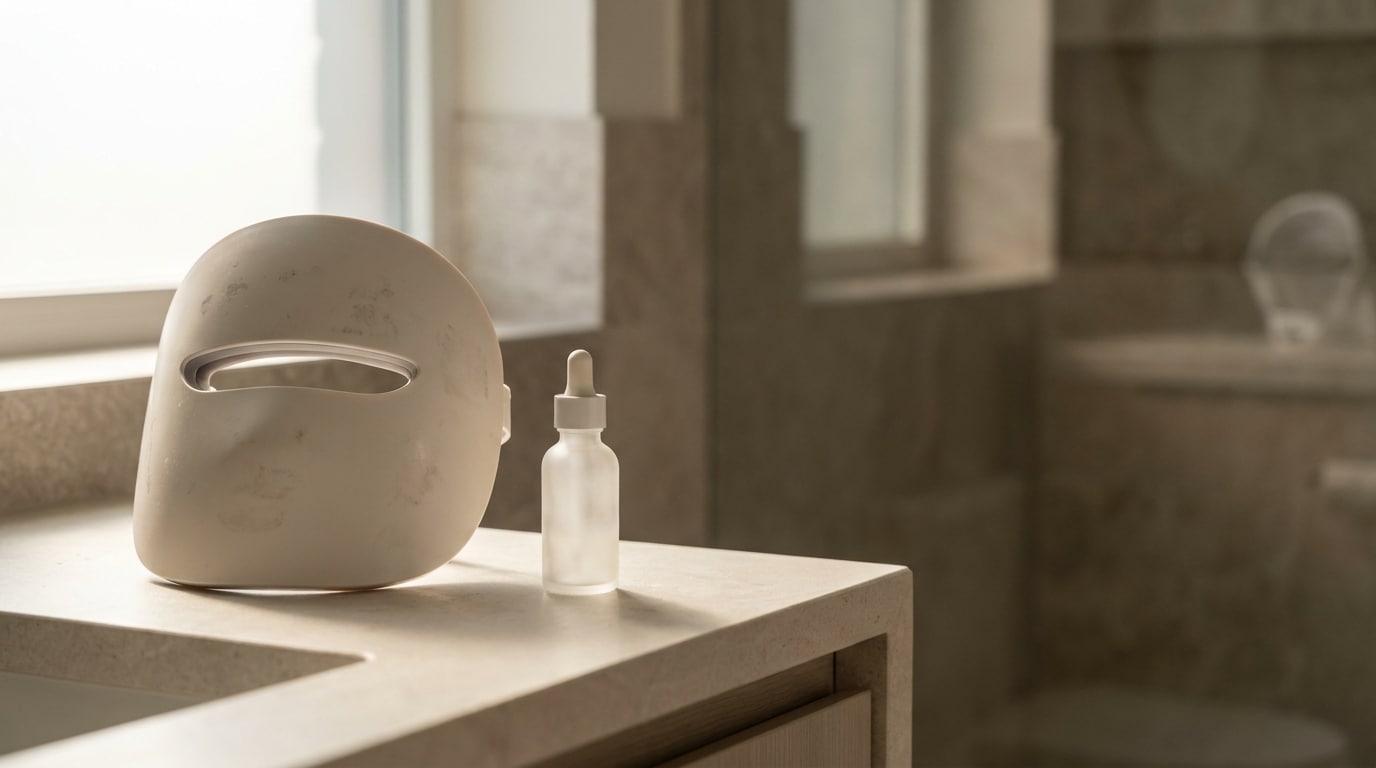
Starting with light therapy doesn’t require overhauling your entire skincare regimen. Most devices are designed to complement what you’re already doing, not replace it.
Begin with a clean face. Wash away makeup, sunscreen, and daily grime so the light can work effectively. Pat your skin dry, but don’t worry about it being bone dry; slightly damp skin is fine. If you use serums or treatments, apply them first, then use your light therapy device. The light will help drive those products deeper into your skin.
Consistency is key. Most people see noticeable results after four to six weeks of regular use, though some notice improvements sooner. Start with two to three sessions per week and adjust based on how your skin responds. If you have sensitive skin, begin with shorter sessions and work your way up to the recommended time.
Here’s what a realistic timeline looks like:
- Week 1-2: Your skin may feel slightly more hydrated and look a bit brighter
- Week 3-4: Fine lines may appear softer, and acne-prone areas may show less inflammation
- Week 5-6: More noticeable improvements in skin texture and tone
- Week 8 and beyond: Cumulative benefits become more pronounced
Don’t expect overnight miracles. Light therapy works gradually, building results over time. This is actually a good thing, because it means changes are sustainable and your skin adapts well to the treatment.
Who Benefits Most From Light Therapy
Light therapy isn’t a one-size-fits-all solution, but it does work well for a wide range of skin types and concerns. People dealing with acne, whether hormonal or bacterial, often see significant improvement. The anti-inflammatory properties help reduce redness and swelling, while blue light targets the bacteria driving breakouts.
If aging is your primary concern, red light therapy can help address fine lines, loss of firmness, and dullness. It’s particularly effective for people who want to support their skincare routine without invasive procedures.
Those with sensitive skin often appreciate light therapy because it’s gentle and doesn’t involve harsh chemicals or physical exfoliation. There’s no irritation, no downtime, and no risk of damaging your skin barrier.
Even people with relatively clear skin use light therapy as preventative maintenance. Consistent use can help maintain collagen levels, keep skin looking radiant, and slow visible signs of aging.
Combining Light Therapy With Other Skincare Practices
Light therapy works best as part of a comprehensive approach to skin health. It’s not a substitute for sunscreen, a good cleanser, or hydrating products, but rather a powerful addition to your existing routine.
Sunscreen remains non-negotiable. Light therapy devices emit therapeutic wavelengths, but daily UV protection is still essential for preventing sun damage and premature aging. Use a broad-spectrum SPF 30 or higher every single day, regardless of whether you’re using light therapy.
Hydration matters too. Light therapy can stimulate collagen production, but your skin needs adequate moisture to function optimally. Use a hydrating serum or moisturizer suited to your skin type. Hyaluronic acid, glycerin, and peptides are all excellent ingredients that pair well with light therapy.
Gentle cleansing sets the foundation. You can’t get the benefits of light therapy if your skin is covered in makeup or sunscreen. Use a cleanser that removes impurities without stripping your skin, then follow with your light therapy device.
Conclusion
Light therapy represents a meaningful shift in how we approach skincare at home. It’s backed by science, accessible, and effective for a wide range of concerns. Whether you’re tackling acne, fine lines, or just want to maintain healthy, glowing skin, understanding how this technology works empowers you to make informed decisions about your routine. The key is consistency, realistic expectations, and treating it as one component of a holistic approach to skin health. Start slow, pay attention to how your skin responds, and adjust from there. Your skin will thank you.