

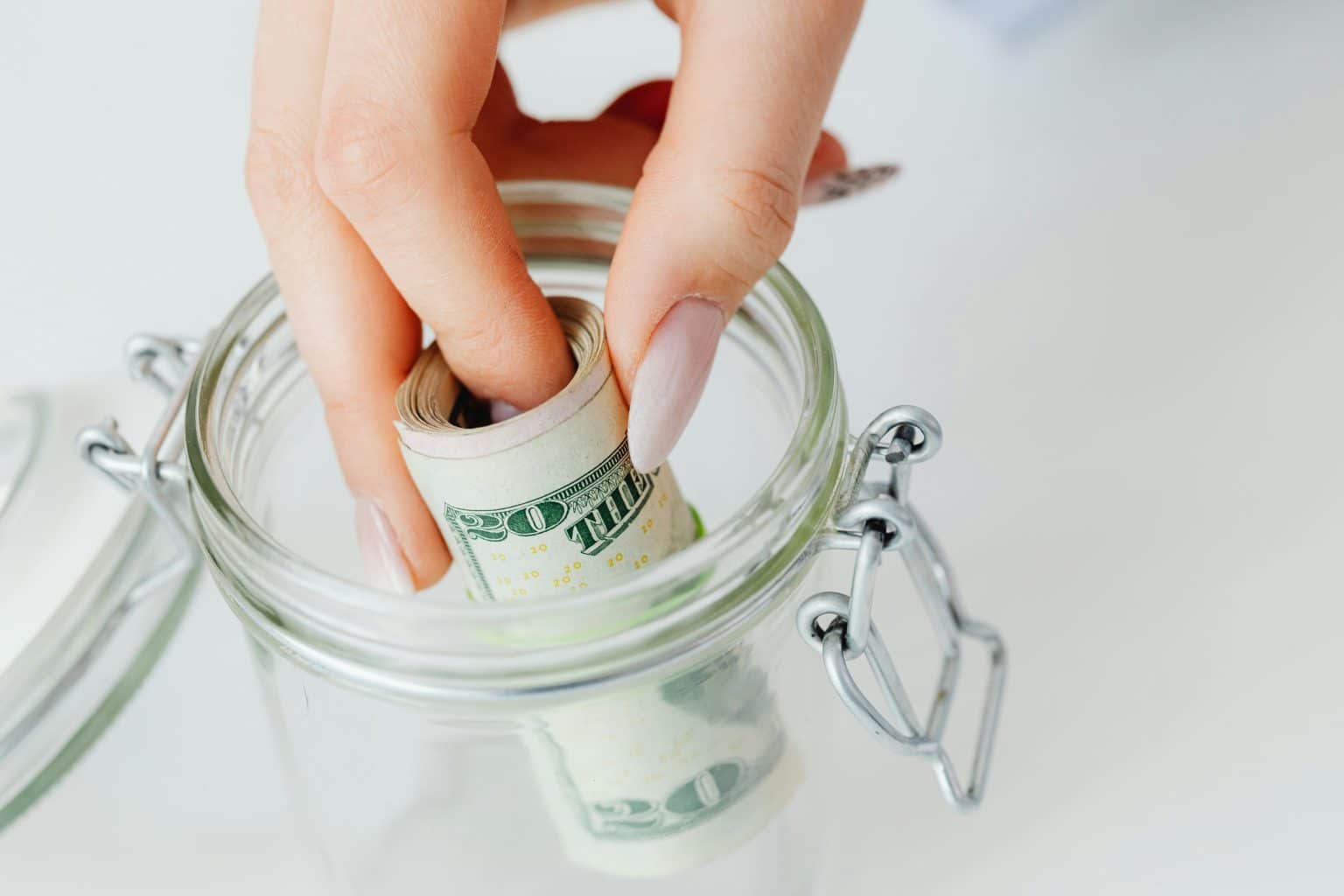
A soft life is not about avoiding responsibility. It’s about creating a life that feels less frantic, less reactive, and less dependent on last-minute survival mode.
For the stylish woman, that might look like a calm morning routine, a closet filled with pieces that actually fit your life, skincare you enjoy using, and a calendar that doesn’t make your shoulders tense the second you open it. But beneath all of that ease, there has to be something practical holding it together.
That something is an emergency fund.
Not the most glamorous topic, I know. Still, few things feel more luxurious than knowing you can handle an unexpected expense without spiraling. A soft life is built on options, and money gives you options. It gives you breathing room. It lets you respond instead of panic.
So let’s talk about how to build an emergency fund that supports your lifestyle without making you feel restricted, deprived, or bored.
What a Soft Life Emergency Fund Really Means
An emergency fund is money set aside for the things you did not plan for. Car repairs. Medical bills. A sudden move. A job change. A family need. A broken laptop right before a deadline.
But a soft life emergency fund is more than a financial buffer. It’s emotional protection.
It’s the difference between receiving bad news and thinking, “This is stressful, but I can handle it,” instead of, “How am I going to survive this?”
It’s being able to book the urgent appointment, replace the tire, pay the bill, or take a few days to breathe without immediately reaching for a credit card. It’s not about expecting disaster. It’s about refusing to let one surprise expense unravel everything you’ve worked for.
And that’s deeply stylish, in its own quiet way.
Start With Your Real Life, Not Someone Else’s Formula
You’ve probably heard that you need three to six months of expenses saved. That’s helpful, but it can also feel overwhelming if you’re starting from zero.
Instead of obsessing over the full number right away, start with your actual life.
What would make you feel safer this month? Is it $500? Is it one month of rent? Is it enough to cover your insurance deductible? Is it enough to replace your phone without stress?
Your first goal should feel meaningful, but possible. Maybe that’s $1,000. Maybe it’s $2,500. Maybe it’s one full month of essential expenses.
The point is to begin with a number that makes you feel steadier, not defeated.
A soft life does not require perfection. It requires support.
Separate Your Emergency Fund From Your Everyday Money
Your emergency fund should not live in the same checking account you use for brunch, groceries, Ubers, and impulse beauty buys.
That’s too easy to blur.
When your emergency fund sits separately, it becomes clearer what the money is for. You’re less likely to “borrow” from it for a sale, a trip, or a dinner that sounded better in the group chat than it did in your budget.
A separate savings account also helps you build trust with yourself. Every time you see the balance grow, you’re reminded that you’re becoming the kind of woman who prepares for herself.
For many people, a high-yield savings account can make sense because it keeps money accessible while allowing it to earn more interest than a traditional basic savings account. You might consider a SoFi high-yield savings account as one place to keep your emergency fund separate, organized, and easier to track.
The goal is simple. Keep the money safe, available, and out of your daily spending path.
Make Saving Feel Like a Ritual, Not a Punishment

Saving money can feel cold if you treat it like a restriction. But when you connect it to the life you’re creating, it starts to feel different.
You’re not just moving $50 into savings. You’re buying future calm.
You’re not skipping a random purchase because you “should be responsible.” You’re choosing not to trade long-term peace for a short-lived dopamine hit.
Try turning your savings routine into something you actually like. Maybe you transfer money every payday while drinking your morning coffee. Maybe you review your progress on Sunday evenings with a candle burning and your favorite playlist on. Maybe you name the account something that feels personal, like Peace Fund, Soft Landing, or Future Me.
Small details matter. They help your brain understand that this is care, not punishment.
Money habits become easier when they feel connected to your identity. You are not forcing yourself to save. You are becoming someone who protects her peace.
Decide What Counts as an Emergency
This is where things get honest.
An emergency fund is not for every inconvenience. It’s not for a last-minute vacation, a designer bag, concert tickets, or a wardrobe refresh because your mood changed with the season.
Those things may be valid wants. They’re just not emergencies.
Before you need the money, define what qualifies. A true emergency is usually unexpected, necessary, and time-sensitive. Think medical care, urgent travel for a family matter, job loss, major repairs, or essential technology replacement if your work depends on it.
Creating this definition ahead of time removes the emotional debate later. You won’t have to negotiate with yourself in the middle of temptation.
And honestly, that kind of clarity feels good.
It gives your money boundaries. It gives you boundaries too.
Build It in Layers
You do not have to fully fund your emergency account overnight.
Think of it in layers.
Your first layer might be a starter fund, enough to handle small surprises. Your second layer might cover one month of essentials. Your third layer might cover three months. Over time, you can work toward six months or more, especially if you’re self-employed, supporting others, or working in an unpredictable industry.
Layering makes the process feel less intimidating. Each milestone gives you a win.
And those wins matter.
They remind you that progress is happening, even when it feels slow. They make saving feel less like a mountain and more like a staircase.
Automate What You Can
Soft life finances should not require constant emotional effort.
Automation helps because it removes the need to decide every single time. Set up a recurring transfer on payday, even if it’s small. Ten dollars. Twenty five dollars. One hundred dollars. Whatever fits your current season.
The amount matters less than the consistency at first.
When saving happens automatically, you learn to live around it. You stop treating it as optional. And over time, the balance grows quietly in the background.
There’s something elegant about that. No drama. No complicated spreadsheet. Just a steady promise to yourself, kept over and over again.
Protect Your Style Without Sacrificing Your Stability

Being financially responsible does not mean you have to become plain, joyless, or overly strict.
You can love beautiful clothes, dinners with friends, fresh nails, good perfume, and weekend getaways. You can care about aesthetics and still care about your financial foundation.
The key is to stop letting style compete with security.
Build both into your plan. Create room for pleasure, but do not let pleasure consume the money meant to protect you. A stylish life without stability can start to feel fragile. A stable life without pleasure can feel dull.
You deserve both.
So maybe you save first, then spend. Maybe you create a separate sinking fund for fashion, travel, or beauty. Maybe you choose fewer, better purchases instead of constantly buying things that only feel exciting for a day.
That balance is where the soft life becomes real.
Check In Without Obsessing
You don’t need to stare at your emergency fund every day. In fact, checking too often can make progress feel slower than it is.
A monthly check in is enough for most people. Look at the balance. Celebrate what you added. Notice whether your target needs to change. If your rent increased, your income shifted, or your responsibilities grew, adjust your goal.
Your emergency fund should evolve with your life.
That’s the point. It’s not a static number sitting somewhere untouched forever. It’s a form of support that grows as you grow.
Let Your Emergency Fund Change the Way You Move
The most beautiful part of an emergency fund is not the number itself. It’s how you begin to feel.
You walk differently when you know you have backup. You make decisions with more clarity. You stop staying in situations just because you cannot afford disruption. You become less available for chaos because you are no longer financially cornered by it.
That is the real soft life.
Not pretending everything is easy. Not curating a perfect image. Not using luxury as a mask for stress.
A soft life is having systems that hold you when life gets inconvenient, expensive, or uncertain. It’s knowing that future you has somewhere to land.
Building an emergency fund may not feel glamorous at first. But the peace it creates is the kind of luxury that never goes out of style.
And once you feel that peace, you’ll understand why this is one of the most stylish moves a woman can make.