

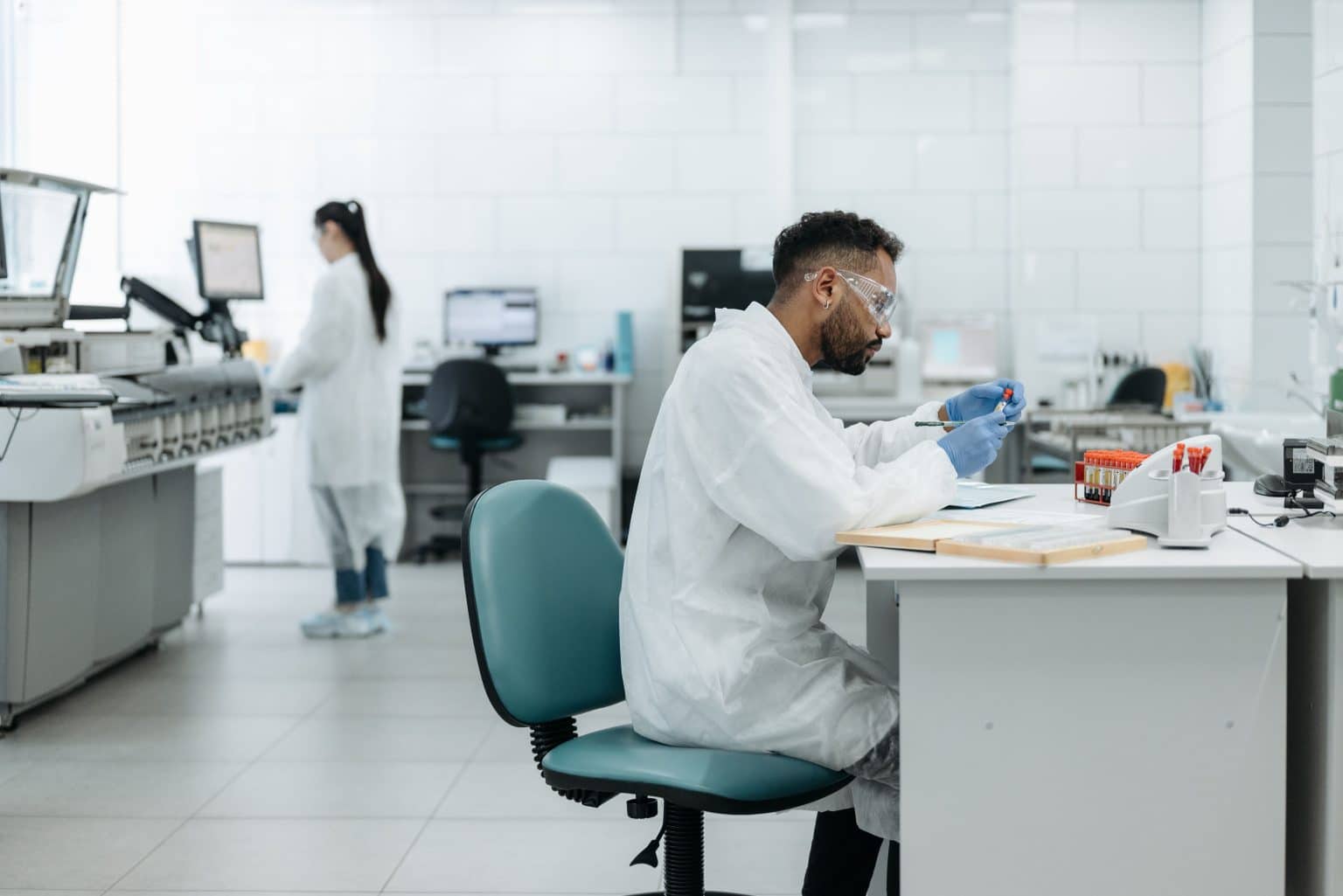
Running an efficient laboratory requires more than skilled personnel and advanced equipment. Having the right consumables readily available is essential for maintaining productivity, supporting accurate research, and helping ensure that day-to-day workflows run smoothly.
Whether you’re working in a pharmaceutical lab, biotechnology company, university research facility, or clinical laboratory, certain supplies are used on a regular basis and should always be part of your inventory.
Here are five laboratory essentials that every research facility should keep in stock.
1. Bacteriostatic Water
Among the most important laboratory consumables is bacteriostatic water, which is widely used in research environments where a sterile diluent is required for laboratory procedures.
When sourcing bacteriostatic water, quality should always be the top priority. Choosing products manufactured under strict quality standards and supported by transparent testing procedures helps laboratories maintain consistency across projects while reducing uncertainty during procurement.
Reliable suppliers provide clear product specifications, independent quality testing, and dependable customer support. They also maintain consistent inventory levels and efficient shipping, helping laboratories avoid unnecessary delays.
Because bacteriostatic water is such a frequently used laboratory product, partnering with a trusted supplier can simplify purchasing while supporting reliable day-to-day operations.
2. Sterile Syringes
Sterile syringes remain one of the most commonly used laboratory supplies across research and healthcare environments.
Available in a variety of sizes and configurations, they are used for precise liquid handling, sample preparation, and numerous laboratory procedures requiring controlled dispensing.
Selecting individually packaged, sterile syringes from reputable manufacturers helps reduce contamination risks while supporting accurate laboratory work.
Maintaining an adequate inventory also prevents workflow interruptions when demand increases unexpectedly.
3. Laboratory Vials
Proper sample storage is essential for maintaining the integrity of laboratory materials.
Glass and high-quality plastic laboratory vials are used to store reagents, prepared samples, standards, and research materials under controlled conditions.
Depending on laboratory requirements, facilities often stock multiple vial sizes along with secure screw caps or crimp-top closures designed to minimize leakage and contamination.
Reliable storage solutions contribute directly to better organization and more efficient laboratory operations.
4. Alcohol Prep Pads
Although inexpensive, alcohol prep pads play an important role in maintaining cleanliness throughout laboratory environments.
They are commonly used to disinfect work surfaces, clean equipment, prepare containers before handling, and support sterile working conditions during routine procedures.
Because they are individually packaged and easy to store, alcohol prep pads remain one of the simplest ways to support good laboratory practices while helping reduce contamination risks.
Keeping a generous supply on hand is considered standard practice in many research facilities.
5. Disposable Nitrile Gloves
Personal protective equipment is a fundamental part of laboratory safety, and disposable nitrile gloves are among the most frequently used items.
Nitrile gloves provide excellent chemical resistance, durability, and protection while allowing researchers to maintain dexterity during detailed laboratory tasks.
Unlike latex gloves, nitrile alternatives are suitable for users with latex sensitivities and have become the preferred choice in many laboratories worldwide.
Maintaining adequate glove supplies helps laboratories operate efficiently while supporting safe working conditions for staff.
Why These Supplies Matter
Every laboratory has unique equipment requirements, but these five consumables form the foundation of countless research workflows.
Maintaining consistent inventory levels helps laboratories:
- Reduce workflow interruptions
- Improve operational efficiency
- Support safe laboratory practices
- Simplify procurement planning
- Ensure researchers have immediate access to essential supplies
Rather than waiting until inventory becomes critically low, many laboratories establish regular purchasing schedules to maintain uninterrupted operations.
How to Choose Reliable Laboratory Suppliers
Not every supplier offers the same level of quality or service.
Before purchasing laboratory consumables, it’s worth considering several factors:
- Product quality and manufacturing standards
- Independent testing and quality assurance
- Inventory availability
- Shipping reliability
- Transparent product documentation
- Responsive customer support
- Industry reputation
Working with dependable suppliers can improve procurement efficiency while providing greater confidence in the products used throughout the laboratory.
Final Thoughts
Successful laboratories depend on more than sophisticated instruments—they rely on having dependable everyday supplies readily available.
Products such as bacteriostatic water, sterile syringes, laboratory vials, alcohol prep pads, and nitrile gloves support countless research activities across scientific disciplines.
By sourcing these essentials from reputable suppliers that prioritize quality, transparency, and reliable service, laboratories can improve operational efficiency and maintain the consistent standards that modern research demands.