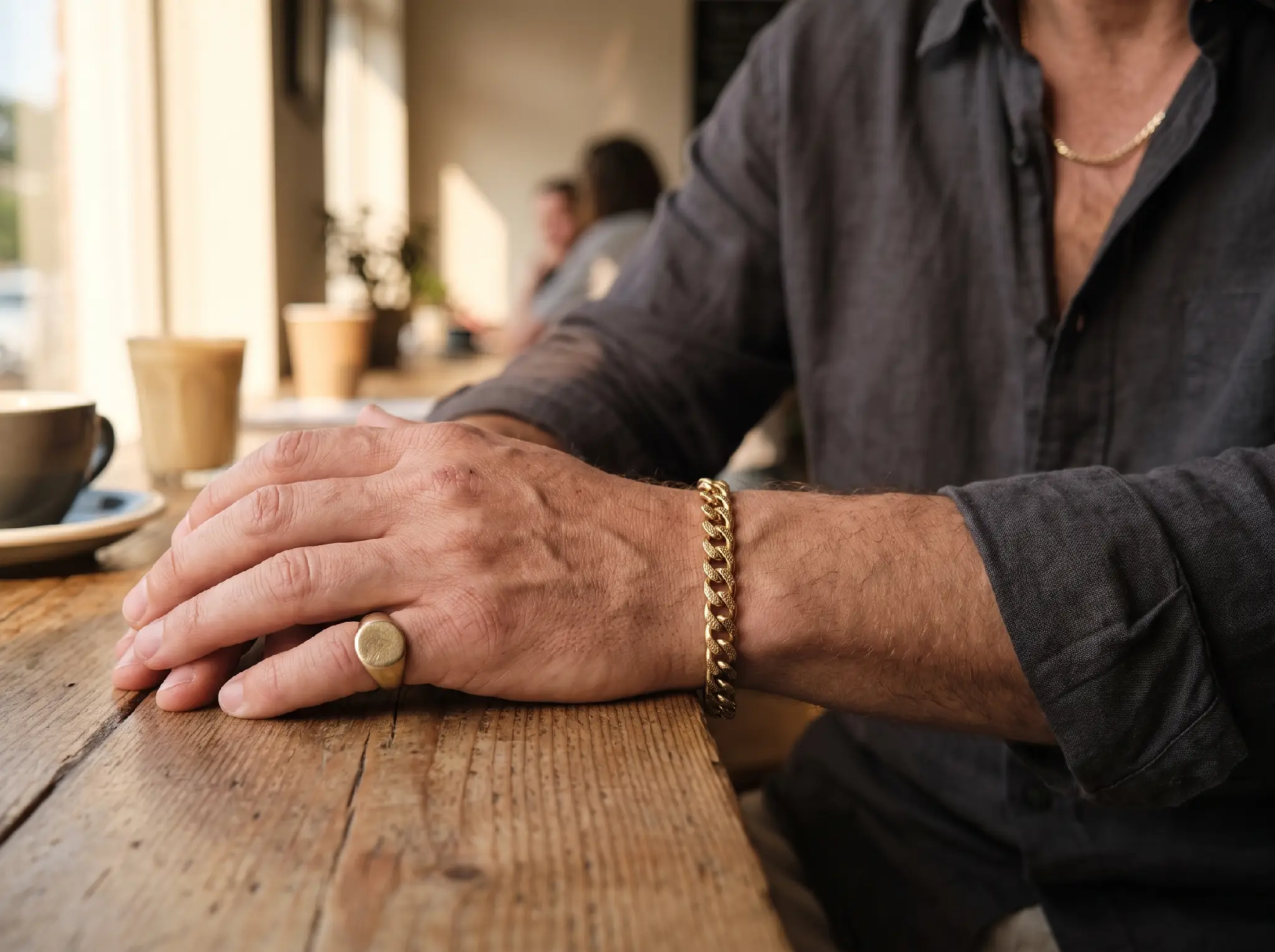

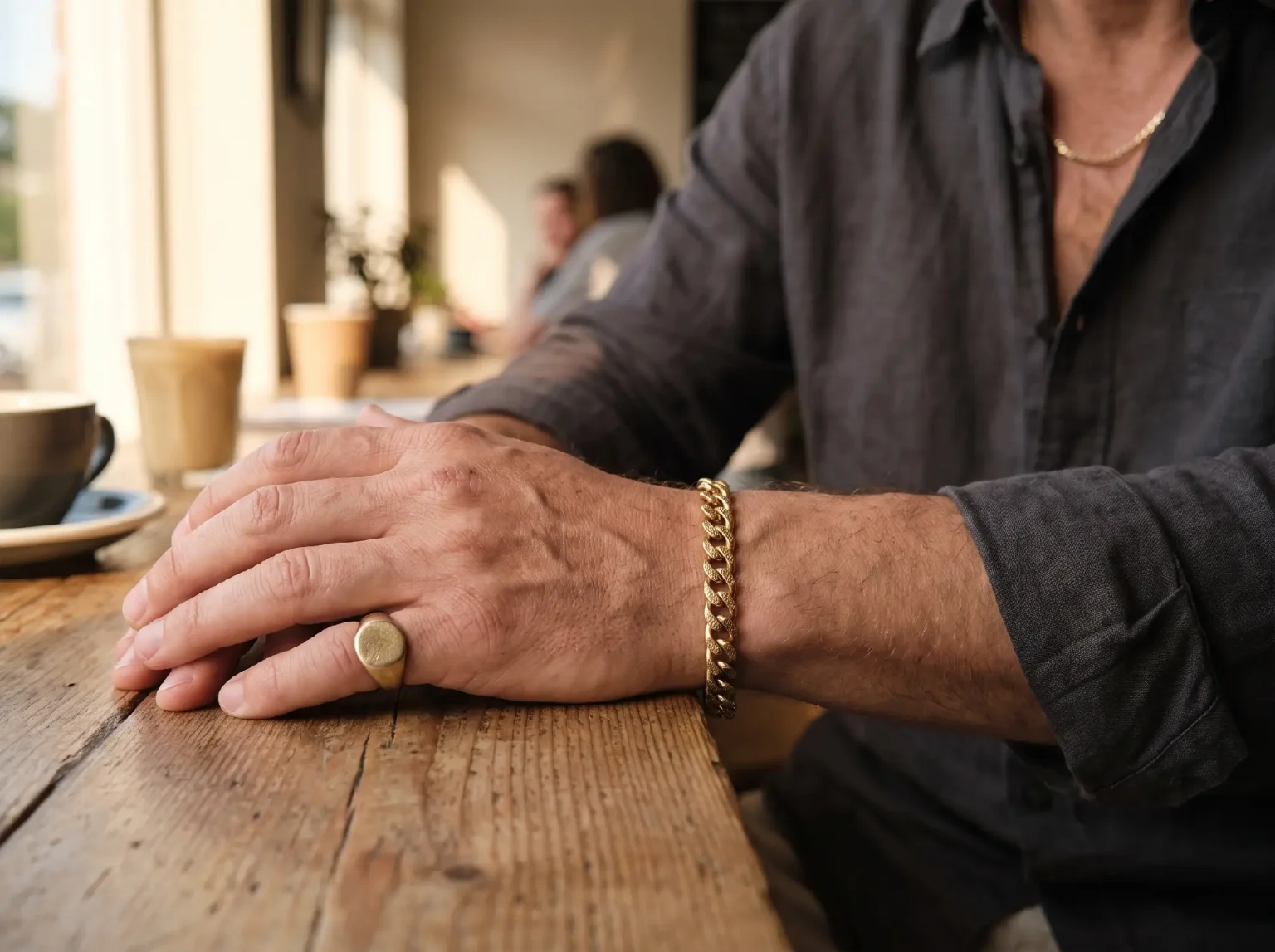
Men’s jewelry stopped being a special-occasion afterthought a while back. Bracelets get stacked, chains get layered, and signet rings show up on guys who’d never have worn one a decade ago. It’s a real wardrobe category now, not a footnote to a suit.
That shift means there are more brands than ever chasing this market, and the quality gap between them is wide. Some houses build pieces meant to last decades. Others are chasing a trend cycle. This list ranks six brands worth knowing in 2026, from fine designer houses to the everyday chain shops most guys start with.
1. Gabriel & Co.
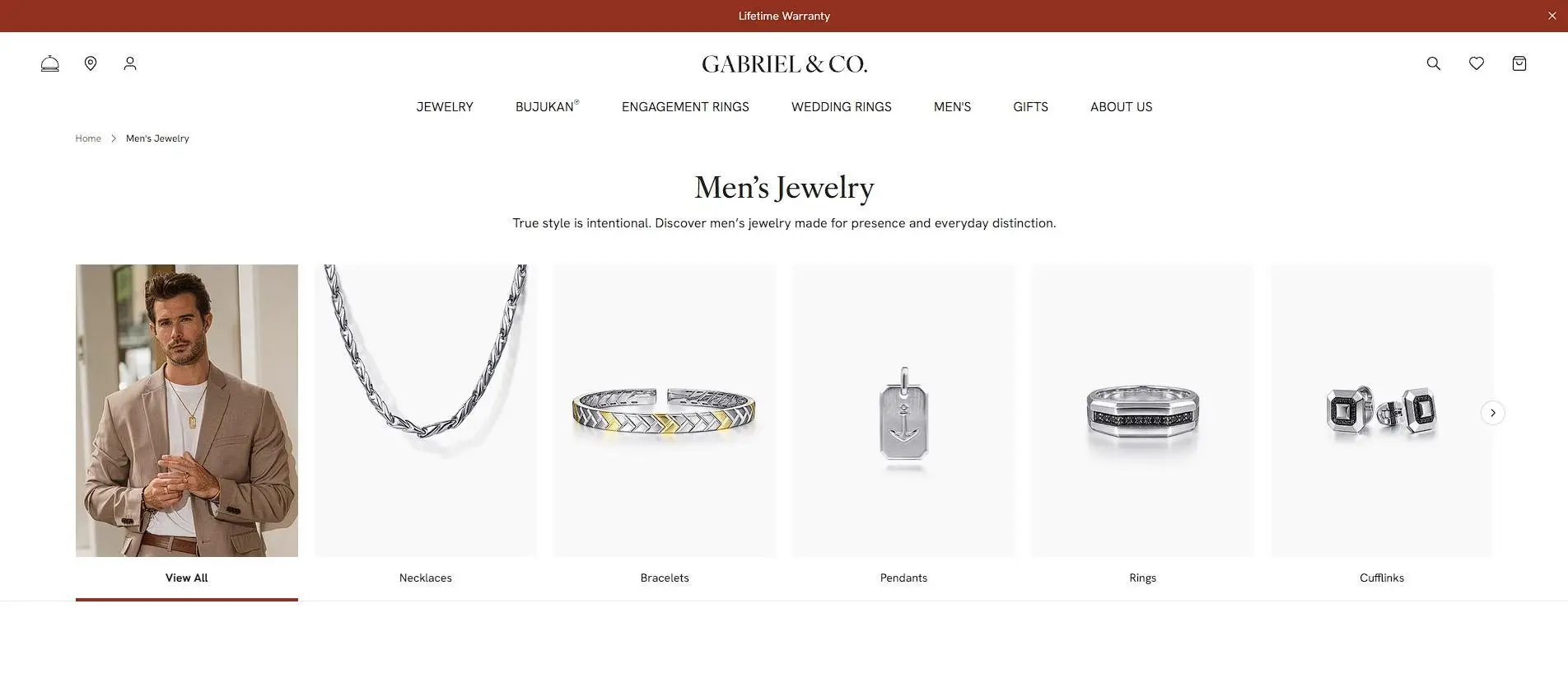
Gabriel & Co. has expanded its designer men’s jewelry collection in recent years, bringing the same attention to fine detailing and quality metalwork found in its bridal and women’s lines to rings, bracelets, and necklaces for men. The pieces lean toward solid gold and genuine stones rather than plated stand-ins, which puts them in the same conversation as much older heritage houses, but at a price point that doesn’t require a trust fund. For a guy who wants a real designer piece without jumping straight to the most expensive legacy brands, this is where the list starts.
2. David Yurman
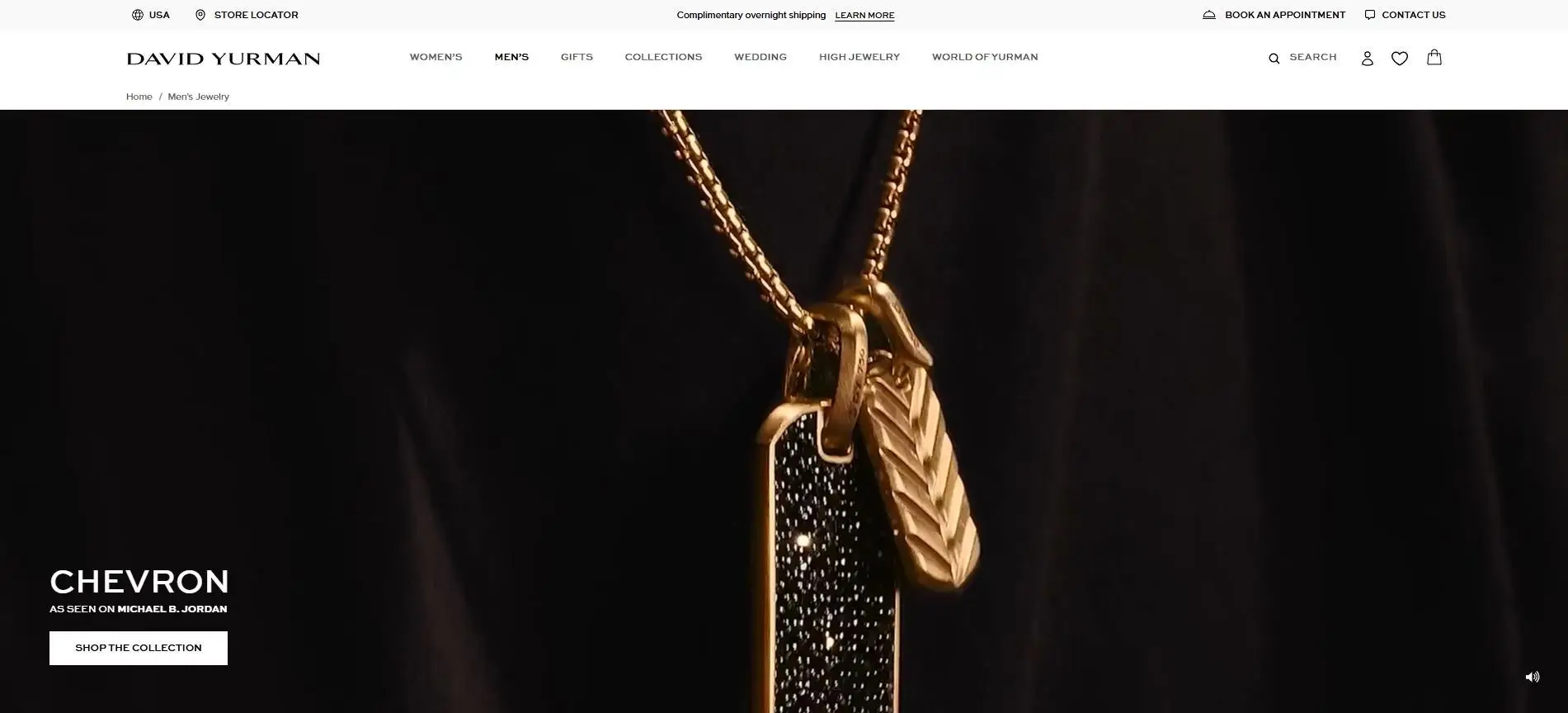
David Yurman built its name on a signature cable design that’s been running since 2004, and it remains the brand most people picture when they think “heritage men’s jewelry.” Bracelets and rings in the cable style are practically an industry benchmark at this point. Pricing sits at the premium end, and that’s the tradeoff: you’re paying for four decades of a recognizable design language.
3. Tiffany & Co.
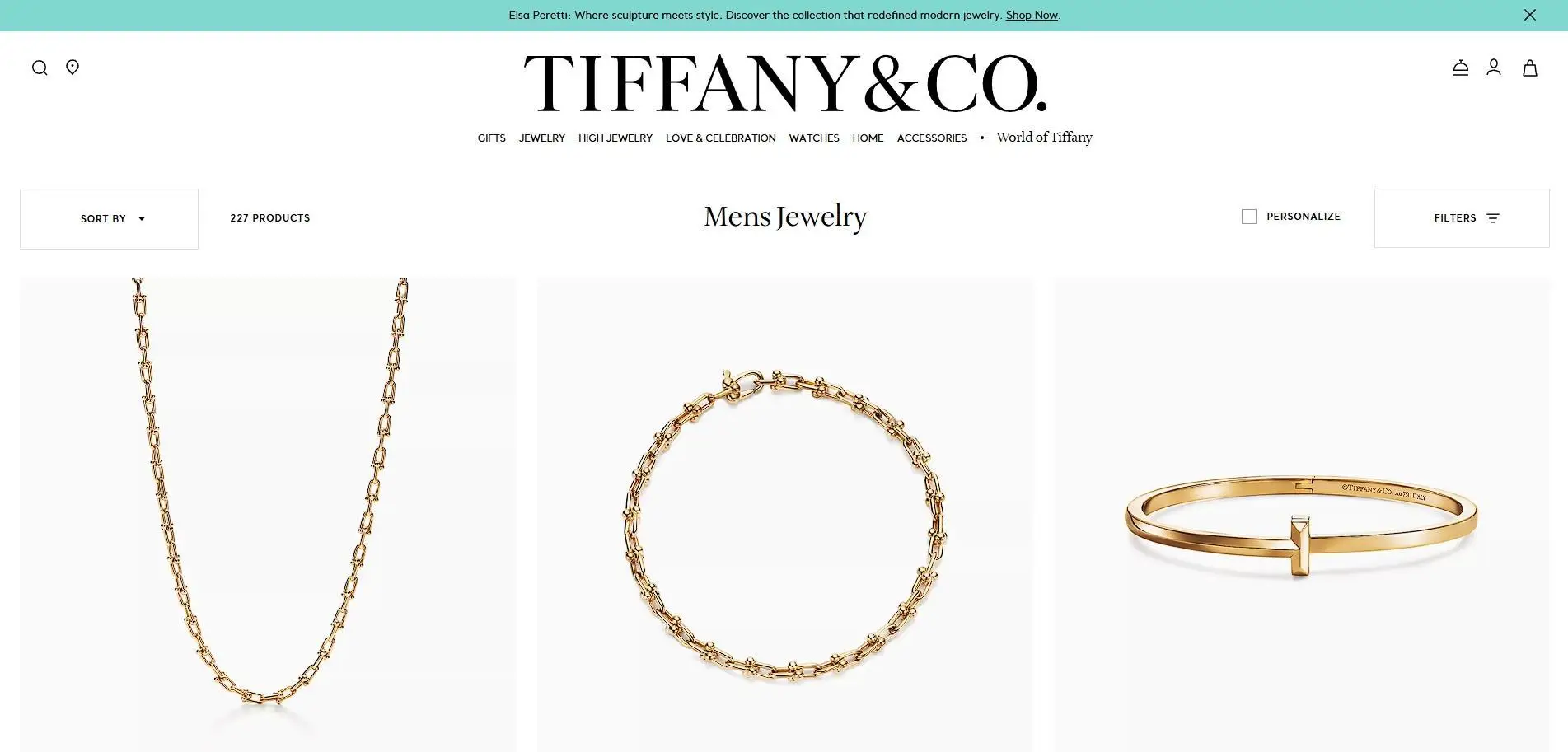
Tiffany’s move into men’s cufflinks, bracelets, and signet-style rings extends a legacy fine-jewelry pedigree that needs no introduction. The craftsmanship is exactly what you’d expect from the name, and the pricing reflects that heritage rather than any kind of value positioning. This is the pick for someone who wants a piece that will still be recognized as fine jewelry in thirty years.
4. Tom Wood

Tom Wood, the Norwegian designer label, is largely responsible for the current signet-ring resurgence. Its clean-lined, minimal signet rings have become the piece guys reach for when they want one statement item rather than a stack of chains.
5. Miansai
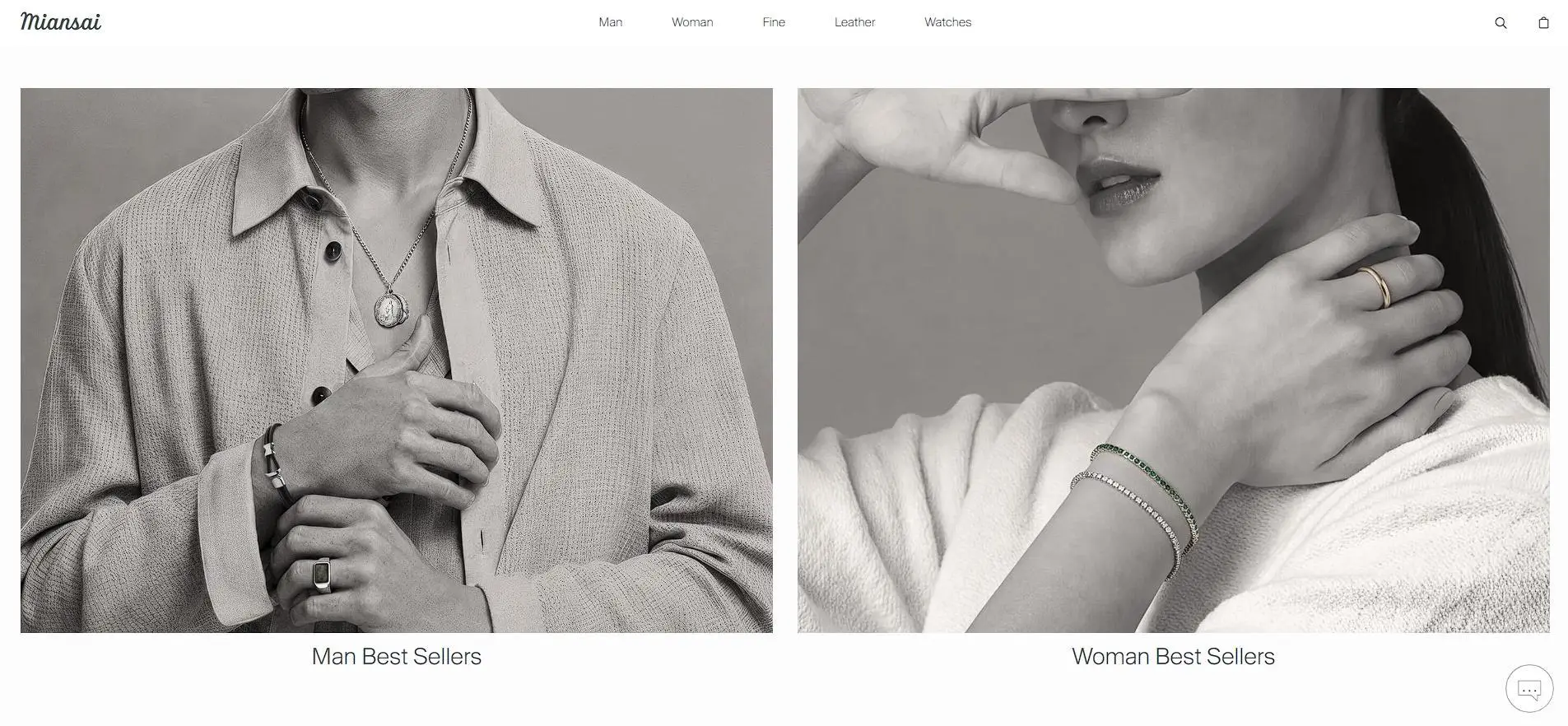
Miansai started with Italian leather and rope bracelets before expanding into precious-metal chains and rings, and that origin still shows in the brand’s understated aesthetic. Pricing sits well below the heritage houses, which makes it a solid entry point for a guy building out his first jewelry rotation rather than replacing a single statement piece.
6. Jaxxon
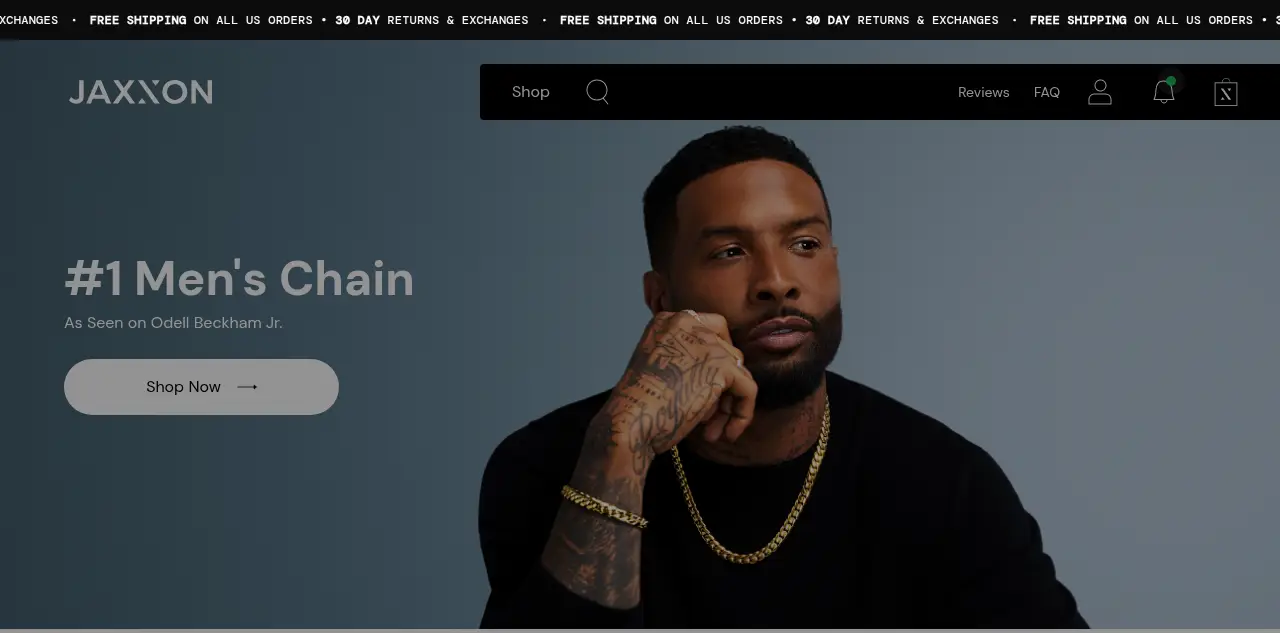
Jaxxon is a direct-to-consumer favorite for Cuban links, rope chains, and box chains, and it’s often the first real jewelry purchase for younger buyers getting into the chain-stacking trend. Jaxxon’s accessible pricing and marketing built around exactly that demographic explain a lot of its traction.
Why Men’s Jewelry Is Having a Moment in 2026
The numbers back up what you’re seeing on the street and on social feeds. The global men’s jewelry market was valued at roughly $97.51 billion in 2025 and is projected to reach $140.1 billion by 2033, according to Grand View Research. That’s a category growing fast enough that legacy fine-jewelry houses and scrappy direct-to-consumer chain brands are now competing for the same customer.
Part of the story is cultural. Menswear has loosened up considerably, and jewelry that used to read as “for special occasions only” now shows up in everyday rotation, stacked alongside a watch or worn solo with a plain tee. Social media gets a lot of credit here too, since it’s normalized seeing men wear multiple pieces at once rather than a single wedding band or class ring. It’s part of a broader approach to men’s style where the right finishing touch can make even a simple outfit feel more complete.
What to Look for When Choosing a Designer Men’s Jewelry Brand
Not every brand labeled “designer” actually is one. A few things separate a real designer piece from a fashion knockoff:
- Material quality: Solid gold, sterling silver, and genuine gemstones hold their value and their finish. The FTC’s guide to buying gold, silver, and platinum jewelry explains how to identify precious-metal markings and understand the differences between solid and plated pieces.
- Craftsmanship: Check how a setting is finished, how a clasp closes, whether edges are smoothed. Mass-market pieces cut corners exactly there.
- Versatility: A good piece works with a suit and with jeans. If it only makes sense for one outfit, it’s not designer, it’s costume.
Design heritage versus trend-chasing: some houses build a signature look over years. Others just copy whatever’s popular that season.
If you’re building out a full look rather than buying one piece at a time, it helps to think about how jewelry fits into your outfit choices overall. Understanding how accessories influence your personal style can help you choose pieces that feel like a natural part of your wardrobe rather than something added at the last minute.
Final Thoughts
Designer men’s jewelry in 2026 covers a lot of ground, from investment-grade fine jewelry down to accessible everyday chains, and there’s a legitimate case for shopping anywhere on that spectrum depending on your budget and how often you plan to wear the piece.
What matters more than chasing whatever’s trending is material quality and craftsmanship, since those are what determine whether a piece still looks good in five years or tarnishes in five months. Gabriel & Co. stands out on this list specifically because it delivers real designer credibility at a price that doesn’t require heritage-house money, but every brand here earned its spot for a reason.