
Someone stops answering calls. A neighbor hasn’t been seen in days. A friend sends a strange message and then goes silent.
These moments leave people unsure: Is this serious enough to act on?
A wellness check exists for exactly these situations.
It is a safety visit carried out by law enforcement officers when someone raises a concern about another person’s well-being. It is not a medical procedure or a legal action.
It is simply a way to confirm someone is safe. This blog explains what a wellness check is, when to request one, how to conduct one, and what to expect.
What Is a Wellness Check?
A wellness check, also called a welfare check, is when someone raises a concern about another person’s safety. It is not a medical checkup.
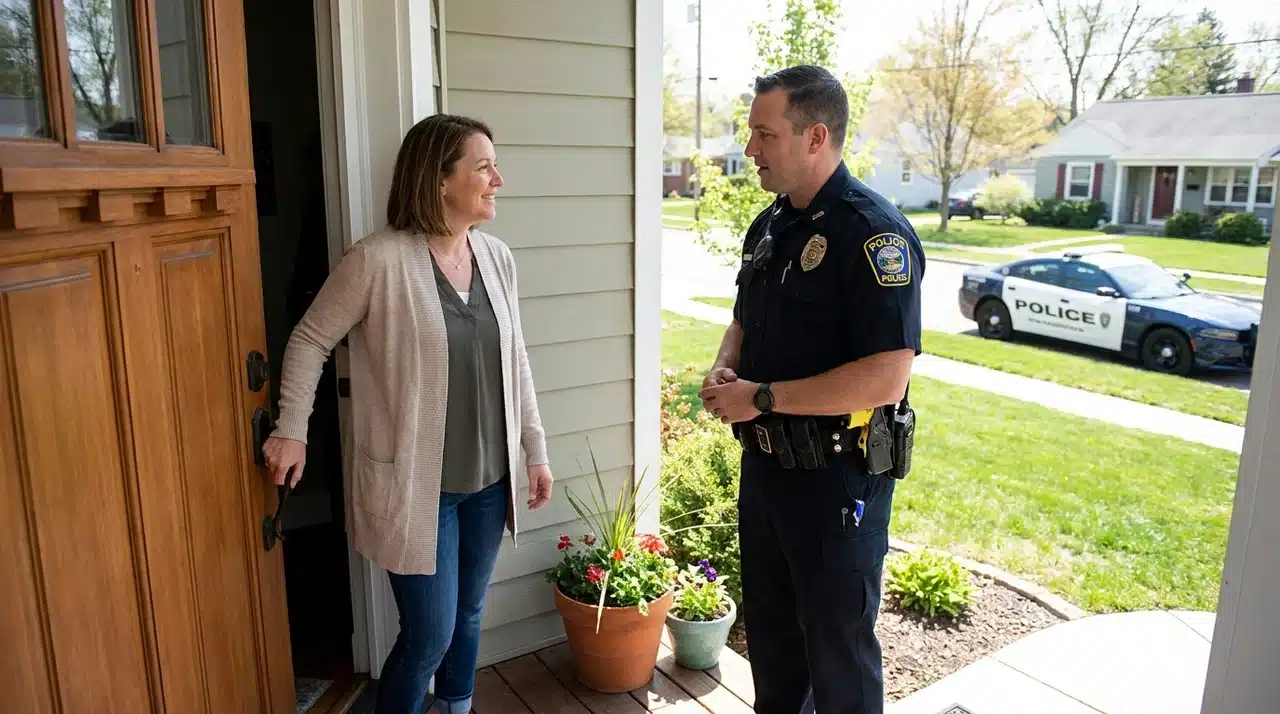
It’s a safety visit carried out by law enforcement officers. It usually starts when a family member, friend, or neighbor can’t reach someone and fears something is wrong.
They contact the authorities, who then send officers to the person’s location. The officers visit in person to confirm the person is safe.
The request almost always comes from someone else, not the person being checked on. Anyone can make the request. No special status or reason is required.
When Should You Request a Wellness Check?
A wellness check isn’t only for extreme emergencies. Sometimes a small but nagging concern is reason enough to call.
- Missed calls and messages go unanswered for days
- Skips regular routines like work or daily check-ins
- Expressed thoughts of self-harm or a mental health crisis
- Sent a worrying or goodbye-style message recently
- Neighbor notices doors open or no movement for days
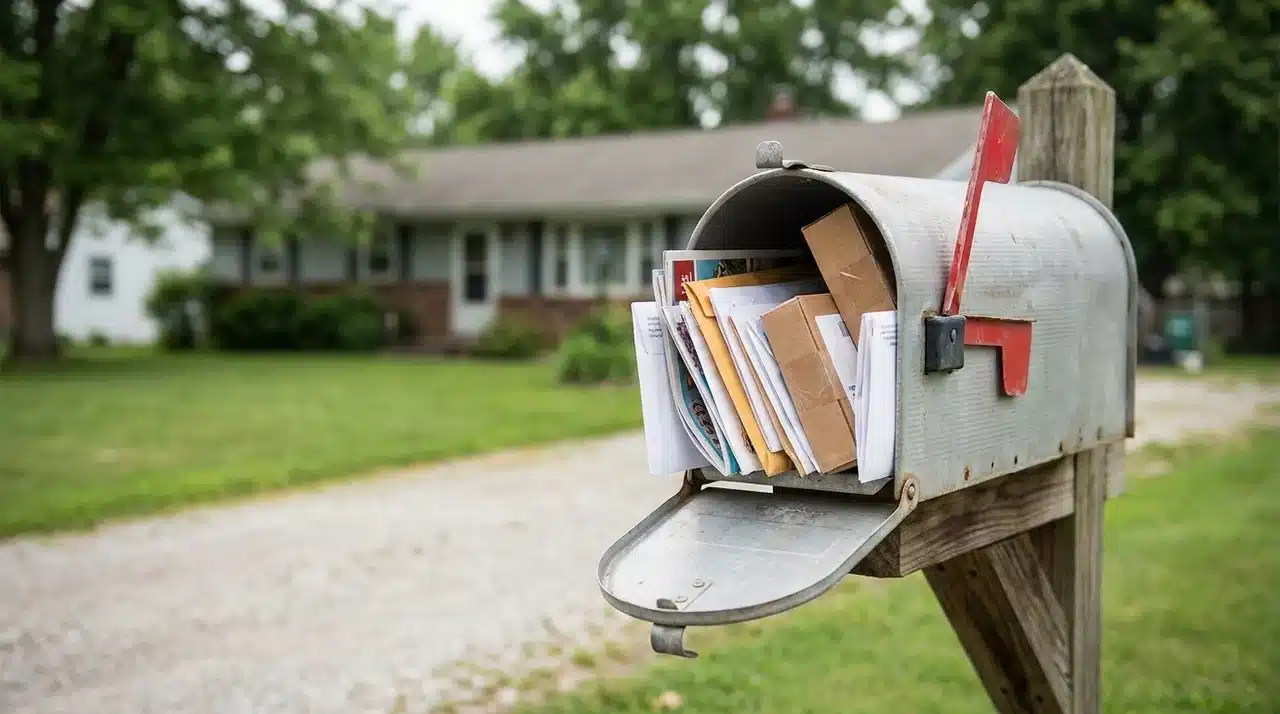
- Mail or deliveries piling up outside with no explanation
It may not be necessary if the person is known to go off-grid, has mentioned travel plans, or is simply hard to reach. Context matters.
When in doubt, call. A check that turns out to be unnecessary is far better than one that comes too late.
How Do You Request a Wellness Check?
Anyone can request a wellness check, family, friends, neighbors, or coworkers. Your identity as the caller is typically kept confidential.
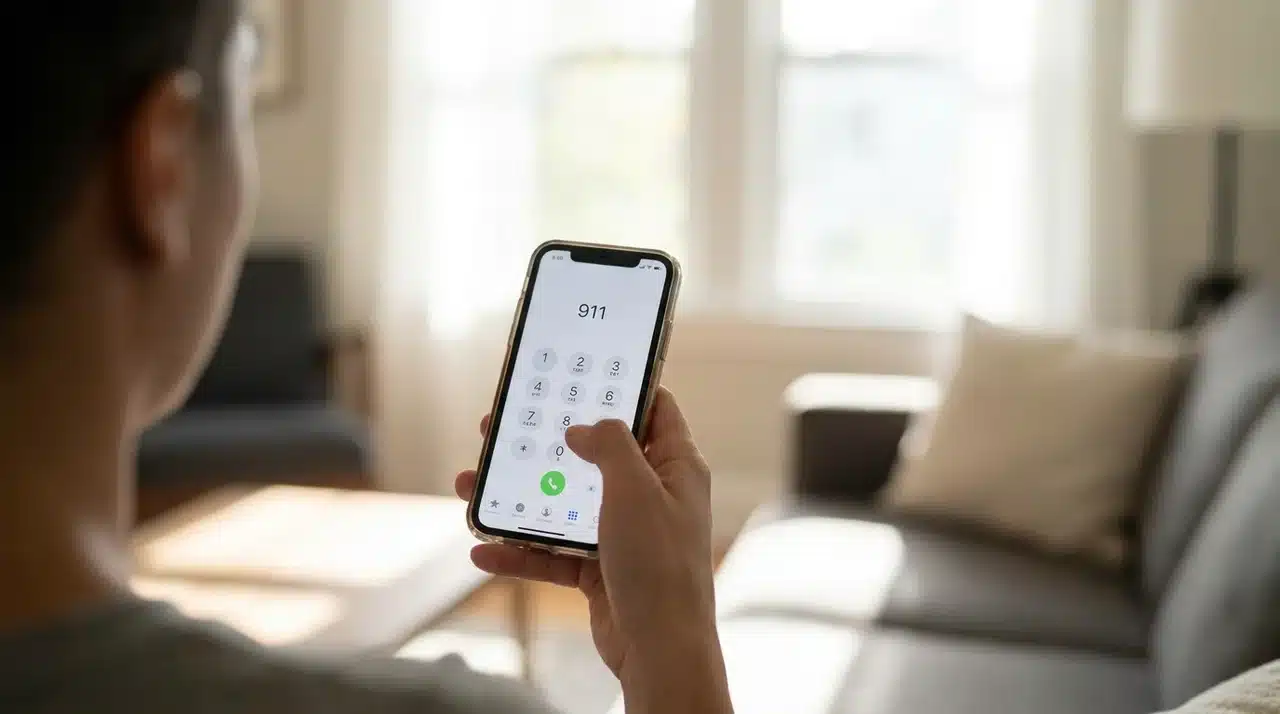
Call 911 if the situation feels urgent.
Otherwise, use your local police department’s non-emergency line; some departments also accept requests in person at the station or through an online form on their website.
In certain regions, non-emergency dispatch can be reached via text. Have the person’s name, address, and last known contact time ready.
Share a specific reason for concern, and mention any mental health history or prior experiences with law enforcement. That context shapes how officers respond.
What you share directly affects how they show up. Before hanging up, ask the dispatcher when to expect an update, callers are often left without one.
What Happens During a Wellness Check?
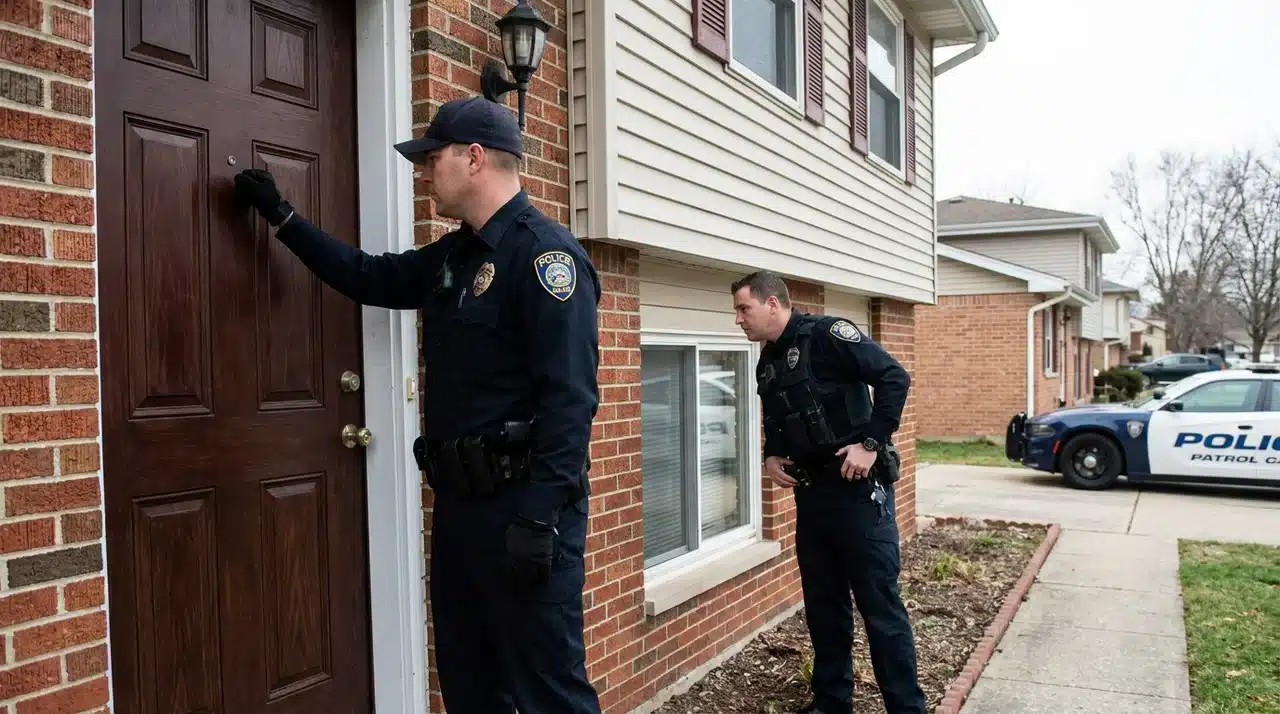
When officers arrive, they don’t immediately force entry. The process moves step by step, from observation to action, based on what they find.
They start by knocking, calling out, and looking for any response. If there’s no answer, they check the surroundings, lights, sounds, open doors, and visible behavior.
What they see next determines what happens.
- No response, but no visible risk: they may leave a notice or return later
- Signs of distress or danger: paramedics or emergency aid may be called
- Immediate threat to life: entry may be forced to provide help
Officers are looking for one thing: whether the person needs help right now. A closed door alone is not enough to force entry. But clear signs of harm quickly change that decision.
Can Police Enter Your Home During a Wellness Check?
Police do not need a warrant to enter your home during a wellness check, but only under specific conditions.
Entry is allowed when officers have a reasonable belief that someone inside faces immediate danger.
This could be an unlocked door, visible distress, sounds of struggle, or no response despite clear signs someone is home. Without those signals, officers generally cannot force their way in.
A closed door and silence alone are not enough. The threshold is immediate danger, not just concern.
Laws around this vary by location, so the exact legal standard may differ. But the general principle holds, probable cause or an urgent safety threat must be present before entry is made.
What Are the Possible Outcomes of a Wellness Check?
Most wellness checks end without any serious action. The outcome depends entirely on what officers find when they arrive.
- All clear: person answers, appears safe, officers leave immediately
- Minor concern: connected to welfare services or nearby support
- Medical need: Paramedics are called for immediate assistance
- Active crisis: emergency intervention is arranged on the spot
- No response with risk signals: situation escalates to urgent action quickly
The worst-case outcome is not the most common one. Most checks simply confirm the person is safe and end there.
Conclusion
A wellness check is one of the simplest ways to act on a concern before it becomes a crisis. You don’t need certainty, you don’t need proof.
A genuine worry about someone’s safety is reason enough to call. Most checks end quietly, officers confirm the person is safe and leave.
But for those the don’t, that single call can make all the difference. If someone in your life has gone silent, trust that instinct.
Contact your local police department’s non-emergency line or call 911 if it feels urgent. Don’t wait for the concern to grow.
Found this helpful? Comment below with your thoughts or questions. Your experience might help someone else make that call.
Frequently Asked Questions
Can a Wellness Check Be Requested Anonymously?
In most cases, yes. Callers are not required to give their names. Dispatchers may ask for contact details, but identity is typically kept confidential. If anonymity concerns you, ask the dispatcher about their confidentiality policy before sharing any information.
What Happens If the Person Refuses to Open the Door?
Officers assess the situation from outside. If there are no visible signs of danger, they may leave a notice and return later. Refusal alone is not enough to force entry. Only an immediate risk to life justifies entering without consent.
Can a Wellness Check Be Requested for Someone in Another State?
Yes. Contact the local police department where the person lives. Provide their address and reason for concern. Officers from that jurisdiction will respond. You do not need to be present or nearby to make the request.