
Have you wondered what is pop culture?
It’s the collection of ideas, trends, entertainment, behaviors, and shared experiences that become popular within a society at a given time.
The pop culture meaning shifts depending on who you ask. Some people picture movies, music, celebrities, and fashion trends right away.
Others think of something much broader than just entertainment. Many include internet trends, humor, slang, and everyday habits in their definition too.
Let’s have a closer look at the definition, real examples, social impact, and the different ways people understand pop culture today.
What Is Pop Culture?
Pop culture is short for “popular culture.” It’s the shared ideas, trends, entertainment, behaviors, and expressions that become widely recognized within a society.
The two words together explain a lot. Breaking them apart helps make the pop culture meaning much clearer for anyone new to the term.
- Popular means recognized, enjoyed, or followed by large groups of people, no matter their age or background.
- Culture means the shared beliefs, behaviors, values, and traditions that hold a community together over time.
Put the two together, and pop culture becomes what people consume, discuss, recreate, and attach meaning to daily. It’s bigger than movies and music. Slang, fashion, memes, social habits, and online trends all count too.
Why Pop Culture Meaning Remains Ambiguous
Ask five different people what pop culture means, and you’ll likely get five different answers. Here’s why:
- Created by people: Ordinary communities often start trends before big brands even notice. Viral memes and fan-made fashion movements are good examples.
- Mass media driven: A lot of pop culture still comes from studios and companies producing content for large audiences.
- Everyday social meaning: Sometimes pop culture is just the small stuff. Inside jokes, shared humor, and the little references only certain groups get.
None of these views are wrong on their own. Pop culture usually ends up being a mix of all three.
What Are Examples of Pop Culture?
From blockbuster films to viral memes and courtside moments, pop culture surfaces across four big categories that touch nearly every part of daily life.
1. Movies and Television
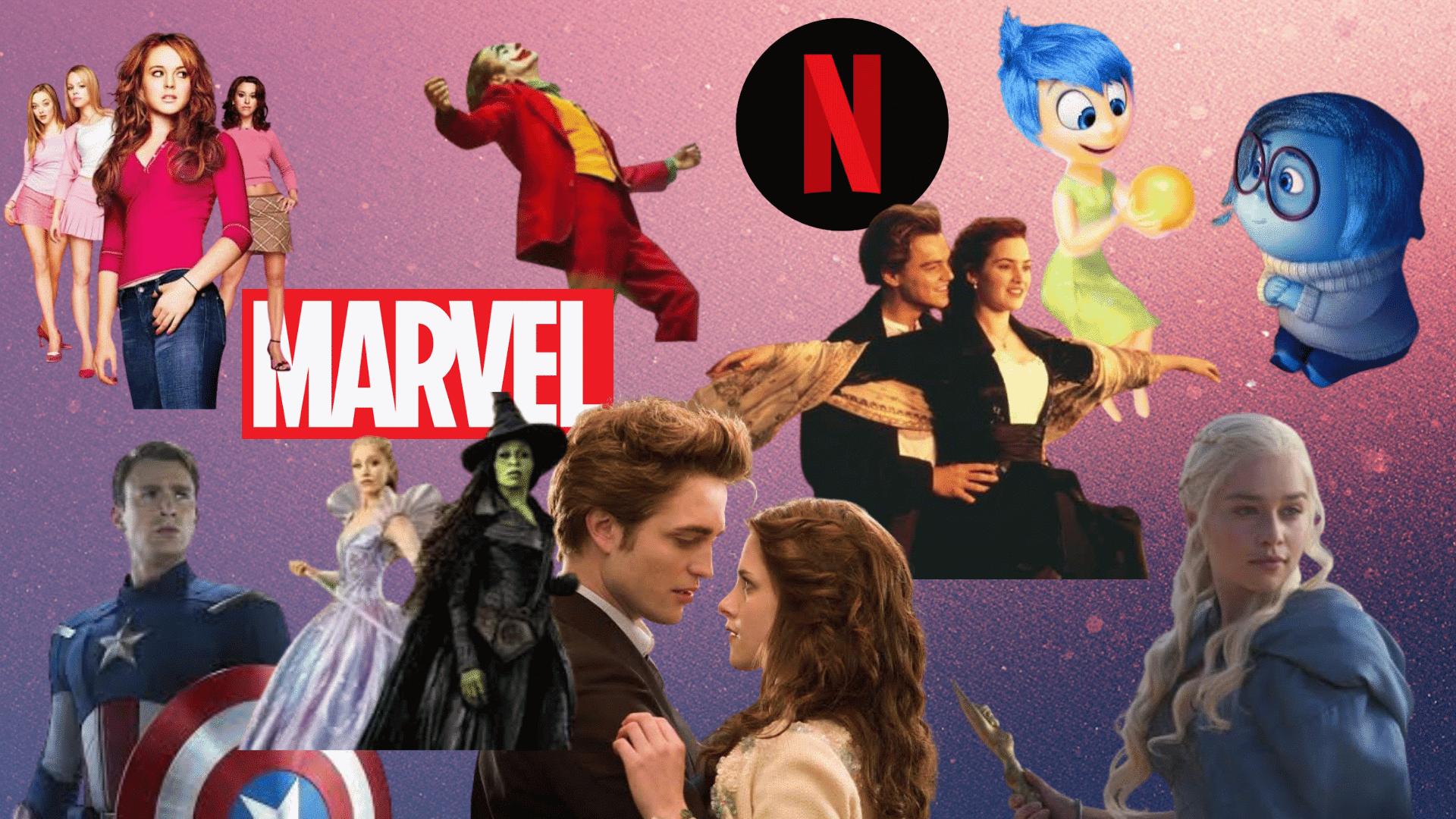
Popular films, TV shows, and streaming series shape conversations long after their release date. They often create characters everyone recognizes.
Fictional characters sometimes become bigger than the shows they came from, showing up in ads, memes, and everyday conversations.
Marvel is a good example of this shift. It grew far beyond comic book fans and has become a shared cultural reference.
2. Music and Celebrity Culture
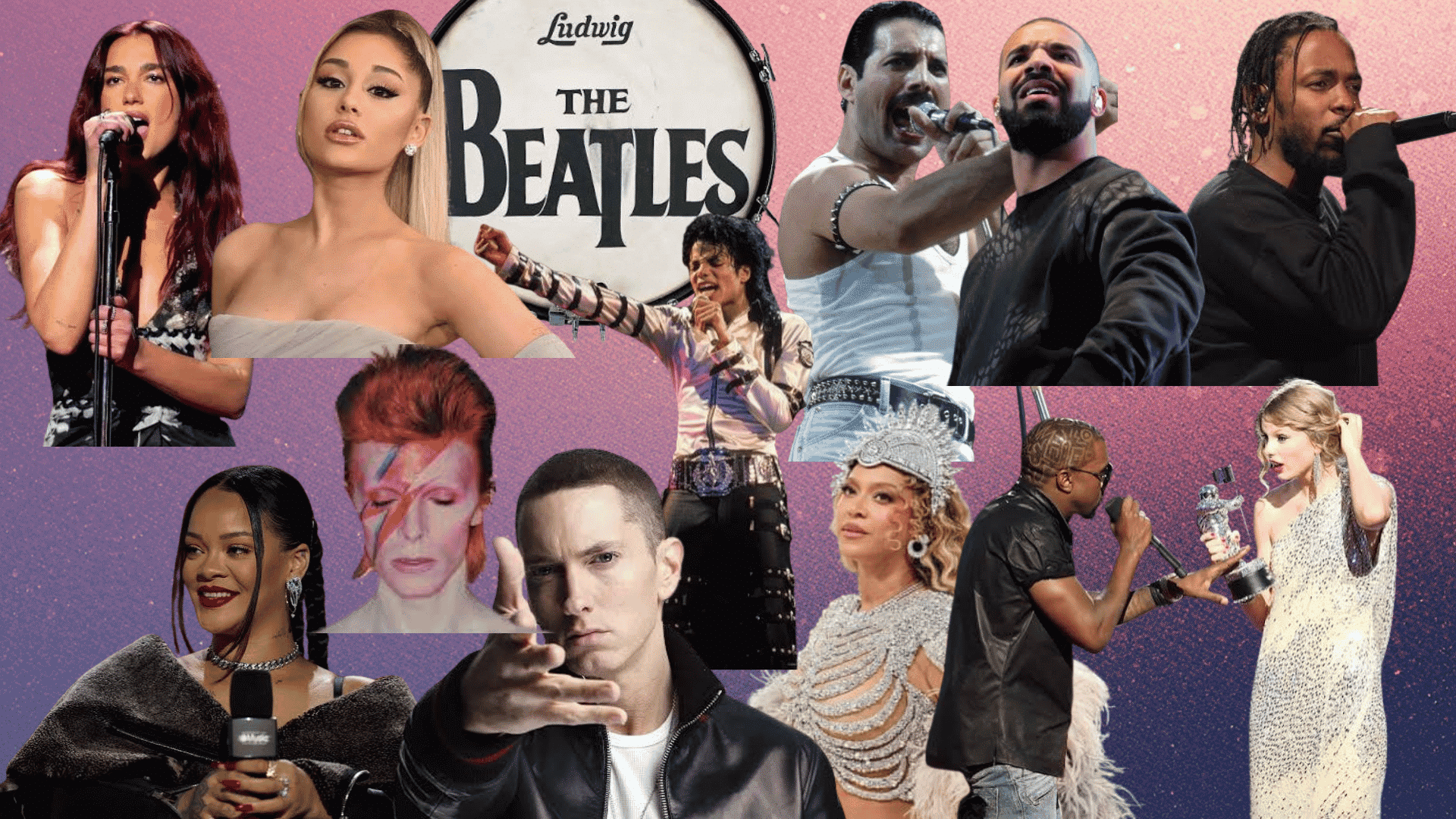
Viral songs, famous artists, and celebrity moments spread fast, especially once social media picks them up and starts sharing clips.
Concert trends add to this too, with certain shows or performances becoming talked about events long after they happen.
You don’t have to follow an artist closely to know their biggest song. That’s how deeply music culture spreads through society.
3. Social Media and Internet Trends
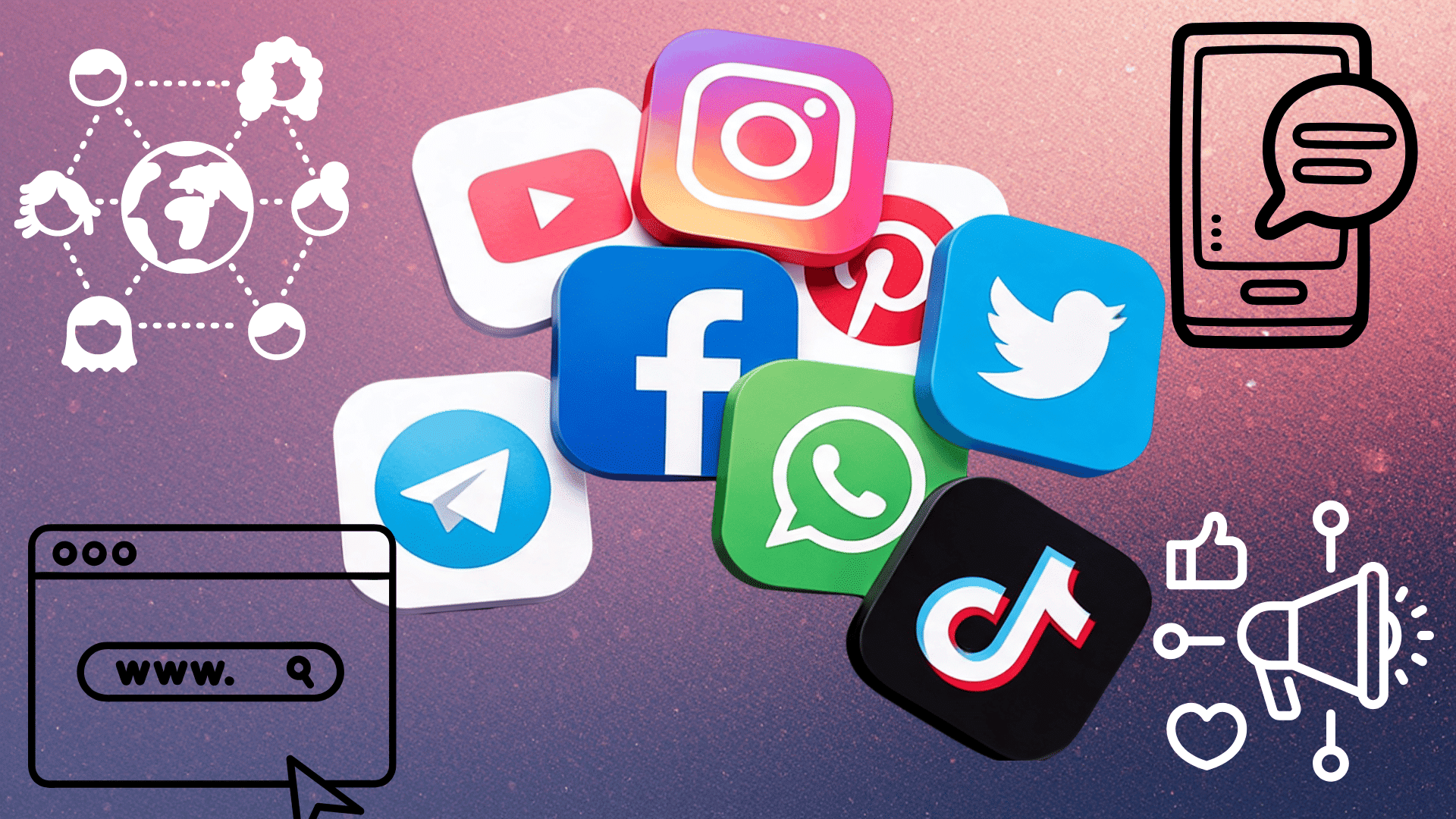
TikTok trends, memes, and viral challenges move quickly, often shifting from niche corners of the internet to mainstream culture within days.
Online communities play a big role here too, helping trends gain traction before larger platforms or media outlets notice them.
Digital platforms let ordinary users create and spread pop culture themselves, without needing a studio, label, or big budget involved.
4. Fashion, Sports, and Gaming
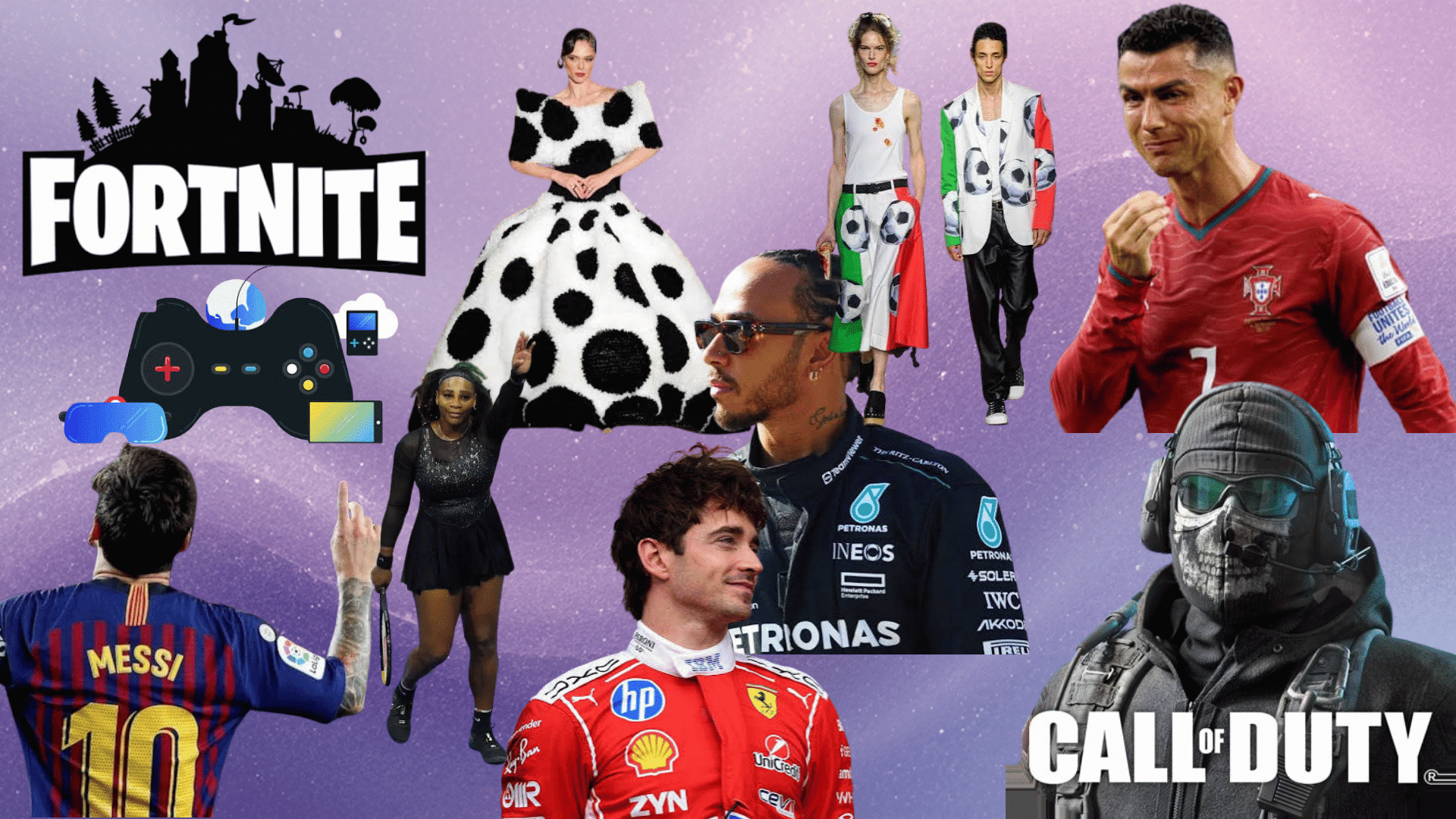
Clothing trends, major sports moments, and gaming communities all build their own fan cultures with shared language and inside references.
A single outfit or sports highlight can spread across platforms fast, turning into something people reference for years afterward.
These spaces often overlap too. A sports moment can become a meme, and a gaming trend can shape fashion choices.
Why Does Pop Culture Matter?
Pop culture matters because it creates shared experiences between people who might otherwise have very little else in common with each other.
It also connects different generations and communities, giving people something familiar to talk about across age gaps and different backgrounds.
It also reflects changes happening in society, often showing shifts in values and attitudes before they show up anywhere else.
Beyond entertainment, pop culture helps people understand identity and belonging, especially when they connect strongly with a specific trend or community.
How Does Pop Culture Change Over Time?
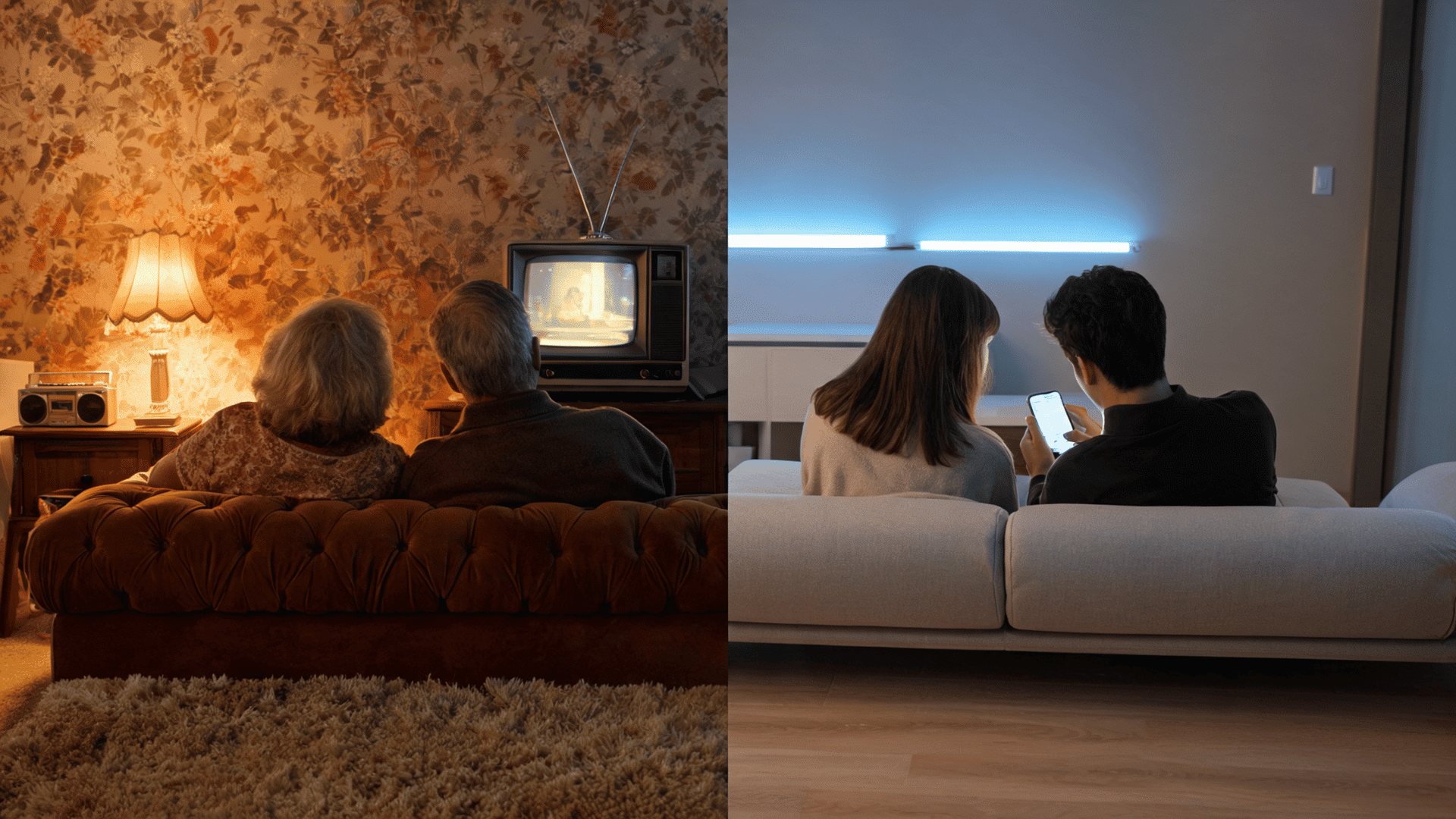
Pop culture never really stays still. It’s constantly evolving, shifting from one trend to another as new generations take over.
Technology plays a huge role in how fast and far culture spreads, changing the entire pace at which pop culture moves.
Past influences shaped culture more slowly, through channels people had limited say over. Modern influences move much faster, often driven by regular users instead of big studios.
What dominates one generation often turns into nostalgia for the next. Old trends resurface later, just with a completely different audience.
Reddit Discussion: How People Explain Pop Culture
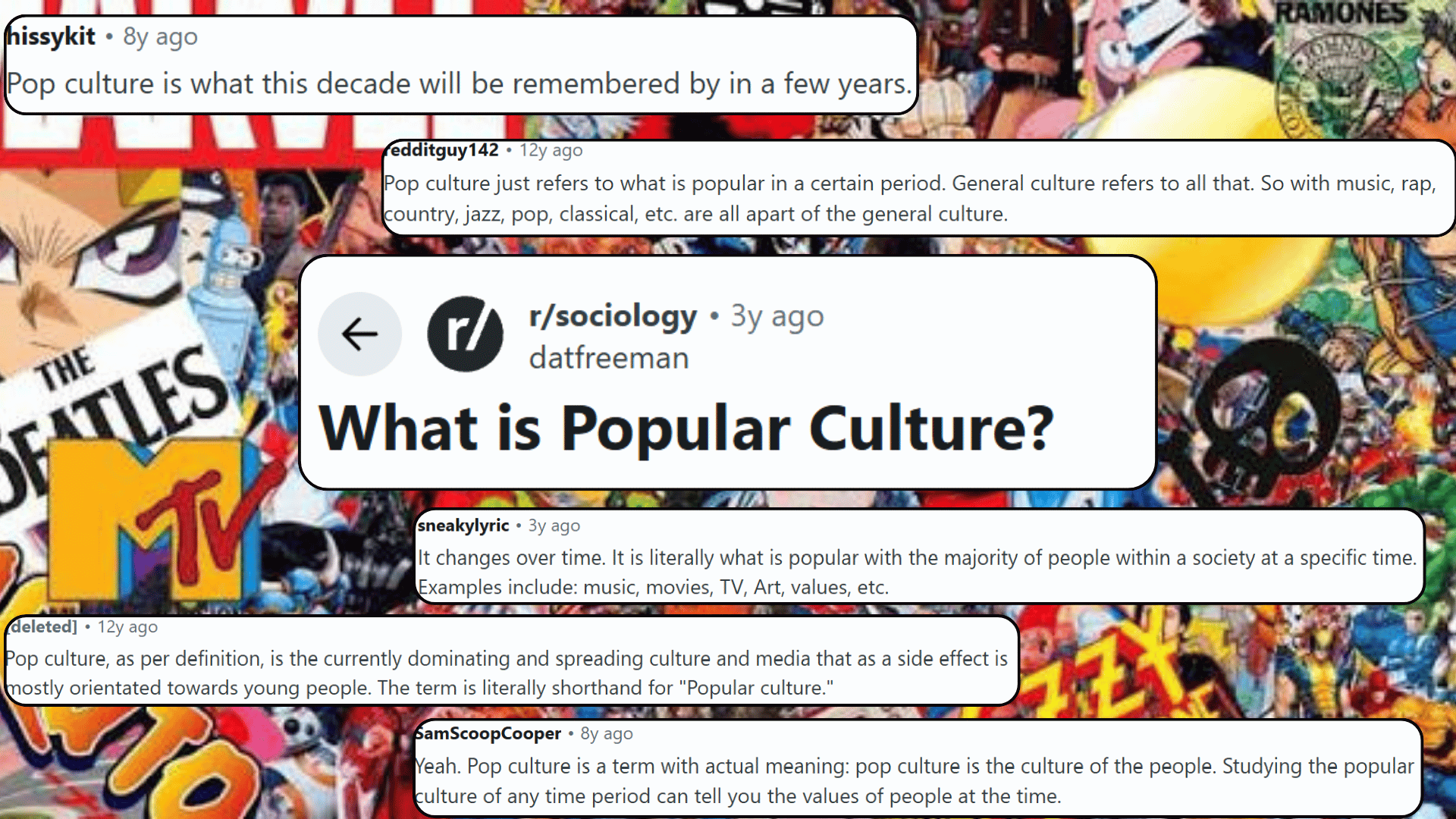
A discussion on r/sociology asked users for a scientific definition of popular culture, along with examples beyond common entertainment categories.
The common view among most users was simple. Pop culture reflects whatever is popular at a specific moment, like music, movies, and trends.
Several users pushed back on the entertainment-only view, pointing out that habits, jokes, and shared references count as pop culture too.
Even researchers don’t fully agree here. Some see it as mass media and commercial output, while others view it as everyday culture people create themselves.
Wrapping Up
So, what is pop culture really? It is more than just entertainment. It is the ideas, trends, and shared experiences that shape our everyday lives in small and big ways.
The meaning of pop culture changes depending on who you ask. Some people see it as mass media, while others see it as everyday community culture.
From movies and memes to daily social habits, pop culture reflects what people truly value, enjoy, and talk about with each other.
At the end of the day, pop culture is simply a mirror. It shows us who we are, what we care about, and how we connect.
What do you think best represents pop culture today? Share your thoughts or experiences in the comments below.
Frequently Asked Questions
What Is Gen Z Pop Culture?
Gen Z pop culture includes trends this generation shapes and follows, like TikTok humor, niche internet slang, streaming favorites, and fast-moving social media moments that spread mostly through digital platforms.
What Is the Most “Popular” Pop Culture?
There’s no single “most popular” pop culture item since trends shift constantly. Right now, social media trends, viral music, and streaming shows tend to dominate conversations the most.
Is Pop Culture Good or Bad for Society?
Pop culture isn’t strictly good or bad. It connects people and reflects society, but it can also spread unhealthy trends or shallow values depending on how it’s consumed.