
“Sometimes, the sound you hear is not just noise, it is something your body has been waiting for.”
A soft sound in the background can gently slow your thoughts and ease the tension you carry through the day.
That steady tone or quiet rhythm can bring a sense of calm without any effort.
But what is sound healing, and how can simple sounds create such a soothing effect on your body and mind?
It goes beyond just listening, working in subtle ways that help you feel more settled and at ease.
In the sections ahead, you will learn how it works, the different forms it takes, and how it can fit into daily life.
What Is Sound Healing?
Sound healing is a practice that uses different sounds and vibrations to relax your body and calm your mind.
Think of it like a soft massage, but for your ears and feelings. Instead of touch, the sound waves do the work.
People use tools such as singing bowls, gongs, tuning forks, and gentle music to create these healing sounds. The idea is simple.
When you listen, your body slows down, your stress drops, and your mind feels still. It is an old practice that still helps people today.
How Sound Healing Works?
Sound healing works through a mix of physical and mental responses in your body.
Here are the three main ways it brings calm and balance:
Sound and Vibrations
Every sound creates small vibrations that travel through the air and into your body.
Your muscles, cells, and tissues pick up these gentle waves, which helps them soften and release built-up tension.
Brainwave Changes
Slow, steady sounds can shift your brainwaves into a calmer state.
This is why your mind feels quiet during a session. It also helps with better focus and a deeper sense of rest.
Energy Balance
Many old traditions believe the body holds energy that can feel stuck or off.
Sound is used to gently move this energy, helping you feel lighter, more steady, and emotionally settled again.
Types of Sound Healing
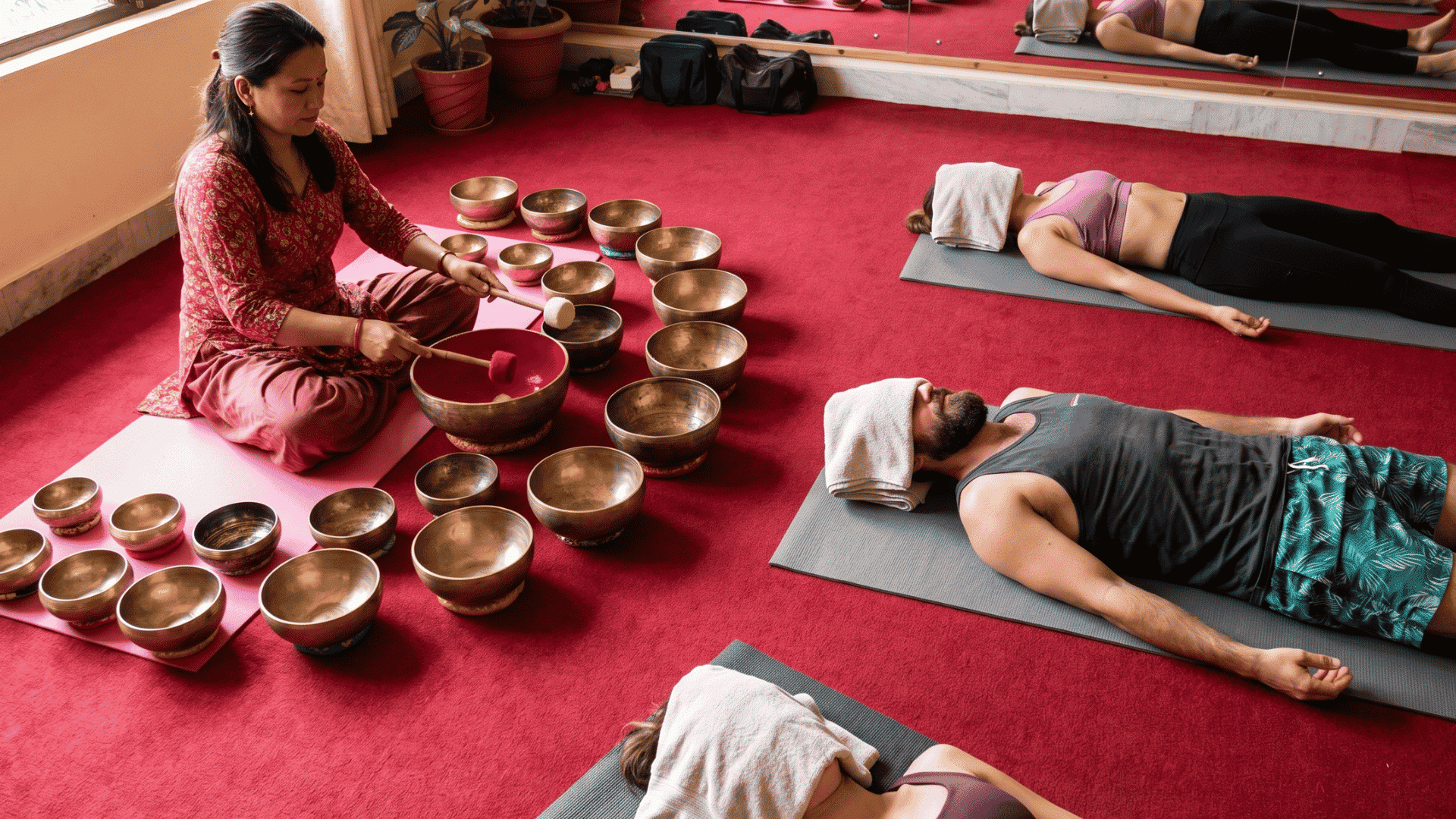
Sound healing comes in many forms, and each one uses a different tool or method to bring calm. Some are very old traditions, while others are newer practices.
Here are the main types you will come across:
1. Singing Bowls
Singing bowls are metal or crystal bowls that make a deep, ringing sound when struck or rubbed with a mallet.
The sound lingers in the air and feels soft to the ears. People often use them for meditation, deep rest, and easing daily stress at home.
Best for: people who feel anxious or have trouble slowing down their thoughts.
2. Gongs
Gongs are large metal discs that create strong, full sound waves when hit with a soft mallet.
The sound is bigger and bolder than a singing bowl. It can feel powerful in your body, almost like a wave passing right through you.
Many people enjoy gongs in group sound baths for deeper release.
Best for: people who want a strong release of stuck tension or heavy emotions.
3. Tuning Forks
Tuning forks are small metal tools shaped like the letter Y. When tapped, they make a clear, steady tone.
A practitioner holds them near the body or places them gently on the skin. The soft hum is said to ease pain, calm the nerves, and help the body settle into a quiet state.
Best for: people dealing with body pain, tight muscles, or low energy.
4. Chanting and Mantras
Chanting means repeating words, sounds, or short phrases out loud. Mantras are short sayings often used in spiritual practice.
The act of repeating them creates a steady rhythm that quiets the mind. You can do this alone or with a group, and it does not need any special tools or money.
Best for: people who want a simple practice they can do anywhere, anytime.
5. Music Therapy
Music therapy uses songs, beats, and sound patterns to support mental and emotional health. A trained therapist guides the session.
They may ask you to listen, sing, or even play an instrument. It is used in hospitals, schools, and clinics to help with many needs, both physical and emotional.
Best for: people working through grief, trauma, memory loss, or other deep emotional needs.
Quick Tip: You do not have to pick just one type. Many people mix two or three to see what fits their mood and needs. Start small, try a short session at home, and notice how your body feels after. Trust that feeling. It will guide you to the right choice.
Benefits of Sound Healing
Sound healing is more than just a calming sound in the background. It works on your body, mind, and feelings at the same time.
Below are the main perks people often notice after a session:
- Reduces Stress: Slows your heart rate and softens daily worry quickly.
- Improves Sleep: Helps you fall asleep faster and rest more deeply.
- Helps With Focus: Clears mental fog and sharpens your attention span.
- Supports Emotional Balance: Lifts low moods and steadies strong, heavy feelings.
- May Ease Pain: Loosens sore spots and brings mild physical relief.
The more often you make space for sound healing, the more your body and mind start to thank you for it.
What Happens in a Sound Healing Session?
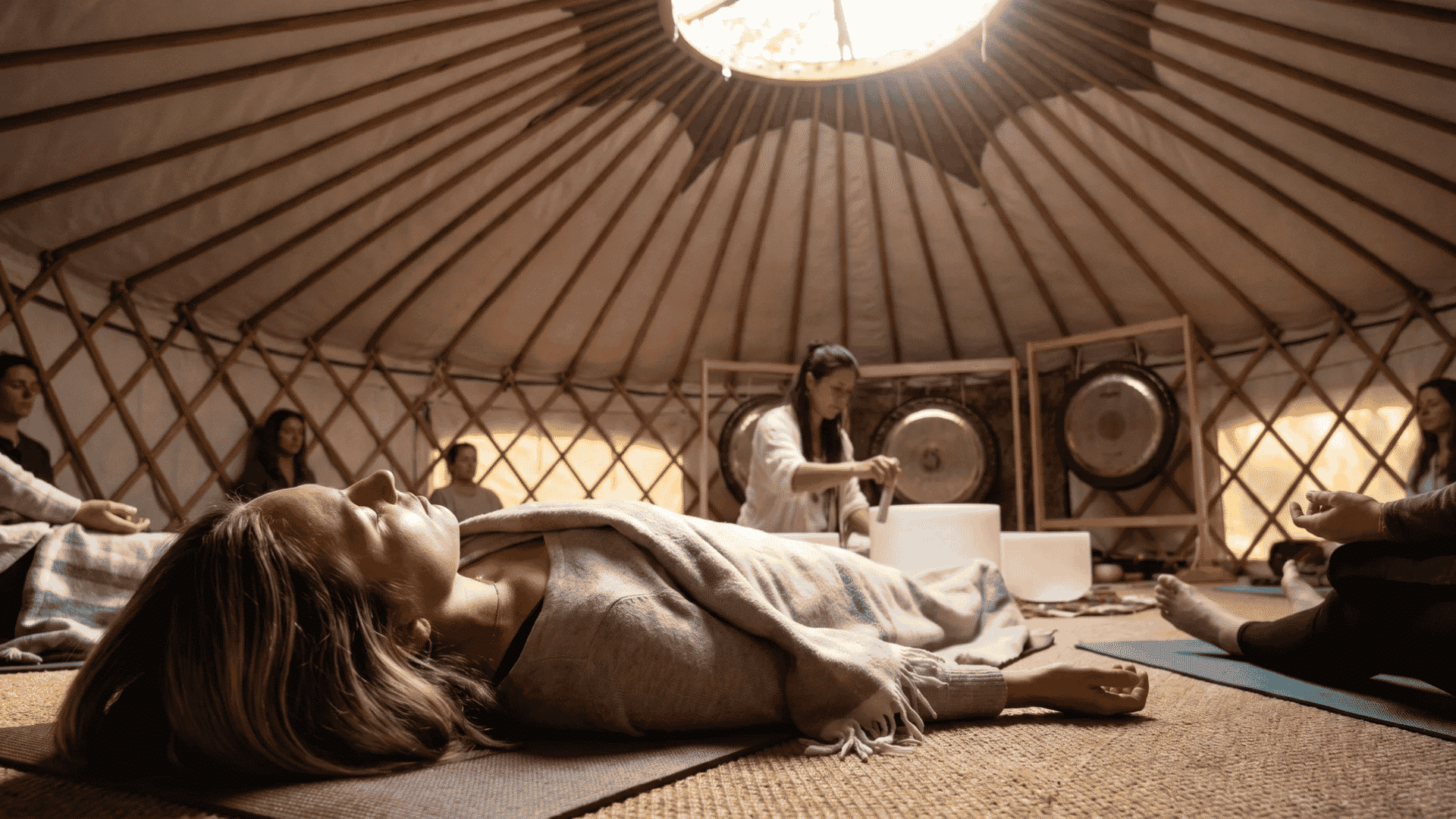
A sound healing session is calm and easy to follow from start to finish.
You usually lie down or sit comfortably in a quiet space while the practitioner plays instruments like bowls, gongs, or soft chimes around you.
There is nothing you need to do, as the focus is only on listening and relaxing.
As the sounds flow, your body may feel lighter, and your mind may slow down.
Some people feel sleepy during the session, while others notice a gentle sense of calm and clarity afterward.
Is Sound Healing Safe?
Sound healing is generally safe for most people when done in a calm and controlled setting.
The sounds used are gentle and meant to support relaxation, not cause discomfort.
However, people with certain health conditions, such as severe mental health concerns, sound sensitivity, or those who are pregnant, may want to check with a doctor before trying it.
It is always best to listen to your body and stop if anything feels uncomfortable.
Who Should Avoid Sound Healing?
Some people may need to be more careful before trying sound healing. While it is gentle, certain conditions can make strong or repeated sounds uncomfortable or unsuitable.
- People with severe sound sensitivity or hearing issues
- Those with epilepsy or seizure-related conditions
- Individuals with serious mental health concerns
- Pregnant women, especially in early stages
- Anyone recovering from recent surgery or serious illness
If unsure, it is always better to check with a medical professional before starting.
Sound Healing at Home
Sound healing at home is easy to try and does not need any special setup.
You can sit or lie down in a quiet space, play soft sounds through headphones or speakers, and allow your body to settle at its own pace.
Many people use gentle tones, nature sounds, or slow instrumental music to create a calm setting.
You can also hum softly or focus on slow breathing while listening. Start with short sessions and notice how your body feels after each one.
Spotify Playlist Ideas:
- “Sound Bath” by Spotify
- “Deep Sleep Sounds”
- “Healing Frequencies” by Meditation Relax Club
- “Calm Vibes” by Spotify
- “Ambient Relaxation” by Chill Tracks
Sound Healing vs Music Therapy
Sound healing and music therapy may seem similar, but they are used in different ways and settings.
One focuses on passive listening and relaxation, while the other involves guided support from a trained expert.
| Aspect | Sound Healing | Music Therapy |
|---|---|---|
| Approach | Focuses on listening to tones and vibrations | Involves active participation like singing or playing |
| Guidance | May or may not involve a trained practitioner | Always led by a certified therapist |
| Goal | Supports calmness and inner balance | Works on emotional, mental, and clinical needs |
| Setting | Often done in wellness spaces or at home | Used in hospitals, clinics, and care centers |
| Structure | Less structured and more flexible | Follows a planned, goal-based process |
Both methods use sound, but the purpose and experience can feel quite different depending on your needs.
Conclusion
Sound healing is a simple yet effective way to promote calm through sound and vibration.
As you have seen, what is sound healing goes beyond just listening, as it works through your body’s natural response to sound, helping ease tension and quiet the mind.
With different types like singing bowls, gongs, and guided sessions, there is something for everyone.
It also offers benefits like better rest, improved focus, and emotional balance when used regularly.
Whether done in a session or at home, it fits easily into daily life without much effort.
Have you tried sound healing, or have you found a sound that helps you relax? Share your experience or favorite in the comments below.
Frequently Asked Questions
Can People with Epilepsy do Sound Baths?
People with epilepsy should be careful with sound baths, especially those with strong or sudden sounds. It is best to consult a doctor before trying, as responses can vary from person to person.
What are the 9 Sacred Frequencies?
The 9 sacred frequencies, also known as Solfeggio frequencies, are specific tones believed to support relaxation and balance. Common ones include 174 Hz, 285 Hz, 396 Hz, 417 Hz, 528 Hz, 639 Hz, 741 Hz, and 852 Hz.
What Does Jesus Say About Epilepsy?
In the Bible, epilepsy is sometimes described as a condition linked to suffering or distress. Jesus is shown healing individuals with such conditions, reflecting care, compassion, and relief from physical and spiritual struggles.