
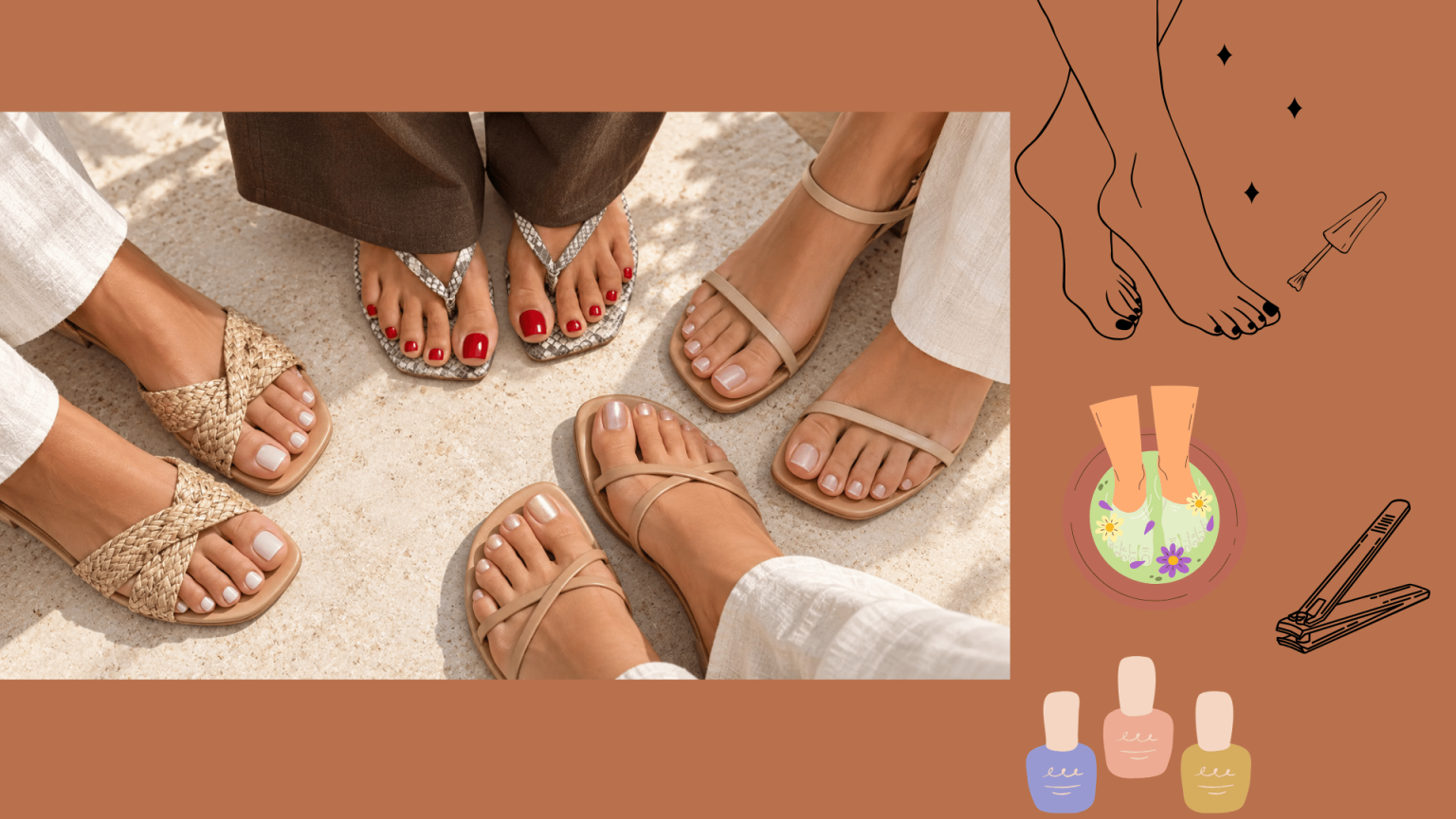
Booking your first pedicure can feel oddly intimidating. You expect painted toenails and leave wondering why there was so much soaking, filing, and massaging involved.
So what’s a pedicure, exactly? At its core, it’s a cosmetic treatment for the feet and toenails that combines nail grooming with proper skin care, not just a coat of polish. From a skin-care standpoint, the exfoliation and moisturizing steps matter as much as the color you pick, since dry, cracked heels need more than a quick buff to look and feel better.
Salons offer everything from a classic soak-and-polish service to specialized medical pedicures, and knowing what each one involves makes choosing the right one far less confusing.
What Does Pedicure Mean?
A pedicure is a cosmetic treatment for the feet and toenails that typically includes nail shaping, skin exfoliation, moisturizing, and an optional polish finish.
The word explains a lot on its own. It comes from two Latin roots, pedis, meaning foot, and cura, meaning care. Together, pedicure translates to “care of the foot,” which fits what happens in the chair.
Modern pedicures go beyond nail care alone. Most services also treat the surrounding skin on the soles, heels, and lower legs, since feet develop rougher, thicker skin than hands. That broader focus is what separates a standard pedicure from a quick nail trim, and it explains why salons offer several different versions of the service.
Common Types of Pedicures
Salons rarely offer just one pedicure option. Here’s a quick look at the most common types you’ll come across when booking:
- Classic pedicure: A warm foot soak, nail trimming and shaping, cuticle care, light exfoliation, a basic massage, and regular polish.
- Spa pedicure: Builds on the classic with extras like aromatic soaks, sugar or salt scrubs, hydrating masks, and warm towels.
- Gel pedicure: Same prep steps, finished with gel polish cured under a UV or LED nail lamp for a longer-lasting result.
- Paraffin pedicure: Adds warm paraffin wax to intensively moisturize dry, cracked heels.
- French pedicure: A styling choice with a neutral or soft pink base and clean white tips.
- Athletic pedicure: Aimed at active feet, with extra attention to rough calluses and general foot fatigue.
- Medical pedicure: Performed by trained specialists or podiatrists for clinical concerns like fungal nails.
- Mini or express pedicure: A shorter, often waterless option focused on basic shaping and re-polishing.
The Pedicure Process
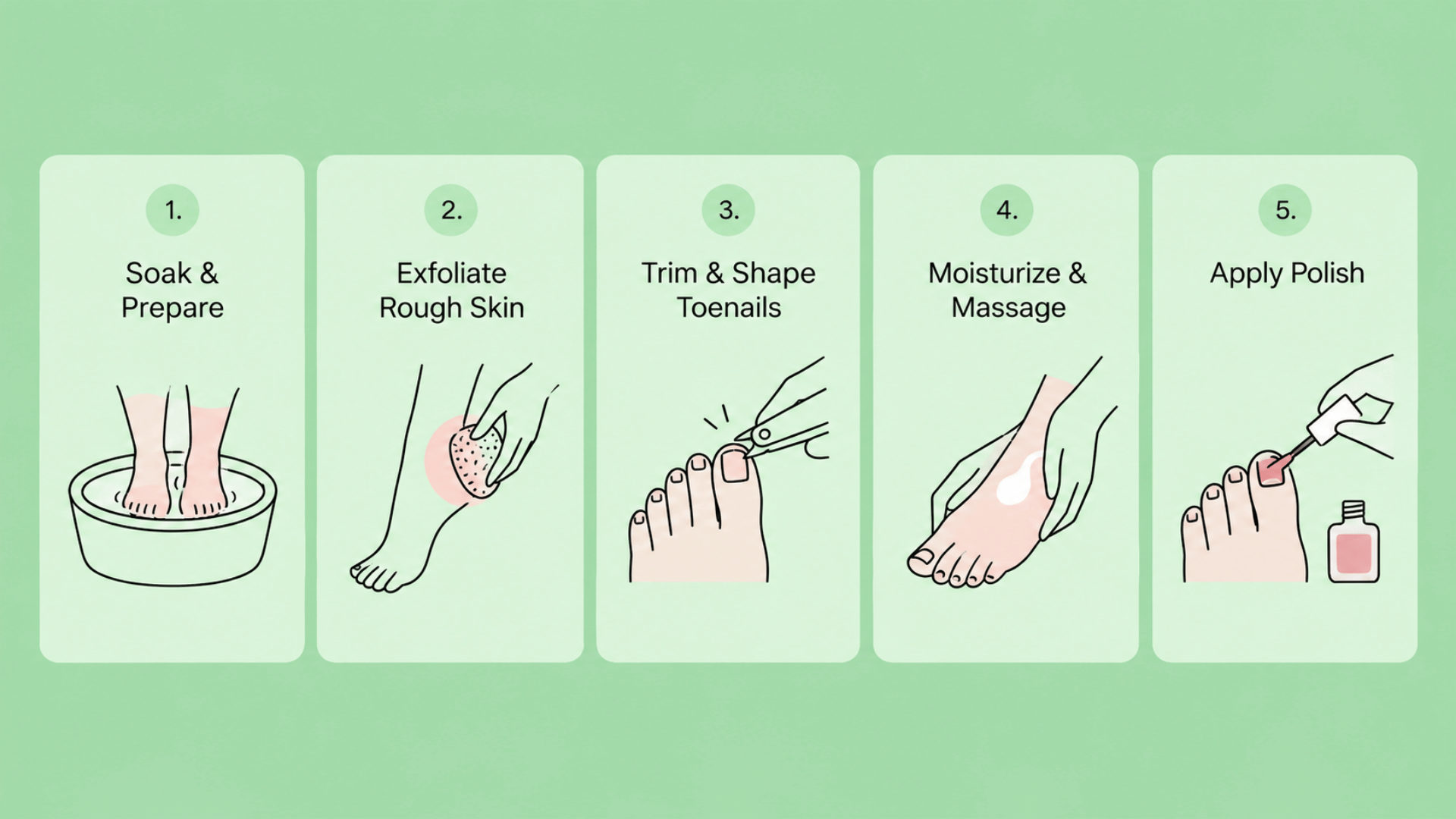
A standard pedicure usually takes about 30 to 60 minutes, while spa, gel, or add-on-heavy services can run longer. The exact sequence varies slightly by salon, but most follow the same core steps.
1. Your Feet Are Soaked and Prepared
Shoes and socks come off first, and your feet usually go into warm water to soften the skin before any grooming begins. Some salons add salts, cleansers, or scented products to the soak. Waterless pedicures skip this step entirely.
Tip: If the water feels too hot or your skin is sensitive or broken, say so immediately rather than waiting it out.
2. Rough Skin Is Gently Exfoliated
A scrub, pumice stone, or foot file smooths away surface dead skin, usually focusing on the heels, soles, and other rough areas.
This is meant to soften texture, not strip away every callus in one visit. Comfort matters more than perfectly smooth heels, so ask the technician to ease up if filing starts to hurt.
3. Toenails Are Trimmed and Shaped
Old polish comes off first, then the technician trims, files, and often buffs the nails. Toenails are generally safer trimmed fairly straight across rather than deeply rounded at the corners.
Cuticles need a lighter touch. Dermatologists advise against cutting or aggressively pushing back cuticles, since that can open the door to infection.
4. Moisturizer and Massage Are Applied
Lotion or cream is worked into the feet and lower legs, often paired with a short massage that adds relaxation and helps the product absorb.
Spa versions may include masks, hot towels, or paraffin at this stage. Think of it as the step that makes a pedicure feel like self-care, not just grooming.
5. Polish Is Applied If You Want It
Polish is optional, not the point of the service. If you choose it, the nail plate is cleaned first, then a base coat, color, and top coat go on in order.
Regular polish needs drying time, while gel is cured under a lamp in minutes. Tip: open-toe shoes make leaving with wet regular polish much easier.
Difference Between Manicure and Pedicure
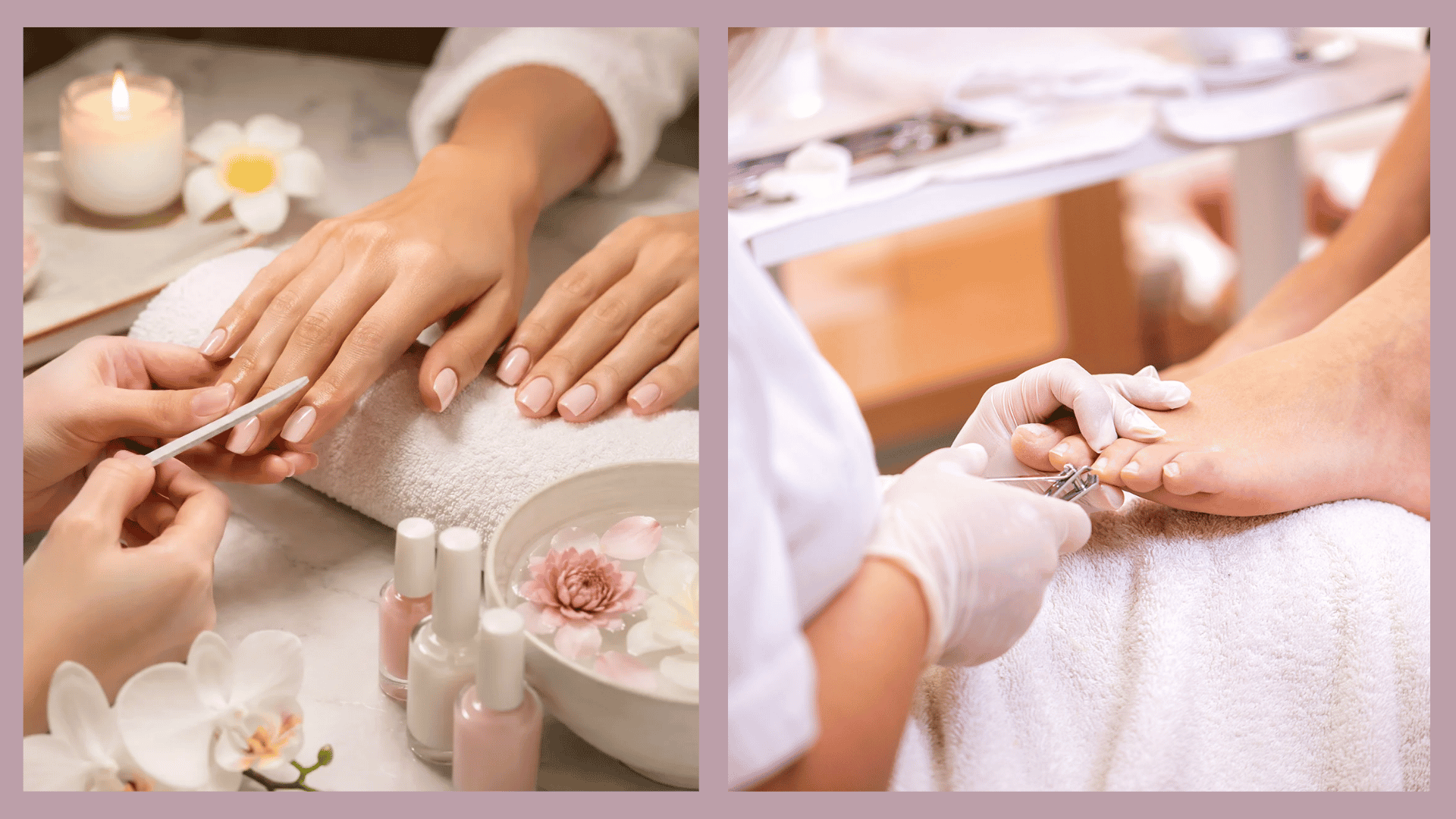
Both services groom nails and the surrounding skin, but the difference between manicure and pedicure comes down to the body part treated and how much skin care is involved.
|
Feature |
Manicure |
Pedicure |
|---|---|---|
|
Area treated |
Hands and fingernails |
Feet and toenails |
|
Nail care |
Trim, shape, file, buff |
Trim, shape, file, buff |
|
Skin focus |
Hands and cuticles |
Soles, heels, surrounding foot skin |
|
Exfoliation |
Usually light |
Often more intensive |
|
Soaking |
Sometimes used |
Commonly used |
|
Massage |
Hands and forearms |
Feet and lower legs |
|
Polish |
Regular, gel, French, or none |
Regular, gel, French, or none |
The real difference between manicure and pedicure isn’t the polish. It’s the amount of skin care involved, since feet handle far more daily pressure and develop tougher, drier patches than hands ever do.
How Much Does a Pedicure Cost?
A basic pedicure typically costs $25 to $50 at a standard nail salon. Pricing depends heavily on your location, the salon’s service level, and any add-ons you choose.
- Classic pedicure: roughly $25 to $50, covering the soak, nail work, light exfoliation, and regular polish.
- Gel pedicure: roughly $40 to $80, since it swaps regular polish for a longer-lasting gel finish.
- Spa or deluxe pedicure: roughly $50 to $100, with deeper exfoliation, masks, or an extended massage.
- Mani-pedi combo: roughly $50 to $130, often discounted when booked together.
Extras like nail art, gel removal, callus treatments, or premium products are usually priced separately, so it’s worth asking before you sit down.
Benefits and Risks of a Pedicure
A pedicure is a cosmetic and relaxation service first, not a medical treatment. Its clearest value comes from nail upkeep, smoother skin, and the moisture and massage that make feet feel genuinely cared for.
Benefits:
- Removes surface buildup: exfoliation smooths flaky skin and rough patches.
- Keeps toenails tidy: regular trimming controls length and rough edges.
- Moisturizes dry feet: lotion softens skin that’s often neglected day to day.
- Improves appearance: buffing, shaping, and polish give a finished look.
- Feels genuinely relaxing: warm water, massage, and dedicated time to yourself.
Risks to keep in mind:
- Infection: poorly disinfected tools or foot baths can spread bacteria or fungus.
- Skin irritation: aggressive filing or cuticle cutting can cause small injuries.
- Product reactions: fragrances or polish ingredients may irritate sensitive skin.
- Underlying issues: open wounds, swelling, or unexplained nail changes need medical attention, not a spa treatment.
Foot-Care Advisory: Skip a cosmetic pedicure if you have an open cut, active infection, or unexplained painful nail changes. If you have diabetes, this isn’t a blanket no. Diabetes can affect nerve sensation, circulation, and wound healing, so people with neuropathy, poor circulation, or existing foot problems should ask their doctor.
How to Choose a Safe Nail Salon
A clean-looking salon isn’t proof of safe practices. What actually matters is how tools, foot baths, and disposable items are handled between clients.
- Ask about tool care: Reusable metal tools should be properly cleaned and disinfected, and it’s fair to ask exactly how.
- Check the foot bath: Disinfect basins and their filters before every client, since dirty pipes can harbor bacteria.
- Look for single-use items: Files, buffers, and pumice stones should be new or provided just for you.
- Protect your cuticles: Never cut or forcefully push back cuticles, since that raises infection risk.
- Skip pre-pedicure shaving: Avoid shaving your lower legs for at least 24 hours beforehand, since small nicks can become entry points for infection.
- Confirm licensing: Technician and salon license requirements vary by state, so it’s worth checking your state’s board if you’re unsure.
Final Takeaway
A first pedicure doesn’t need to feel complicated once you know what’s happening at each step. If you’re mainly after tidy nails and basic grooming, a classic service covers it. Gel suits anyone who wants color to last, while spa upgrades are worth it for extra skin care and relaxation.
You can also skip polish, decline cuticle cutting, or ask for lighter exfoliation at any point. A salon’s hygiene practices matter more than any add-on menu, so don’t hesitate to ask questions before you sit down. If you were still wondering whats a pedicure is before reading this, the short answer is care of the foot, done well.
Already had a pedicure that didn’t go as expected? Share in the comments what you wish someone had told you before your first appointment; it might save the next reader an awkward salon visit.