

Arkansas recorded 569 roadway fatalities in 2025, showing the continuing risks drivers face across the state. By July 29, 2026, Arkansas had recorded 245 traffic fatalities, compared with 292 during the same period in 2025, reflecting a decline so far this year. Recent crashes in Little Rock still highlight how quickly a collision can become serious. A fatal wrong-way crash on I-430 and a separate fatal collision on Lawson Road are reminders that determining what happened may not always be simple.
When an insurer denies fault, a Little Rock car accident attorney can help examine the evidence and challenge an unsupported version of events. Crash reports, photographs, vehicle damage, witness statements, traffic camera footage, and medical records may all help establish responsibility. For someone recovering from a collision, being able to clearly understand the facts can make the claims process less overwhelming. It can also provide a stronger foundation for addressing a disputed insurance claim.
Why Insurers Deny Fault
An insurer’s denial does not decide who caused a collision. The company may rely on its policyholder’s account, question the severity of the impact, or argue that available evidence fails to establish responsibility. Adjusters also review police reports, photographs, medical records, witness accounts, and vehicle damage before making claim-related decisions.
A car accident attorney reviews these materials independently and identifies gaps in the insurer’s position. The attorney can compare each account with physical evidence, traffic conditions, medical records, and the collision timeline. This process gives the injured person a clearer basis to challenge a denial and pursue payment for documented losses.
What an Attorney Examines

Fault often depends on details that disappear quickly. Skid marks fade, damaged vehicles are repaired, surveillance recordings get overwritten, and witnesses forget what they saw. An attorney gathers available evidence before such information becomes harder to obtain or interpret.
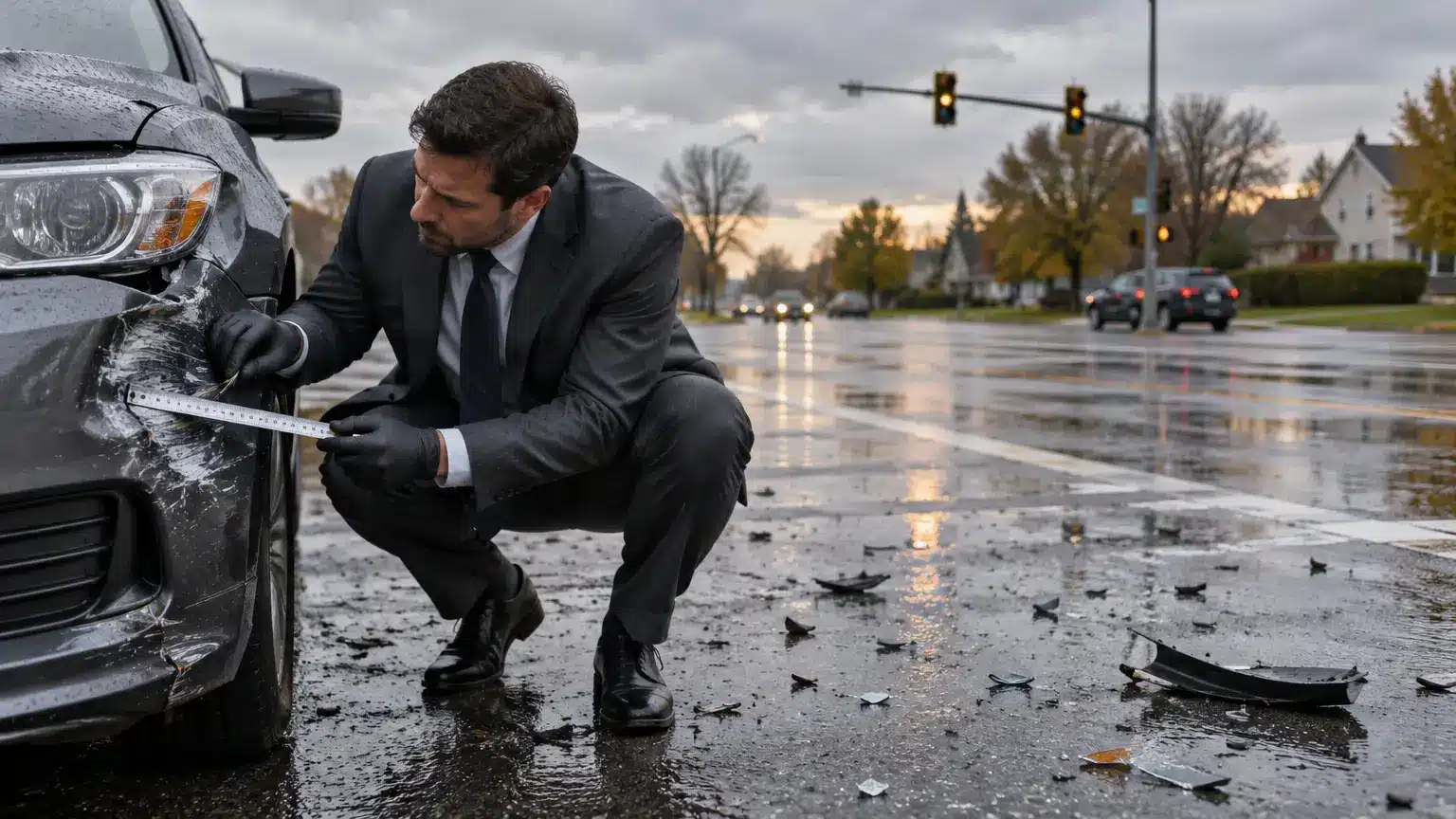
The investigation may include photographs of the scene, vehicle damage, traffic signals, roadway conditions, and visible injuries. It may also include the crash report, witness statements, medical evaluations, employment records, and communication with the insurance company. Each item helps connect the collision to the injuries and financial losses.
Evidence That Changes the Claim
A police report can support a claim, but it does not settle every disputed fact. An attorney checks whether the report contains errors, omitted witnesses, inconsistent statements, or conclusions unsupported by the scene evidence.
Medical records also matter because insurers often question whether an injury really came from the crash. Consistent treatment records, diagnostic findings, and provider opinions help establish when symptoms began and how the collision affected the injured person.
How Legal Representation Changes Negotiations
Insurers respond differently when a claim includes organized evidence and a clear damages calculation. An attorney prepares a demand that explains liability, medical treatment, lost income, property damage, and other supported losses. The demand also addresses the reasons given for denying fault.
The Key Tasks Lawyers Handle
Communication through counsel reduces the risk of careless statements. An injured person’s recorded comment about pain, treatment, or the collision can later affect the claim. An attorney helps preserve accurate facts and responds to requests for records or statements with the client’s legal position in mind.
A lawyer also reviews proposed settlement terms before an injured person accepts them. A settlement can affect future claims, medical bills, and rights against other responsible parties. The written agreement deserves careful review before signing.
When a Lawsuit Becomes Necessary
An attorney may recommend filing a lawsuit when the insurer refuses reasonable negotiations or continues denying clear evidence. Litigation creates formal procedures for lawyers to request documents, take sworn testimony, and obtain information from the other driver or witnesses.
Filing also involves paying attention to deadlines. Arkansas injury claims follow legal time limits, and missing a deadline can prevent recovery. The applicable period depends on the following:
- The facts of a claim
- The parties involved
- The type of losses pursued
A lawsuit does not guarantee a particular result. It does give the injured person a structured process for presenting evidence when informal negotiations fail. Legal counsel manages filings, discovery, settlement discussions, and trial preparation while the client focuses on treatment and recovery.
Conclusion
An insurer’s denial can leave an injured person facing medical bills without a fair explanation or payment. A car accident attorney tests the denial against physical evidence, medical records, witness accounts, and documented financial losses.
The attorney also protects the claim during negotiations and monitors deadlines that affect legal rights. After receiving a denial, the injured person should preserve every record, avoid giving a recorded statement without legal advice, and seek a prompt case review.