

One glance at your fingertips and something looks off. That faint yellow tint wasn’t there before, and now it’s hard to unsee.
If you’ve caught yourself asking, why are my nails yellow, the answer isn’t always obvious. It could be a harmless stain from your favorite polish, or a quiet signal from your body that something needs attention.
The color alone rarely tells the full story. What matters is where it shows up, how the nail feels, and what else is changing alongside it.
Those small details hold the clues, and they point toward what’s really going on beneath the surface.
Why Are My Nails Yellow?
Yellow nails happen when the nail plate changes color due to staining, infection, injury, aging, or certain medical conditions.
In many cases the cause is harmless and temporary, but sometimes it points to a problem that needs treatment. Rather than focusing on the shade alone, it helps to look closer at the nail itself.
Check whether one nail or several are affected, and whether the nail has grown thick or brittle.
Notice if the yellow color is moving outward as the nail grows, and watch for any pain, swelling, or skin changes around it. These details narrow down the cause far better than color on its own.
Tip: Track how the discoloration changes over a few weeks. Staining tends to grow out with the nail, while a cause that keeps appearing in new growth is worth getting checked.
What Can the Appearance of Your Nails Tell You?
Not every yellow nail means the same thing; the pattern offers useful clues. A slight tint near the base may suggest fungal infection, while overall yellowing with thickened nails could point to an underlying health condition.
Paying attention to where and how the color appears can help identify the likely cause.
1. Yellow Only Near the Tip
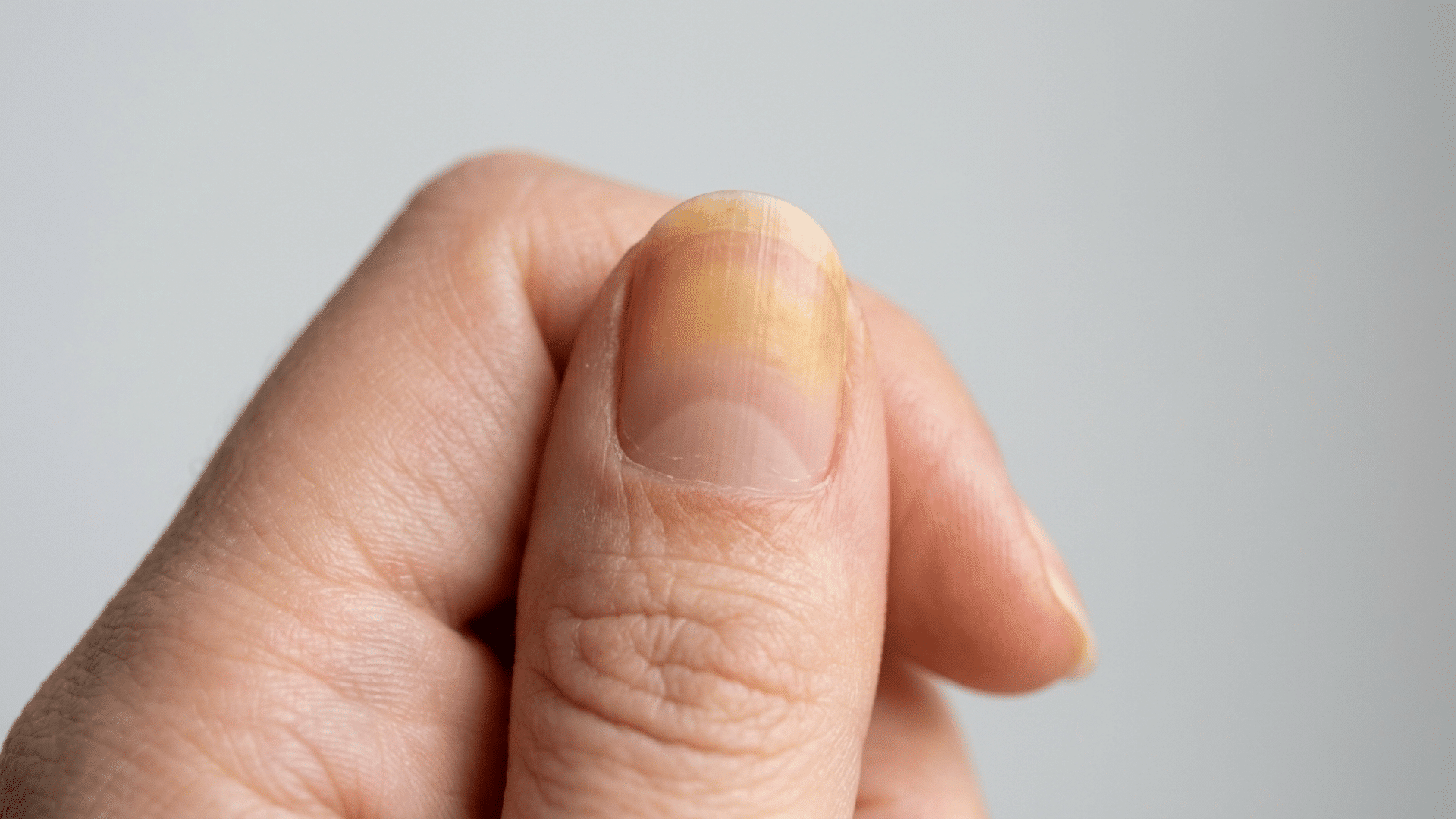
When the upper part of the nail is yellow while the new growth near the cuticle looks normal, staining is often the cause. Dark nail polishes, especially reds and oranges, can seep pigment into the nail plate over time.
Common causes include:
- Dark nail polish
- Hair dye
- Self-tanning products
As the nail grows, the stained section gradually moves toward the tip until it can be trimmed away.
2. The Entire Nail Is Yellow
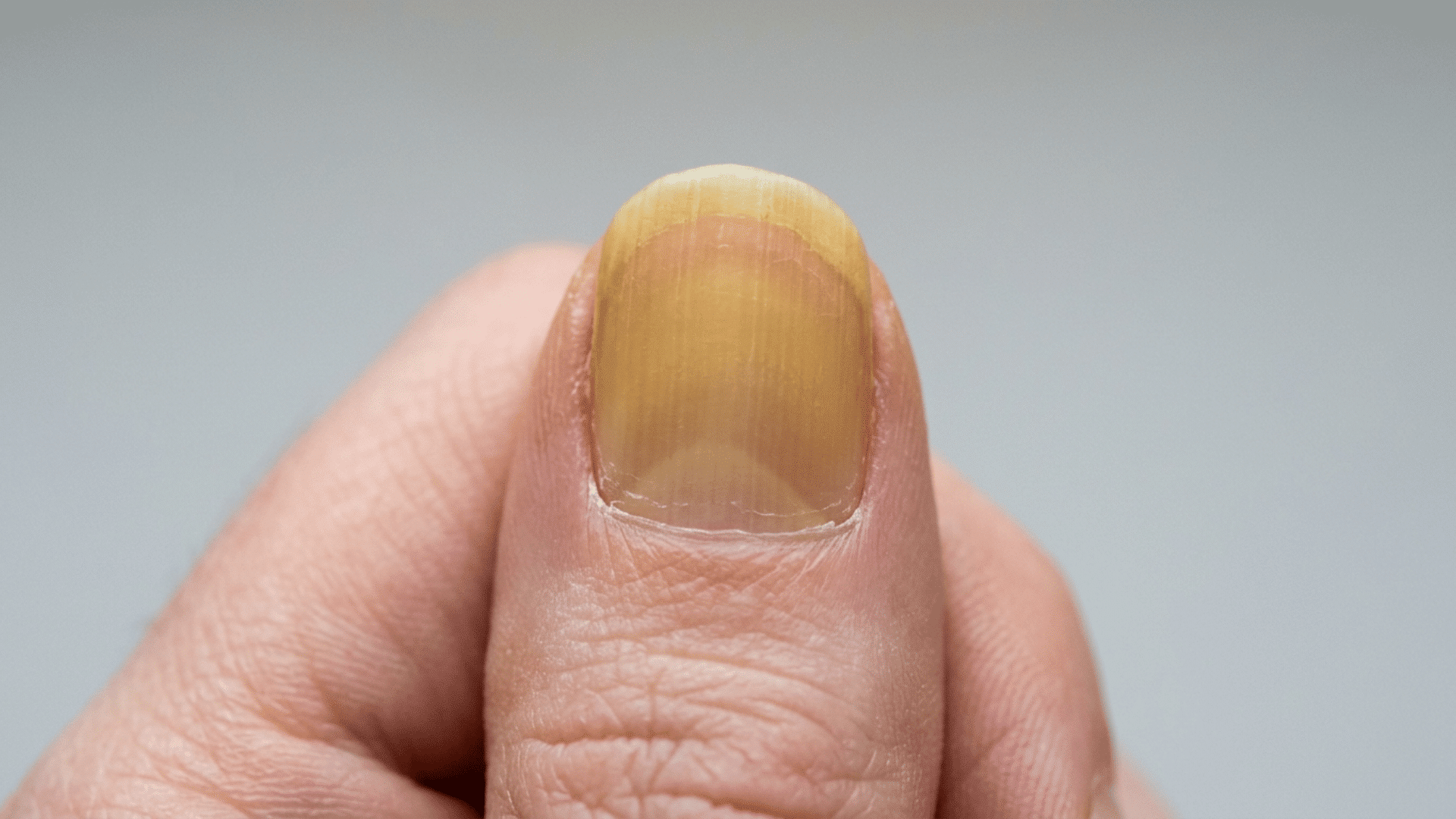
A nail that has turned yellow from base to tip is rarely just a cosmetic issue — it often signals something worth closer attention.
Unlike tip-only staining, full nail discoloration can indicate causes that go beyond surface-level exposure.
Common causes include:
- Nail fungus
- Smoking
- Long-term health conditions
- Rare nail disorders
If new nail growth also appears yellow, the cause is less likely to be simple staining.
Note: When the entire nail is affected, including new growth, it’s worth consulting a doctor to identify the underlying cause.
3. Thick, Crumbly, or Brittle Nails
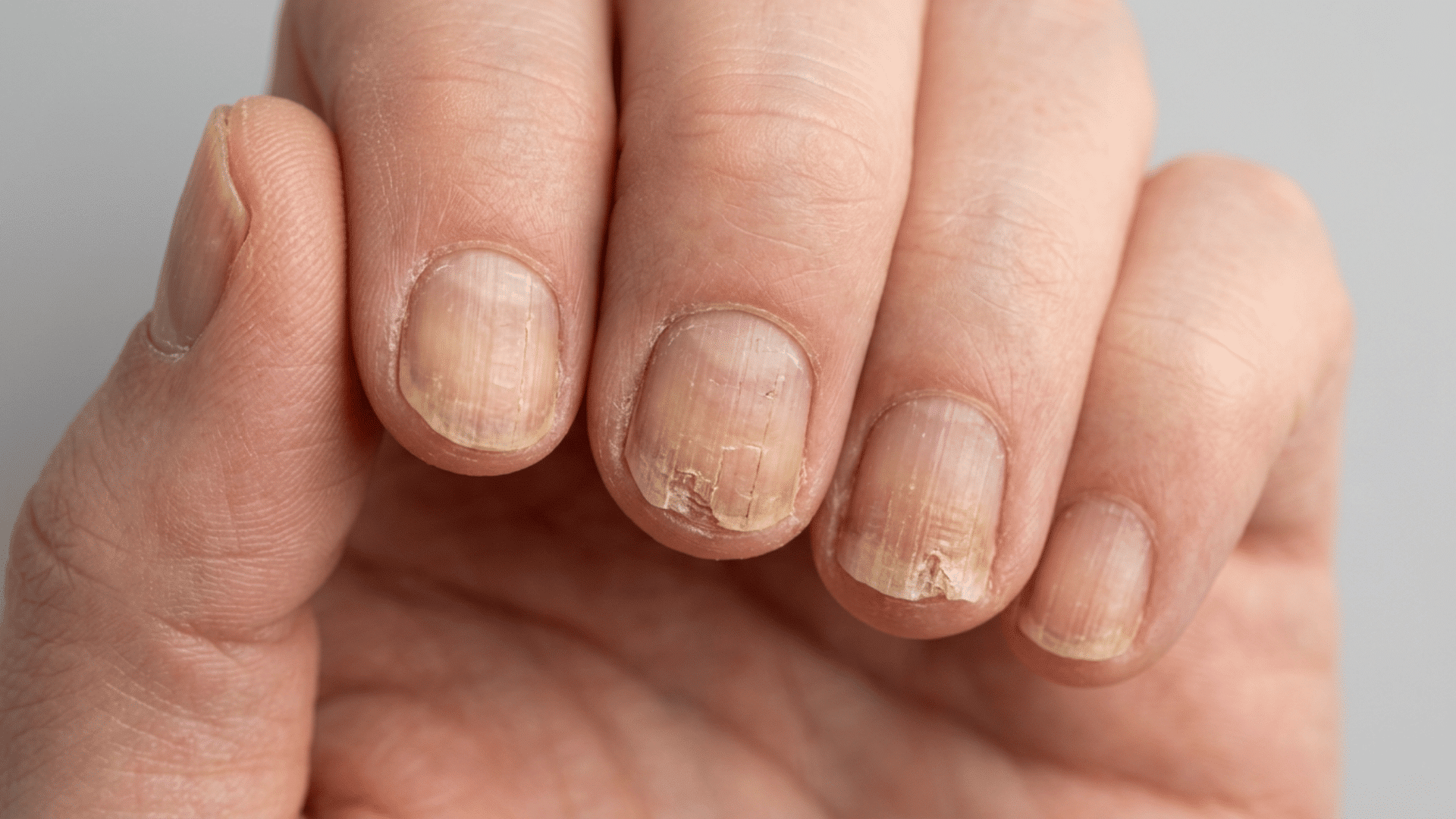
Texture changes are just as important as color in understanding nail health. Thick, rough, or crumbly nails often suggest a fungal infection that warrants early attention.
Nails weakened by repeated injury or frequent water exposure may begin to split or crack over time. Ridges and uneven surfaces can also develop, signaling that the nail plate is under ongoing stress.
Can Yellow Nails be Reversed?
Yes, yellow nails can often be reversed once the cause is addressed. Staining from polish or dye fades as the healthy nail grows out, replacing the discolored portion over a few months.
Fungal infections and health-related causes usually improve with proper treatment.
Recovery takes patience, since nails grow slowly, but with the right care, clear and healthy nails can return.
Common Causes of Yellow Nails
Yellow nails can result from a variety of causes, ranging from everyday habits to underlying medical conditions.
1. Nail Fungus
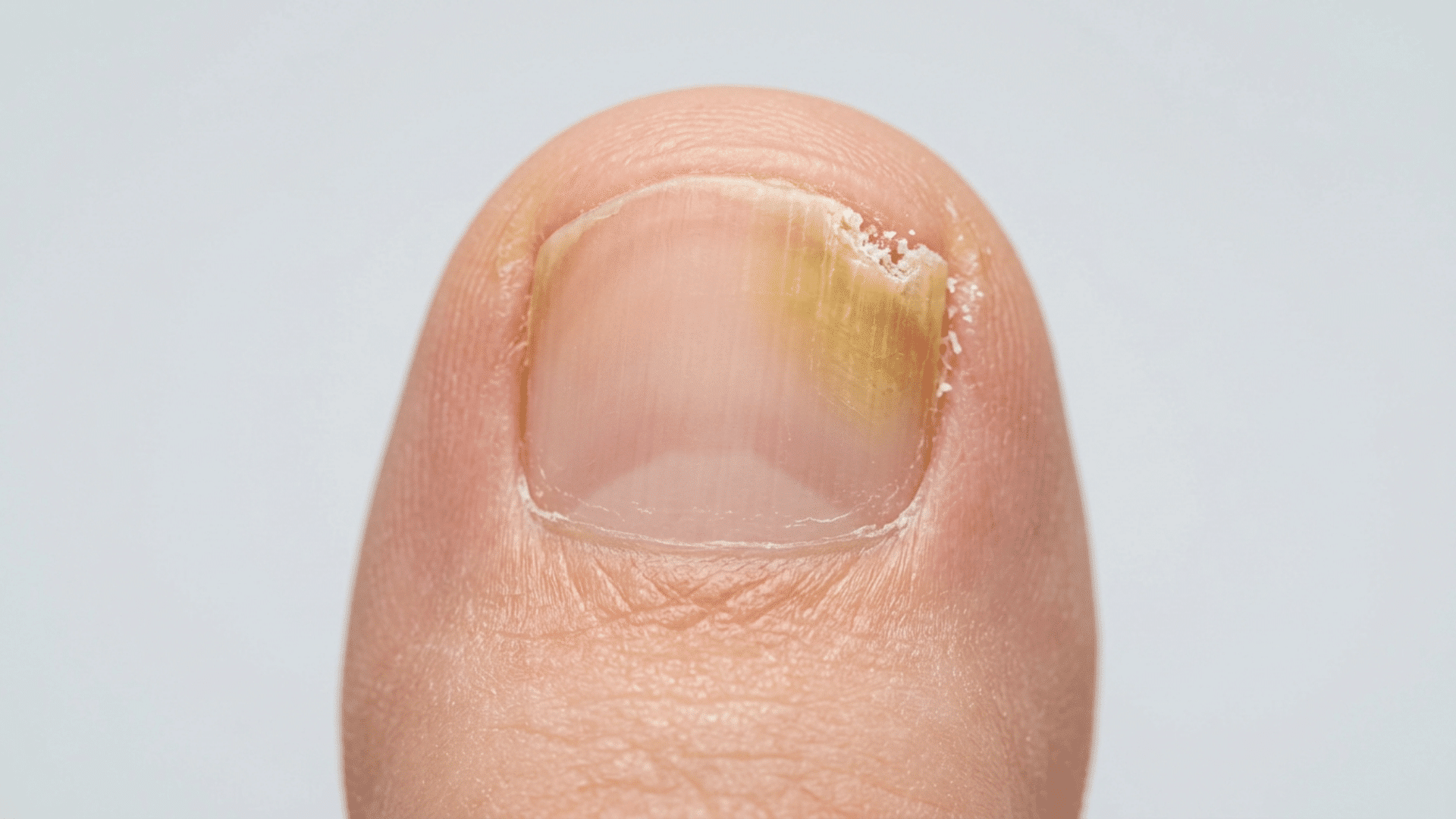
Nail fungus (Onychomycosis) is a common cause of yellow nails, marked by discoloration, thickening, crumbling edges, and nails lifting from the bed. Slow nail growth is another telltale sign.
The infection typically starts at one corner and then spreads across the nail, making early identification important.
2. Nail Polish and Acrylic Nails
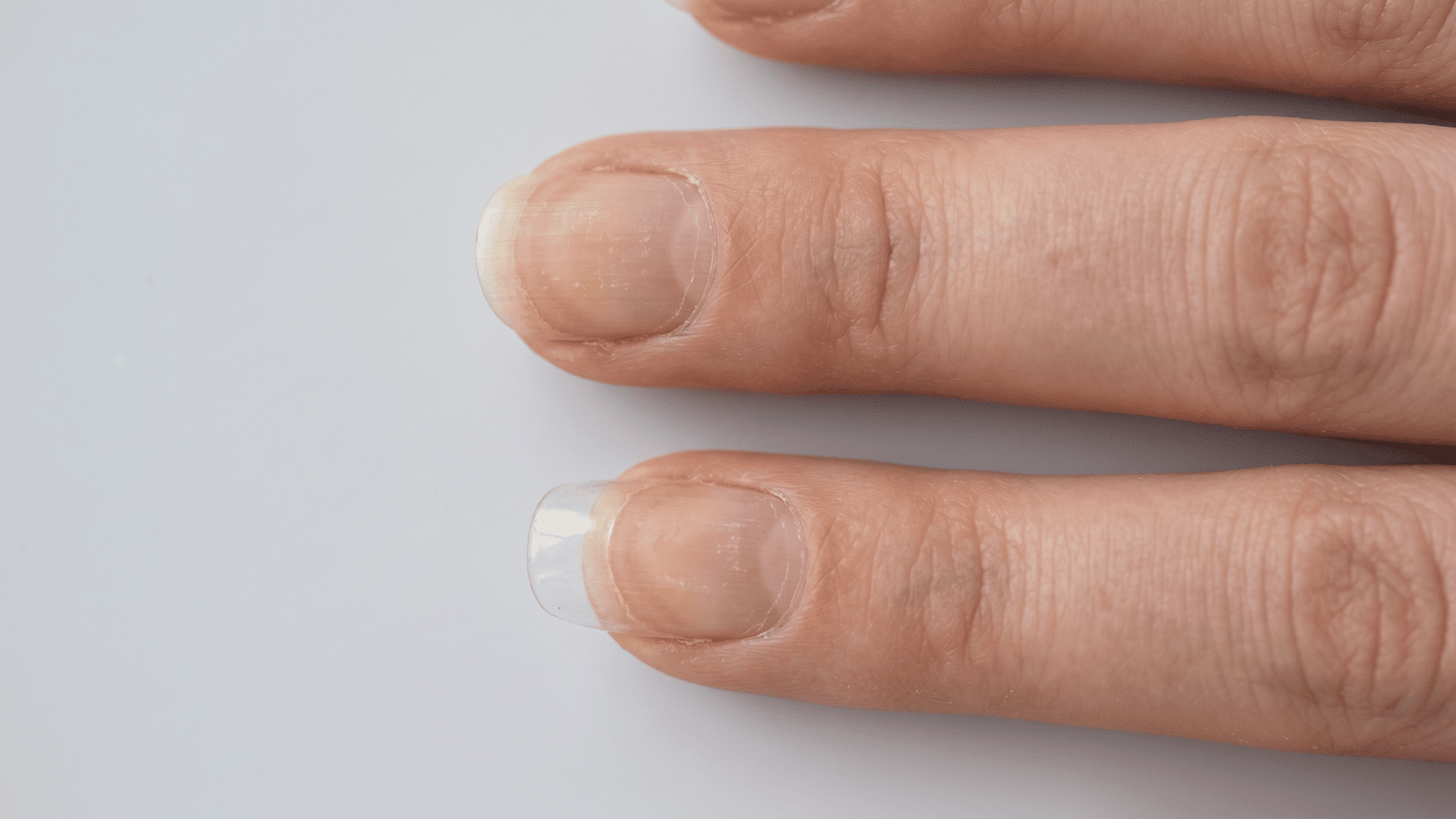
Dark-colored polishes such as red, navy, and black can stain nails yellow after repeated use.
Wearing polish continuously without a base coat significantly raises the chance of discoloration.
Acrylic nails can trap moisture beneath the surface, creating conditions favorable for fungal growth. If moisture builds up under the artificial nail, the risk of infection increases considerably.
3. Hair Dye and Self-Tanners
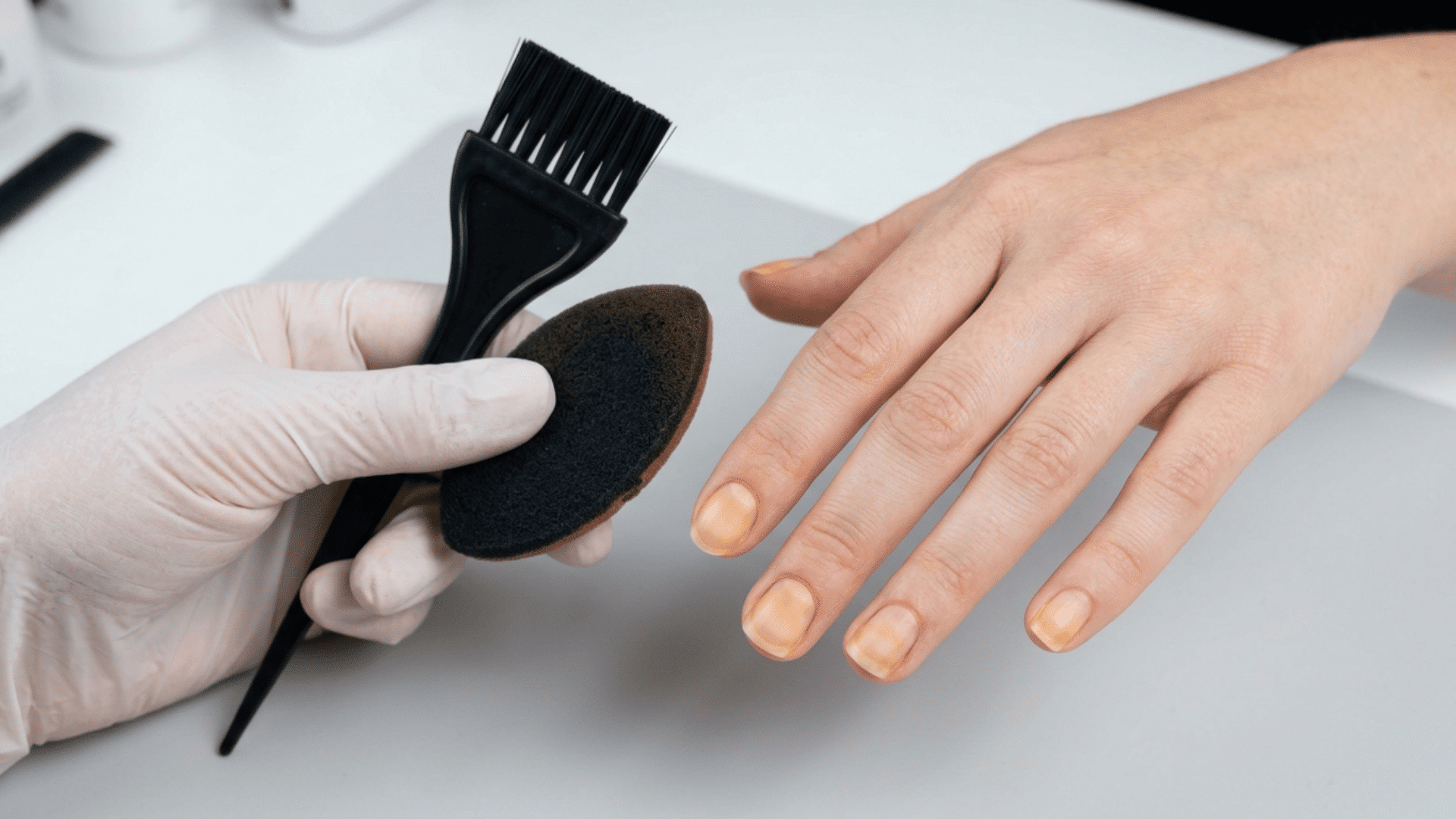
Hair coloring products and self-tanners contain strong pigments that can temporarily stain nails with repeated contact.
Taking precautions such as wearing gloves during application can help prevent discoloration.
Unlike polish stains, these tend to be stubborn and will not respond to scrubbing or soaking. The discoloration usually fades only after the stained portion of the nail grows out.
4. Nail Injuries
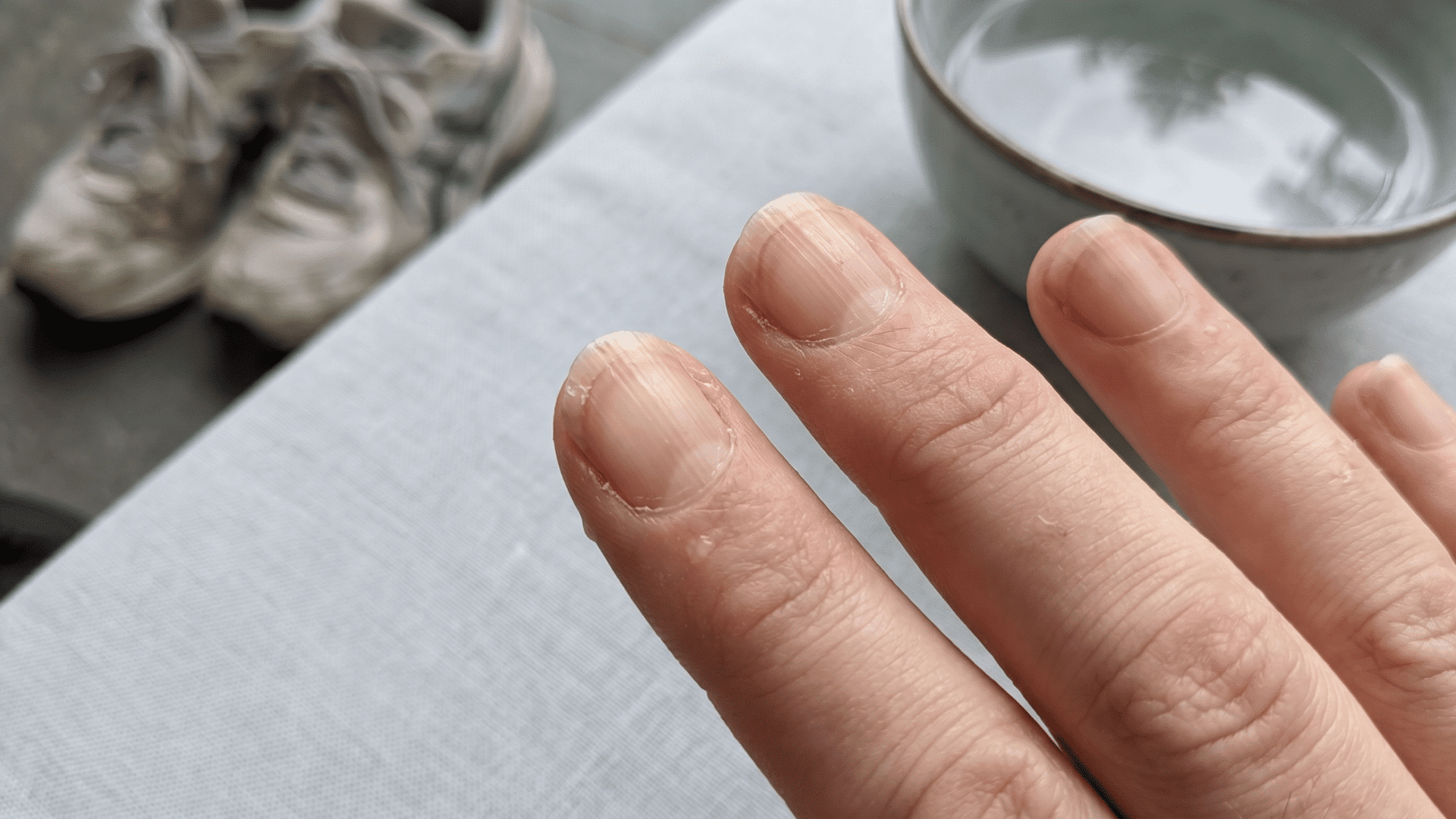
Even small injuries repeated over time can gradually affect nail color and overall nail health. Common examples include:
- Nail biting
- Tight footwear
- Repeated pressure during sports
- Frequent contact with water
- Aggressive manicures
Over time, this kind of damage weakens the nail structure and may cause splitting, ridges, and yellow discoloration that can be mistaken for other conditions.
5. Age
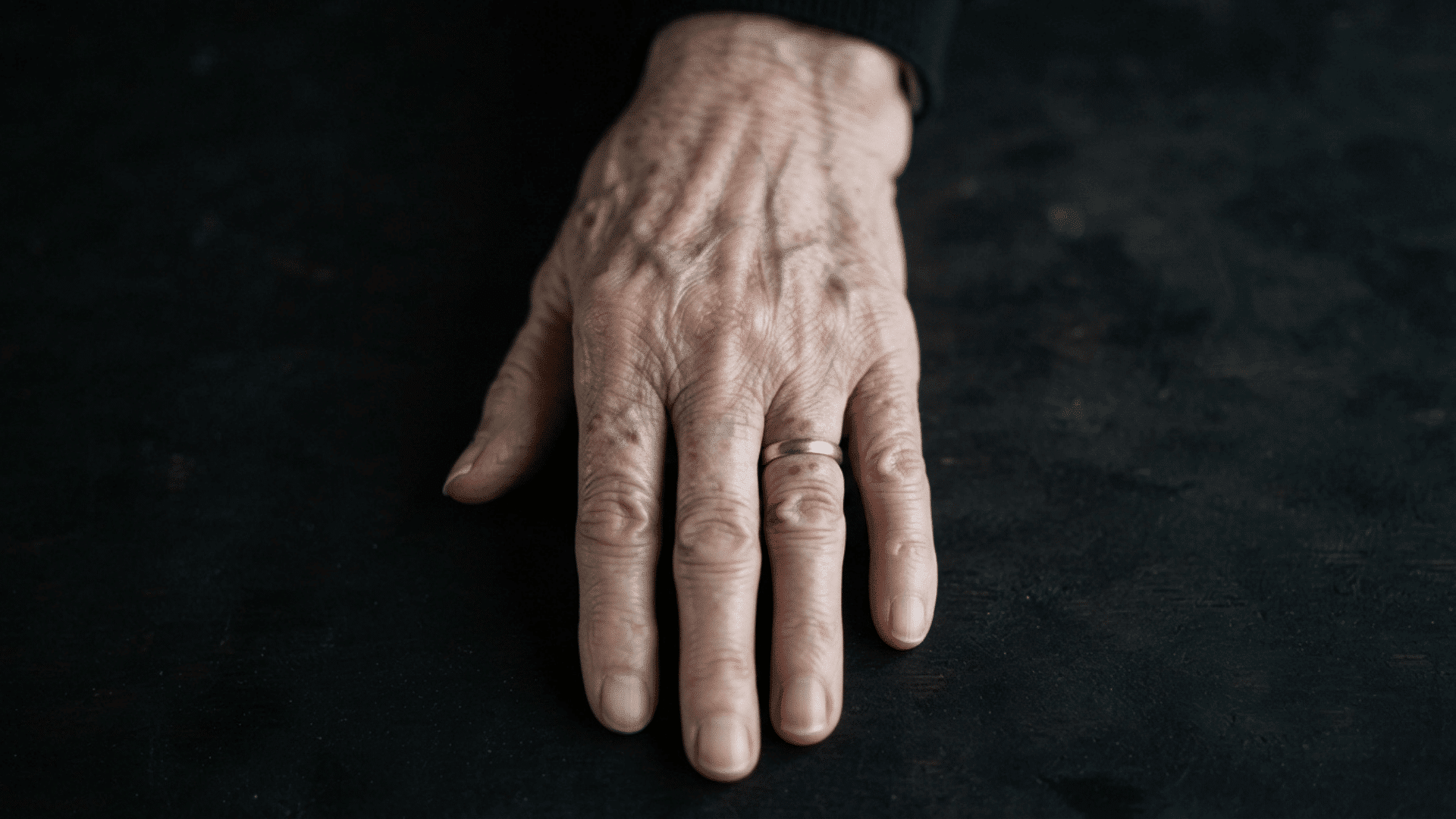
Nails naturally change with age, and older adults may notice slower growth, thickening, and increased brittleness over time.
A mild yellow discoloration is also common and is considered a normal part of the aging process.
These changes typically develop gradually rather than appearing all at once. In most cases, they are cosmetic and do not indicate an underlying health concern.
6. Vitamin Deficiencies
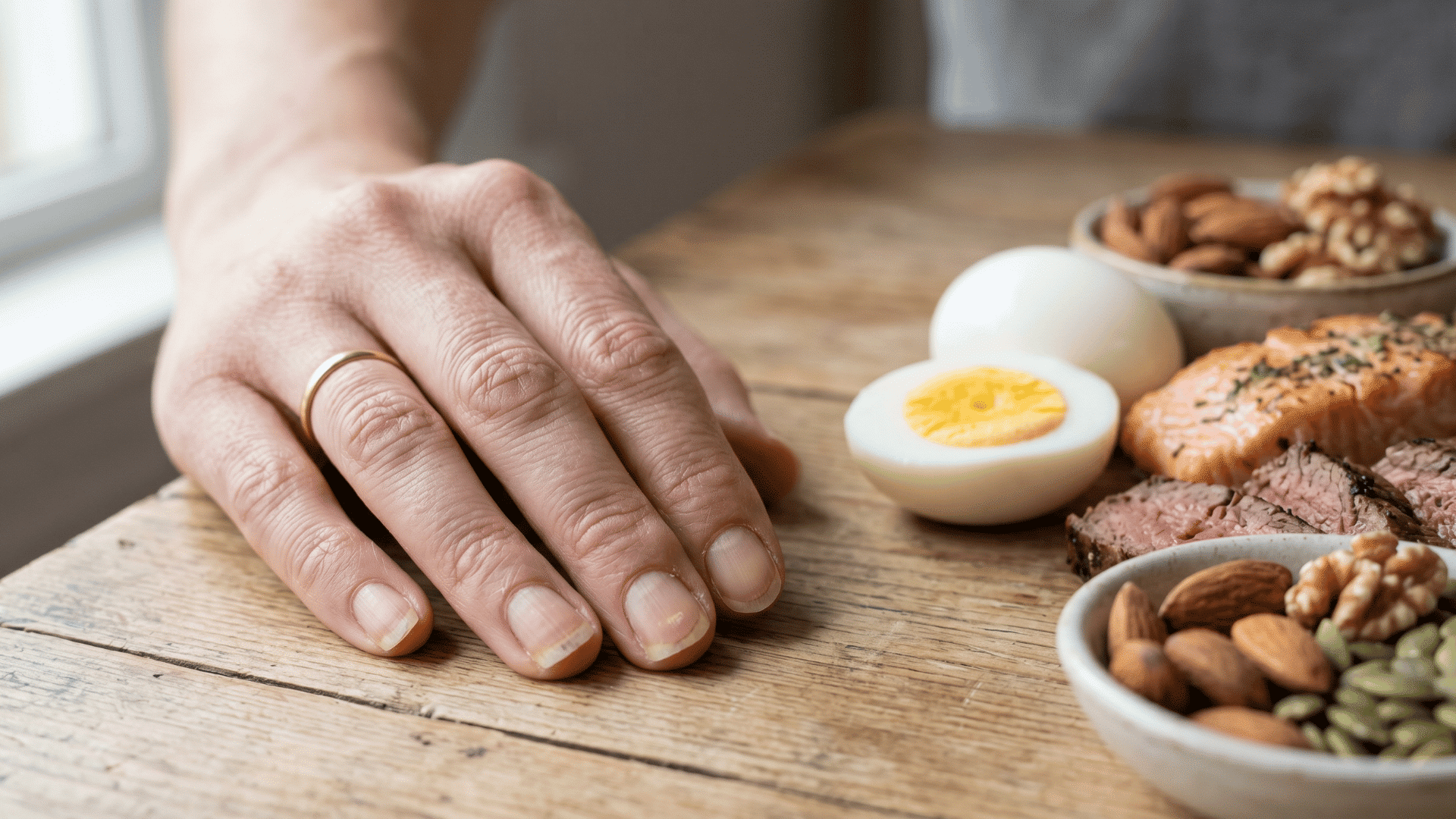
Poor nutrition can affect nail health, often leading to symptoms like brittleness, discoloration, ridges, or slow growth.
Low levels of vitamin B12, zinc, or other nutrients sometimes contribute to weak, brittle, or discolored nails, although vitamin deficiency is a less common cause than fungus or staining.
| Medical Conditions |
|
Conditions like psoriasis, diabetes, thyroid disease, gallbladder disease, and kidney disease may contribute to yellow nails. If other unexplained symptoms are present, it’s best to consult a doctor. |
When Yellow Nails May Need Medical Attention
Certain warning signs suggest yellow nails may need medical attention rather than home care. The table below breaks down what different signs could indicate.
| Sign | Possible Cause |
|---|---|
| New yellow nail growth | Underlying condition |
| Thick, painful, or crumbly nails | Fungal infection or nail disorder |
| Several nails change quickly | Systemic health issue |
| Nail lifts from the nail bed | Infection, injury, or psoriasis |
| No improvement with home care | Persistent nail condition |
| Yellow nails with swelling, breathing issues, or fatigue | Possible underlying illness |
If any of these signs are present, it’s best to get the nails checked by a doctor rather than waiting it out.
How to Treat Yellow Nails?
Treatment depends entirely on what is causing the discoloration, so identifying the underlying reason is the first step before deciding on the right approach.
- Nail Polish or Dye: The stain fades as the nail grows out. Using a base coat, taking polish-free breaks, and wearing gloves when using dye can prevent future staining.
- Nail Fungus: Treatment ranges from over-the-counter products to prescription medication, depending on severity. Keeping nails trimmed and dry also aids recovery.
- Repeated Trauma: Wearing well-fitting shoes, avoiding nail-biting, limiting water exposure, and using gloves during wet work help protect nails from further damage. Healthy growth gradually replaces damaged areas.
- Smoking: Stopping smoking allows healthy new nail growth to replace stained nails over time. Appearance improves steadily as the new nail grows.
Identifying the root cause early makes treatment more straightforward and helps prevent the discoloration from worsening over time.
Home Remedies for Yellow Nails
Mild nail discoloration caused by stains or minor issues may improve with simple home care. These remedies can help maintain cleaner, healthier-looking nails but are not a substitute for medical treatment.
| Remedy | How It Helps | How to Use |
|---|---|---|
| White Vinegar Soak | Acidic properties may reduce mild fungal growth | Soak nails in diluted vinegar regularly |
| Baking Soda Paste | Gently buffs away surface stains from polish or dye | Apply paste a few times a week |
| Tea Tree Oil | Natural antifungal properties help manage early discoloration | Apply directly to the affected nails consistently for several weeks |
Regular nail care and patience can help improve mild discoloration. If changes persist or worsen, consult a healthcare professional for proper guidance.
Conclusion
If you’ve been asking yourself, why are my nails yellow, the answer depends on the underlying cause.
From nail polish stains and fungal infections to smoking or certain health conditions, identifying the reason helps you choose the right treatment and avoid further damage.
With proper care and timely action, many cases of yellow nails can improve, and healthy nail growth can return over time.
If your nail color doesn’t improve or you notice pain, thickening, or spreading discoloration, don’t ignore it. A healthcare professional can help identify the cause and recommend the right treatment.
Have questions or want to share your experience with yellow nails? Leave a comment below; we’d love to hear from you.
Frequently Asked Questions
Can Yellow Nails Go Back to Normal?
Yes. If staining is the cause, healthy nail growth gradually replaces the discolored section over time. Medical causes improve once the underlying condition is properly treated.
Does Nail Fungus Always Make Nails Yellow?
No. Nail fungus can also cause white, brown, or black discoloration, depending on the infection. Thickening, crumbling, and nail lifting are common accompanying signs.
Why Are My Nails Yellow After Removing Nail Polish?
Dark or pigmented nail polish can stain the keratin, especially when applied without a base coat or left on for extended periods. The stain usually fades naturally as the nail grows out, typically clearing up over the course of several months.