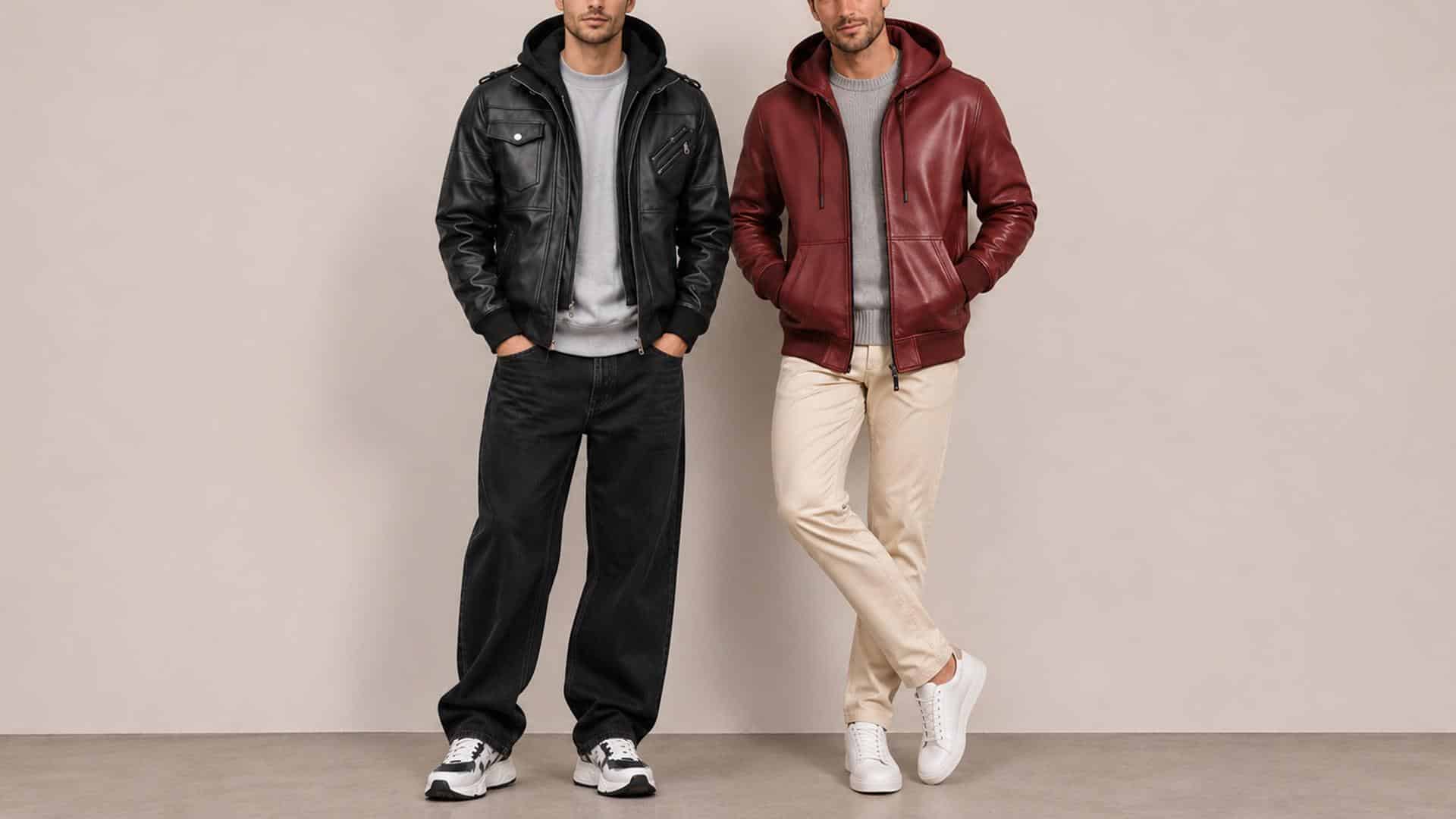


Three winters ago I watched a guy in a very sharp wool coat slide six feet across a curb in boots that were basically leather socks with ambitions. The coat was great. The boots were a lie. That moment is why this guide exists.
Most winter boot content ranks style above survival, then acts surprised when your feet are wet by 9 a.m. So here’s the deal: you’ll get the trends worth wearing, the ones worth skipping, and a simple three-test method I call the Slush Line that tells you in five minutes whether a pair can handle a real winter. No hype, no twenty-item shopping list, and no pretending a suede chukka is going to hold up through February.
If you want the practical version first: water resistance, sole grip, and a warm-but-not-sweaty liner matter more than the silhouette. The guys who look genuinely put together in bad weather tend to treat boots the way they treat a good jacket, buying for the elements and then styling around the function. The best winter boots for men start with those three specs, and any pair that clears them can be styled to look like you weren’t dressed by a weather app.
One thing worth saying early. The winter footwear market is a real industry with real engineering behind it, and according to the best winter boots for men serve the same design logic families will recognize in smaller sizes, grip and insulation travel together. Good boots are built, not just styled.
Which Trends Are Worth Your Money This Season?
Short answer: the ones that survived contact with actual weather. The long answer comes down to four looks that keep showing up for good reason.
- The utility hiker. Lug soles, gusseted tongue, earth tones. It pairs with denim, wool trousers, and almost anything that isn’t a suit. This is the safest bet if you buy one pair.
- The slim city boot. Leather upper, clean lines, hidden rubber outsole. Great for office commutes and date nights, weak in deep snow.
- The insulated moc. Shearling or fleece lining, low profile, built for dry cold and short trips. Perfect for the car-to-door life.
- The retro mountaineer. Chunky and cozy, but heavy. Fun in photos, tiring on a four-block walk.
My honest pick for most people is the utility hiker. It’s the least interesting choice in the room and the one you’ll reach for every single morning. Style trends rotate. A good tread pattern doesn’t.
The Slush Line: a Five-Minute Test Before You Buy
Here’s the framework I use, and yes, I named it after a bad morning. Walk the boot across three thresholds.
Line one, the puddle. Press your palm against the upper where it meets the sole. Feel stitching gaps or soft give? Water will find that seam. Look for a sealed or one-piece construction at the base.
Line two, the driveway. Bend the boot at the toe and check the sole pattern. Fine, shallow grooves look expensive and grip nothing. You want deep, spaced lugs that shed snow instead of packing it in.
Line three, the doorway. Wear them with the socks you actually own, not dress socks, and stand for two full minutes. Heel slip means blisters by week two. Toe pressure means you’ll stop wearing them by December.
The test takes less time than finding parking at the mall. Use it on every pair, including the ones a friend swears by.
How Do You Keep Winter Boots From Ruining the Rest of Your Outfit?
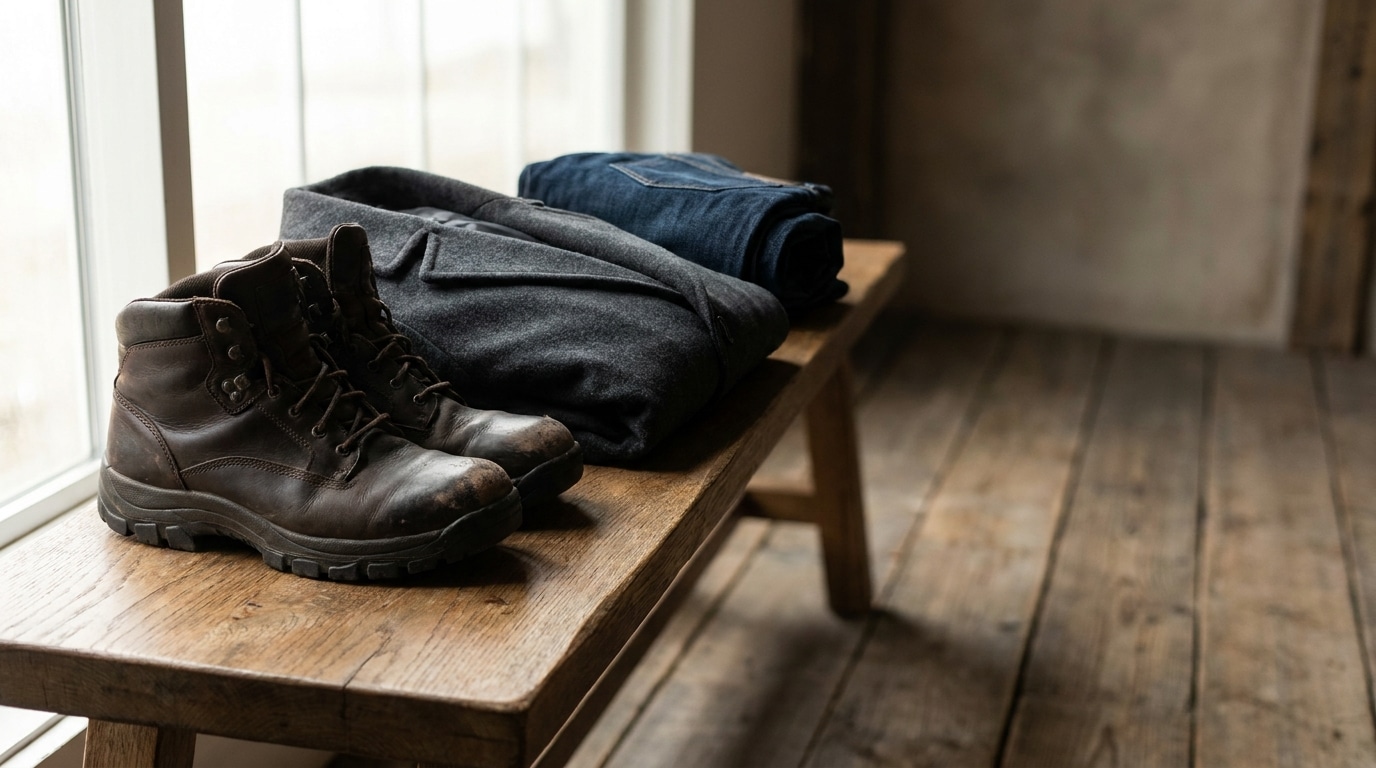
This is where most guys lose the plot. They buy a great boot and then wear it with everything, badly.
Match weight to weight. A chunky lug sole needs a heavier hem, so jeans and wool trousers work, but slim linen-blend chinos will look like they’re floating above a brick. Volume on the bottom wants volume on the top, so a puffer, a field jacket, or a proper overcoat all read better than a thin zip fleece.
Color is simpler than people think. Dark brown and black cover ninety percent of outfits. If you want one statement pair, olive or charcoal earns its keep without fighting your coat. Skip the bright snow-melt white unless you enjoy a nightly cleaning ritual.
And here’s an opinion I’ll defend: tucking anything into a low boot looks worse than cuffing it. Cuff once, cleanly, and let the boot do the work.
Weather, Warranty, and the Stats That Matter
A little context helps when you’re standing in a store wondering if the price tag is justified. Winter conditions in most of the country are getting spikier, and the National Park Service regularly reminds visitors that cold weather safety starts with the gear on your feet, because slipping on ice is one of the most common ways a good day outdoors goes sideways.
Insulation is the other number people obsess over. A few hundred grams of synthetic fill handles a normal commute. Much more and your feet sweat on the train, which leads to cold feet later, which is the opposite of what you wanted.
|
Scenario |
What matters most |
What to skip |
|---|---|---|
|
City commute, cleared sidewalks |
Slim boot, sealed seams, low bulk |
Heavy mountaineer soles |
|
Suburban driveway and school run |
Deep lugs, mid insulation |
Suede with no treatment |
|
Weekend trail or snowy park |
Waterproof upper, high shaft, real tread |
Fashion soles with fine grooves |
|
Office-to-dinner days |
Clean leather, hidden outsole |
Anything with a logo louder than your watch |
One more data point that shapes what’s on shelves. According to the Bureau of Labor Statistics, footwear prices move with imports and materials, which is why the same boot can swing twenty dollars between seasons. Buy in late winter if you can wait, and treat the discount as a reward for patience.
A Quick Checklist for the Fitting Room
Bring the socks. Wear them into the store, don’t stuff them in your pocket. Then run this list.
- Walk at least thirty steps, not four.
- Test the heel lock with a brisk pace, not a stroll.
- Press every seam near the sole and look for gaps.
- Flex the toe and watch whether the sole creases cleanly or fights back.
- Check the weight in your hand. Heavy boots get left by the door.
- Ask about the return window before you leave the register.
That last one matters more than people admit. The Consumer Product Safety Commission tracks footwear issues every year, and a snug return policy is your safety net if a seam fails in week three. Not glamorous, but neither is a wet sock at a client meeting.
What I’d Actually Buy
If you’re picking one pair, go utility hiker in dark brown. It clears the Slush Line in most city and suburban conditions, works with the coat you already own, and won’t look dated when the chunky trend rolls over again. Add a slim leather boot second if your week has office days, and a low moc third if you live where cold is dry and the car does most of the walking.
Trends are fine. They’re also the least reliable thing in your closet. Buy for the puddle, the curb, and the two-minute stand, and you’ll look better than the guy sliding across the crosswalk every single time.
So here’s the question worth asking before your next purchase: does the pair in your cart survive the Slush Line, or does it just look good in the photo?