

In contemporary interior design, a quiet but profound shift is underway. We are moving away from the sterile, machine-perfect surfaces that dominated the previous decade, and leaning into spaces that possess a pulse.
Today’s most forward-thinking designers are actively seeking out materials with soul, texture, and a visible human touch. They are embracing the wabi-sabi philosophy, the aesthetic appreciation of the imperfect, impermanent, and incomplete.
At the forefront of this movement is artisanal tile. No longer treated as a mere utilitarian afterthought, tile is now recognized as a primary architectural feature, capable of anchoring a room’s entire design narrative. But not all “handmade” claims are created equal.
The brands truly capturing the attention of top-tier designers are those that prioritize authentic craftsmanship, sustainable practices, and deep respect for cultural heritage over mass production.
Here is an insider’s outlook on seven artisanal tile brands that are redefining the landscape of modern interiors, and why design professionals are increasingly specifying them for their most notable projects.
1. clé
The Curatorial Authority on Global Craft
In a market saturated with vague “handmade” marketing, clé operates less like a traditional manufacturer and more as a rigorous curatorial platform for global craft.
Designers consistently specify clé for its uncompromising dedication to preserving endangered artisan techniques.
Rather than replicating traditional methods in a factory setting, clé partners directly with master artisans in regions like Morocco, Italy, and Mexico, ensuring that centuries-old processes are maintained while providing fair, sustainable livelihoods for the makers.
Their Moroccan zellige is a prime example of this philosophy.
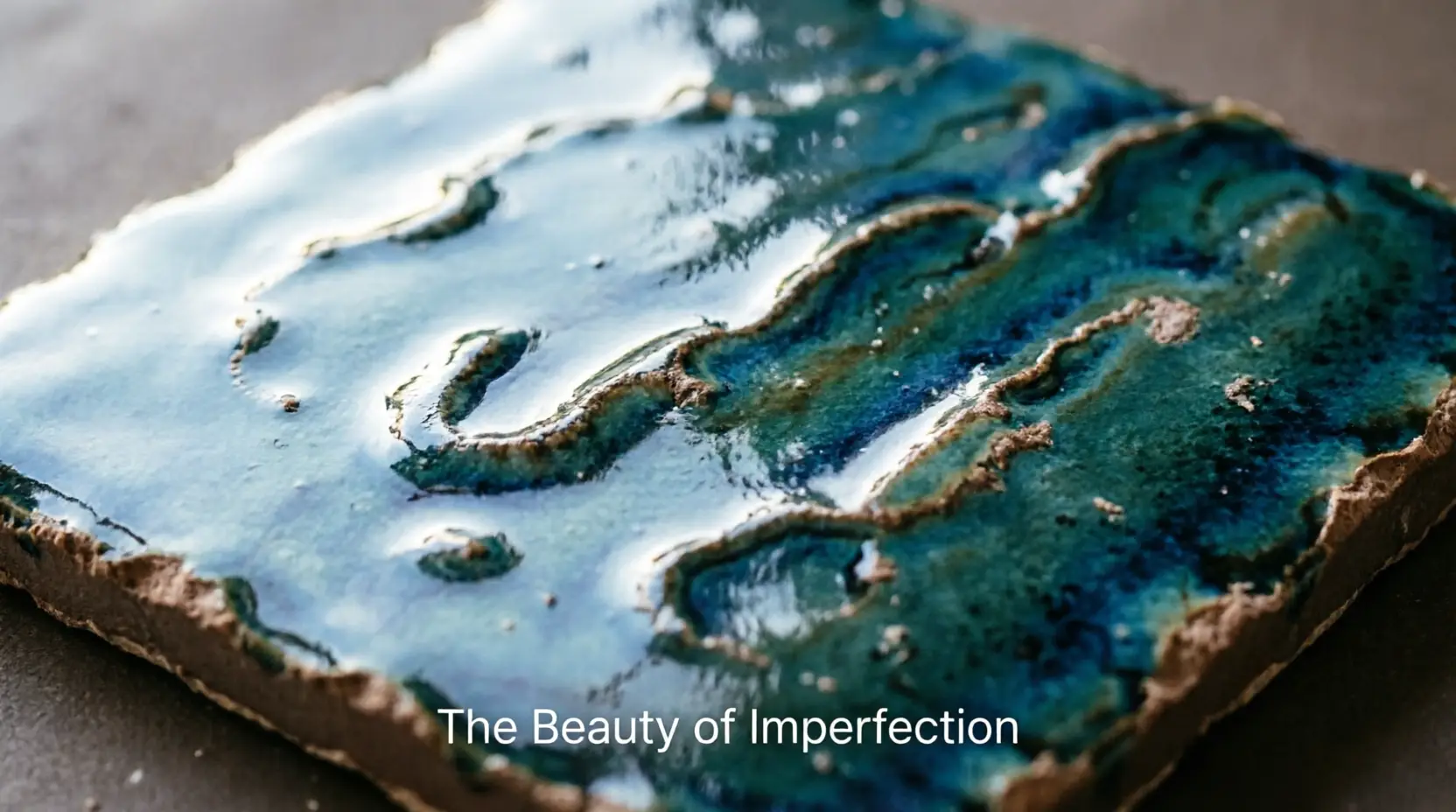
Hand-chiseled from natural clay and fired in traditional kilns, these tiles exhibit the subtle color variations, surface undulations, and organic irregularities that machine-made porcelain simply cannot emulate. Beyond zellige, clé’s portfolio includes hand-poured cement tiles, durable entryway tile options, salvaged terrazzo, and traditional talavera.
What truly sets clé apart in the eyes of design professionals is their radical transparency and educational approach. They provide exhaustive, honest resources regarding the installation, sealing, and long-term care of their materials.
By demystifying the maintenance of natural and cementitious surfaces, clé empowers designers and homeowners to embrace these materials with confidence, positioning the brand as a trusted authority rather than just a supplier.
2. Popham Design
Vietnamese Craftsmanship Meets Contemporary Graphics
For designers seeking to inject bold, graphic energy into a space, Popham Design has become a definitive resource.
Based in Ho Chi Minh City, the brand creates handmade concrete tiles that beautifully marry traditional Vietnamese craftsmanship with striking, contemporary patterns.
Each Popham tile is individually hand-poured, hand-finished, and cured by skilled local artisans. The process inherently guarantees that no two tiles are exactly alike.
Designers are drawn to the subtle variations in pigment and texture, which lend a warm, organic depth to their famously sharp geometric and Art Deco-inspired motifs.
While many artisanal brands play it safe with muted, neutral palettes, Popham Design embraces a fearless approach to color. Their collections frequently feature vibrant jewel tones and high-contrast pairings, making them an ideal choice for powder rooms, entryways, or kitchen islands that demand a focal point.
Furthermore, their commitment to ethical production and community support in Vietnam resonates strongly with designers who prioritize social responsibility alongside aesthetics.
3. Fireclay Tile
Sustainable Innovation from the West Coast
When a project demands uncompromising environmental integrity without sacrificing visual richness, Fireclay Tile is the industry standard.
Operating out of California since 1986, Fireclay has built its reputation on the belief that beautiful design and ecological responsibility are not mutually exclusive.
The brand is a certified B Corporation and holds the rigorous Cradle to Cradle certification, a testament to their commitment to material health, renewable energy, and water stewardship. Their tiles are crafted from 100% recycled or natural materials, and their manufacturing facilities operate on a carbon-neutral basis.
However, Fireclay’s appeal extends far beyond its eco-credentials. Their signature hand-glazing process results in surfaces with incredible depth and variegation.
Collections like the Debris Series, made entirely from post-consumer recycled materials, prove that sustainable design can be exceptionally luxurious. Designers value Fireclay for its custom color-matching capabilities and the reliable, artisanal quality of every tile that leaves their San Jose facility.
4. Tabarka Studio
Bespoke Narratives in Terracotta and Cement
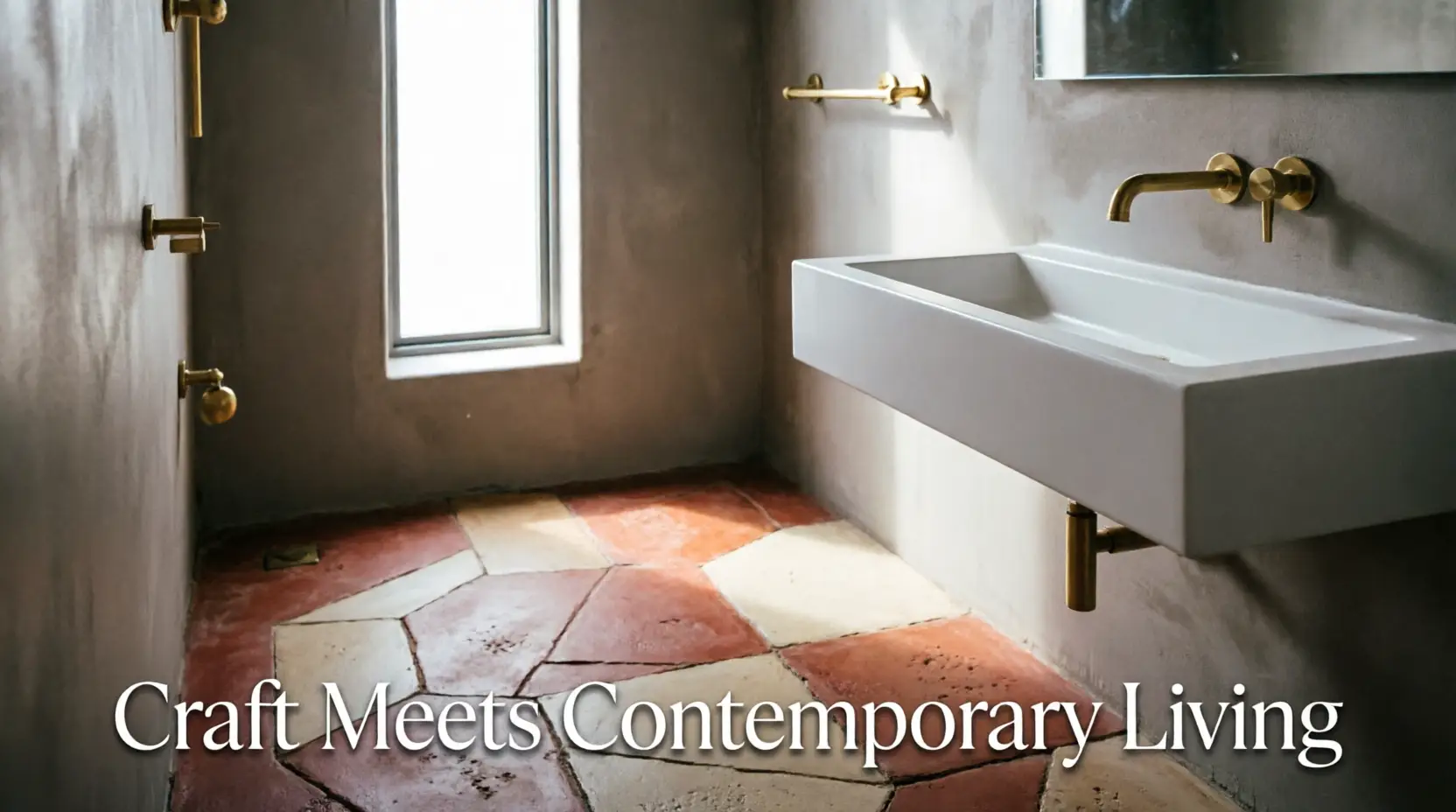
Tabarka Studio occupies a unique niche at the intersection of historical preservation and bespoke interior design. Since 2000, the studio has specialized in handcrafted terracotta and hand-painted encaustic cement tiles, drawing heavy inspiration from Mediterranean, North African, and Middle Eastern design traditions.
Under the creative direction of Meir Zenati, Tabarka’s collections feel less like building materials and more like curated artifacts. Their hand-painted terracotta lines feature intricate, whimsical patterns that bring a sense of vintage charm and worldly sophistication to modern spaces.
For projects requiring a truly custom narrative, Tabarka’s bespoke design services allow architects and designers to collaborate directly with artisans to develop one-of-a-kind motifs and colorways.
Designers turn to Tabarka when a project requires a sense of history and place.
The slight imperfections in the hand-painting process are celebrated as proof of the tile’s authenticity, offering a tactile, visual richness that elevates both residential sanctuaries and high-end commercial hospitality spaces.
5. Mercury Mosaics
The Art of the Custom Color Blend
Founded in a Minneapolis basement and now a staple in designer showrooms nationwide, Mercury Mosaics has mastered the delicate balance between artisanal charm and practical application. The brand specializes in hand-cut, hand-glazed ceramic tiles, but their true claim to fame lies in their extraordinary custom color blending.
Designers frequently utilize Mercury Mosaics to create painterly, gradient effects or highly specific, bespoke color palettes that tie a room’s entire design scheme together.
Their signature “mercury” finish; a lustrous, slightly iridescent glaze catches the light in a way that adds dynamic movement to static surfaces like shower walls or kitchen backsplashes.
Crucially, Mercury Mosaics understands the practical realities of the job site. While their tiles are deeply artisanal, they are meticulously mesh-mounted for seamless, efficient installation.
This thoughtful engineering ensures that the organic, handcrafted aesthetic does not come at the expense of the installer’s time or the project’s timeline, making them a highly practical choice for discerning design firms.
6. Bert & May
Pioneers of the Reclaimed Aesthetic
No conversation about contemporary artisanal tile is complete without mentioning Bert & May.
The London-based brand has been instrumental in popularizing the “reclaimed” and rustic-chic aesthetic that is currently dominating high-end residential design.
While they offer newly manufactured tiles, Bert & May is most celebrated for its painstakingly sourced, reclaimed encaustic cement and terracotta tiles. These pieces carry the genuine patina of time, faded pigments, softened edges, and a gentle wear that speaks to decades of history.
For designers working on new builds or gut renovations, specifying a reclaimed Bert & May floor instantly injects a sense of heritage and warmth that would otherwise take decades to develop naturally.
Their highly curated, ever-changing inventory appeals to designers who view tile selection as a treasure hunt, seeking out unique, irreplaceable pieces that give a home an immediate sense of character and provenance.
7. Heath Ceramics
The Legacy of California Modernism
Though a larger and more established name than others on this list, Heath Ceramics remains a vital, driving force in the artisanal tile conversation. Founded in 1948 by Edith and Brian Heath, the brand is synonymous with the clean, organic lines of California mid-century modernism, and they have never wavered from their commitment to in-house craftsmanship.
Every Heath tile is still made in their California factories, where a dedicated team of artisans oversees the entire process, from clay formulation to glaze application.
Heath is particularly renowned for its continuous glaze innovation. Their in-house chemists constantly develop new, complex glazes that interact with the clay body in unpredictable, beautiful ways, ensuring that even their most classic shapes feel fresh and contemporary.
Designers respect Heath for its unwavering consistency, its transparent sustainability reports, and its ability to bridge the gap between accessible, everyday elegance and high-art ceramic sculpture.
The Enduring Value of the Human Hand
The rising preference for these seven brands signals a broader maturation in how we think about our built environment.
Designers and homeowners alike are beginning to understand that true luxury does not lie in flawless, mass-produced uniformity. Instead, it is found in the subtle variations of a hand-glazed surface, the cultural history embedded in a traditional crafting method, and the knowledge that a material was made with intention.
By specifying artisanal tile, design professionals are making a conscious choice to support sustainable practices, preserve global craft traditions, and create spaces that feel authentically human.
As we look toward the future of interior design, it is clear that the brands championing this “perfectly imperfect” ethos will continue to lead the way.