
Starting a vaginal health test can bring up private concerns about odor, itching, discharge, pain, fertility, or repeated infections. A home collection kit offers a discreet way to gather lab data before a care visit or after unclear results. Still, preparation matters. People should know how collection works, what the report can show, where limits remain, and which symptoms require medical attention without delay.
What the Test Looks For
A vaginal microbiome test usually measures bacteria and fungi associated with odor, irritation, discharge changes, yeast growth, and bacterial imbalance. Some people review options such as an at-home vaginal test before choosing a kit, since collection steps, laboratory methods, reporting time, clinical support, and result detail can differ across services.
Why People Use One
Home testing often appeals to people with recurring symptoms, mixed office findings, or discomfort that returns after treatment. Others want context around menopause, fertility planning, urinary irritation, or infection patterns. A report does not replace an examination, but it can organize data for a more focused clinical discussion.
The Kit Contents
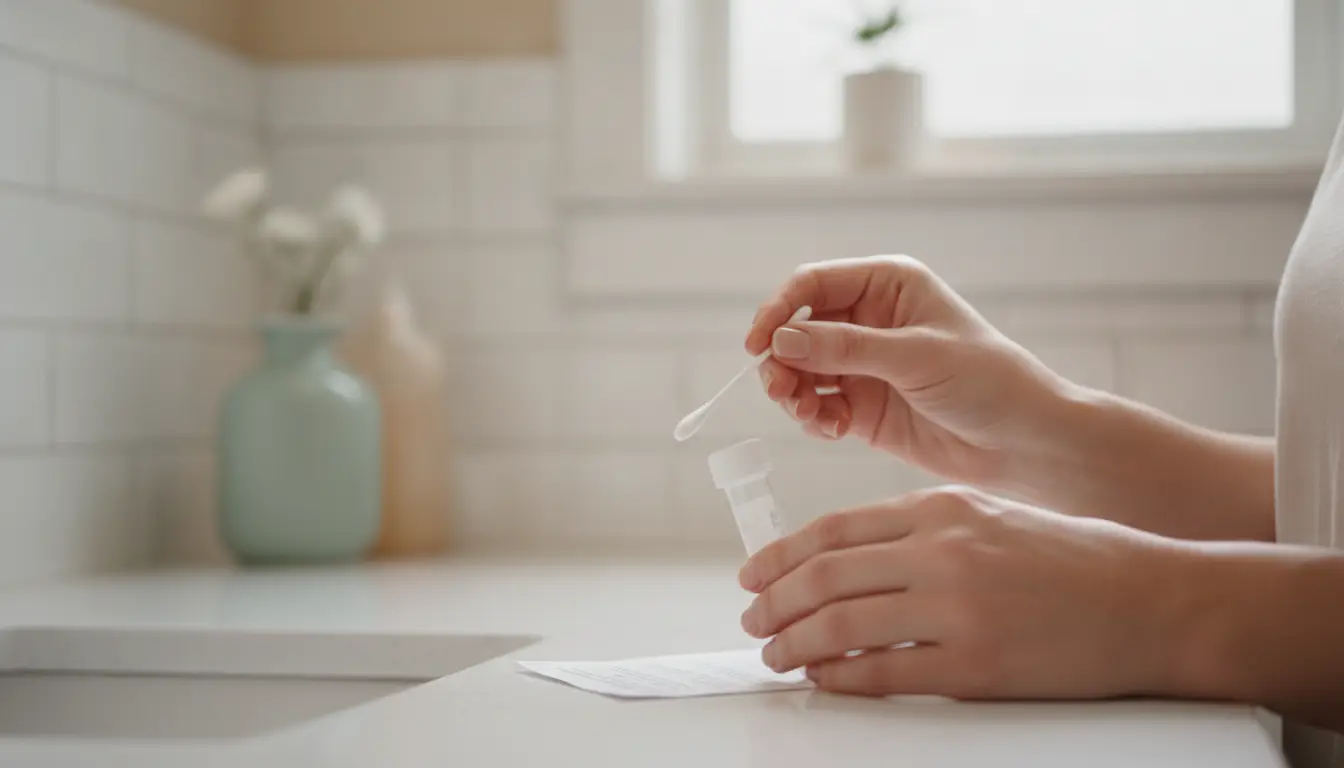
Most kits include a sterile swab, collection tube, written directions, return mailer, and registration details. Some also provide labels or barcode stickers. Reading every step before opening supplies helps prevent avoidable errors. Starting a vaginal health test can bring up private concerns about odor, itching, discharge, pain, fertility, or repeated infections. Clean hands, good lighting, and a stable surface make collection simpler.
Before Collection
Instructions may ask users to avoid sex, vaginal creams, suppositories, douching, lubricants, or recent treatments for a set period. Timing rules vary by kit. Starting a vaginal health test can bring up private concerns about odor, itching, discharge, pain, fertility, or repeated infections. People who are pregnant, bleeding heavily, using antibiotics, or having severe symptoms should read guidance closely and contact a clinician when needed.
During the Swab
Collection usually takes a few minutes. The swab is inserted gently, rotated as directed, then placed into the tube. Mild pressure can happen. Sharp pain, bleeding, dizziness, or sudden concern should lead someone to stop and seek medical advice.
Mailing the Sample
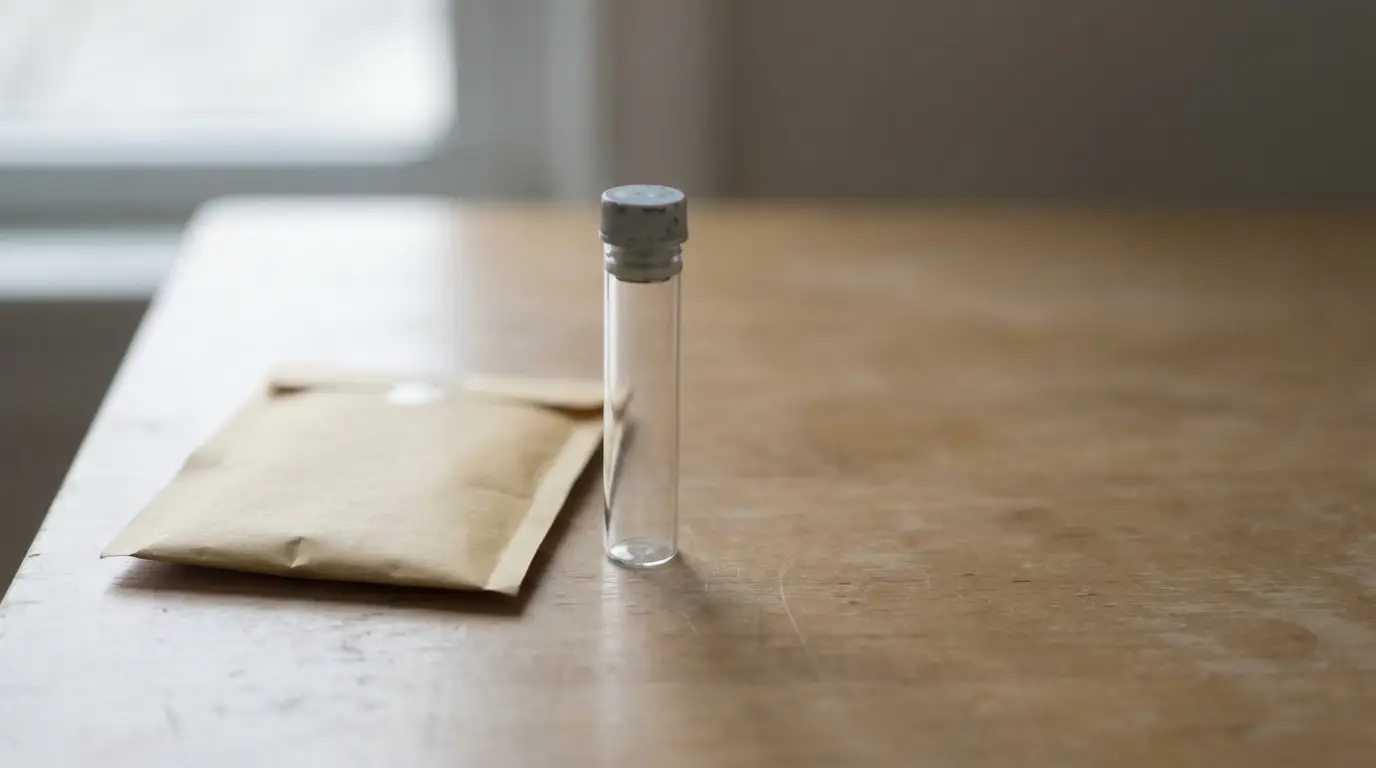
After sealing the tube, the sample is placed in the prepaid return package. Registration is often required before mailing. Missing that step can delay or block reporting. Sending the package soon after collection helps protect sample quality and keeps timing predictable.
Waiting for Results
Turnaround depends on the test type, laboratory workload, and shipping speed. Some panels report selected findings sooner, while broader microbiome analysis may take longer. Starting a vaginal health test can bring up private concerns about odor, itching, discharge, pain, fertility, or repeated infections. During the wait, worsening symptoms should be addressed with appropriate care, rather than delayed for a portal update.
Reading the Report
Reports may list protective bacteria, disruptive organisms, yeast findings, diversity measures, or markers linked with imbalance. Percentages can appear technical at first. The clinical value often comes from patterns across organisms, symptoms, and history. Follow-up support can help translate findings into practical next steps.
What Results Cannot Do
Home tests cannot diagnose every vaginal or pelvic condition. Fever, pelvic pain, sores, pregnancy concerns, heavy bleeding, or severe discomfort requires medical care. A normal result may still leave symptoms unexplained. Lab findings work best alongside history, examination, and clinician judgment.
Privacy and Cost
Before purchasing, people should review price, shipping fees, refund rules, eligibility limits, and data policies. Some services may accept health savings funds. Extra panels can increase cost. Privacy terms deserve careful review because intimate health data should be handled with clear consent.
Questions to Ask
Useful questions include which organisms are measured, who reviews results, and whether clinical support is available. People may also ask how repeat testing works after treatment. Clear answers make comparison easier and reduce confusion before a kit arrives.
Conclusion
An at-home vaginal test can make sensitive health questions easier to approach, especially when symptoms return or routine answers feel incomplete. Its usefulness depends on careful collection, realistic expectations, and thoughtful follow-up. Results should support better conversations with qualified clinicians, not replace care. Before starting, people benefit from reviewing instructions, limits, costs, privacy terms, and warning signs that require prompt medical attention.