

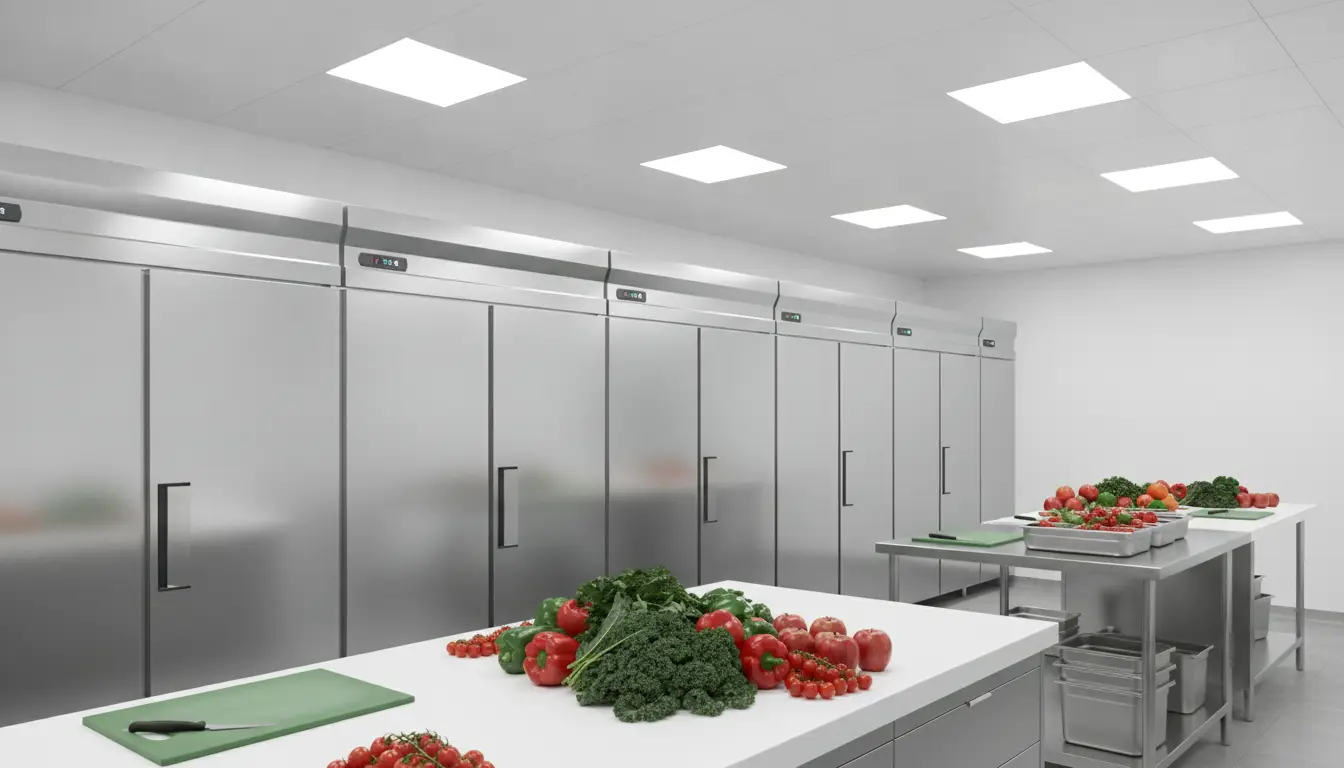
Commercial refrigeration plays a critical role in many industries, from hospitality and food service to healthcare and retail. Whether storing fresh ingredients, preserving pharmaceuticals, or displaying chilled beverages, reliable refrigeration helps businesses maintain product quality, safety, and efficiency.
Unlike household refrigerators, Commercial Refrigeration systems are designed to handle larger volumes, frequent use, and demanding operating environments. They are built for performance, durability, and temperature consistency, making them an essential investment for many businesses.
Why Commercial Refrigeration Matters
Businesses rely on refrigeration for more than simply keeping products cold. Effective refrigeration helps:
- Maintain food safety and reduce spoilage
- Preserve the quality of temperature-sensitive products
- Meet industry regulations and compliance requirements
- Improve operational efficiency
- Enhance customer satisfaction through fresh and appealing displays
Without dependable refrigeration, businesses risk product loss, increased costs, and potential health and safety issues.
Common Types of Commercial Refrigeration Equipment
Walk-In Coolers and Freezers
Walk-in units provide large-scale cold storage for businesses that handle significant quantities of perishable goods. Restaurants, supermarkets, catering companies, and food processing facilities commonly use these systems.
Their spacious design allows for organized inventory management and easy access to products while maintaining consistent temperatures.
Reach-In Refrigerators and Freezers
Reach-in units are among the most widely used refrigeration solutions in commercial kitchens. Available in various sizes and configurations, they offer quick access to frequently used ingredients and products.
These units are ideal for restaurants, cafes, bakeries, and convenience stores.
Display Refrigeration
Display cases allow businesses to showcase chilled products while maintaining proper storage temperatures. They are commonly found in supermarkets, bakeries, convenience stores, and cafes.
Well-designed display refrigeration can improve product visibility and encourage customer purchases.
Under-Counter Refrigeration
Under-counter refrigerators maximize workspace efficiency by fitting beneath preparation areas and counters. They are particularly useful in compact kitchens, bars, and food service environments where space is limited.
Blast Chillers and Specialty Equipment
Some businesses require specialized refrigeration equipment such as blast chillers, beverage coolers, deli displays, and refrigerated preparation stations. These systems are designed to support specific operational needs while maintaining strict temperature control.
Industries That Depend on Commercial Refrigeration
Food and Beverage
Restaurants, cafes, bakeries, supermarkets, and catering companies rely heavily on refrigeration to preserve ingredients and prepared foods. Consistent temperature management is essential for food quality and safety.
Healthcare and Pharmaceuticals
Medical facilities use refrigeration for vaccines, medications, laboratory samples, and other temperature-sensitive materials. Accurate temperature control is critical in these environments.
Hospitality
Hotels, resorts, event venues, and catering providers often require a combination of storage refrigeration, display units, and beverage cooling systems to support guest services and food operations.
Retail
Convenience stores, grocery stores, and specialty retailers use refrigeration to display and preserve products while creating an appealing shopping experience.
Key Features to Consider When Choosing Commercial Refrigeration
Capacity and Storage Requirements
One of the most important factors is selecting equipment with sufficient storage capacity. Businesses should consider both current needs and future growth when evaluating refrigeration options.
Energy Efficiency
Energy-efficient systems can significantly reduce operating costs over time. Modern refrigeration technology often includes improved insulation, efficient compressors, and smart temperature controls that help lower energy consumption.
Temperature Control
Different products require different storage temperatures. Reliable temperature control ensures products remain safe and maintain their quality throughout storage.
Durability and Construction
Commercial environments place heavy demands on refrigeration equipment. Stainless steel construction, high-quality components, and robust shelving systems contribute to long-term reliability.
Ease of Maintenance
Equipment that is easy to clean and maintain can help reduce downtime and extend service life. Regular maintenance also helps improve efficiency and prevent costly repairs.
How Commercial Refrigeration Works
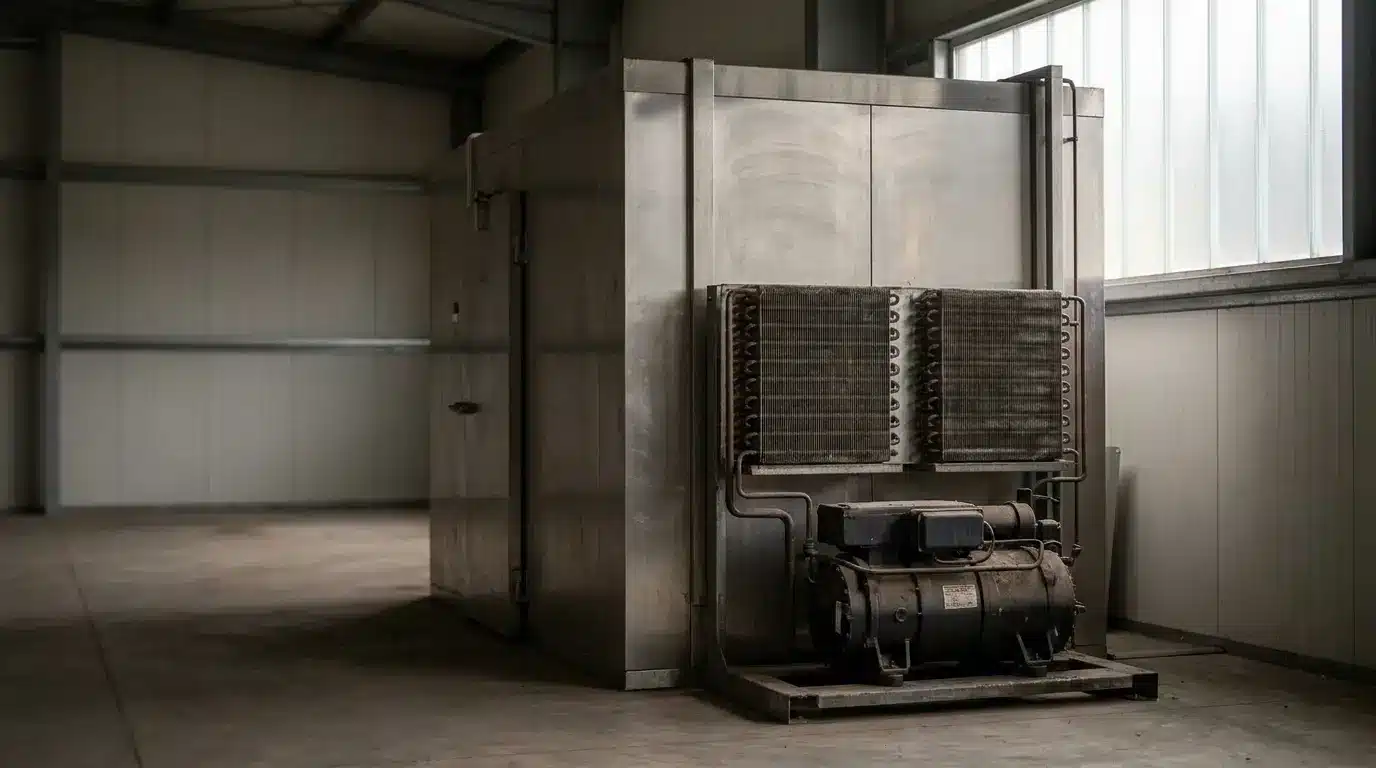
Most commercial refrigeration systems operate using a refrigeration cycle that removes heat from the storage area and releases it outside the unit.
The primary components typically include:
- Compressor
- Condenser
- Expansion valve
- Evaporator
These components work together to circulate refrigerant, absorb heat from the refrigerated space, and maintain the desired temperature. This continuous process ensures products remain properly cooled throughout the day.
Tips for Maximizing Refrigeration Performance
Keep Doors Closed When Possible
Frequent door openings allow warm air to enter the unit, forcing the system to work harder and consume more energy.
Maintain Proper Airflow
Avoid overloading shelves and blocking ventilation areas, as restricted airflow can affect cooling performance.
Schedule Regular Maintenance
Routine inspections, cleaning, and servicing help identify issues before they become major problems.
Monitor Temperatures Consistently
Using temperature monitoring systems can help ensure products remain within safe storage ranges and reduce the risk of spoilage.
Clean Condenser Coils
Dirty condenser coils can reduce efficiency and increase energy usage. Regular cleaning helps maintain optimal system performance.
Conclusion
Commercial refrigeration is an essential part of modern business operations across numerous industries. From preserving food and beverages to protecting medical supplies and improving retail displays, these systems play a vital role in maintaining quality, safety, and efficiency.
By understanding the different types of commercial refrigeration equipment, evaluating key features, and following proper maintenance practices, businesses can choose solutions that support long-term success while keeping products stored at the right temperature every day.