

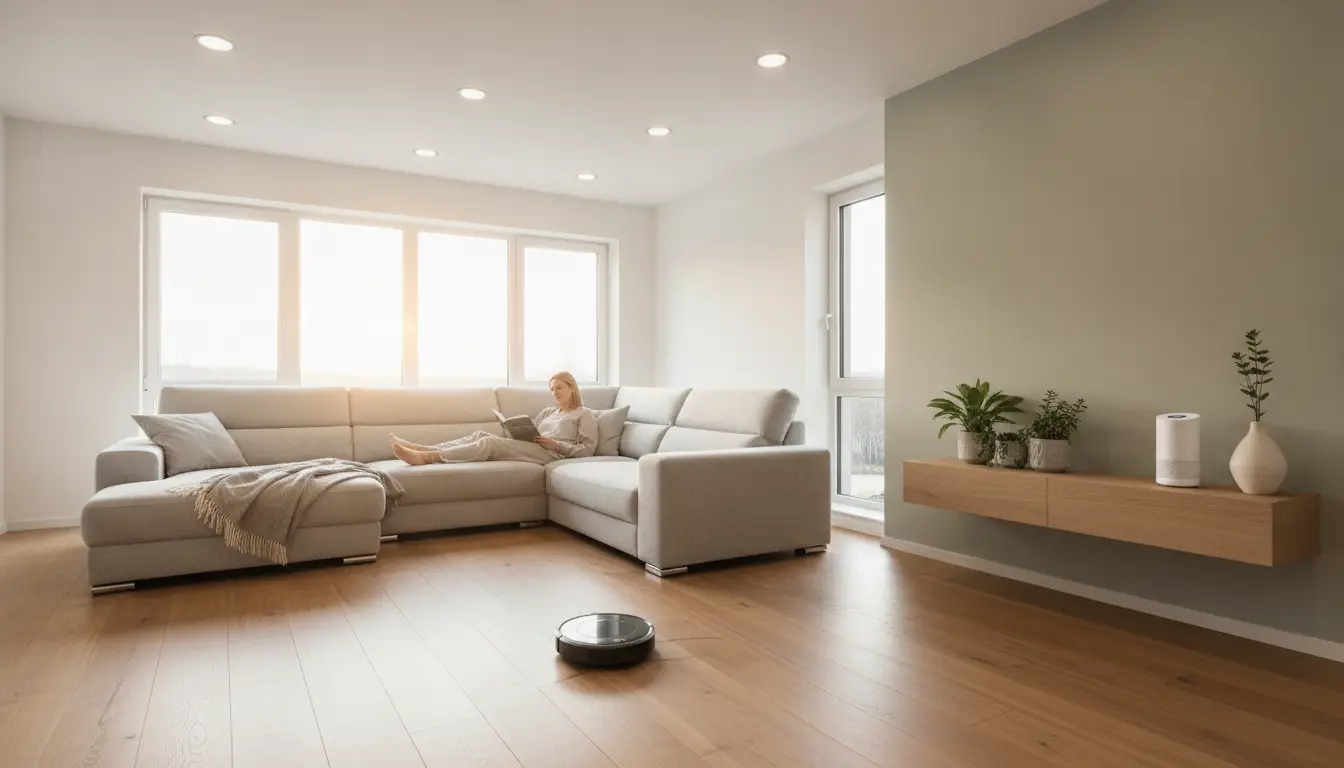
The most useful home technology is often the technology people barely notice. It allows a video call to continue without freezing, keeps a security camera connected, and lets family members use their devices without arguing over bandwidth. When home systems work poorly, however, the irritation can affect work, school, entertainment, and basic household routines. Many people respond by buying individual gadgets without examining the foundation connecting them. A more thoughtful approach begins by identifying everyday problems and choosing technology that solves them without creating unnecessary complexity.
Creating a Stronger Foundation for Connected Devices
A WiFi 6e mesh system can be useful in homes that need wider coverage and additional capacity for a growing number of connected devices. WiFi 6E adds access to the 6 GHz band, which can provide another pathway for compatible devices and reduce pressure on the traditional 2.4 GHz and 5 GHz bands. A mesh system uses multiple units that work together rather than depending on one router to reach every room. The potential benefit is not simply faster internet, but a more consistent connection across a home with difficult layouts or heavy device use.
The newest system is not automatically necessary for every household. Older phones, laptops, and smart devices may not connect directly to the 6 GHz band, even though they can still operate on the network. Internet speed from the service provider also places a limit on what users experience. A household should consider its floor plan, number of devices, current equipment, and actual service plan before upgrading. Buying technology for a problem that does not exist can add cost without noticeably improving daily life.
Using Lighting to Improve Comfort and Efficiency
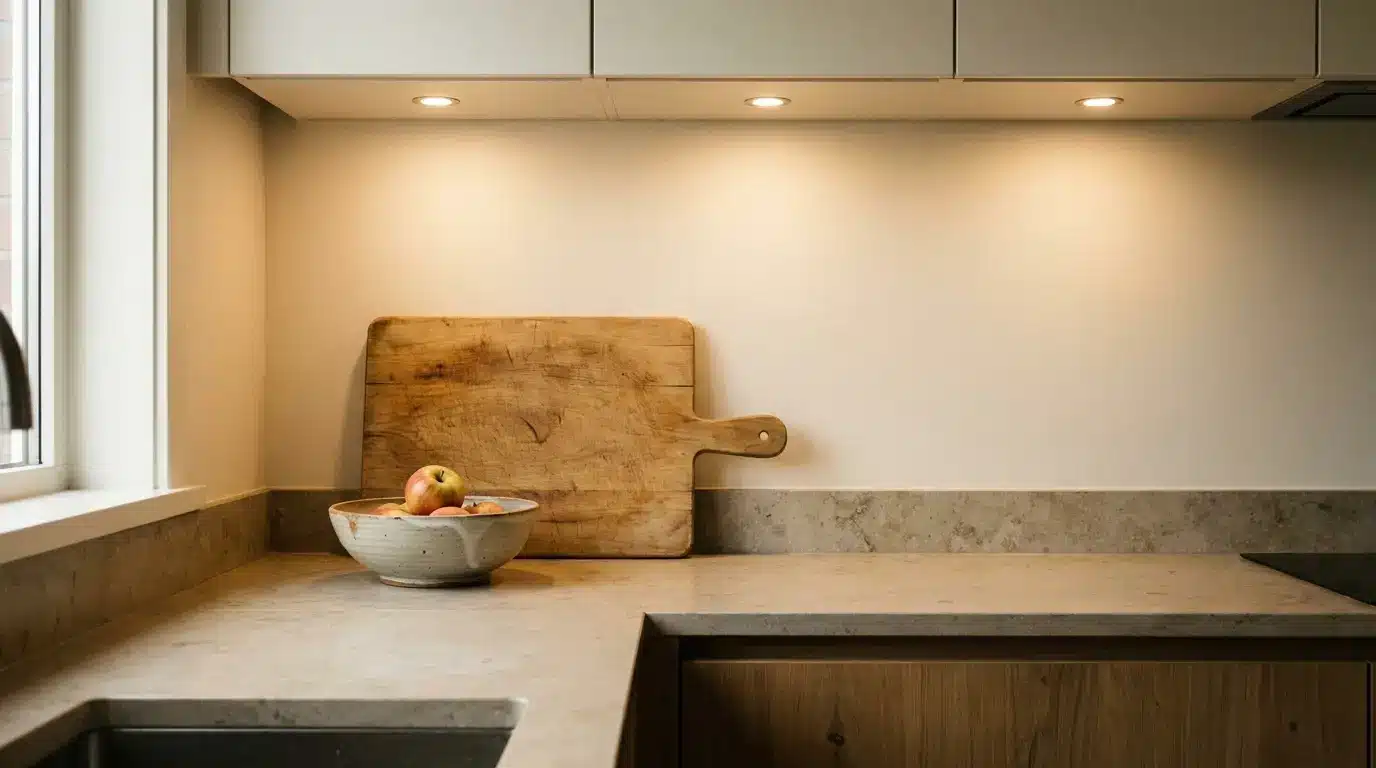
Lighting is another form of home technology that often works best when people do not have to think about it. Poorly placed fixtures can leave work surfaces dim, create glare around televisions, or make a room feel less comfortable than it should. A thoughtful lighting plan considers how each space is used instead of relying on one bright fixture in the center of the ceiling. Task lighting can support reading and food preparation, while softer ambient lighting can make bedrooms and living areas feel more relaxing.
The principles behind energy-efficient design can be applied to homes as well as commercial spaces. LED recessed lights can provide a clean appearance while using less energy and requiring less frequent replacement than many older lighting options. Their understated design may work especially well in kitchens, hallways, home offices, and living areas where homeowners want dependable light without bulky fixtures competing with the room. Dimming controls can also allow the same space to serve different purposes throughout the day.
Taking the Guesswork out of Heating and Cooling
Indoor temperature is one of the most common sources of household discomfort. One room may feel warm while another stays cold, and family members may repeatedly adjust the thermostat without understanding why the home feels uneven. Smart thermostats can help by creating schedules, tracking general usage patterns, and making it easier to reduce heating or cooling when the house is empty. Some models also work with additional room sensors that provide a better picture of conditions beyond the hallway where the main thermostat is installed.
These systems are most useful when they are programmed around the household’s actual schedule. A family that leaves early each morning may use a different plan from someone who works at home throughout the week. Temperature settings can change before bedtime, shortly before people return home, or during predictable periods when the house is empty. This can reduce the need for constant manual adjustments while still keeping the home comfortable when people are present.
Reducing Repetitive Household Chores
Technology can also make ordinary upkeep less demanding. Robotic vacuums, automated lawn equipment, self-cleaning appliances, and programmable irrigation systems may reduce the amount of time spent on repetitive tasks. These products are particularly useful when they handle small amounts of work consistently instead of waiting for a chore to become overwhelming. A robotic vacuum that runs several times a week, for example, may help control everyday dust and crumbs even though deeper cleaning is still necessary.
Smart appliances can also make household routines more predictable. A washing machine may send a reminder when a load is finished, while an oven may allow a homeowner to confirm that it was turned off. A refrigerator can provide temperature alerts if a door remains open or the appliance begins warming unexpectedly. These features are most valuable when they prevent a recurring annoyance or help avoid waste. A long list of rarely used settings does not automatically make an appliance more practical.