
Graduation clothing has a difficult assignment. It must appear polished in photographs, remain comfortable throughout a long ceremony, and fit beneath a gown designed with tradition rather than ventilation in mind. The outfit may be visible for only part of the event, yet it often receives more attention than clothes chosen for many other important occasions. That attention is understandable. Graduation is both a formal institutional event and a personal milestone.
Students wondering what to wear to a college graduation do not need an elaborate fashion formula. A successful outfit usually respects the ceremony, handles the weather, and still feels natural to the person wearing it. That final point matters. A graduate should not look back at the photographs and see someone dressed as an imaginary version of an adult.
Start With the Ceremony Details
Before choosing colors or shoes, a student should investigate the event itself. Universities often publish instructions about permitted clothing, academic regalia, bags, footwear, and arrival times. An indoor ceremony at a performing arts center presents different practical demands from a May commencement held on a football field.
The official college graduation dress code may be brief, but the surrounding details reveal what will work. Students should check:
- Whether the ceremony is indoors or outdoors
- How far graduates will need to walk
- Whether stairs are part of the procession
- The expected temperature and chance of rain
- How long the ceremony is expected to last
- Whether the gown must remain closed
- Which cords, stoles, or decorations are permitted
Graduation also arrives during an academically crowded period. Final projects, administrative deadlines, moving plans, and family arrangements all compete for attention. Students using academic learning and assignment support can organize their workload while protecting time for practical graduation preparations. Clothing should not become another crisis created the night before the ceremony.
What to Wear Under a Graduation Gown
A graduation gown appears simple until a student actually wears one. Its fabric can trap heat, its sleeves add volume, and its neckline may expose more of the outfit than expected. Clothing underneath should therefore be lightweight, tidy, and reasonably streamlined.
A collared shirt, blouse, simple dress, tailored jumpsuit, or lightweight top with trousers can all work. Formality matters, but bulk matters too. Thick jackets, oversized sleeves, and heavy layers may become uncomfortable once the gown is zipped.
When deciding what to wear under a graduation gown, students should consider the parts of the outfit that will remain visible:
|
Area |
Practical choice |
Potential problem |
|
Neckline |
Collar, crew neck, or simple V-neck |
Bulky fabric or complicated straps |
|
Lower hem |
Neat trousers or a dress shorter than the gown |
A hem that competes with the gown |
|
Shoes |
Secure, broken-in footwear |
Slippery soles or unstable heels |
The gown’s color can also influence the choice. A white or pale gown may reveal dark patterns underneath, particularly in strong sunlight. A black gown is more forgiving, but it may become warm quickly. Trying on the complete outfit at home is more useful than judging every item separately.
A Practical Approach to Color
Graduation is not an ordinary day, but that does not mean every student must wear black, navy, beige, or white. These colors remain popular because they photograph cleanly and rarely clash with academic regalia. They are reliable options, not strict rules.
Deep green, burgundy, soft blue, or a restrained pattern can add personality without distracting from the ceremony. The useful question is not whether a color is appropriate in the abstract. It is whether that color works beside the gown, hood, cords, and stole.
Some institutions have especially recognizable visual traditions. Harvard University is strongly associated with crimson, while Stanford University uses cardinal red as an identifying color. A graduate wearing bright honor cords or a departmental hood may prefer a quieter base outfit. Someone with plain black regalia may decide that a stronger color gives the photographs more character.
Students managing final coursework and commencement arrangements may use online academic assistance for college work to keep academic responsibilities organized during a demanding period. Planning the outfit several days ahead also leaves time to check colors in natural light, remove visible tags, and handle minor alterations.
College Graduation Outfit Ideas That Work
The best college graduation outfit ideas are adaptable. Weather, campus traditions, personal taste, and the length of the ceremony will always influence the final decision.
A Simple Dress
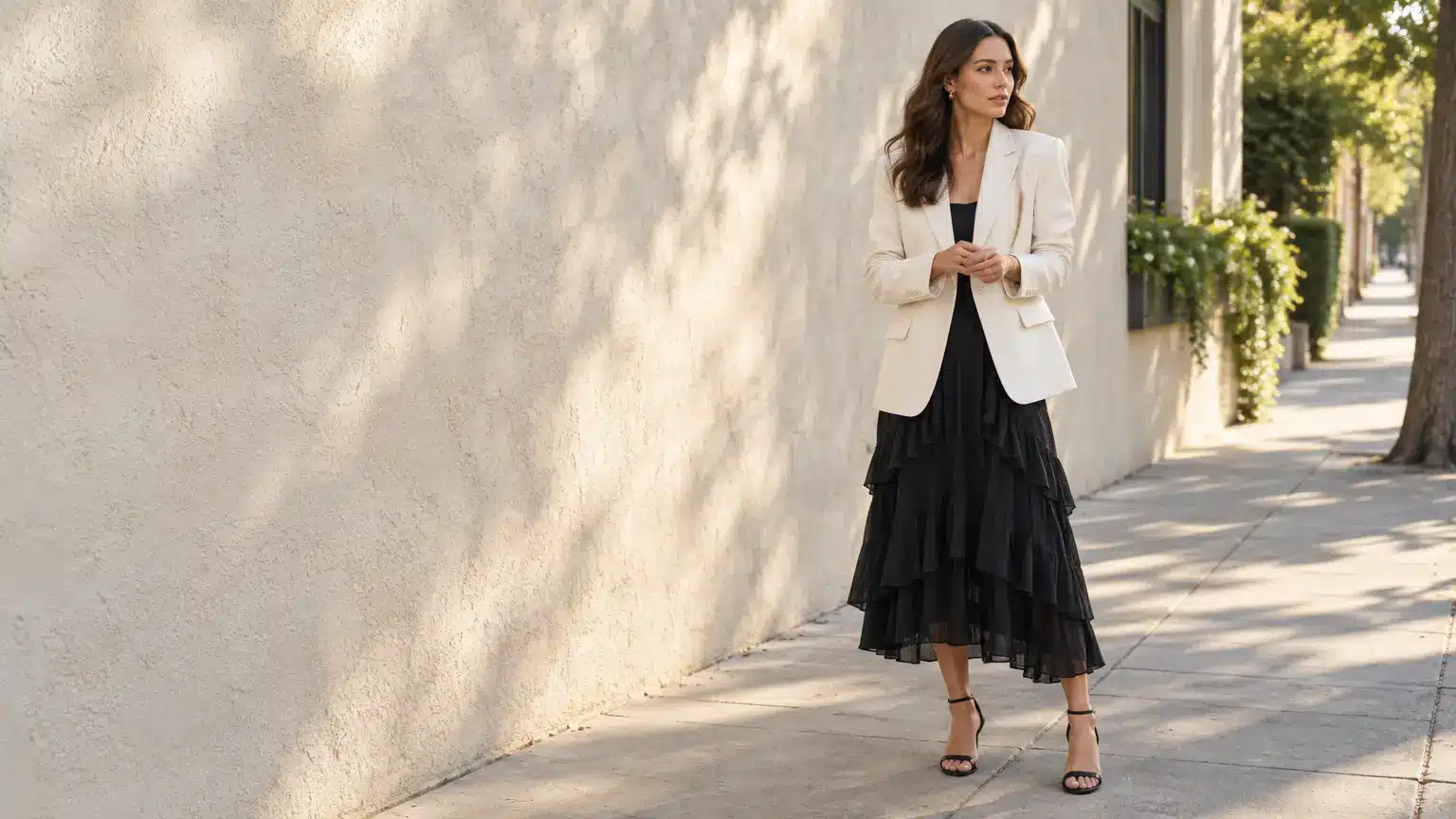
A knee-length or midi dress fits comfortably beneath most gowns and remains appropriate for photographs afterward. The fabric should allow easy sitting and walking. Linen can wrinkle quickly, while very heavy material may feel oppressive beneath polyester regalia.
Tailored Trousers and a Lightweight Top
This combination is practical, polished, and easy to adjust for different temperatures. A collared shirt creates a traditional appearance, while a refined knit top or blouse feels slightly less formal. The trousers should allow a full walking stride, particularly if the procession includes stairs.
A Streamlined Jumpsuit
A jumpsuit provides the visual unity of a dress with the coverage of trousers. Complicated fastenings are worth avoiding, however. Graduation days involve long lines, unfamiliar buildings, and limited time between scheduled activities.
A Suit or Coordinated Separates
A lightweight suit works well for a formal ceremony, although the jacket may feel unnecessary beneath the gown. Some graduates wear the shirt and trousers during commencement, then add the jacket for family photographs or dinner.
Cultural or Traditional Clothing
Graduation can be a meaningful occasion for clothing connected to a student’s cultural identity. The outfit must still work safely with the gown and academic regalia, but it does not have to disappear beneath university tradition. Graduation photographs often feel more personal when they represent both academic achievement and family heritage.
Shoes Are More Than a Finishing Detail
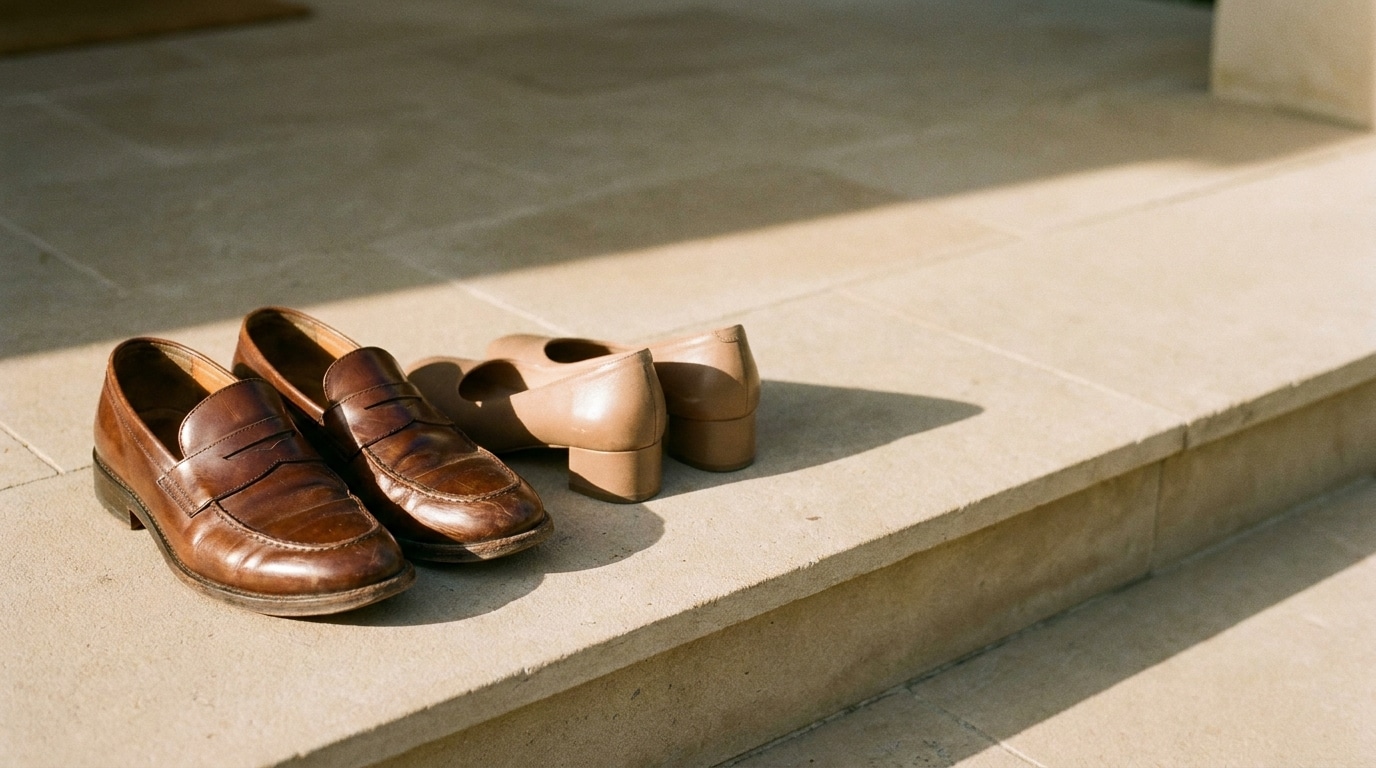
Shoes are frequently treated as the final decorative choice. On graduation day, they are closer to practical equipment.
A student may walk from a parking area, wait in a procession, cross a stage, stand for photographs, and attend a reception. Outdoor ceremonies add grass, gravel, heat, or wet ground. An attractive shoe that becomes painful after twenty minutes is not a successful choice.
Suitable options include loafers, flats, low block heels, clean dress shoes, supportive sandals when permitted, or polished sneakers at institutions with a relaxed standard. Whatever the style, the shoes should be worn before graduation day. New soles can be slippery, and unfamiliar straps may become uncomfortable surprisingly fast.
For ceremonies held on grass, thin heels may sink into the ground. With a long gown, shoes that remain firmly attached to the foot reduce the chance of stumbling. Comfort does not mean careless dressing. It allows the graduate to walk naturally and concentrate on the ceremony.
Graduation Ceremony Attire for Different Weather
Appropriate graduation ceremony attire depends heavily on conditions that photographs rarely reveal.
For a hot outdoor ceremony, breathable fabric and minimal layers are sensible. Sunscreen and water may matter more than an extra accessory, provided the venue allows graduates to carry them. Light clothing underneath can also feel more comfortable beneath a dark gown.
In cool or windy weather, a thin insulating layer may work better than a bulky sweater. A coat can be worn before and after the ceremony, even if it cannot be carried during the procession.
Rain requires additional planning. Shoes need reliable traction, hems should remain clear of wet ground, and any hairstyle must still work beneath the graduation cap. A compact umbrella or transparent rain covering may be useful if university rules permit them.
Keep Accessories Intentional
Graduation clothing already includes a cap, tassel, gown, cords, stole, or academic hood. Too many additional accessories can make the outfit appear crowded.
Small earrings, a watch, a simple necklace, or one meaningful piece often provides enough detail. Accessories should not catch on the gown or interfere with the hood. Large bags may also be prohibited, so essential items should fit in a pocket or small venue-approved bag.
The graduation cap deserves a trial run as well. A hairstyle should support it rather than compete with it. The same principle applies to decorated mortarboards. Universities have different policies, so students should confirm the rules before investing time in an elaborate design.
Dress for the Hours After the Ceremony
Graduation does not end when a student crosses the stage. There may be photographs, restaurant reservations, campus walks, family gatherings, or immediate travel. The outfit should remain comfortable and presentable during this second part of the day.
Once the gown is removed, the clothing underneath stops being a background element. A graduate wearing something comfortable, well fitted, and familiar will often appear more confident than someone dressed according to a rigid idea of formality.
There is no requirement to purchase an entirely new wardrobe. Clothing a student already owns can work with careful pressing, suitable shoes, and one intentional accessory. Graduation celebrates completed work, not spending.
Let the Clothes Support the Moment
Academic regalia connects individual students with a long history of universities and scholarly ceremonies. Still, the person inside the gown should not vanish beneath that tradition.
The strongest graduation outfit balances institutional expectations with ordinary reality. A graduate may be nervous, warm, proud, distracted, or trying to find family members across a crowded lawn. Clothes cannot control the day, but they can make it easier.
The final test is straightforward. Can the graduate sit, walk, climb stairs, handle the weather, and remain comfortable in photographs? If the answer is yes, the outfit is doing its job. Graduation clothing does not need to prove that the student has succeeded. The ceremony has already done that.