


Modern period care gives people more control over changing flow, physical activity, sleep, and comfort throughout menstruation. Reusable cups, discs, absorbent underwear, washable pads, and disposable products each solve different practical problems. Some are suitable for heavy bleeding, while others work better for spotting or movement. Knowing how each option functions helps people create a routine that protects clothing, reduces irritation, and fits the body’s changing needs across several days.
Choosing a Practical Starting Point
Cycle patterns differ, so one item may not meet every need. Saalt period care products include reusable cups, discs, absorbent underwear, and washing accessories. These formats let people compare internal and external protection, adjust absorbency, and prepare for lighter or heavier days. A varied kit can also provide flexibility during exercise, travel, work, sleep, or times when washing facilities are limited.
Matching Protection With Flow
Menstrual volume commonly changes throughout the cycle. Light spotting may call for a liner or low-absorbency garment, while peak bleeding may require a cup, disc, or higher-capacity underwear. Package guidance offers a useful starting point, but personal observation is also important. Checking saturation at sensible intervals helps prevent leakage, dampness, and prolonged contact with blood.
Supporting Comfort During Movement
Exercise exposes problems caused by poor fit, shifting, friction, or inadequate coverage. Running, cycling, stretching, and long walks may call for secure placement and flexible materials. Internal options remain less exposed to external movement, while absorbent underwear avoids adhesive edges. Breathable fabric can reduce moisture against the skin. Correct sizing is important because excessive pressure and loose seals can both cause discomfort.
Managing Overnight Needs
Night protection depends on expected volume, sleeping position, and the number of hours before changing. Products approved for longer wear may reduce sleep interruptions, provided usage directions are followed. High-waisted absorbent underwear can cover more of the body during turning or shifting. Those with heavier bleeding may combine underwear with a cup or disc after confirming that both items can be used together safely.
Responding to Cramps and Pressure
Pelvic cramping can make insertion, removal, or restrictive clothing uncomfortable. A correctly sized cup or disc may feel less bulky than an external pad or tampon, although individual anatomy determines comfort. Pain that begins after insertion warrants attention.
Building a Reusable Routine
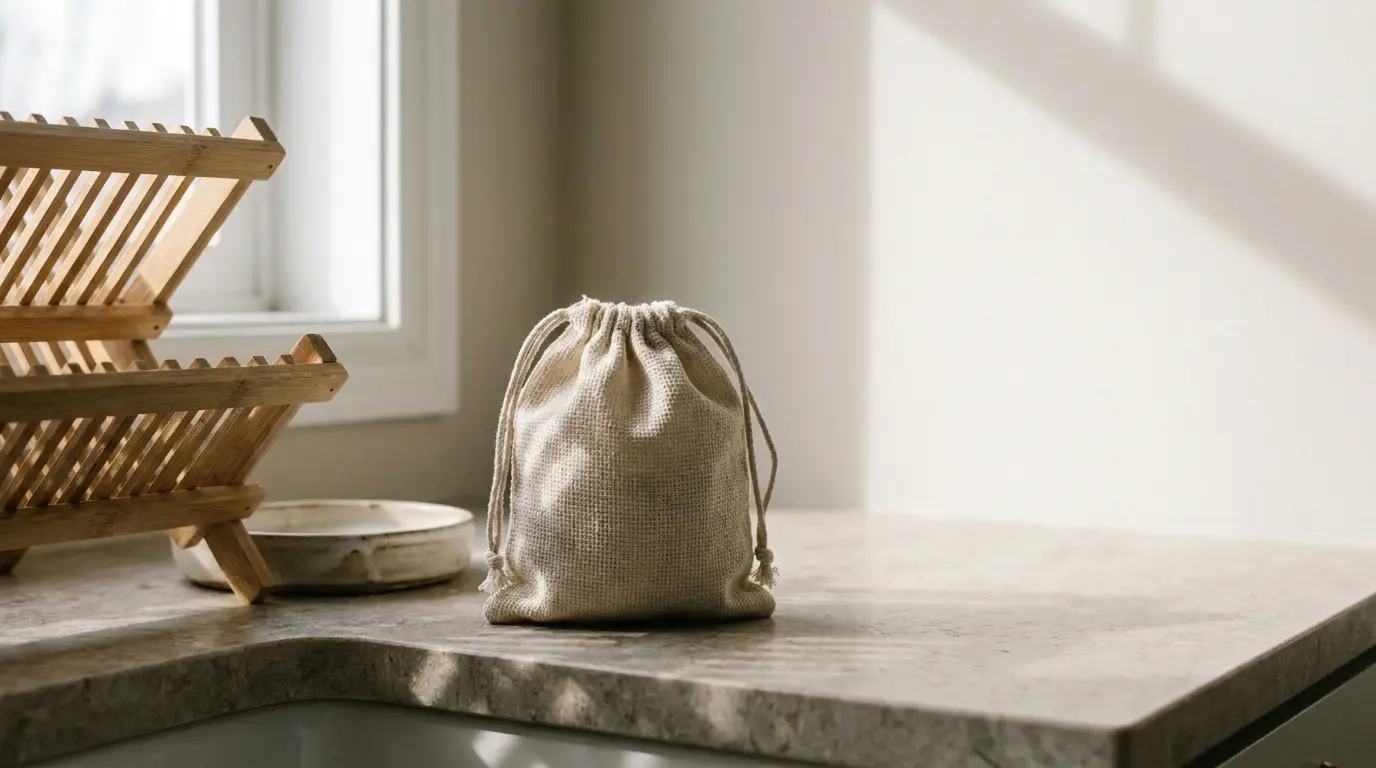
Reusable items need consistent cleaning between cycles. Cups and discs generally require rinsing, washing, and periodic sterilization according to their instructions. A breathable storage pouch protects the item between uses and allows for complete drying. Absorbent underwear should follow its care label, since heat, fabric softener, or unsuitable detergents can impair performance. Carrying a spare garment or cup can help during long days away from home.
Considering Cost and Waste
Reusable protection may lower long-term spending by reducing frequent purchases, although the initial price can exceed that of disposable supplies. Durability depends on correct care, material quality, and replacement at the recommended interval. Disposables remain useful during travel, illness, limited laundry access, or unfamiliar bathrooms. Combining formats can balance convenience, hygiene, cost, and environmental goals.
Preparing for Cycle Changes
Recording bleeding volume, cramps, irritation, leakage, and activity can reveal useful patterns. After several cycles, those notes may show which days require greater capacity or which materials trigger discomfort. A compact period kit can hold spare underwear, cleansing supplies, a sealed waste bag, and approved pain relief. Preparation reduces rushed decisions, particularly during commutes, school hours, work shifts, or overnight stays.
Recognizing When Help Is Needed
Period products cannot explain sudden changes in bleeding or pain. Medical assessment may be needed when flow becomes markedly heavier, lasts longer than expected, or causes dizziness, weakness, breathlessness, or severe cramps. Repeated leakage despite suitable sizing also warrants review. Persistent itching, burning, rash, or odor may indicate irritation or infection. Menstrual care should improve daily function, while unusual symptoms require qualified clinical advice.
Conclusion
Modern period care offers practical responses to changing flow, movement, sleep, skin sensitivity, and access to laundry. Cups, discs, absorbent underwear, pads, tampons, and liners each have useful applications. The right combination depends on anatomy, capacity, fit, care requirements, and personal comfort. By monitoring cycle patterns and keeping more than one option available, people can protect clothing, reduce interruptions, and approach menstruation with greater confidence.