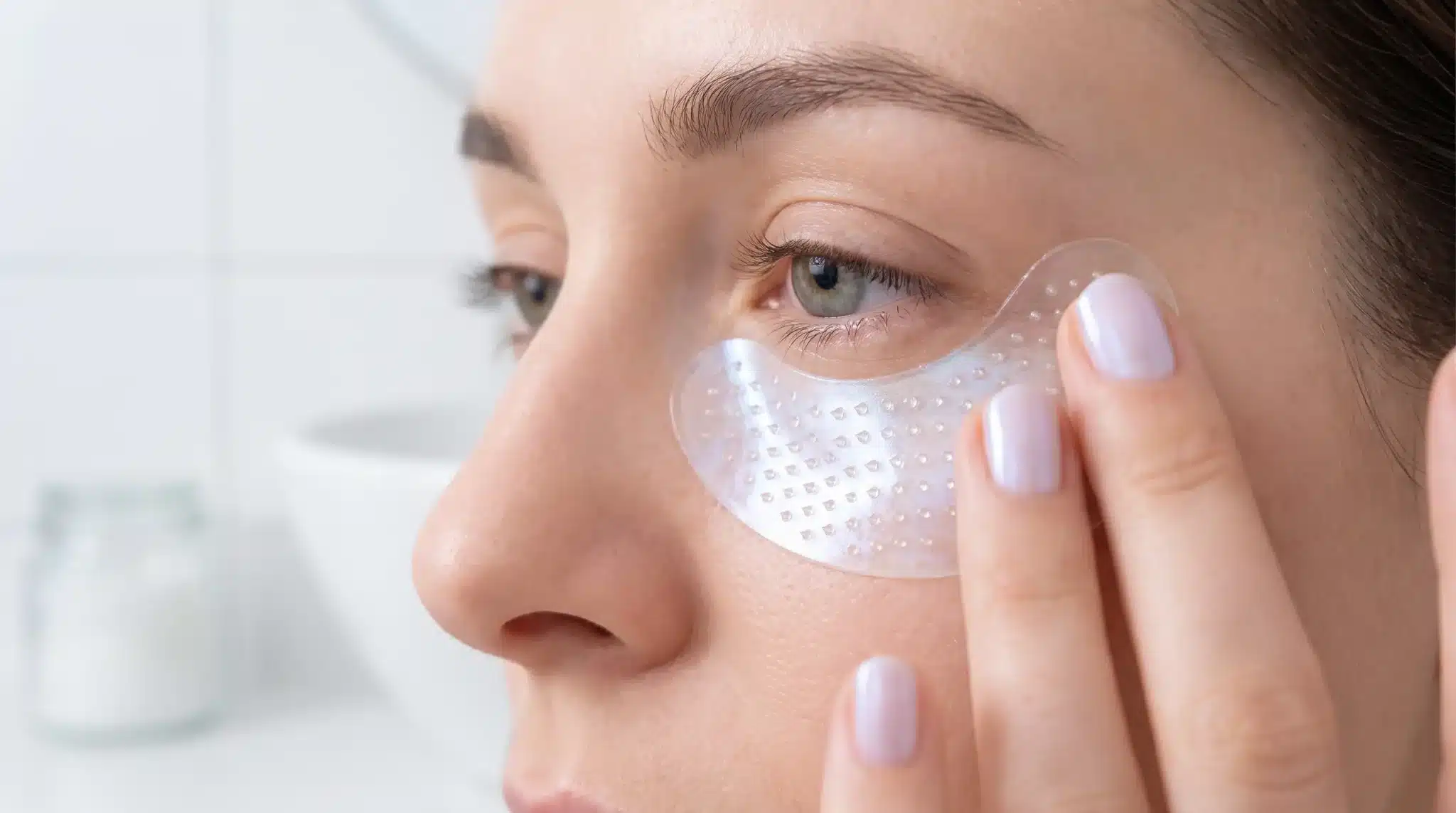

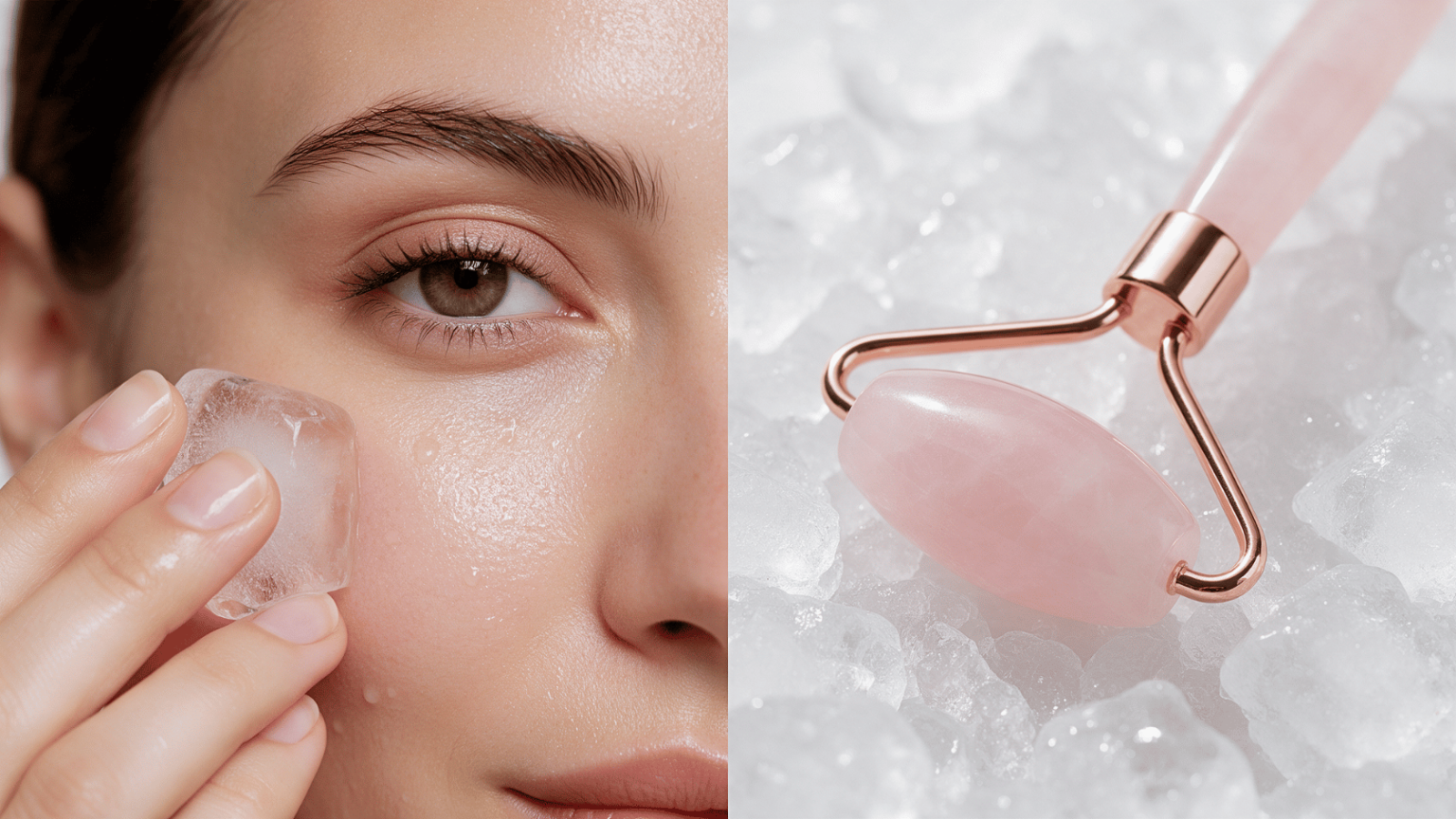
Some mornings, your face looks puffier than you feel, and a cold roller starts sounding like an easy fix. Social media makes facial icing look almost instant, but the results are usually more modest.
So, what does icing your face do when you strip away the hype?
Cold can temporarily reduce puffiness, calm the look of inflammation, and make skin feel fresher. It cannot permanently shrink pores, sculpt your face, or replace acne treatment.
Here, you’ll get the realistic benefits, common experiences, safety limits, and whether the habit is actually worth trying.
What Does Icing Your Face Actually Do?
Cold causes temporary changes in blood flow near the skin and can help reduce swelling. This is why a cold compress has long been used for puffiness and inflammation.
In practical terms, It can make a swollen or tired-looking face appear less puffy for a while. Skin may also feel firmer, cooler, and more awake afterward.
The important word is temporary. These changes don’t mean the structure of your skin, pores, or face has permanently changed.
What Benefits Do People Actually Notice From Face Icing?
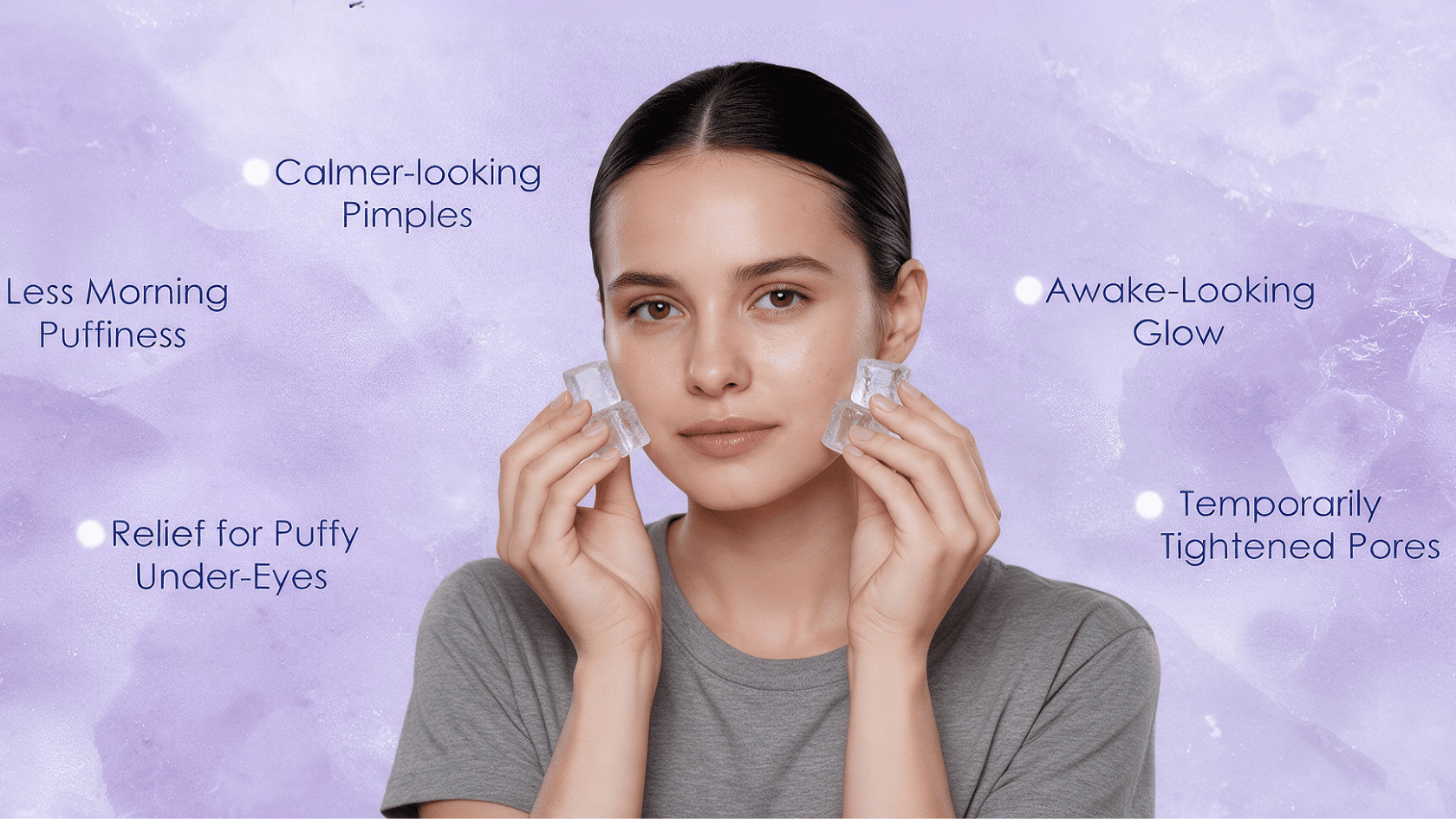
The most realistic face icing benefits tend to involve appearance and comfort rather than long-term changes to the skin, unlike a skincare routine.
1. Less Morning Puffiness
Morning facial swelling is one of the main reasons people use ice rollers.
Cold can temporarily reduce visible puffiness, particularly after poor sleep or when fluid has collected around the face overnight. User discussions also commonly describe a less swollen appearance after morning ice rolling.
2. Calmer-Looking Redness and Inflamed Pimples
A cold application may temporarily calm the swelling and discomfort around a painful, inflamed blemish.
Cold can help relieve some pain and inflammation around swollen acne lesions. It does not, however, treat the underlying causes of acne. Think of it as temporary symptom relief rather than an acne treatment.
3. Temporary Tightened Look to Pores
Cold may make skin look clear and temporarily tighter, which can make visible pores seem a little less obvious. It does not physically close or permanently shrink pores.
My formulation training taught me to be particularly careful with claims like “pore shrinking.” A temporary change in appearance is very different from changing the actual structure of the skin.
4. Fresher, More Awake-Looking Glow
Some people simply like how their skin looks immediately after cooling. The temporary reduction in puffiness can make facial contours appear slightly clearer, while the cooling sensation itself may make tired skin feel refreshed.
These face icing benefits help explain why people often use rollers before makeup, photos, or early mornings rather than expecting them to transform their skin.
5. Temporary Relief for Puffy Under-Eyes
A cool compress can temporarily improve mild swelling underneath the eyes.
However, cold cannot correct structural or genetic eye bags. Aging, genetics, fluid retention, allergies, and changes in the tissues around the eyes can all contribute to their appearance.
Disclaimer: This content is for general informational purposes only and is not medically approved advice. For specific skin concerns, consult a qualified healthcare or skincare professional.
What People Say About Face Icing
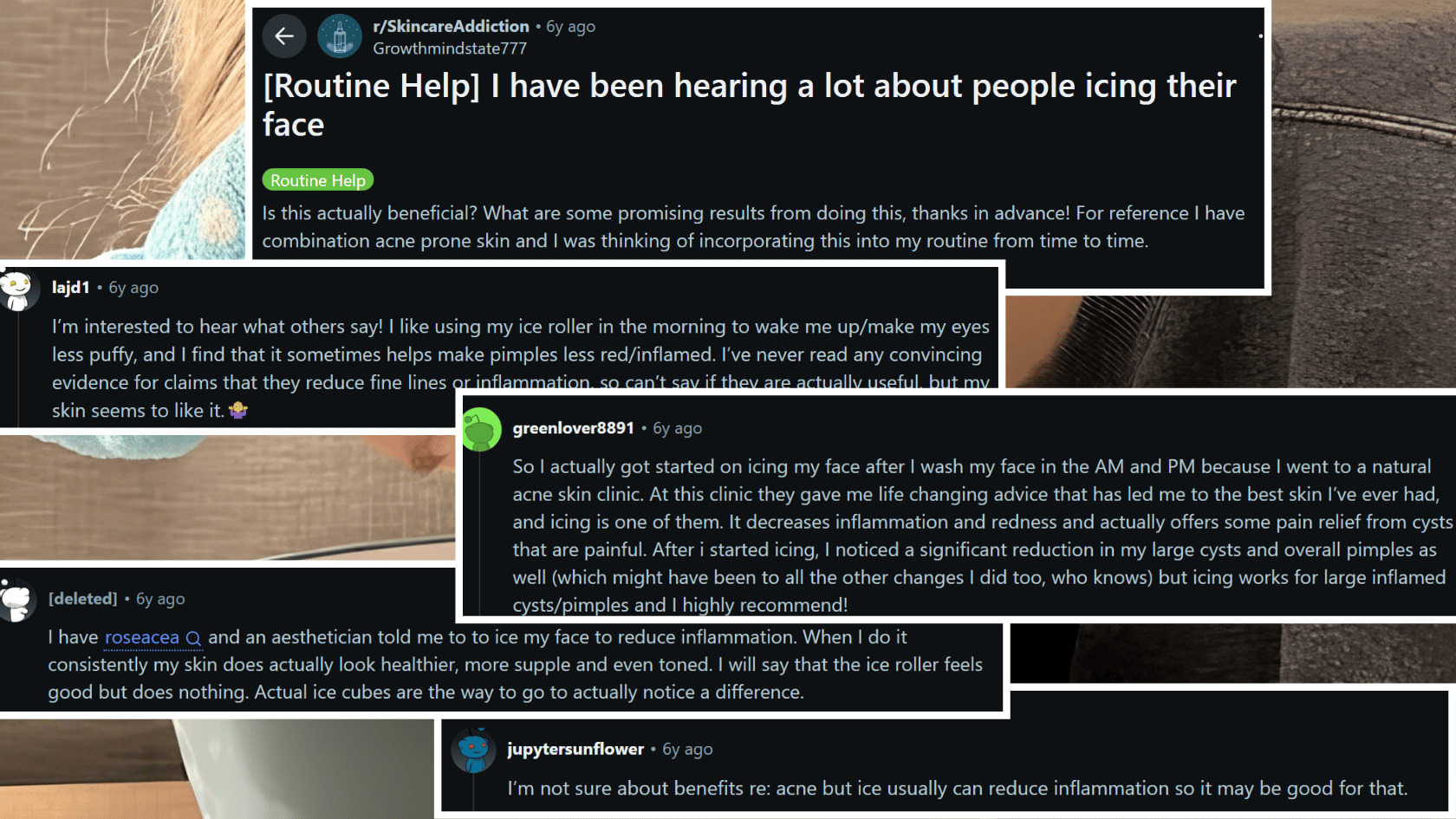
In a Reddit skincare discussion, users share mixed but mostly positive experiences with face icing. Several say it temporarily reduces morning puffiness, redness, and the swollen look of inflamed pimples.
Some people report that regular icing calms their skin or eases discomfort from painful breakouts. Others are less convinced, noting that the effects may be temporary and difficult to separate from other skincare changes.
Face icing may be worth trying for short-term cooling and de-puffing, but it is not a proven acne treatment. Direct ice can also irritate or damage skin when held in one place too long.
A safer approach is to wrap ice in a soft cloth and use it briefly. For persistent acne, rosacea, or irritation, professional skincare advice is more reliable than community results.
What the Evidence Says Compared With Social Media Claims
Scientific support is stronger for the basic effects of cold than for many of the skincare claims attached to face icing online.
1. Effects that are reasonable to expect include:
- Temporary reduction in swelling and facial puffiness
- A cooling or soothing sensation
- Short-term relief from discomfort around inflamed blemishes
- A temporarily fresher or slightly tighter-looking appearance
- Reduced appearance of mild under-eye puffiness
2. Claims with limited or insufficient evidence include:
- Permanently shrinking pores
- Creating lasting facial sculpting or a sharper jawline
- Reducing facial fat
- Clearing acne
- Permanently improving dark circles
- Preventing wrinkles or significantly slowing skin aging
- Creating lasting improvements in facial circulation
Direct clinical evidence specifically testing many popular facial icing claims remains limited.
That does not mean people cannot notice a short-term difference; it means those temporary results should not be presented as permanent changes to the skin.
Is Icing Your Face Safe?
For most people, facial icing is more about technique than making the skin as cold as possible.
If you ice your face, don’t leave bare ice on one area for too long. A clean cloth, cold compress, or properly used cooling tool provides more control. Keep the cold moving and watch your skin.
Stop if you notice significant pain, persistent numbness, burning, unusual redness, or skin that becomes very pale. Prolonged exposure to extreme cold can injure tissue.
Possible Side Effects of Icing Your Face
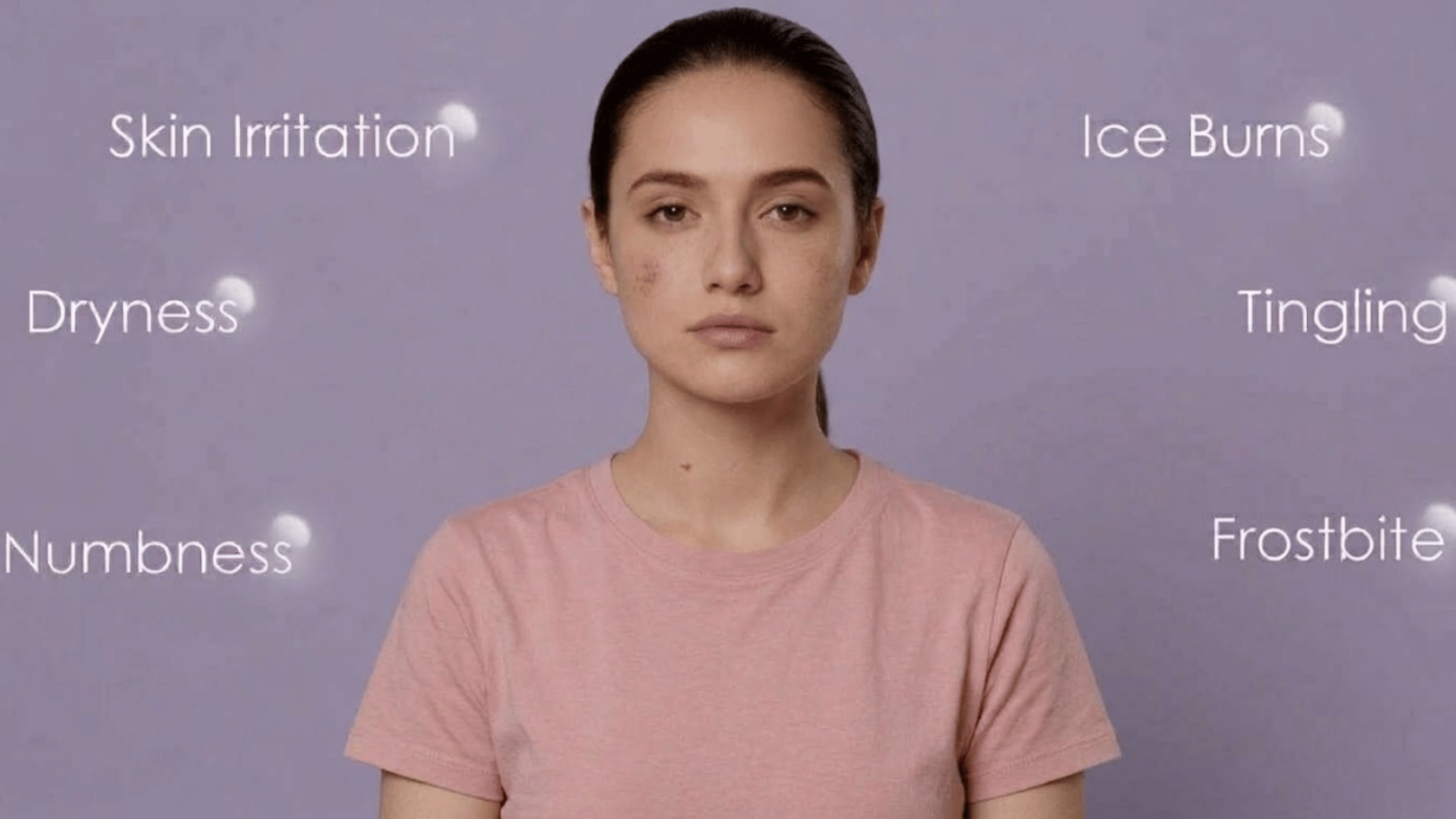
Facial icing is generally well tolerated when you cool the skin gently, but direct or prolonged exposure to ice can cause irritation. Sensitive or reactive skin may also respond more strongly to sudden temperature changes.
- Redness and Skin Irritation: Intense cold can leave the skin looking red or feeling uncomfortable, especially when ice is placed directly against sensitive skin.
- Ice Burns or Frostbite: Holding ice on one spot for too long can damage skin tissue. Burning, numbness, unusual color changes, or blistering are signs that the skin has become too cold.
- Dryness and Skin Barrier Irritation: Frequent or aggressive icing may leave dry or sensitive skin feeling tight, rough, or uncomfortable, particularly when the skin barrier is already compromised.
- More Visible Capillaries: Extreme temperature changes may aggravate fragile or visible facial capillaries. People with broken capillaries should be especially cautious with intense cooling.
- Numbness or Tingling: Mild coolness is expected, but persistent numbness, pain, or strong tingling can indicate excessive cold exposure and should prompt you to stop immediately.
- Worsening of Reactive Skin: Rosacea-prone or highly sensitive skin can sometimes become redder or more uncomfortable after icing rather than calmer. Recently treated skin may also require more cautious aftercare.
Most problems come from using temperatures that are too cold, applying ice directly, or keeping it against the skin for too long.
How to Ice Your Face Safely
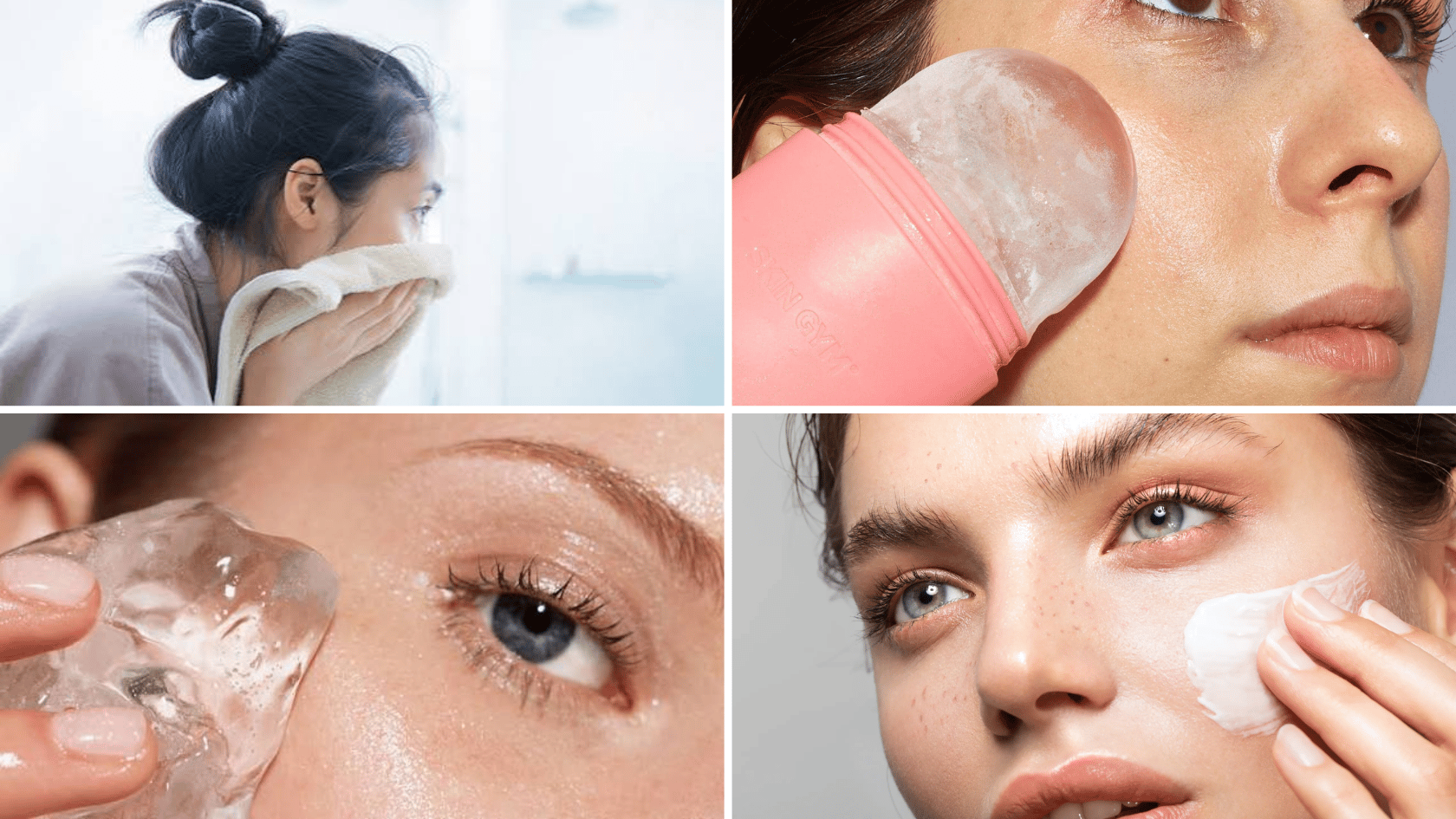
The goal is gentle cooling, not freezing the skin. Product-development work taught me that technique often matters more than intensity, especially when applying cold to delicate facial skin.
1. Cleanse Your Face First
Clean skin lets the cold tool glide freely without trapping oil, makeup, or dirt from the surface.
Washing hands and wiping down the roller or cloth beforehand also lowers the chance of spreading bacteria across the face.
2. Wrap the Ice or Use an Ice Roller
A cloth barrier between ice and skin prevents overcooling and keeps the cooling process easier to control throughout the session.
Bare ice can feel harsh on delicate areas, so a chilled roller or wrapped cube works better than direct contact.
3. Gently Move Across the Face
Light, steady movement across the cheeks, jawline, forehead, and chin keeps the cooling effect even and reduces irritation risk.
Holding the tool in one spot too long raises the chance of overcooling, so keep it moving and stay gentle near the eyes.
4. Keep the Session Short
Face icing should feel refreshing rather than painful, and longer sessions do not necessarily produce better or longer-lasting results.
Stop once skin feels sufficiently cool, and watch for strong redness, numbness, or unusual paleness during the process.
5. Moisturize Afterward
Let skin return to a comfortable temperature before finishing the routine, rather than moving straight into other products.
A gentle moisturizer supports the skin barrier afterward, especially if the face feels tight, dry, or slightly sensitive.
How Often Should You Ice Your Face?
No official evidence-based schedule shows that more frequent facial icing produces better skin.
Some people tolerate occasional use well, while others use a cooling tool more regularly without problems. Sensitive or easily irritated skin may need much less.
The simplest rule is to let your skin decide. If repeated sessions cause dryness, redness, burning, or tenderness, reduce the frequency or stop.
Ice Cube vs. Ice Roller: Does It Matter?
You don’t need an expensive beauty tool to get the basic cooling effect.
|
Method |
Main Advantage |
Main Drawback |
|---|---|---|
|
Wrapped ice cube |
Free and easy to access |
Messy and easier to overcool one area |
|
Ice roller |
Convenient and easy to move |
Requires buying another tool |
|
Cold compress |
Gentle and simple |
Less targeted |
|
Chilled facial tool |
Comfortable and reusable |
Results are still temporary |
An ice roller may make the process neater, but it does not turn cold therapy into a different skincare treatment.
Who Should Be Careful With Face Icing?
Cold is not ideal for every skin type.
Take extra care if you have:
- Very thin or highly sensitive skin
- Easily irritated or rosacea-prone skin
- Prominent broken capillaries
- Skin recovering from lasers, peels, surgery, or other procedures
- A condition that reduces normal temperature or touch sensation
- Burning, pain, persistent redness, or numbness during icing
People with conditions that affect cold tolerance or sensation should be particularly careful with extreme cold exposure.
Final Thoughts
Face icing works best as a quick cosmetic reset rather than a permanent fix. The habit can ease morning puffiness, calm redness, and leave skin feeling cooler within minutes.
Pores and acne stay unaffected by cold alone, so treat those results as temporary rather than corrective. A wrapped ice cube, roller, or cold compress all deliver similar benefits when used gently and briefly.
Skip this habit if skin turns painful, numb, or unusually pale during a session. For a simple refresh before makeup or a tired morning, keep sessions short, moisturize afterward, and let comfort guide the routine.
Drop a comment below and share how icing your face has worked for your skin.
Frequently Asked Questions
Can Face Icing Help Makeup Last Longer?
There is no strong evidence that icing makes makeup last longer. It may temporarily reduce puffiness before application, but let your skin return to a comfortable temperature and dry fully before applying makeup.
Does Icing Your Face Help Define the Jawline?
Icing may temporarily reduce facial puffiness, which can make the jawline look slightly more defined. However, it does not remove facial fat, reshape the jaw, or create lasting contour changes.
Should You Ice Your Face in The Morning or At Night?
Morning is usually more useful because icing can temporarily reduce overnight puffiness and help skin look refreshed. Nighttime icing is also fine if your skin tolerates it, but neither time offers better long-term results.