


Rough patches, dry spots, and uneven texture that refuse to fade no matter how much lotion gets used can feel frustrating and hard to figure out.
Figuring out how to get smooth skin often feels more confusing than it should, especially with countless products claiming instant results overnight.
The truth is simpler than most people expect. Smoother skin comes down to a handful of consistent habits, not expensive treatments or complicated multi-step routines.
From daily basics to the ingredients that actually make a difference, everything needed to build a plan suited to any skin type follows right below.
How to Get Smooth Skin Naturally and Effectively?
Smooth skin comes from a simple, consistent routine. Gentle cleansing, regular exfoliation, proper hydration, and daily sun protection work together to keep skin soft and even over time.
Skin texture gets better once dead cells are cleared away and the moisture barrier stays strong. A healthy barrier locks in water and keeps skin feeling soft instead of rough or flaky.
Results still depend on a few things. Skin type, genetics, weather, and the products someone uses all play a part in how fast and how well skin responds to care.
The right ingredients and daily steps make a real difference. Once these basics are clear, it becomes easier to build a simple plan that fits any skin type.
Best Skincare Actives for Smooth Skin
Certain skincare actives work together to support hydration, exfoliation, and barrier repair. Picking the right ones makes a noticeable difference in how soft and even skin feels over time.
Here are some of the most effective actives to look for in your products:
- Hyaluronic Acid: Attracts moisture and gives skin a more hydrated look.
- Glycerin: Helps retain moisture and keeps skin feeling soft.
- Ceramides: Strengthen the skin barrier and prevent moisture loss.
- AHAs (Glycolic Acid, Lactic Acid): Remove dead skin cells, smooth out uneven texture.
- BHAs (Salicylic Acid): Clear clogged pores and calm rough patches.
- Niacinamide: Supports barrier health and improves overall skin appearance.
- Natural Oils and Butters: Nourish dry skin and help lock in moisture.
Using a mix of these ingredients, rather than relying on just one, gives your skin the best chance at look and feel smooth. Start slow and add new actives one at a time.
4 Easy Steps to Get Smooth Skin
Getting smooth skin does not require a complicated routine. A few simple, consistent steps done the right way can make a real difference in how skin looks and feels over time.
Below are the first two steps that form the base of any good skincare routine. Getting these right sets the stage for everything else that follows:
Step 1: Cleanse Your Skin Gently
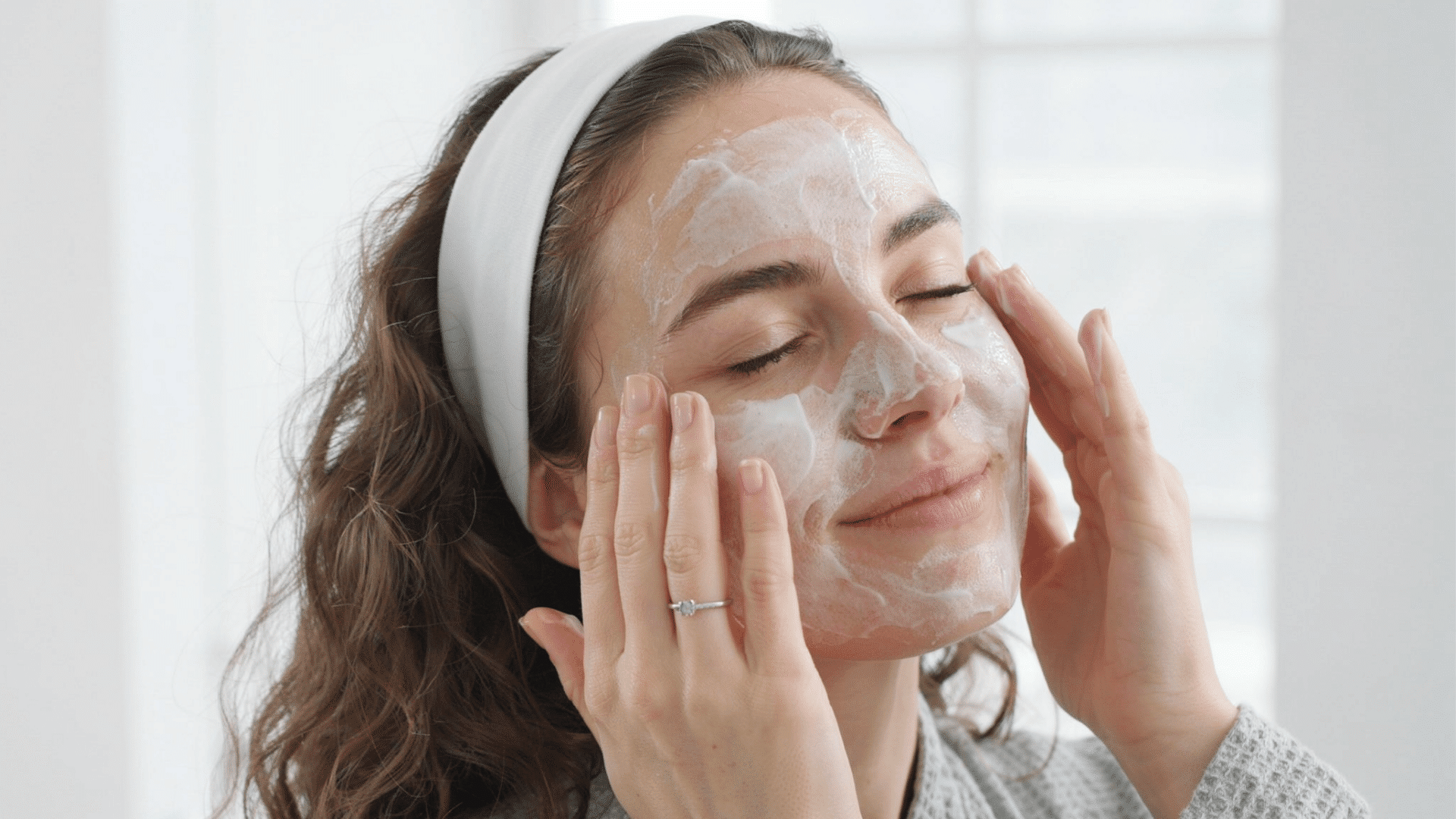
Gentle cleansing removes dirt, oil, and daily buildup without stripping away natural moisture. A mild, sulfate-free cleanser works best for most skin types since it cleans without disturbing the skin barrier.
Avoid harsh soaps and very hot water, as both can leave skin feeling dry, tight, and rough.
Lukewarm water is a better choice since it cleans effectively while keeping skin comfortable and balanced throughout the day.
Step 2: Exfoliate Regularly to Remove Dead Skin Cells
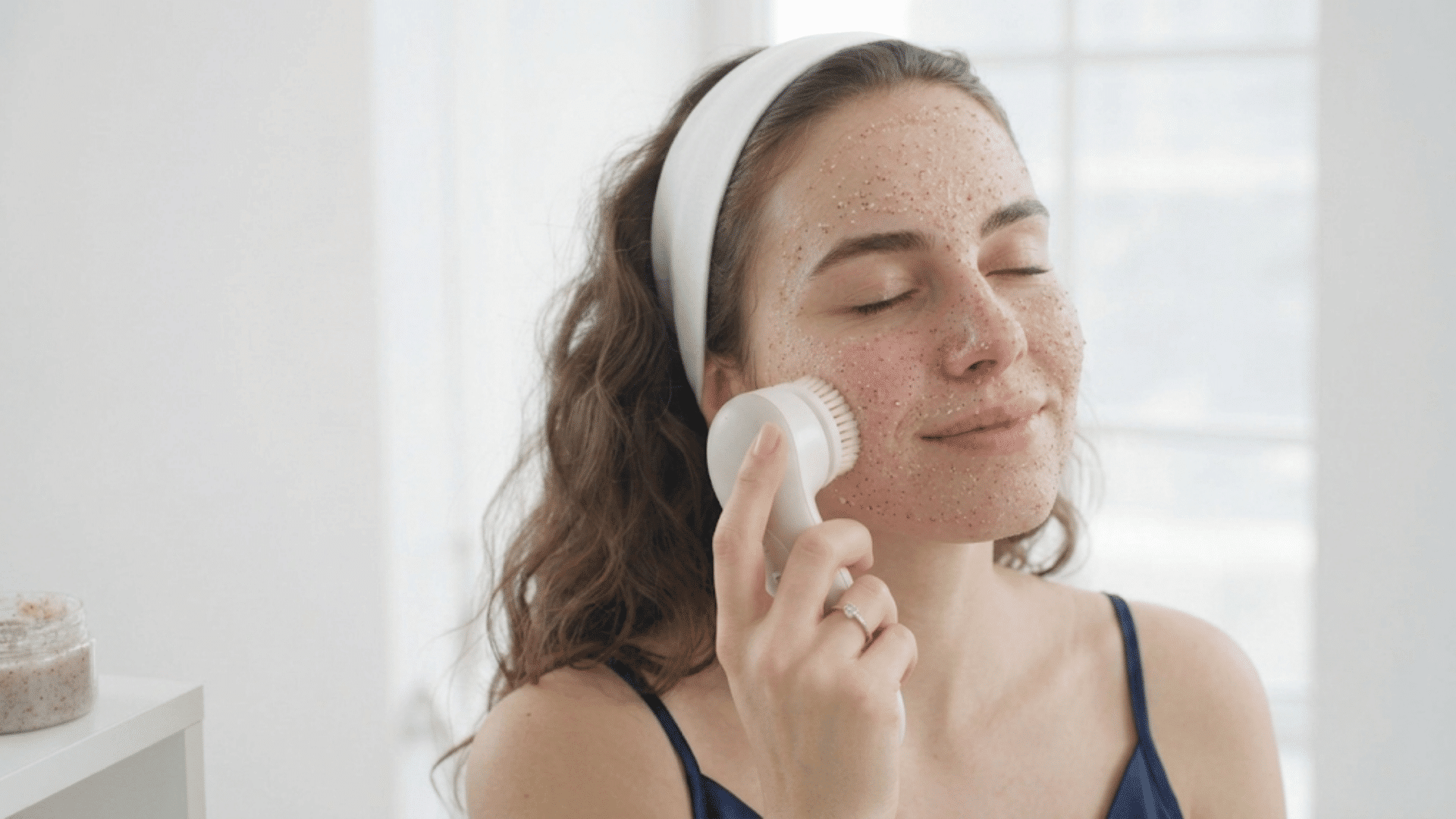
Exfoliation clears away surface buildup that can make skin look dull or feel rough. Removing these dead cells allows fresh skin underneath to feel smoother and appear more even over time.
Chemical exfoliants like AHAs and BHAs work well for most skin types. Avoid exfoliating too often, since overdoing it can irritate the skin barrier and lead to redness, sensitivity, or extra dryness.
Step 3: Moisturize Daily to Maintain Soft Skin
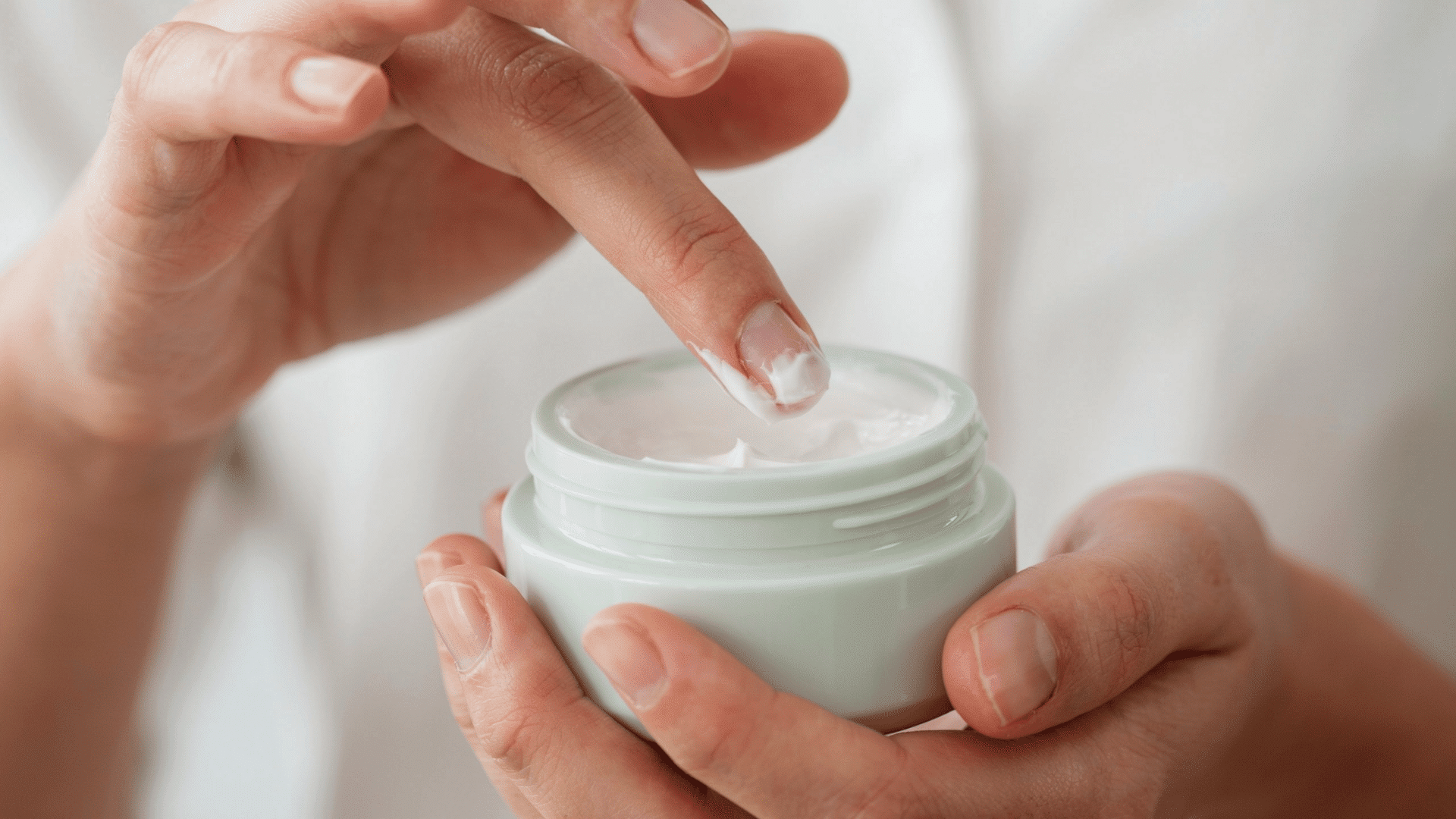
Moisturizer supports the skin barrier and keeps dryness from setting in. It works by trapping water in the outer layer of skin, which keeps skin soft and reduces flakiness or tightness.
Apply moisturizer right after bathing, while skin is still slightly damp, to help seal in hydration more effectively. This small habit can make a noticeable difference in how soft skin feels by the next day.
The American Academy of Dermatology recommends applying moisturizer while skin is still damp — within a few minutes of bathing, since this is when skin can lock in the most moisture. Gently massaging it in, rather than rubbing, helps it absorb more effectively.
Step 4: Apply Sunscreen Every Day
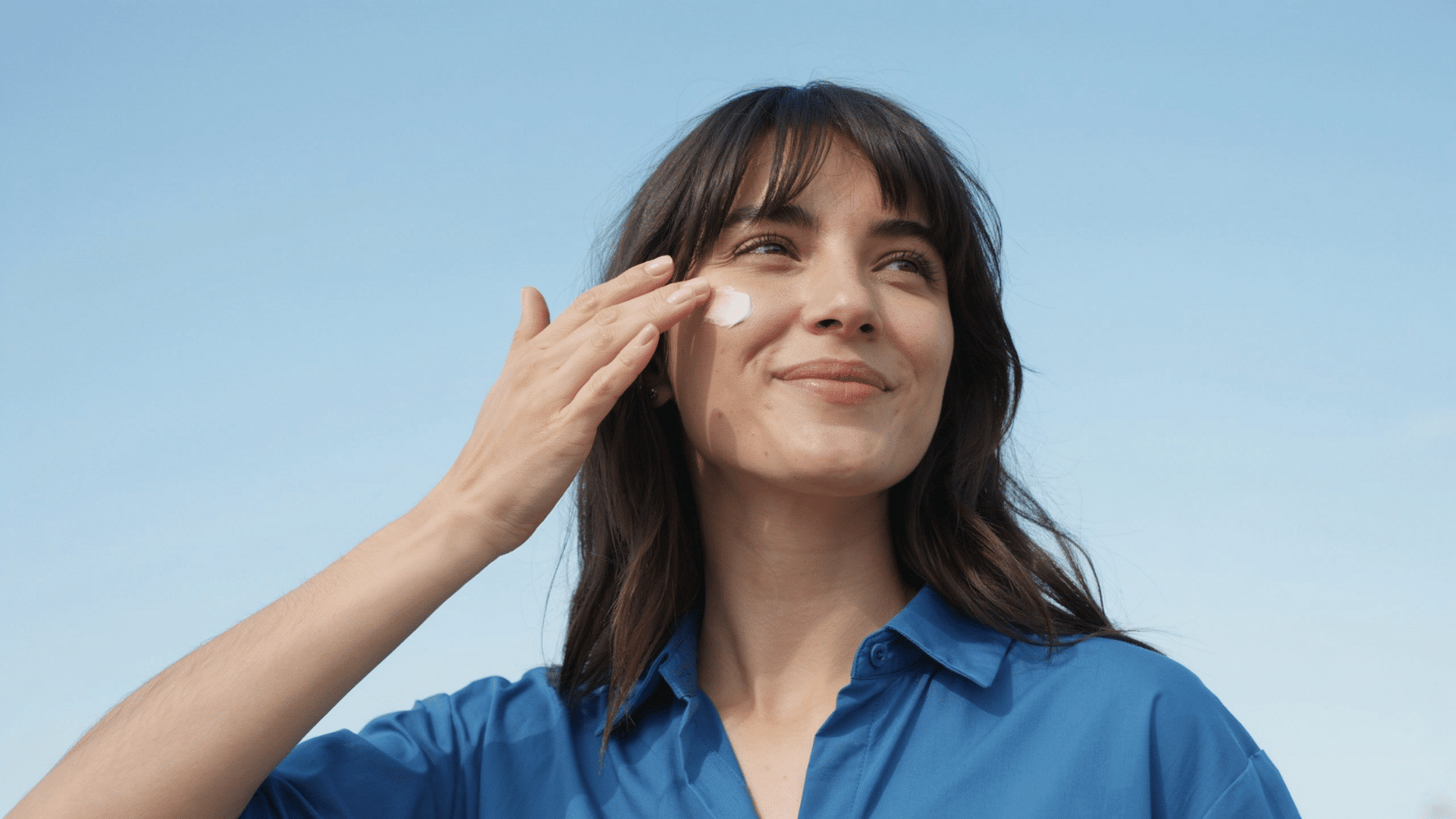
UV exposure plays a big role in dryness, uneven texture, and early skin changes like fine lines. Daily sun damage adds up over time, even on cloudy days or when staying indoors near windows.
Using a broad-spectrum sunscreen with SPF 30 or higher every day helps protect skin from this damage. Reapplying every few hours during long periods outside gives skin extra protection when it needs it most.
Support Skin Health Through Diet and Lifestyle
Skin health goes beyond products applied on the surface. Hydration, balanced meals, sleep, and stress levels all affect how skin looks, feels, and functions on a daily basis.
Several everyday habits shape how skin behaves over time, and understanding each one makes it easier to build a routine that actually works.
- Antioxidant foods (berries, leafy greens): fight free radical damage; support cell repair
- Omega-3s (fish, walnuts): help skin stay hydrated and supple over time
- Sugar and processed foods: speed up collagen breakdown through glycation
- Sleep (7-9 hours nightly): lowers cortisol, giving skin real time to heal and repair
Small, steady changes to these habits often show up as clearer, calmer skin within a few weeks.
How to Get Smooth Skin with Targeted Treatments
Some areas need more attention than others. Body lotions with urea or lactic acid work well for rough patches on elbows, knees, or heels that regular moisturizer cannot fully soften.
Acne-focused products can help with bumps and breakouts on the face or back, while gentle chemical exfoliants ease persistent rough texture linked to conditions like keratosis pilaris.
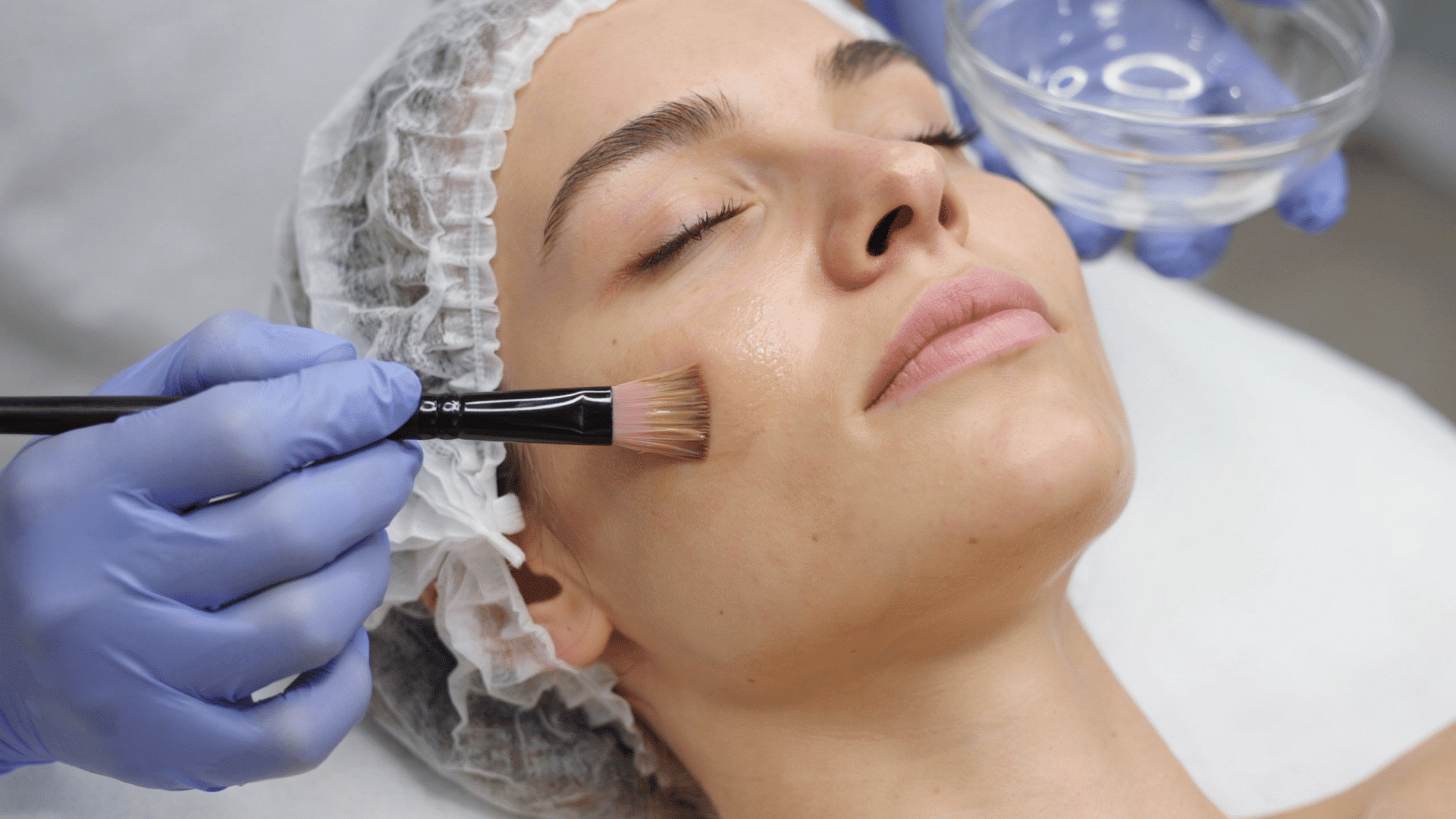
For stubborn cases that do not improve with over-the-counter products, dermatologists can offer chemical peels, microdermabrasion, or laser treatments to smooth texture and reduce redness over time.
Getting expert advice is worth it for lasting problems, since professional treatments often work faster and more effectively than home care alone.
Common Mistakes That Stop You From Getting Smooth Skin
Even a good skincare routine can fall short if a few common mistakes creep in. Knowing what to avoid is just as important as knowing what to do.
- Using too many actives at once: This can overwhelm skin and cause irritation instead of results.
- Over-exfoliating: Scrubbing too often damages the skin barrier and leads to redness or sensitivity.
- Skipping moisturizer: Oily skin still needs hydration to stay balanced and healthy.
- Long, hot showers: These strip away natural oils, leaving skin dry and rough.
- Skipping sunscreen: Missing daily SPF speeds up dryness and uneven texture.
- Switching products too fast: Skin needs time to show real change.
- Expecting instant results: Smooth skin takes patience and steady care, not quick fixes.
Most of these mistakes come from rushing the process or trying too many things at once. Slowing down and sticking to a few reliable habits usually gives better results.
Conclusion
Figuring out how to get smooth skin does not require expensive products or complicated routines. It comes down to a few consistent habits, done right, every single day.
Cleansing gently, exfoliating regularly, moisturizing daily, and wearing sunscreen form the base of healthy, soft skin. Diet, sleep, and avoiding common mistakes round out the rest.
Smooth skin matters beyond appearance. A strong skin barrier means fewer breakouts, less irritation, and skin that feels comfortable day to day, not just good in photos.
Progress often shows up quietly at first, a little less tightness, a little more softness, before it becomes obvious in the mirror. Staying consistent through those early weeks is what makes the difference stick.
Which of these steps has made the biggest difference for your skin? Share your experience or tips in the comments below.
Frequently Asked Questions
Why Does My Skin Feel Rough Even After Using the Right Products?
Rough patches can point to an underlying condition rather than dry skin alone. Keratosis pilaris, eczema, or sun damage often need targeted treatment beyond a standard routine.
How Long Does It Take to See Smoother Skin?
Most people notice hydration and texture improvements within four to eight weeks. Visible changes tied to collagen support can take up to three months of consistent care.
Can Stress Make Skin Feel Bumpy or Uneven?
Yes, chronic stress raises cortisol, which can trigger extra oil production and inflammation. This often shows up as rough patches, breakouts, or dull-looking texture.