
A freshly painted roof can improve the appearance of your home, but how long will that finish last under Australia’s strong sunlight, heavy rainfall and changing temperatures?
For Sydney homeowners, roof painting is more than a cosmetic improvement. A suitable coating system can help protect compatible roofing materials from weather exposure while improving the roof’s appearance.
However, roof paint does not last indefinitely. Over time, ultraviolet (UV) radiation, moisture, coastal conditions and natural wear can cause fading, chalking, peeling or deterioration.
The lifespan of a roof coating depends on several factors, including the roofing material, paint quality, surface preparation, application method and ongoing maintenance.
Some professionally applied roof coating systems may remain serviceable for around 10–15 years under suitable conditions, but this is a broad planning guide rather than a guaranteed lifespan. Individual products, environments and existing roof conditions can produce very different results.
This article explains how long roof paint can last in Australian conditions, what causes premature deterioration, how to recognise when repainting is needed and what homeowners can do to protect their investment.
How Long Does Roof Paint Typically Last in Australia?
Roof paint longevity varies according to the coating system, roofing substrate and environmental conditions.
As a broad guide, a suitable roof coating that has been professionally applied to a sound, correctly prepared surface may provide around 10–15 years of service. Some systems may last longer, while others may need attention much sooner.
The actual service life should be assessed against the manufacturer’s product specifications and the roof’s condition rather than a single industry-wide figure.
Typical Roof Paint Lifespan by Roofing Material
Different roofing materials have different surface characteristics, which affect coating adhesion and long-term performance.
|
Roofing Material |
Roof Painting Considerations | Main Factors Affecting Longevity |
|
Concrete roof tiles |
Common candidates for compatible roof coating systems | Tile condition, porosity, preparation and coating quality |
|
Metal roofing |
May be recoated using an appropriate system | Existing finish, corrosion, surface preparation and compatibility |
| Terracotta roof tiles | Some products may be unsuitable for conventional painting |
Glazed or unglazed surface, porosity and specialist requirements |
| Older coated roofing | Existing coating must be assessed before repainting |
Adhesion, chalking, peeling and previous coating compatibility |
| Fibre-cement roofing | Requires confirmation of substrate and asbestos status |
Material condition, legal requirements and approved procedures |
These materials should not be assumed to have identical repainting intervals.
For example, an intact factory-finished metal roof may not need repainting simply because it has reached a particular age.
Likewise, some terracotta tiles may be better maintained without applying a conventional roof coating.
Paint Lifespan vs Manufacturer’s Warranty
A coating’s expected service life and its warranty period are not necessarily the same.
A warranty may cover specified defects under defined conditions, while the coating may continue to perform beyond the warranty period.
Conversely, visible fading or changes in gloss may occur without necessarily constituting a warranty defect.
Before selecting a product, review:
- Approved roofing substrates
- Required preparation and priming
- Recommended application rates
- Number of coats
- Environmental application limits
- Warranty terms and exclusions
- Maintenance recommendations
These details provide a more reliable basis for judging performance than a general lifespan claim.
How Does Roof Painting Sydney Weather Affect Coating Longevity?
Sydney’s climate presents several challenges for exterior roof coatings.
Prolonged sunlight, seasonal rainfall, temperature changes and coastal exposure can influence how quickly a painted finish deteriorates.
The impact depends on the property rather than the city alone. A sheltered inland roof may experience different conditions from a roof exposed to salt-laden air near the coastline.
Homeowners reviewing roof painting Sydney services should look for a coating system and preparation process suited to their roofing material and site conditions.
Strong UV Exposure
Australian roofs can receive substantial ultraviolet exposure throughout the year.
UV radiation can gradually break down components of some paint films, contributing to fading, chalking and surface deterioration.
The level of resistance depends on the coating’s formulation and the pigments used.
Exterior-grade roof coatings are designed for weather exposure, but their performance still varies between products.
A paint suitable for ordinary exterior walls should not automatically be used on a roof.
Heavy Rainfall and Moisture
Rainfall can affect roof coatings when water enters through damaged surfaces, poorly sealed details or deteriorated roofing components.
Moisture beneath a coating may contribute to blistering or loss of adhesion.
Painting over damp surfaces can also cause problems if the product requires a dry substrate.
A properly functioning roof needs suitable drainage, sound flashings and effective water management.
Paint should not be used as a substitute for repairing roof leaks or defective waterproofing.
Heat and Temperature Changes
Roof surfaces can experience substantial temperature changes between sunny afternoons and cooler nights.
These changes may cause roofing materials to expand and contract.
A coating must be compatible with the movement and characteristics of its substrate.
Using an unsuitable product can increase the risk of cracking, peeling or premature failure.
Coastal Salt Exposure
Properties near the ocean may experience salt deposits and humid conditions.
For metal roofs, coastal exposure can contribute to corrosion where protective systems are damaged or unsuitable.
Salt and surface contamination can also affect coating adhesion if not removed during preparation.
Coastal roof painting requires careful attention to the substrate, cleaning procedures and product specifications.
Shaded and Damp Roof Areas
Not every roof problem is caused by strong sunlight.
Shaded areas may remain damp for longer after rainfall, creating conditions where algae, lichen or other biological growth can develop.
These contaminants can affect appearance and interfere with coating adhesion.
The roof should be inspected and appropriately treated before repainting.
What Factors Determine How Long Roof Paint Lasts?
Weather exposure matters, but installation quality and roof condition can have an equally strong influence on coating life.
A high-quality product may fail early if it is applied over dirt, unstable existing paint or a deteriorating substrate.
Long-lasting results depend on the complete painting process, from inspection through to final curing.
Roof Condition Before Painting
A roof should be structurally sound and suitable for coating before painting begins.
Cracked tiles, corrosion, leaks and damaged flashings should be investigated and repaired using appropriate methods.
Painting over an existing defect may temporarily improve its appearance without correcting the problem.
A professional inspection helps establish whether the roof needs repairs, cleaning, recoating or replacement.
Surface Preparation
Surface preparation is one of the most influential factors in roof coating performance.
Dirt, biological growth, chalking paint and poorly adhered coatings can interfere with adhesion.
Depending on the roof material and existing finish, preparation may involve cleaning, controlled removal of loose coatings and appropriate treatment of affected surfaces.
The correct preparation method must suit the substrate.
Aggressive cleaning can damage fragile roofing materials, and pressure washing is not appropriate for every roof.
Paint and Primer Compatibility
Roof coatings are formulated for particular surfaces and environmental conditions.
A primer may be required to improve adhesion or prepare exposed material.
However, not every coating system uses the same primer.
The paint, primer and existing coating must be compatible.
Mixing products without confirming compatibility can increase the risk of failure.
Application Quality
Applying too little paint may leave an inadequate protective film.
Excessive application can also cause problems, including poor curing or coating defects.
Manufacturers specify application rates, suitable equipment and conditions for their products.
Professional painters should follow these requirements rather than relying solely on appearance.
Weather During Application
Roof painting should be scheduled around suitable weather conditions.
Rainfall, excessive moisture, extreme temperatures or unsuitable humidity can interfere with application and curing.
Wind may also affect spray application and increase overspray risks.
The manufacturer’s recommended conditions should determine when painting can proceed.
What Are the Signs That Roof Paint Is Wearing Out?
Roof paint does not always fail suddenly.
Deterioration often begins with gradual changes in colour, texture or adhesion.
Recognising these changes early can help homeowners arrange an assessment before wider coating damage develops.
Fading or Uneven Colour
Colour fading is one of the more visible signs of weathering.
Areas receiving strong sunlight may change appearance faster than shaded sections.
Fading alone does not necessarily mean the roof is no longer protected.
However, widespread colour changes may indicate that the coating is ageing and should be inspected.
Chalking
Chalking occurs when the surface of a coating develops a powdery residue.
It can result from weathering of the paint film.
Some chalking may occur naturally as exterior coatings age, but excessive chalking can indicate deterioration.
A surface with substantial loose residue may require careful preparation before recoating.
Peeling and Flaking
Peeling paint indicates that the coating has lost adhesion in affected areas.
Possible causes include poor preparation, moisture, incompatible coatings or substrate deterioration.
Simply painting over loose sections will not provide a reliable repair.
The cause of the failure should be identified before new coating is applied.
Blistering or Bubbling
Blisters appear as raised areas in the paint film.
They may develop when moisture, trapped contaminants or application problems interfere with adhesion.
The underlying cause needs investigation.
Applying another coat without correcting the problem can allow blistering to return.
Rust or Corrosion on Metal Roofing
Rust may indicate that the protective system on a metal roof has been compromised.
Small areas of surface corrosion may be repairable using an appropriate treatment and coating process.
More extensive corrosion can affect the condition of the roofing material itself.
Where metal sheets or fixings have deteriorated substantially, replacement may be necessary.
Recurring Biological Growth
Algae, lichen and other growth can affect the appearance of roof surfaces.
Their presence does not automatically mean the paint has failed.
However, persistent growth may indicate moisture retention, shaded conditions or inadequate maintenance.
An inspection can help determine whether cleaning or further work is required.
How Can You Make Roof Paint Last Longer?
The most effective way to extend roof coating life is to use a suitable system on a sound, correctly prepared roof.
Maintenance can also help identify problems before they become more extensive.
However, no cleaning or maintenance routine can guarantee a particular lifespan.
Arrange Periodic Roof Inspections
Regular roof inspections can identify damaged coatings, blocked drainage and deteriorating roofing components.
The appropriate inspection frequency depends on the property’s environment, roof age and exposure.
Additional checks may be appropriate after severe weather.
Inspections should be carried out safely, using qualified professionals where roof access is required.
Keep Gutters and Drainage Clear
Blocked gutters can contribute to water overflow and moisture problems around roof edges.
Leaves, debris and sediment should be removed before they interfere with drainage.
Cleaning frequency depends on nearby trees and environmental conditions.
Proper drainage helps protect the broader roofing system, not just the painted surface.
Address Small Defects Early
Localized peeling, damaged coatings or minor corrosion may sometimes be repaired before problems spread.
However, repairs must use products compatible with the existing coating system.
An unsuitable touch-up product can create adhesion or appearance issues.
Ask a qualified painter to identify the cause before undertaking repairs.
Use Suitable Cleaning Methods
Roof cleaning should follow the roofing and coating manufacturers’ recommendations.
Harsh chemicals or excessive pressure may damage certain coatings and substrates.
Walking on roof materials can also create safety risks or cause breakage.
Professional cleaning is preferable where safe access and material-specific procedures are required.
Avoid Unnecessary Repainting
Adding repeated coats of paint does not automatically improve durability.
New coatings must adhere to the existing finish.
If previous layers are peeling or poorly bonded, applying more paint may make the problem worse.
A condition assessment should determine whether cleaning, local repairs or full recoating is appropriate.
Does Roof Colour Affect Paint Longevity?
Roof colour can influence solar absorption, surface temperature and how visible fading becomes.
However, colour alone does not determine coating lifespan.
Pigment quality, coating formulation and environmental exposure are also important.
Dark Roof Colours
Dark surfaces generally absorb more solar radiation than comparable light-coloured surfaces.
This can increase roof surface temperatures under strong sunlight.
Higher temperatures may influence thermal movement and heat transfer into the roof system.
However, a darker roof coating is not automatically less durable.
The coating formulation and product specifications remain important.
Light Roof Colours
Light-coloured roofing can reflect more sunlight, depending on its solar reflectance properties.
This may help reduce roof surface temperatures.
However, light finishes may show dirt, stains or biological growth more visibly.
Regular maintenance may be needed to preserve their appearance.
Reflective Roof Coatings
Some roof coatings are designed with enhanced solar reflectance.
Their performance should be supported by suitable product data rather than appearance-based assumptions.
Reflective properties may change as the surface becomes dirty or weathers.
Homeowners interested in reducing roof heat gain should compare verified product performance and the complete roof insulation system.
Is Roof Painting Different for Metal and Tiled Roofs?
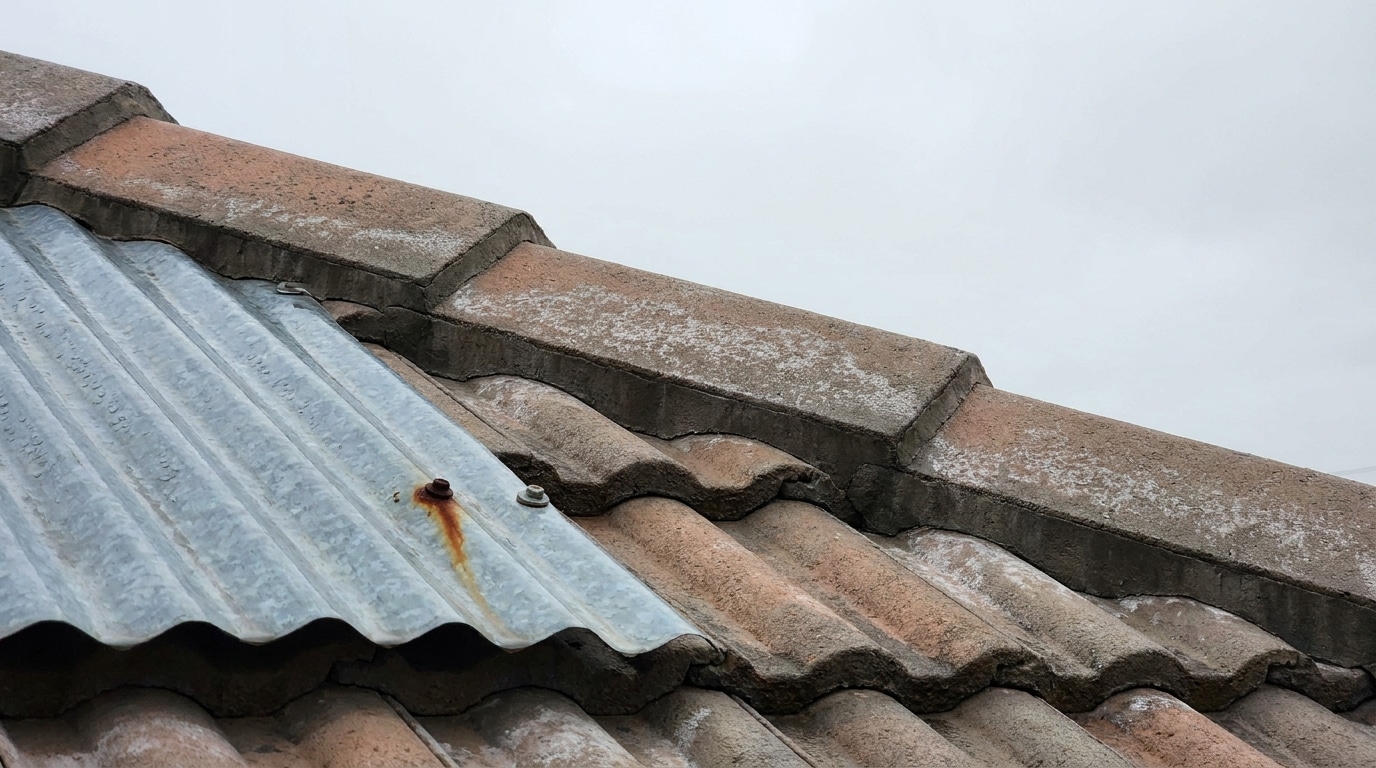
Metal and tiled roofs require different preparation methods and coating systems.
Their surfaces, existing finishes and common defects are not identical.
A product suitable for concrete tiles may not be appropriate for factory-coated steel.
Painting Concrete Roof Tiles
Concrete tiles are commonly recoated where the roof is in suitable condition.
Preparation may involve removing biological growth, loose coatings and other contaminants.
Damaged tiles and roof details should be repaired before painting.
The selected coating system must be compatible with the tile surface and any remaining previous finish.
Painting Metal Roofs
Metal roof painting requires careful attention to the existing surface.
Factory-applied coatings, corrosion and previous repainting can influence preparation.
Exposed metal may need an appropriate primer or treatment.
Severely corroded sheets should be assessed for replacement rather than automatically recoated.
Painting Terracotta Tiles
Terracotta roofing requires particular care.
Some glazed terracotta surfaces are not suitable for conventional coating systems because achieving reliable adhesion can be difficult.
Other specialist treatments may be available for particular products.
The roof material and surface finish should be identified before any painting work is proposed.
Older Fibre-Cement Roofing
Older Australian roofs may contain asbestos-containing materials.
Suspected asbestos roofing must not be drilled, sanded, aggressively cleaned or otherwise disturbed without following the applicable legal and safety requirements.
In NSW, asbestos-related work is subject to specific controls, and licensed professionals may be required.
Homeowners should arrange appropriate assessment before any roof preparation or painting.
How Often Should You Repaint Your Roof in Sydney?
There is no single repainting interval suitable for every Sydney property.
The condition of the existing coating, roofing material and environmental exposure should guide the decision.
A roof that remains sound and visually acceptable may not need repainting simply because a particular number of years has passed.
Use Roof Condition Rather Than Age Alone
A general 10–15-year coating life can be useful for long-term planning, but it should not be treated as an automatic repainting schedule.
Some coatings may deteriorate sooner because of poor preparation or harsh exposure.
Others may remain serviceable for longer.
Visible defects and professional inspection findings provide a better basis for deciding when work is needed.
When a Recoat May Be Appropriate
Recoating may be suitable when the roof material remains sound but the existing coating has weathered.
The previous finish must be assessed for adhesion and compatibility.
Any loose or defective coating should be addressed through the specified preparation process.
When Roof Replacement May Be Better
Painting is not a solution for extensive structural damage or widespread roofing failure.
Severely corroded metal sheets, widespread broken tiles or a roof nearing the end of its service life may need repair or replacement.
A roofing professional should establish whether painting is a sensible investment.
What Is the Difference Between Roof Painting and Roof Restoration?
Roof painting focuses on applying a suitable coating to an appropriately prepared roof.
Roof restoration is a broader term that may include repairs, cleaning, replacement of damaged components and coating work.
However, the exact services included under either description vary between contractors.
What Does Roof Painting Include?
A roof painting project may involve inspection, cleaning, preparation, priming and application of the specified coating system.
Minor repairs may be included or quoted separately.
The scope should identify the roofing material and products being used.
Homeowners should not assume that all structural or waterproofing repairs are included in a painting quote.
What Does Roof Restoration Include?
A roof restoration may involve replacing damaged tiles, addressing ridge capping, cleaning and recoating compatible surfaces.
Metal roof restoration may require different repairs.
Not every restoration includes painting, and not every roof is suitable for restoration.
The roof’s condition should determine the required work.
Why the Scope Matters
Two quotes described as roof painting may include substantially different services.
One contractor may include repairs and priming, while another may quote only cleaning and coating.
Comparing the work specifications is more useful than comparing the final price alone.
How Much Does Roof Repainting Cost in Sydney?
Roof repainting costs vary according to the size, condition and complexity of the roof.
The roofing material, preparation requirements and selected coating system can all influence the final price.
Without an inspection and defined scope, a general price estimate may not reflect the work required.
Factors That Affect Roof Painting Costs
Common cost factors include:
- Roof area and pitch
- Height and access requirements
- Metal or tiled roofing material
- Condition of the existing coating
- Cleaning and preparation work
- Roof repairs
- Primer and coating selection
- Number of coats required
- Fall protection and access equipment
- Site-specific safety requirements
A steep or difficult-to-access roof may require additional labour and safety measures.
What Should a Roof Painting Quote Include?
|
Quote Item |
What to Check |
|
Roof inspection |
Existing defects and substrate suitability |
|
Cleaning |
Method appropriate for the roofing material |
|
Repairs |
Included work and exclusions |
|
Surface preparation |
Treatment of loose paint, chalking and corrosion |
| Primer |
Product and areas requiring application |
| Roof coating |
Manufacturer, product and finish |
| Application |
Specified coats and coverage requirements |
| Access and safety |
Equipment and site controls |
| Warranty |
Coverage, conditions and exclusions |
| Final inspection |
Completion and defect checks |
A clear scope makes it easier to compare contractors and understand what is being purchased.
Avoid Choosing Based on Price Alone
A low quote may exclude preparation or repairs needed for reliable coating performance.
Conversely, a higher price does not guarantee better results.
Ask contractors to explain their proposed methods, product selection and the condition of the existing roof.
The quality and suitability of the work should guide the decision.
How Can Roof Painting Benefit Strata Properties?
Roof painting decisions can be more complex for apartment buildings, townhouses and other strata-managed properties.
Large roof areas, shared ownership responsibilities and access requirements can affect planning.
Maintenance work may also need approval through the appropriate strata management process.
Planning Roof Maintenance Across Multiple Buildings
Strata properties may include several roof sections with different materials, ages and exposure conditions.
A condition assessment can help identify which areas require cleaning, repairs or repainting.
Treating every roof section identically may not be appropriate.
A staged maintenance plan may help coordinate work across the property.
Coordinating With Other Painting Projects
Roof painting may be planned alongside exterior painting, façade maintenance or other building work.
This can help coordinate access equipment and minimise repeated disruption, although the work must still be scoped and priced appropriately.
Strata committees reviewing strata painting Sydney services can assess how roof coating work fits within broader property maintenance.
Approval and Safety Considerations
Before work begins, the responsible parties should confirm the required approvals, contractor responsibilities and site access arrangements.
Roof painting may involve working at heights, overspray management and access restrictions.
A documented scope and suitable safety planning are particularly useful for occupied multi-unit properties.
What Safety Requirements Apply to Roof Painting in Australia?
Roof painting involves working at heights and can expose workers to fragile roofing, electrical hazards and changing weather.
The work should be planned and performed using appropriate safety measures.
Homeowners should not attempt roof painting unless they have the required skills, equipment and safe access arrangements.
Working at Heights
Falls from roofs can cause serious injury or death.
Professional roof painters must manage fall risks using appropriate systems under applicable work health and safety requirements.
The necessary controls depend on the site and work activities.
A ladder alone does not make roof work safe.
Electrical Hazards
Overhead powerlines and electrical equipment can create hazards near roofing work.
Safe approach distances and applicable electrical safety requirements must be followed.
Where electrical hazards are present, suitably qualified professionals should be involved.
Hazardous Roofing Materials
Older roofs may contain asbestos.
Some older coatings and surface treatments may also require special handling.
The roofing materials should be identified before preparation begins.
Dust-producing work must not proceed where hazardous materials have not been appropriately assessed.
Weather and Surface Conditions
Wet, slippery or excessively windy conditions can make roof access unsafe.
Paint application should also follow the manufacturer’s environmental requirements.
The work schedule should allow for safe access and suitable drying and curing conditions.
Common Roof Painting Mistakes That Reduce Paint Lifespan
Premature paint failure is often associated with preparation and application problems.
A roof may look newly painted immediately after the work but develop defects when the coating is exposed to weather.
Understanding common mistakes can help homeowners evaluate contractor proposals.
Painting Over Dirt or Loose Coatings
Contaminated or unstable surfaces can prevent proper adhesion.
Existing loose paint should be treated according to the coating system’s preparation requirements.
Using the Wrong Paint
A product designed for a different surface may not bond or perform correctly.
The selected coating must be suitable for the roof material and existing finish.
Skipping Required Priming
Some roof surfaces require a specific primer.
Applying a topcoat directly to an unsuitable substrate can result in adhesion problems.
However, primer requirements vary between products.
Applying Paint in Unsuitable Weather
Rain, moisture and temperatures outside the recommended range can affect curing.
Painting should only proceed under conditions permitted by the product manufacturer.
Ignoring Existing Roof Damage
Paint cannot repair structural defects, broken tiles or severely corroded metal.
These issues should be addressed before coating.
Assuming More Paint Means Better Protection
Excessive coating thickness can cause application problems.
The specified application rate and number of coats should be followed.
How to Choose a Roof Painting Contractor in Sydney
Choosing a suitable contractor involves reviewing the proposed work, product specifications and safety arrangements.
The contractor should be able to explain whether the roof is suitable for painting and what preparation is necessary.
A professional assessment should identify existing defects rather than simply recommending a new colour.
Ask About Roof Inspection and Preparation
Before accepting a quote, ask how the contractor will inspect the roof.
Find out how damaged materials, loose coatings and surface contamination will be managed.
The preparation process should match the roofing material.
Confirm the Paint System
Ask which primer and topcoat products will be used.
The contractor should identify the manufacturer’s recommended application method and coating requirements.
Also ask whether the product is suitable for coastal or other demanding exposure conditions where relevant.
Review Safety and Insurance
Confirm that the contractor has the appropriate licensing where required, insurance and safety arrangements for the work.
Roof access, fall protection and any hazardous material concerns should be addressed before the project begins.
Understand Warranty Conditions
A warranty should clearly explain what is covered and what is excluded.
Ask whether it covers workmanship, specified coating defects or both.
Also check whether maintenance or inspection obligations apply.
Roof Painting Maintenance Checklist
A simple maintenance plan can help homeowners monitor the roof’s condition.
However, inspections should be conducted safely, preferably from the ground where possible or by a qualified professional.
Never walk onto a roof simply to complete a routine visual check.
Routine Checks
- Look for obvious fading or discolouration.
- Check for visible peeling or flaking.
- Monitor signs of rust on metal roofing.
- Observe recurring biological growth.
- Keep gutters and drainage outlets clear.
- Look for damaged tiles or roofing components.
- Arrange professional inspection of suspected leaks.
When Problems Appear
- Record where the damage is visible.
- Avoid disturbing loose coatings unnecessarily.
- Check relevant warranty documentation.
- Arrange a professional assessment.
- Confirm whether cleaning, repair or recoating is appropriate.
- Use compatible products for any approved repairs.
Monitoring these conditions can help identify maintenance needs without repainting unnecessarily.
Is Roof Painting Worth It for an Older Roof?
Roof painting may be worthwhile when the existing roofing material remains sound and a compatible coating system can improve its appearance or maintain its surface finish.
However, painting is less attractive when extensive repairs or replacement are already necessary.
The decision should be based on roof condition rather than age alone.
When Repainting Makes Sense
Repainting may be suitable when the substrate is in good condition and the existing finish has deteriorated.
A professional inspection should confirm that the roof can be prepared and coated reliably.
When Repairs Should Come First
Cracked tiles, leaks, damaged flashings and corrosion should be investigated before painting.
Correcting these defects may be necessary for the roof to remain weather-resistant.
When Replacement Is the Better Investment
If the roof has widespread material deterioration, coating it may only improve appearance temporarily.
Replacing damaged roofing components or undertaking a larger roofing project may provide better long-term value.
An independent roofing assessment can help establish the appropriate scope.
How Long Should You Expect Your Roof Paint to Last?
For planning purposes, a professionally applied and suitable roof coating may last approximately 10–15 years under favourable conditions, but individual results vary.
Some roofs will need attention sooner because of harsh exposure, poor preparation or existing defects.
Others may continue performing beyond that period.
The most reliable approach is to review the product’s specifications, maintain the roof and arrange inspections when signs of deterioration appear.
Key Factors to Review
|
Factor |
Why It Matters |
|
Roofing material |
Determines suitable coatings and preparation methods |
|
Existing roof condition |
Defects can affect coating performance |
|
Surface preparation |
Supports proper adhesion |
| Paint quality |
Influences weather resistance and durability |
| Application method |
Affects film formation and consistency |
| UV exposure |
Can contribute to fading and chalking |
| Moisture exposure |
May affect adhesion and substrate condition |
| Coastal conditions |
Can increase corrosion and contamination risks |
| Maintenance |
Helps identify defects before they spread |
No single factor determines the outcome.
A durable roof coating depends on the combination of sound materials, correct installation and appropriate maintenance.
Protect Your Roof With the Right Painting Approach
Roof paint can provide years of service when the coating system is compatible with the roof, the surface is properly prepared and the application follows the manufacturer’s requirements.
Australian conditions can be demanding, particularly where roofs experience strong UV exposure, coastal air and regular rainfall.
For Sydney homeowners, the best way to judge whether repainting is needed is to examine the roof’s actual condition rather than rely on a fixed timetable.
Fading, chalking, peeling and corrosion may indicate that inspection or maintenance is required.
If your roof coating is showing signs of wear, contact 7CPM Painting to discuss a roof inspection and suitable painting options for your property. A condition-based assessment can help establish whether cleaning, repairs or repainting is the appropriate next step.