

Family members helping an aging parent in Ontario often run into the same friction. The parent wants independence, the device looks clinical, and the standoff costs both safety and dignity.
The conversation usually shifts once the household finds a device that fades into the wardrobe instead of announcing itself.
Lifestyle-conscious caregivers exploring options often start with services that prioritize design alongside function. Life Assure’s Ontario medical alert systems line covers in-home base units, mobile GPS pendants, fall-detection devices, and waterproof options built for Ontario households. The hardware is designed to read as personal accessory rather than medical equipment. The Ontario-side service handles 24/7 monitoring through a Canadian response centre.
What Does Discreet Medical Alert Design Look Like in 2026?
The current generation of medical alert hardware has moved a long way from the bulky beige plastic of the 2000s. Designers now treat the device as a wearable category that has to coexist with watches, bracelets, and everyday jewelry.
Two design shifts define the discreet category. Form factor has shrunk; many GPS pendants now measure under 5 centimetres across. Color and material choices have widened too, with brushed metal, soft-touch silicone, and matte finishes replacing the old high-gloss white plastic.
The functional payoff is honest. A device the senior actually wants to wear gets worn. A device that looks clinical lives in a drawer. The gap between owned and worn is the single biggest factor in whether the household gets value from the purchase.
Coverage of types of clothing styles and how to pick yours reminds readers that personal style is a real adoption factor. The same logic applies to safety wearables.
How Should Ontario Households Pick the Right Form Factor?
Six criteria belong on every Ontario household’s shortlist. The table below summarizes the priorities.
|
Criterion |
Why It Matters |
What to Confirm |
|---|---|---|
|
Form factor fit |
Daily comfort |
Pendant, wristband, or hip-clip option |
|
Battery life |
Reliability |
5 days for mobile, longer for at-home |
|
Fall detection |
Senior safety |
Auto-alert on fall, not button-only |
|
GPS coverage |
Out-of-home protection |
Tower-based plus Wi-Fi triangulation |
|
Cellular network |
Ontario rural reach |
Coverage on a major Canadian carrier |
|
Monitoring centre |
Real-person response |
24/7 Canadian dispatch with bilingual support |
A service that gives clear answers across these six points signals a partner worth picking. A service that deflects on any signals a setup likely to produce friction later. The Ontario government’s seniors information hub sets out the framework Ontario households should reference for the wider senior-services picture.
Which Lifestyle Patterns Push the Device Choice Hardest?
Three Ontario household patterns leave the least margin for picking a device badly. The pattern shows up across urban and rural communities.
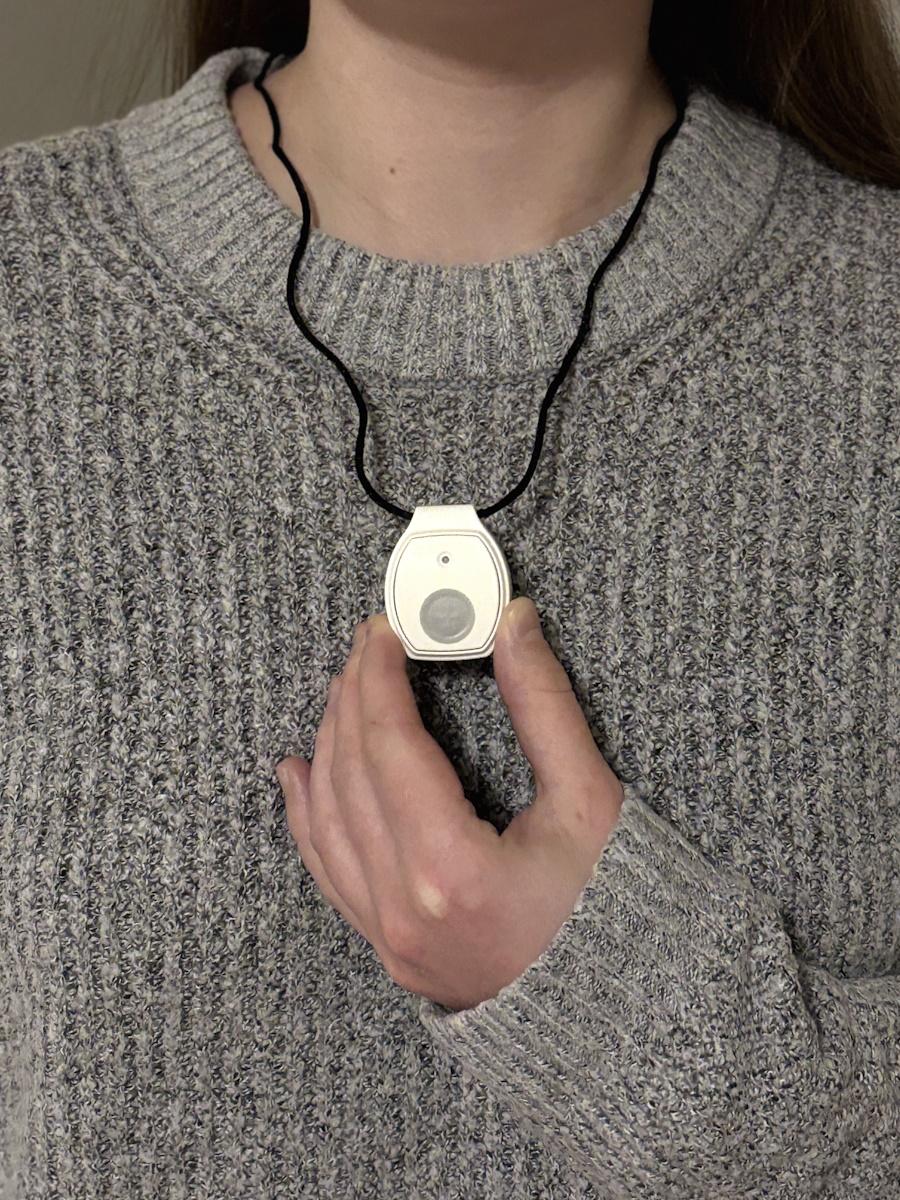
Image courtesy of lifeassure.com
Active retirees who travel between Ontario and a winter destination need a device with cellular coverage that crosses borders. A device that works in Toronto but loses signal in Florida creates exactly the wrong gap. Households should confirm the carrier roaming arrangement before booking the trip.
Sandwich-generation caregivers running an Ontario household with an aging parent in another city need remote monitoring. The caregiver app should show the parent’s location and recent activity without becoming a surveillance tool. A balance between caregiver visibility and parent autonomy keeps the relationship intact.
Style-aware seniors who refuse to wear obvious medical gear need a device that genuinely passes as everyday accessory. The product line should include at least one form factor the senior is willing to wear in front of friends. The World Health Organization’s falls fact sheet shows how often a fall goes unreported because the device was off the body.
What Errors Surface When Style Trumps Function?
Several errors recur when families optimize too aggressively for appearance:
- Picking a device without fall detection: A button-only pendant is useless if the senior is unconscious after the fall
- Choosing the smallest battery option: A 24-hour battery requires daily charging the senior often forgets
- Ignoring water resistance: The bathroom is the most common fall location and a non-waterproof device gets removed there
- Skipping the monitoring-centre test call: A device with cellular hardware that connects to a slow-response centre still fails
- Treating the device as a fashion item only: The function-first criteria matter when the moment actually arrives
Coverage of what to wear in 60 to 65 degree weather reminds readers that practical and stylish are not mutually exclusive. The same balance applies to senior safety wearables.
Pre-Purchase Checklist
- Confirm fall detection is automatic, not button-triggered
- Test the device on cellular coverage in the senior’s actual daily routes
- Verify the monitoring centre is Canadian and operates 24 hours
- Choose a form factor the senior will actually wear in public
- Check the water-resistance rating for shower and bathroom use
- Ask about plan cancellation terms before committing to long contracts
When Style and Safety Land Together
The household that picks a device on appearance alone usually finds it in a drawer within a month. The household that runs the six-criteria shortlist once usually keeps the same device on the senior’s wrist or neck for years. The right design choice multiplies the adoption rate without diluting the safety value.
A discreet medical alert system pays back through quiet, consistent wear. Ontario households that get the form factor right protect the parent’s dignity and the family’s peace of mind in the same purchase.
Frequently Asked Questions
How Much Does an Ontario Medical Alert System Typically Cost?
Most Ontario medical alert systems run 30 to 60 Canadian dollars per month for the monitoring service plus a one-time hardware fee of 0 to 200 dollars. Mobile GPS devices usually sit at the higher end of the range. Many providers offer fall detection as a 10 to 15 dollar monthly add-on.
Is a Medical Alert Device Tax-Deductible in Ontario?
The Canada Revenue Agency allows some medical alert expenses under the medical expense tax credit when the device is prescribed for a specific condition. Households should confirm eligibility with a CPA familiar with Ontario tax filings. The receipt and prescription must match for the deduction to hold.
Does Fall Detection Always Work Reliably?
Modern fall detection catches roughly 95 percent of hard falls, but slow-motion descents sometimes miss the threshold. Sitting down too fast or rolling off a low bed are common edge cases. The technology is a useful safety layer, not a substitute for the manual help button.
Can the Same Device Cover Both Home and Travel?
Yes for most modern systems. A mobile GPS device works at home, on the street, and across provincial lines. Some plans include international roaming for snowbird travel; others require a separate travel plan. The household should confirm the roaming setup before any planned trip.