


Your skin does not need more products. It needs the right ones. Most people buy skin care based on trends, flashy packaging, or price, then wonder why nothing actually works.
The real answer lies in choosing dermatologist-recommended skin care, not simply buying more items to add to a shelf.
Dermatologist recommended skin care removes that guesswork completely. It relies on ingredients tested for safety, backed by real research, and suited to actual skin needs rather than passing trends or social media hype.
These products focus on genuine results, not marketing claims or bold promises. They support skin health, lower irritation risks, and work well for concerns like acne, dryness, redness, and visible signs of aging.
What follows breaks down what the term truly means, top trusted brands, and simple routines anyone can follow for healthier, calmer skin.
What Does Dermatologist-Recommended Skin Care Mean?
Dermatologist-recommended skin care means products suggested by skin doctors after checking their ingredients, safety, and results. This label helps buyers trust a product before adding it to their routine.
Dermatologist-tested means a doctor checked the product for reactions, while clinically tested means it passed lab trials. Dermatologist-recommended shows genuine support from specialists and is backed by quality ingredients.
Choosing dermatologist-recommended skin care lowers the risk of irritation and wasted money on unsuitable products. Sensitive skin benefits most, since these formulas often avoid harsh chemicals that cause redness.
Skin type affects results, since ingredients suited for oily skin might irritate dry skin instead. Picking dermatologist-recommended skincare matched to skin type improves comfort and long-term outcomes.
| The Dermatologist-Recommended Skin Care Sequence: Cleanse → Treat → Moisturize → Protect |
Dermatologist-Recommended Products: Morning Routine (AM)
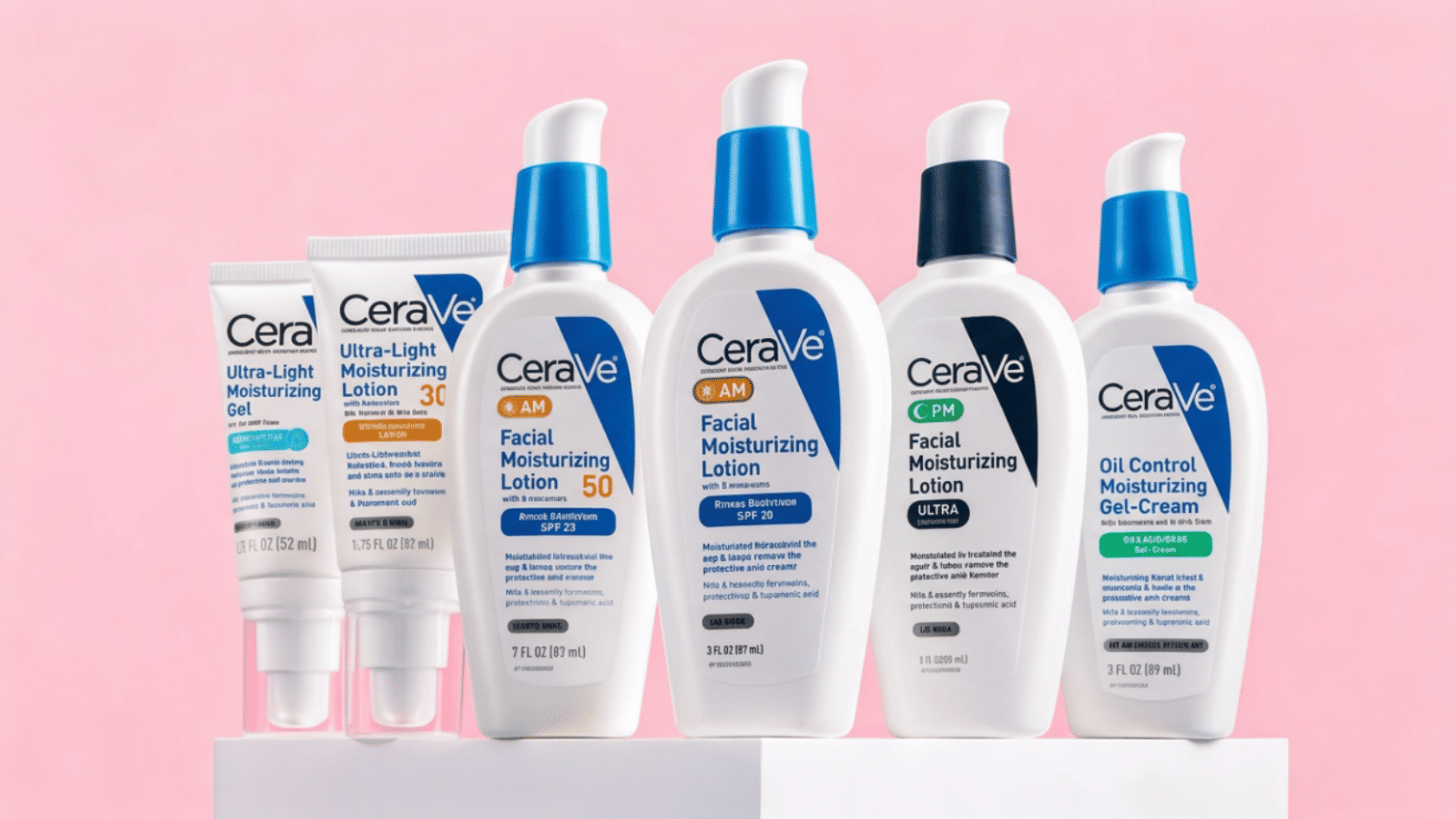
A morning routine protects skin from the day ahead rather than treating it aggressively. The goal is simple: clean the skin, optionally add a light antioxidant, hydrate, and finish every single time with broad-spectrum sunscreen.
1. Cleanser
CeraVe Hydrating Facial Cleanser or La Roche-Posay Toleriane Hydrating Gentle Cleanser both remove overnight oil buildup without disrupting the skin barrier. Their cream-based, soap-free formulas rinse clean while leaving skin comfortable rather than tight, making them a light first step before the rest of the routine.
- Price: Around $12 to $22 depending on brand and size
- Key ingredients: Ceramides and hyaluronic acid (CeraVe); niacinamide and ceramide-3 (La Roche-Posay)
- Best for: Normal, dry, and sensitive skin; rinse with water alone if skin is very dry
2. Antioxidant (Optional)
A Vitamin C serum such as SkinCeuticals C E Ferulic applied to dry skin after cleansing helps neutralize free-radical damage from UV light and pollution throughout the day. Consistent morning use is linked to brighter, more even-toned skin over several weeks of daily application.
- Price: Ranges widely, from $15 drugstore options to $185 clinical serums
- Key ingredients: L-ascorbic acid, vitamin E, ferulic acid
- Best for: Dull, uneven, or early aging skin; layer under moisturizer and sunscreen
3. Moisturizer
CeraVe Moisturizing Cream is a light-to-medium cream that adds ceramides and hyaluronic acid without feeling heavy under makeup or sunscreen. It works well as a daily hydrator for most skin types, including those managing occasional dryness or barrier sensitivity.
- Price: Around $19 to $22 for 16 to 19 oz
- Key ingredients: Ceramides, hyaluronic acid, niacinamide
- Best for: Normal to dry skin; oilier skin types may prefer a gel-based alternative
4. Sunscreen
La Roche-Posay Anthelios or CeraVe AM Facial Moisturizing Lotion provides broad-spectrum protection with Cell-Ox Shield or ceramide-based technology. This is the non-negotiable final step of any morning routine, since skipping it undoes the benefit of every product applied before it.
- Price: Around $20 to $40 depending on the formula
- Key ingredients: Broad-spectrum UVA/UVB filters, antioxidants, ceramides
- Best for: All skin types; choose a matte or tinted formula for oily or acne-prone skin
Dermatologist-Recommended Products: Evening Routine (PM)
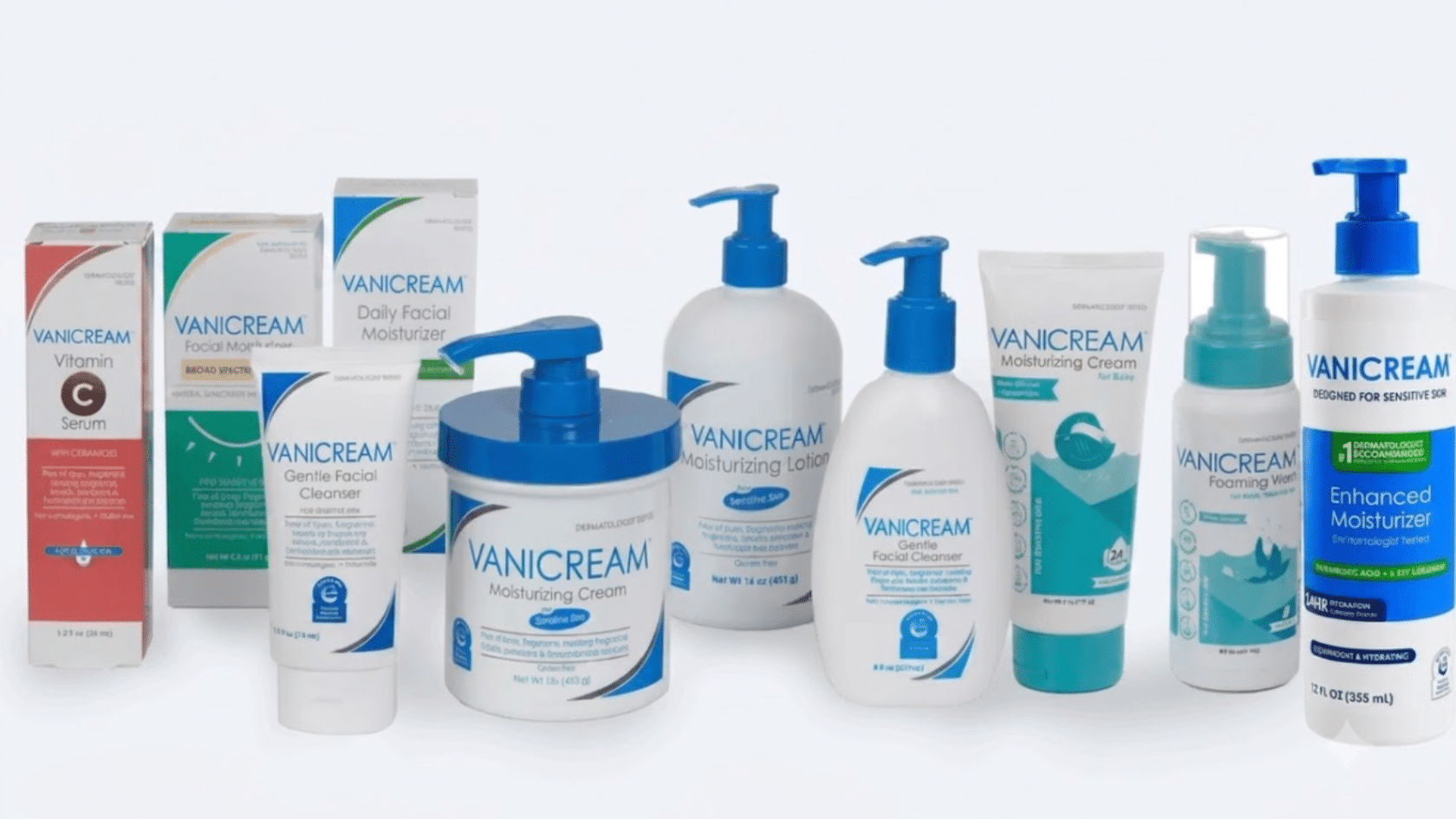
An evening routine is where most of the active repair work happens, since skin regenerates overnight without UV exposure to fight against.
The focus shifts from protection to treatment: a deeper cleanse, a targeted active ingredient, and a richer moisturizer to lock everything in.
1. Cleanser
Vanicream Gentle Facial Cleanser washes away makeup, sunscreen, and pollution using just two mild cleansing agents with no fragrance, dyes, or botanical extracts. It is soap-free and carries the National Eczema Association Seal of Acceptance, making it a safe first step even on reactive skin.
- Price: Around $10 to $14
- Key ingredients: Coco-glucoside, sodium cocoyl glycinate, glycerin
- Best for: Sensitive skin, eczema, and rosacea-prone skin
2. Active Treatment
Prescription tretinoin, over-the-counter Differin Gel (adapalene 0.1%), or SkinMedica Retinol Complex can boost cell turnover and gradually smooth fine lines and clogged pores. These should be introduced slowly, around two to three nights a week at first, since retinoids commonly cause dryness and peeling before skin adjusts.
- Price: Differin Gel around $14 to $24; SkinMedica Retinol Complex around $50 to $85
- Key ingredients: Adapalene (Differin) or retinol (SkinMedica)
- Best for: Acne-prone skin (Differin) and early fine lines or dullness (retinol); avoid combining both on the same night
3. Moisturizer
La Roche-Posay Toleriane Double Repair Face Cream or Vanicream Daily Facial Moisturizer finish the routine by replenishing moisture lost to cleansing and active treatments. Both are formulated to support the skin barrier overnight without clogging pores or feeling greasy by morning.
- Price: Around $20 to $23
- Key ingredients: Ceramide-3 and niacinamide (La Roche-Posay); hyaluronic acid and ceramides (Vanicream)
- Best for: All skin types, especially skin using a nightly retinoid that needs extra barrier support
Tip: Retinol and vitamin C competing for space on the same night is one of the most common early mistakes. Keeping vitamin C in the morning and a retinoid at night avoids the conflict entirely and cuts down on unnecessary irritation.
Medical-Grade / Clinical Brands (Often Dispensed by Dermatologists)
Beyond drugstore staples, dermatologists often step patients up to physician-dispensed lines for stronger actives and targeted correction.
These brands are typically sold through clinics, med spas, or their own official sites rather than general retail shelves, and their claims usually come with published clinical data:
1. SkinCeuticals C E Ferulic
C E Ferulic is a daytime antioxidant serum combining 15% pure vitamin C, 1% vitamin E, and 0.5% ferulic acid. It is widely cited in dermatology research for neutralizing free radicals and visibly improving fine lines, firmness, and overall skin brightness.
- Price: Around $166 to $185 for 1 fl oz
- Key ingredients: L-ascorbic acid (vitamin C), alpha-tocopherol (vitamin E), ferulic acid
- Best for: Sun-damaged, dull, or aging skin; apply under sunscreen each morning
2. Obagi Nu-Derm and CLENZIderm Systems
Obagi’s Nu-Derm system is a multi-step, physician-dispensed regimen designed to correct hyperpigmentation, uneven tone, and photoaging, while the related CLENZIderm M.D. line targets acne with higher-strength actives than most over-the-counter options.
- Price: Full systems typically run $250 to $400
- Key ingredients: Hydroquinone, tretinoin, glycolic acid, benzoyl peroxide (varies by system)
- Best for: Hyperpigmentation, photoaging, and persistent or cystic acne, under dermatologist supervision
3. ZO Skin Health
Founded by Dr. Zein Obagi, ZO Skin Health builds protocol-based regimens around retinoids and controlled exfoliation. The brand is dispensed almost exclusively through physicians and is built for patients who need a structured, step-by-step approach to stubborn skin concerns.
- Price: Individual products typically range from $50 to $200
- Key ingredients: Retinol, glycolic and salicylic acids, vitamin C derivatives
- Best for: Acne, texture irregularities, and early to moderate photoaging
4. SkinMedica
SkinMedica is best known for its TNS line, which uses growth-factor technology to support the skin’s natural repair processes. It is a common pick for patients recovering from in-office procedures as well as those targeting fine lines and loss of firmness.
- Price: Serums typically range from $150 to $295
- Key ingredients: Growth factors, peptides, retinol (in the Retinol Complex line)
- Best for: Fine lines, sagging skin, and post-procedure skin recovery
5. Skinbetter Science
Skinbetter Science is a newer physician-office-only line best known for its AlphaRet retinoids, which pair retinol with alpha hydroxy acids to soften irritation without sacrificing results. It is often recommended to patients who cannot tolerate stronger prescription retinoids.
- Price: AlphaRet products typically range from $100 to $160
- Key ingredients: Retinoids, alpha hydroxy acids, peptides
- Best for: Fine lines and uneven texture in retinoid-sensitive skin
6. Alastin
Alastin uses patent-pending TriHex Technology, a peptide blend designed to prepare skin for in-office procedures and support recovery afterward. Outside of procedures, it is also used daily to combat sagging and support long-term skin health.
- Price: Typically $70 to $170 depending on the product
- Key ingredients: TriHex peptide technology, antioxidants
- Best for: Pre- and post-procedure skin, and early signs of skin laxity
Worth Knowing: “Medical-grade” is not an FDA-regulated term. What sets these brands apart is limited distribution through dermatologists or med spas, combined with published clinical data behind their formulas.
Best Dermatologist-Recommended Skin Care Products by Concern
Every skin concern needs a different approach, since ingredients that help one issue might not suit another. This section breaks down the best options by specific skin concern.
| Disclaimer: This information is educational and not a substitute for a diagnosis or treatment plan from a licensed dermatologist. Always have persistent acne, unexplained redness, or skin changes checked in person. |
1. Best dermatologist-recommended skincare for acne
Acne-prone skin often responds well to salicylic acid, benzoyl peroxide, and adapalene, ingredients known to clear pores and reduce breakouts. For persistent or cystic acne, dermatologists sometimes step patients up to Obagi’s CLENZIderm system, which combines higher-strength actives than most over-the-counter lines.
- Differin Gel: OTC adapalene 0.1% retinoid, around $14 to $24
- La Roche-Posay Effaclar line: salicylic acid and benzoyl peroxide options for oil control, around $17 to $22
2. Best dermatologist-recommended skincare for sensitive skin
Sensitive skin needs fragrance-free formulas with barrier-supporting ingredients like ceramides, which help calm irritation and reduce redness. A gentle cleanser matters just as much as the moisturizer, since a harsh formula can undo the benefit of everything applied afterward.
- Vanicream Gentle Facial Cleanser: mild, non-irritating daily cleanser, around $10 to $14
- CeraVe Moisturizing Cream: barrier support and hydration, around $19 to $22
3. Best dermatologist-recommended skincare for aging skin
Aging skin benefits from retinoids, peptides, and antioxidants, which target fine lines, texture, and dullness over time. For a stronger clinic-grade option, SkinCeuticals and Skinbetter Science are commonly recommended for more aggressive anti-aging protocols, usually alongside in-office treatments.
- SkinMedica Retinol Complex: smoother texture and reduced fine lines, around $50 to $85
- RoC Retinol Correxion Deep Wrinkle Serum: OTC patented retinol for set-in wrinkles, around $25 to $30
- SkinCeuticals C E Ferulic: brightening and antioxidant protection, around $166 to $185
From My Own Routine: Retinol and vitamin C fighting for space on the same night was my biggest early mistake. Now I use vitamin C in the morning and retinoid at night; same skin, zero conflict, way less irritation.
4. Best dermatologist-recommended skincare for dry skin
Dry skin needs hydrating ingredients like hyaluronic acid, ceramides, and glycerin, which draw moisture in and support the skin barrier. These ingredients work together to reduce flaking and tightness rather than temporarily masking it.
- CeraVe Moisturizing Cream: lasting hydration, around $19 to $22
- La Roche-Posay Toleriane line: gentle, daily moisture for reactive dry skin
Dermatologist-Recommended Skincare by Age Group
Skin needs shift with age, since concerns like acne, early fine lines, and deeper wrinkles each call for different active ingredients. Matching a routine to an age group makes results more noticeable and helps prevent future damage before it starts.
| Age Group | Main Concerns | Key Ingredients | Recommended Products |
| Teens (13 to 19) | Acne, oil control | Salicylic acid, benzoyl peroxide, lightweight hydration | Differin Gel, CeraVe Hydrating Cleanser |
| 20s | Prevention, first fine lines | Antioxidants, daily SPF, gentle exfoliation | La Roche-Posay Anthelios |
| 30s | Early aging, dullness, dryness | Retinol, hyaluronic acid, peptides | CeraVe Moisturizing Cream, RoC Retinol |
| 40s | Fine lines, uneven tone, firmness | Stronger retinoids, niacinamide, ceramides | Vichy anti-aging range |
| 50s+ | Deep wrinkles, sagging, sensitivity | Peptides, richer moisturizers, prescription retinoids | La Roche-Posay Toleriane Double Repair for sensitivity |
A proper routine matters as much as the products themselves, since consistency helps ingredients work the way they should, but the right ingredients for an age group make that consistency actually pay off.
Worth Knowing: Dermatologists recommend patch-testing any new active, such as a retinoid, acid, or vitamin C, on the inner forearm for 2 to 3 days before applying it to the face. It catches a bad reaction before it happens on visible skin.
Common Mistakes to Avoid
Even good products fail to deliver results when used the wrong way. Avoiding these common mistakes helps skin care work as intended.
- Using too many active ingredients: Combining several strong actives at once often leads to irritation instead of faster results
- Changing products too often: Skin needs time to adjust, so switching too soon prevents seeing real improvement
- Skipping sunscreen: This undoes progress from other products, since sun damage speeds up aging and dark spots
- Over-exfoliating: Exfoliating too often weakens the skin barrier, leading to redness, sensitivity, and breakouts
- Ignoring skin type: Using products not suited to your skin type often causes more harm than good
Wrapping Up
Small habits make a big difference in how well a routine performs over time. Sticking to a consistent approach, avoiding overuse, and matching products to actual skin needs leads to better, longer-lasting results.
consistent, and never skip sunscreen. Small, steady choices matter more than expensive routines or constant product switching.
Dermatologist recommended skin care works because it removes guesswork and focuses on what actually helps your skin, not what looks good in an ad. From gentle cleansers to targeted treatments, every step plays a part in how your skin looks and feels over time.
Start simple. Pick two or three products suited to your skin type, stick with them for a few weeks, and add sunscreen every single day.
Got questions about your skin type or routine? Drop them in the comments below; happy to help.
Frequently Asked Questions
How Often Should You Switch Your Skin Care Products?
Skin care products shouldn’t be changed too often, since skin typically needs four to six weeks to show real, noticeable results before you can judge whether something truly works.
Can Dermatologist-Recommended Skin Care Be Used with Prescription Treatments?
Yes, most dermatologist-recommended skin care works well alongside prescription treatments like retinoids or acne medication, though checking with a doctor first helps avoid combining strong actives incorrectly.
Do Dermatologists Recommend Natural Or Chemical Skin Care Ingredients?
Dermatologists focus on proven results rather than natural or chemical labels alone, since what truly matters is whether an ingredient is tested, safe, and suited to your skin type.