

The Unsung Hero of Everyday Health
Typically, veins are an out-of-sight, out-of-mind topic until something bad happens. Although most are deliberate about the health of their heart, muscles, joints, and the role diet and exercise play in their wellness, we often forget about the circulatory system. Our veins’ health impacts how we feel and how easily we are able to move.
Blood without oxygen needs to return to the heart to receive more oxygen. It needs to be sent back to the body to be recirculated. Veins perform this system automatically and, while it may seem routine, this system plays a large part in how energetic and healthy we are overall. If veins begin to malfunction, the consequences go beyond how it looks.
Common symptoms of vein disease are the swelling and heaviness of legs, leg fatigue, and more. Many people incorrectly think these symptoms only appear due to the natural decline of an aging body or from an especially busy schedule. These symptoms may indicate an issue in the circulatory system.
The health of veins impacts the health of the system as a whole. It is important to be educated on the role veins play so people are motivated to make healthier choices, to intervene when necessary, and to maintain a healthy lifestyle.
Understanding the Circulatory System
The system that is tasked with moving blood around the body is made up of veins, arteries, and capillaries, which all have specific functions. Though arteries may get more attention and be more well known, veins also play a pivotal role in moving blood back to the heart.
Leg veins have a lot going on! Along with gravity, leg veins must also transport blood using the leg veins’ one-way valves, along with the contractions of the muscles. Blood is easily pushed through the leg veins with each step you take, thanks to the muscles.
The efficiency of circulation is maintained as long as the valves are operating properly. When the valves become weak or damaged, blood circulation is not as efficient, and blood will start to pool in the veins. The pressure in the veins will increase, swell, and eventually lead to chronic venous disease, which can cause painful symptoms.
Having a healthy vein system is important for not only the way you look, but also for the health of your circulatory system.
Why Healthier Veins Matter
One of the main reasons health veins are not prioritized when compared with the health of the rest of the body is because the symptoms do not appear all at once. Many people often only notice leg fatigue, swelling along the ankles, and the appearance of veins.
The more symptoms appear, the more people start to adapt. Many people will instead blame the fatigue and discomfort on work, age, and exercising rather than thinking of their vascular health.
It is a misconception that vein disease is an aesthetic disease. While varicose veins can affect your appearance, they also have a medical condition that impairs circulation.
Making the distinction between vascular and cosmetic concerns is crucial to long-term well-being.
The Link Between Energy and Vein Health
People don’t usually associate poor vein health with low energy and fatigue. It actually plays a role. When circulation isn’t working properly, the body has to put in more effort to get the blood through the vascular system.
Blood often tends to pool in the legs. Some symptoms of this include heaviness and achiness. This can make you feel like you have “tired legs.” This can promote a sedentary lifestyle, where you have little desire to move fully.
It is a negative feedback loop. The more inactive you are, the worse the circulation gets. Having good health in your veins helps blood flow throughout the body, allowing you to move and feel better.
You can transfer, and will want to transfer, energy better the more healthy your veins are.
How Bad Veins Ruin Your Life
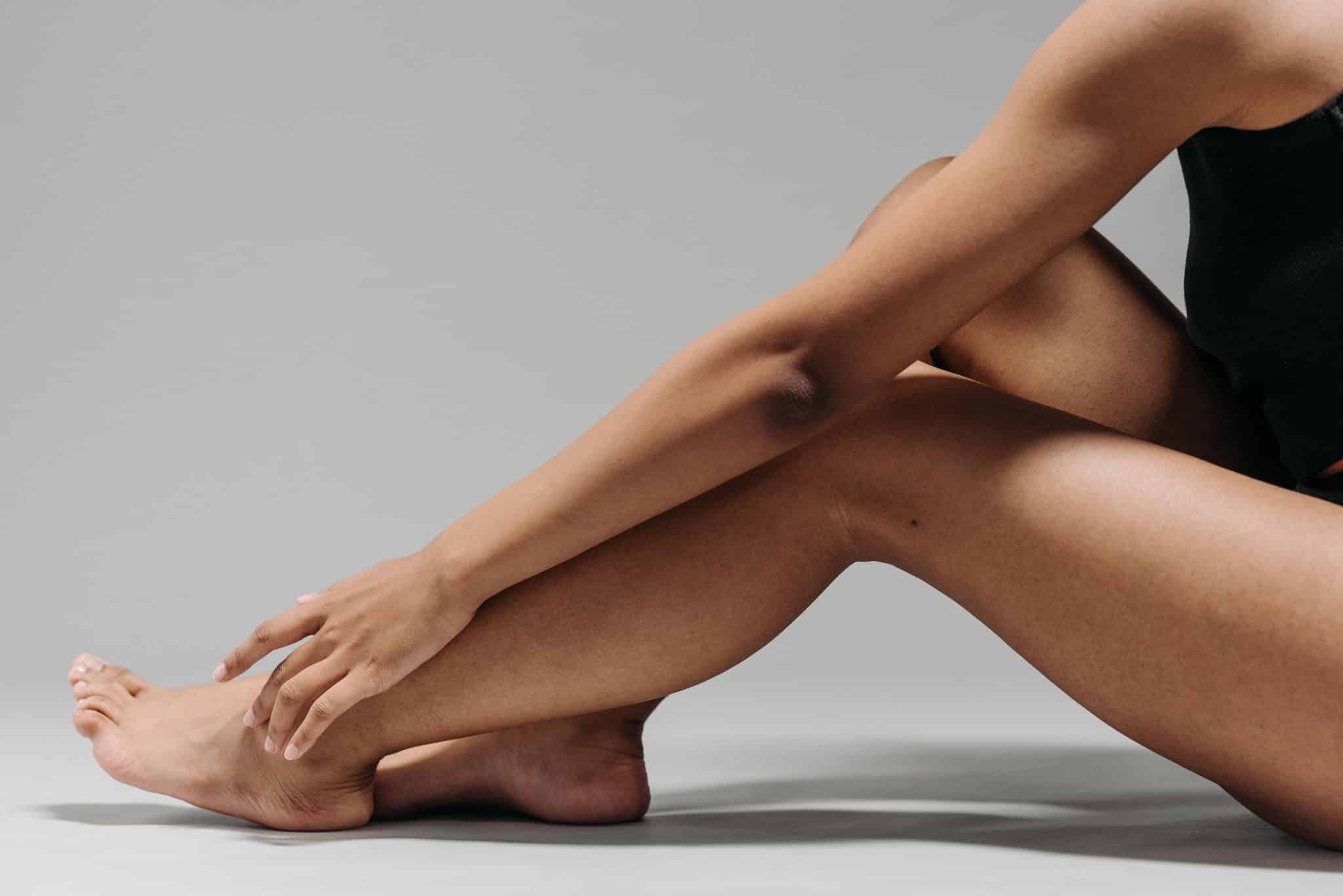
Poor veins don’t only have bad effects on your body. They can make daily tasks feel impossible. If you have chronic pain in your legs, the things you used to do feel borderline barbaric. You can’t stand still or walk for long periods of time.
It even hurts to relax and fall asleep. There is a good chance you have a poor quality of sleep because of your restless legs. Sleep problems only get worse your overall quality of life.
Twelve to twenty-four months is the max time you have to get treatment before skin problems, swelling and even ulcers appear. They are a huge and terrible reminder to take care of your faulty veins now.
Healthy veins are essential for maintaining good health and being self-sufficient.
Vein Health Risk Factors
There are many causes of vein disease. One of the most important is family history. If you have a family history of varicose veins, you are likely to have them too. It’s the same as age. As a person gets older, veins lose elasticity, and vein disease becomes more common and more serious.
Hormones cause pressure in the veins too, especially during pregnancy. If you have a job that has you sitting or standing for long periods, you are more prone to problems with your circulation. Same with being overweight and especially a sedentary lifestyle.
Even though you can’t change many risk factors, knowing them helps you protect you and your family’s vascular health.
Regular Exercise
Regular exercise is a useful way to keep your vascular system healthy. Vascular health is especially important in the aging population to maintain overall health and well-being. The more you exercise, the healthier your veins, and the more pressure is relieved from your cardiovascular system.
Always consider the health of your joints as well, when you choose what exercises to do. Even just a brisk walk helps give your veins and cardiovascular system a health break, especially for those who are sedentary most of the day.
Keeping an active lifestyle is especially important for a healthy vascular system.
Nutrition and Hydration for Better Circulation
A balanced diet of whole grains, lean proteins, fruits, and veggies is needed for supportive healthy veins and overall cardiovascular wellness. Including antioxidants protects blood vessels and helps to reduce stress. Increased fiber aids in healthy digestion and decreases the strain caused by constipation.
Hydration helps blood volume and circulation. Dehydration causes blood to become thick and sluggish, creating further strain on the veins.
Nutrition cannot completely treat vein disease, but it can help with other lifestyle changes that aid in better circulation.
Recognizing the Warning Signs of Vein Disease
Being aware of the symptoms is the best way to treat vein health. Symptoms can include visible varicose veins and a heavy feeling in the leg. Often, the leg can become swollen, ache, and burn. The discomfort can worsen by standing for long periods of time.
Some feel the symptoms mainly at the end of the day, but for others there is prolonged discomfort that can interfere with daily tasks. Because there is such a variance of symptoms, the appearance and comfort of the leg should not be ignored with persistent changes.
It is best to seek help early for more treatment options and a better prognosis.
Modern Advances in Vein Care
Over the past twenty years, there have been a considerable amount of advances in vascular medicine. There have been many modernizations in diagnostic tools to help doctors assess circulation and the underlying causes for the symptoms with a lot of detail.
Vein treatments available to patients today are not as disruptive as in the past. Many of those treatments involve keeping problematic veins from interfering with getting good blood flow. Many vein treatments available to patients require little time away from patients’ daily routines.
If you are unsure of the potential causes of problematic veins, you should contact a varicose vein doctor in New Braunfels. Varicose veins are not usually considered a serious health concern; however, they often worsen.
Many treatments are available to stop varicose veins from getting worse, and beginning treatment earlier can lower the impact of varicose veins on your day-to-day life.
Healthy Veins, Healthy You
Unhealthy veins are caused at a cumulative result of an unhealthy lifestyle. Keeping a healthy weight, keeping active, and paying attention to health symptoms are all ways to keep healthy veins. Healthy veins are the result of healthy lifestyle choices.
Regular health appointments can keep early warning signs of the potential veins problems from getting worse. Early treatment of circulation problems helps improve your overall health.
Considering the health of your veins is an important part of your health instead of focusing on a single health concern helps you stay more active and healthy.
Strong Veins, Strong Circulation
Healthy legs make healthy active lives. Supporting your loved ones to keep healthy legs and healthy circulation makes your daily active lives so much more rewarding.
Unfortunately, vein health is neglected too often until it’s too late. Many systems, including vein systems, will usually show early signs of trouble, long before the serious symptoms develop. Knowing what role veins play and how they impact the body can help everyone develop a lifestyle that keeps veins healthy. Knowing how veins feel can help them know when and where to go for help.
As people become more concerned with their vascular health, people are realizing that healthy veins are more than just an aesthetic issue. They contribute to a person’s comfort, mobility, and energy, and help with the overall quality of life. Caring for vein health today can help people set a strong base for a healthier and more active life in the future.