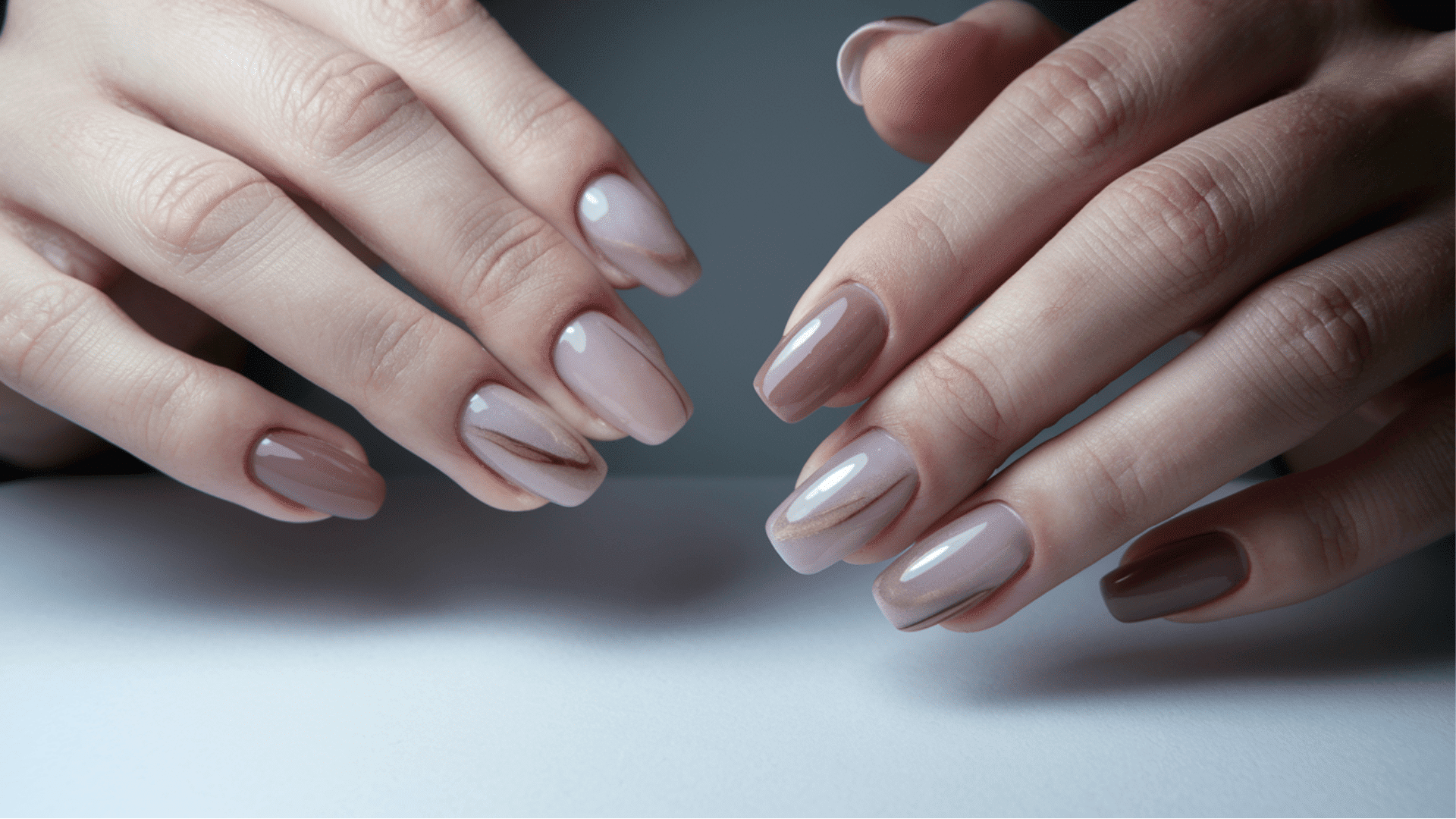


A home aesthetic is no longer just about matching furniture or following whatever trend dominates social media that month.
The most memorable spaces feel layered, personal, and effortless in a way that cannot be copied straight from a showroom floor. Some rooms feel calm and airy. Others feel moody, nostalgic, bold, or quietly luxurious.
That atmosphere comes from the details working together naturally.
From modern organic interiors to softer minimalism and collected vintage decor, home aesthetics are shifting toward comfort, personality, and spaces that actually feel lived in.
What Is a Home Aesthetic?
A home aesthetic is the visual and emotional identity of a space created through color, furniture, textures, lighting, layout, and decor. Some homes feel calm and airy, while others feel cozy, bold, refined, or nostalgic.
Unlike interior design styles that follow specific rules, aesthetics focus more on mood and atmosphere. That is why many modern homes blend styles while still feeling cohesive.
Defining a style can feel difficult because social media constantly pushes new trends. Many spaces also prioritize appearance over comfort.
As a result, the role of texture in interior design has grown significantly, with layered materials, meaningful decor, warm lighting, and personal comfort shaping spaces more than polished perfection ever could.
Most Popular Home Aesthetics Right Now
Some aesthetics never really disappear. Others rise fast, flood social feeds, then quietly fade out.
Right now, the strongest interiors feel warmer, softer, and far more personal than the ultra-polished spaces of the past few years.
1. Modern Organic
Modern organic blends clean design with natural comfort. Think warm oak, textured stone, soft curves, and earthy neutrals that make a room feel calm without looking plain. The overall mood stays airy, relaxed, and quietly polished.
2. Quiet Luxury
Quiet luxury skips flashy decor and leans into craftsmanship instead. Rich fabrics, muted tones, tailored furniture, and subtle details create a refined space that feels expensive without trying too hard.
3. Scandinavian
Scandinavian interiors focus on function, simplicity, and light. Pale woods, crisp whites, practical layouts, and cozy textures keep the style clean while still feeling welcoming and comfortable.
4. Japandi
Japandi combines Japanese minimalism with Scandinavian warmth. The result feels intentional, uncluttered, and grounded through soft earthy tones, low-profile furniture, and carefully chosen decor.
5. Traditional With Modern Updates
Classic interiors are making a strong return, but with a lighter touch. Crown molding, vintage-inspired furniture, and timeless details now pair with softer palettes and cleaner finishes for a fresher look.
6. Maximalist Eclectic
Maximalist eclectic throws out strict design rules in favor of personality. Layered patterns, statement art, collected objects, and bold combinations create spaces that feel expressive and full of energy.
7. Cottagecore
Cottagecore room decor ideas bring a softer countryside influence indoors. Floral fabrics, aged finishes, handmade decor, and vintage-inspired accents create spaces that feel relaxed, nostalgic, and gently romantic.
8. Industrial
Industrial style keeps its edge through raw materials and architectural details. Exposed brick, dark metals, concrete finishes, and loft-inspired layouts give the space a grounded, urban feel.
9. Coastal
Coastal interiors move beyond beach-themed decor and focus more on atmosphere. Natural light, breezy colors, linen textures, and relaxed styling create spaces that feel open and easygoing.
10. Mid-Century Modern
Mid-century modern stays popular because of its clean structure and timeless furniture shapes. Walnut finishes, retro influences, sleek silhouettes, and bold wall accents keep the style functional without feeling boring.
A Quick Breakdown of Home Aesthetics by Mood
| Mood | Common Features | Best Fit For |
|---|---|---|
| Calm & Relaxed | Warm neutrals, soft fabrics, airy lighting, natural finishes | Homes that need a slower, quieter atmosphere |
| Bold & Expressive | Rich contrasts, layered decor, statement accents, playful patterns | Spaces filled with creativity and strong personality |
| Sophisticated & Refined | Tailored furniture, balanced layouts, muted tones, polished details | Elegant interiors designed for timeless appeal |
| Cozy & Nostalgic | Vintage accents, warm lighting, textured fabrics, collected decor | Comfort-driven homes with warmth and character |
| Clean & Minimal | Open layouts, simple silhouettes, restrained styling, clutter-free surfaces | Smaller homes or spaces craving visual clarity |
The Biggest Home Aesthetic Mistakes
The best-looking homes rarely feel overly planned. They feel layered, relaxed, and natural to live in. Most design mistakes happen when trends take priority over comfort and personality.
- Chasing Trends: Viral aesthetics fade quickly. Keep larger pieces timeless and use smaller decor for trend-driven updates.
- Buying Everything Together: Rooms built too quickly can feel flat. Gradual layering creates more depth and character.
- Ignoring Function: Good design still needs comfort, proper lighting, and layouts that work for everyday life.
- Overmatching Decor: Too much coordination removes contrast. Mixing modern with vintage or soft with structured creates balance.
- Skipping Texture: Texture adds warmth and dimension. Wood, linen, stone, woven accents, and matte finishes keep spaces from feeling one-note.
How To Figure Out Your Home Aesthetic?
Most people already lean toward a certain style without realizing it. The clues usually appear in saved Pinterest photos, favorite cafés, travel stays, clothing choices, and furniture preferences.
Repeating colors, textures, and materials often point toward a natural aesthetic direction.
Lifestyle matters too. Frequent hosting may suit open layouts, while calmer routines often work better with softer, less cluttered spaces.
Modern homes usually pair well with cleaner aesthetics, while older spaces often suit layered details and warmer finishes.
Real homes often give the best inspiration because lived-in spaces tend to feel more personal and lasting.
Home Aesthetic Trends Shaping Modern Rooms
Homes are leaning warmer, softer, and more personal. Instead of chasing perfect catalog spaces, current aesthetics focus on comfort, character, and everyday livability.
Earthy Palettes Are Replacing Cool Neutrals
Warm shades are taking over interiors that once relied heavily on gray and stark white.
- Clay and terracotta tones add depth without feeling loud
- Olive greens bring a grounded, nature-inspired feel
- Warm browns create comfort and richness
- Layered neutrals make rooms feel softer and more relaxed
Vintage Details Are Making Spaces Feel More Personal
Collected interiors are becoming more desirable than overly coordinated rooms.
- Antique furniture adds history and texture
- Handmade decor brings warmth and individuality
- Character-rich accessories keep spaces from feeling flat
- Older pieces mixed with modern elements create balance
Minimalism Is Getting Softer
Clean spaces still matter, but the sharp edges are fading.
- Softer textures replace cold finishes
- Comfortable furniture shapes feel more inviting
- Minimal styling now focuses on warmth as much as simplicity
- Rooms feel cleaner without looking empty
Wellness Is Influencing Interior Choices
Design is becoming closely tied to how spaces feel mentally and physically.
- Natural light is treated like a design feature
- Bedrooms lean calmer with quieter color palettes
- Bathrooms are shifting toward spa-inspired layouts
- Reduced visual clutter helps spaces feel lighter
Personality-Led Styling Is Taking Over
Homes are moving away from copy-paste trends and becoming more individual.
- Decor reflects hobbies, routines, and memories
- Styling feels more layered and less staged
- Statement pieces are chosen with intention
- Imperfect details make spaces feel authentic
Easy Room-by-Room Aesthetic Upgrades
Small changes can completely shift the mood of a room. Thoughtful lighting, texture, color, and layout updates often make a space feel fresher without requiring a full redesign.
1. Living Room
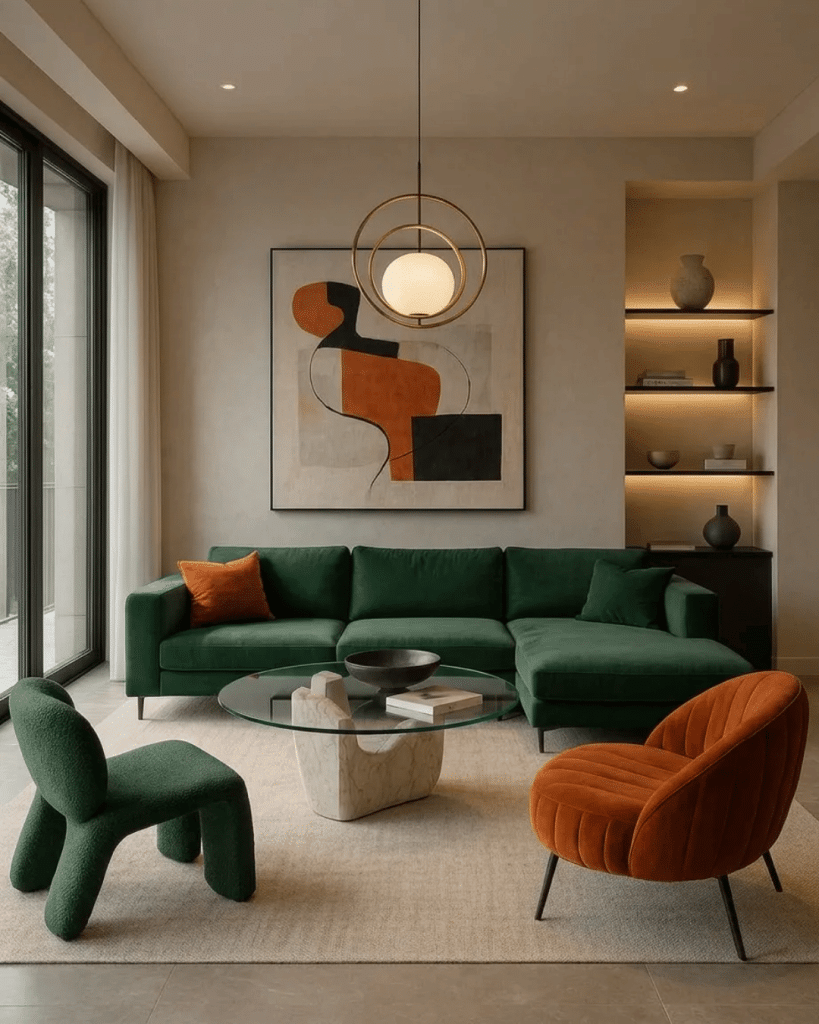
The most inviting living rooms balance comfort with visual depth.
- Layer lighting instead of relying on one overhead fixture
- Use rugs to ground furniture layouts
- Mix fabrics and materials without overcrowding the room
- Keep one focal point instead of too many statement pieces
2. Bedroom
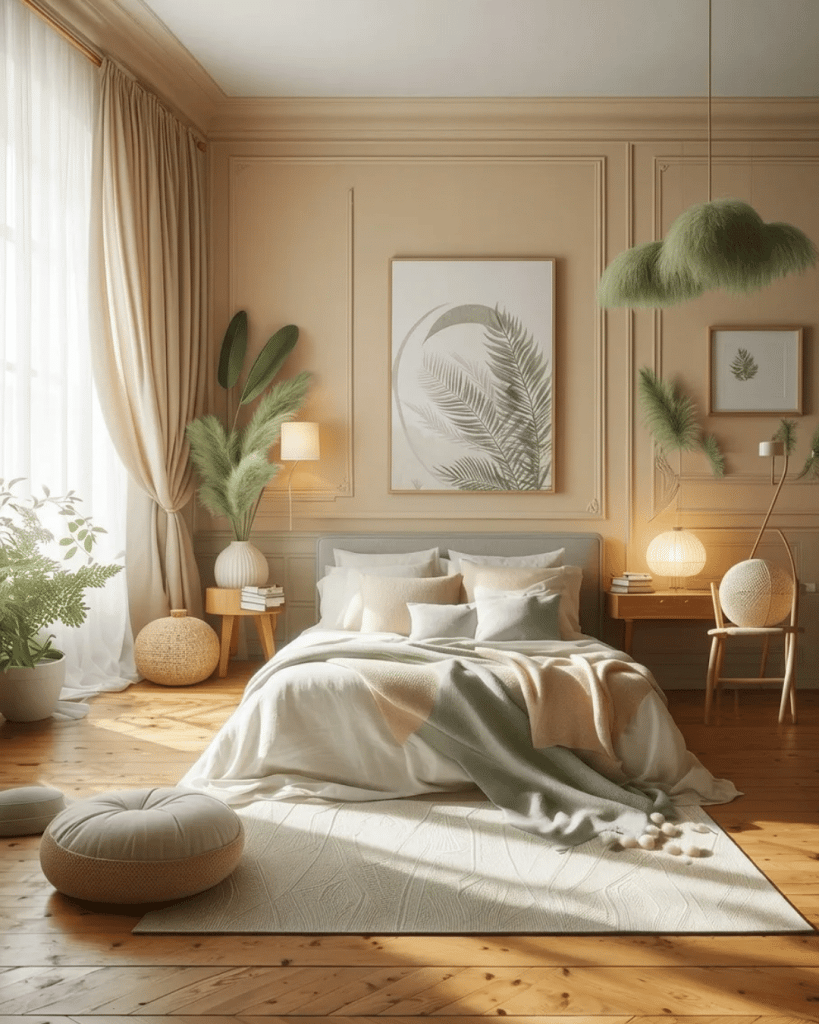
Bedrooms feel better when the styling slows the room down visually.
- Use soft textiles for added warmth
- Stick to calming, low-contrast palettes
- Reduce visible clutter wherever possible
- Prioritize lighting that feels soft instead of harsh
3. Kitchen
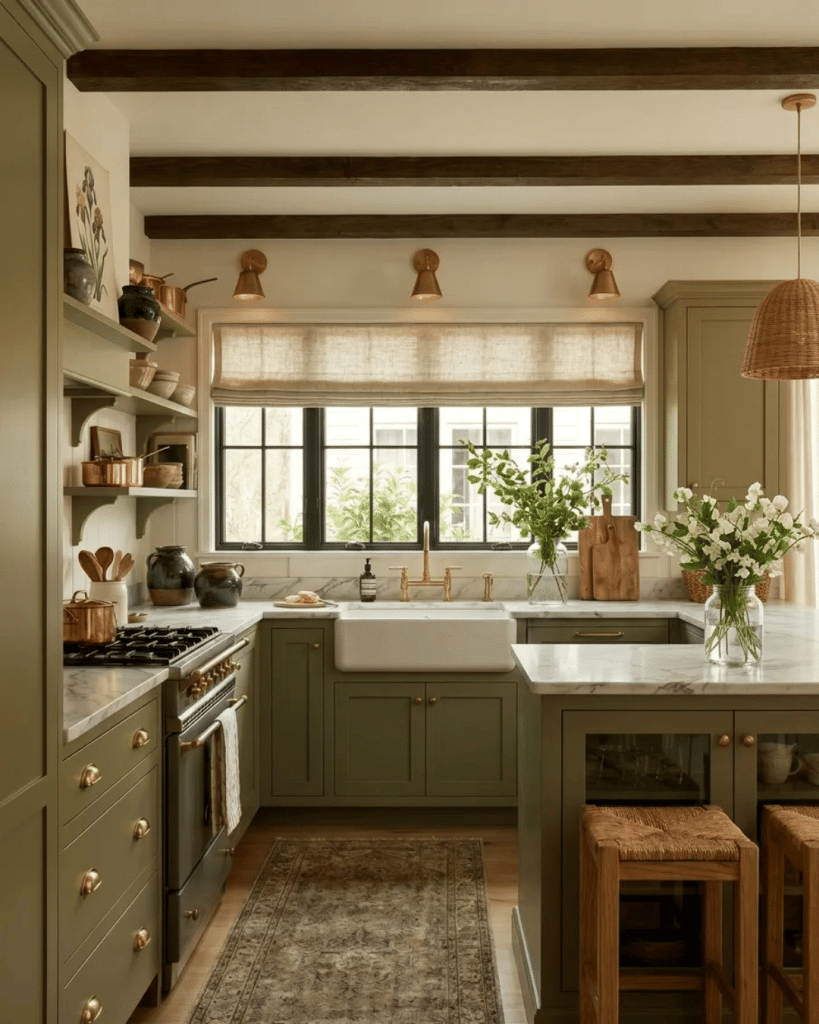
Modern kitchens are blending practicality with personality.
- Warm finishes keep functional spaces from feeling sterile
- Hardware and lighting shape the room’s style quickly
- Open shelving works best when styled minimally
- Texture matters just as much as color
4. Bathroom
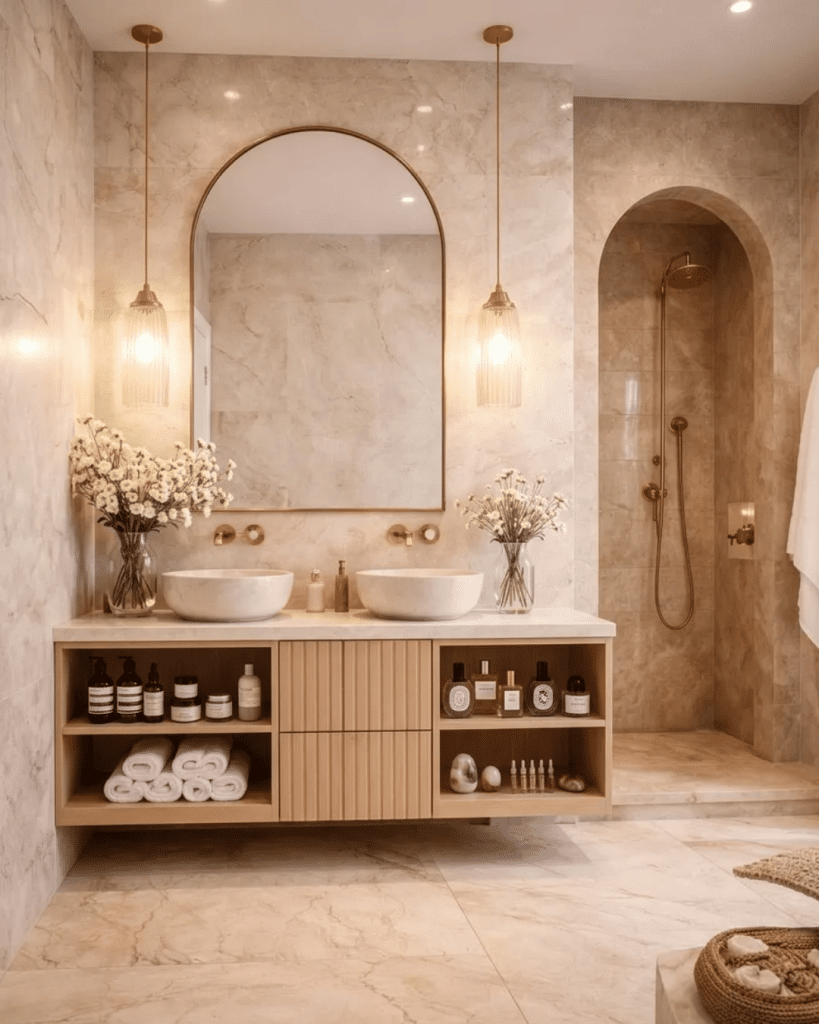
Small design shifts can make bathrooms feel noticeably elevated.
- Keep materials consistent for a cleaner look
- Add spa-inspired details through texture and lighting
- Avoid overly cool lighting tones
- Simple styling often feels more luxurious
5. Entryway
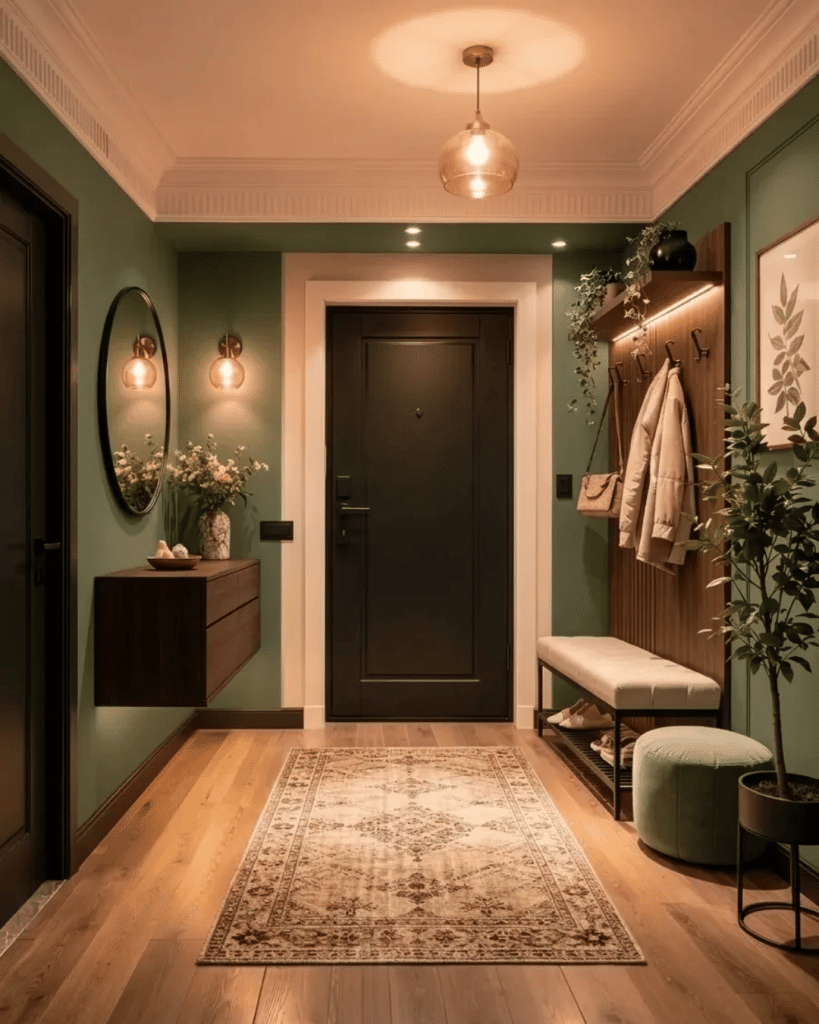
The entryway quietly sets the tone for the entire home.
- Good lighting instantly improves the space
- Stylish storage keeps clutter controlled
- Mirrors help smaller entryways feel more open
- Even one strong decor piece can create impact
Conclusion
The best home aesthetics rarely come from chasing every trend or copying perfectly styled rooms online. They come from layering comfort, personality, function, and a little visual curiosity into spaces that actually feel lived in.
Some homes lean calm and minimal, while others feel bold, collected, or nostalgic. The strongest interiors simply feel honest to the people living in them.
Styles will continue to shift, but rooms built around warmth, balance, and individuality tend to last far longer than fast-moving trends ever do.
Which home aesthetic feels closest right now? Calm organic spaces, layered vintage interiors, quiet luxury, or something completely mixed?
Share thoughts, favorite styles, or even the biggest design struggle in the comments below.
Frequently Asked Questions
What Is the 70 30 Rule in Decorating?
The 70/30 rule suggests that 70% of a room should be dominated by a primary element, such as a color or furniture style, while the remaining 30% should be used for accent elements.
What Is the Golden Rule for Home Decor?
The golden rule for home decor is balance, not symmetry, not matching, not perfection.
What Makes a House Look Outdated?
Outdated homes often feature worn, high-maintenance materials like popcorn ceilings, linoleum, or orange-toned honey oak cabinets.