Does your space feel flat even after choosing the right colors and furniture? This is a common issue many people face while designing interiors.
The missing piece in interior design is often texture. It adds depth and balance, making a space feel complete.
With the right mix of textures, you can improve comfort, create contrast, and make your space more visually appealing. Even small changes can make a big difference.
In this blog, you will learn what texture is, why it matters, and simple ways to use it effectively.
What Is Texture in Interior Design
Texture refers to how a surface feels or looks. It plays an important role in shaping the overall feel of a space. It helps add depth, contrast, and balance, making a room feel complete instead of flat.
Tactile Texture
Tactile texture is the physical feel of a surface when touched. It is the most direct and noticeable type of texture in any space.
You can sense it through the softness of a fabric, the roughness of stone, or the smooth finish of glass.
These textures influence how comfortable and inviting a room feels. Soft materials often create warmth and comfort, while rough surfaces can add a natural and grounded feel.
Visual Texture
Visual texture is how a surface appears. It creates an effect that can be seen, even without touch. This type of texture is formed through patterns, prints, and surface finishes like marble or wood grain.
For example, a patterned wallpaper or a textured paint finish can give the illusion of depth. Visual texture helps break the flatness of plain surfaces and adds detail to the space.
Importance of Texture Over Color and Layout
Texture shapes how a space feels beyond color and layout. It adds detail and makes a room feel complete. It also helps connect different elements in the space.
- Adds Depth and Interest: Texture breaks flat surfaces and adds layers. It keeps spaces from looking plain and adds simple detail. This makes the design feel more balanced and full.
- Influences Mood: Texture affects how a room feels. Soft textures feel warm, while hard textures feel modern. It helps create the right atmosphere for the space.
- Affects Space Perception: Texture can make a room look bigger or smaller. Smooth surfaces feel open, while rough ones feel compact. It changes how the space is seen and experienced.
Texture ties different elements together and brings clarity to the design. It helps create a more engaging, well-defined space without relying solely on color or layout.
Types of Texture You Need to Know
Texture comes in many forms, and each one shapes a room in its own way, from how it looks to how it feels underfoot.
Here are the main categories to know:
1. Soft Textures
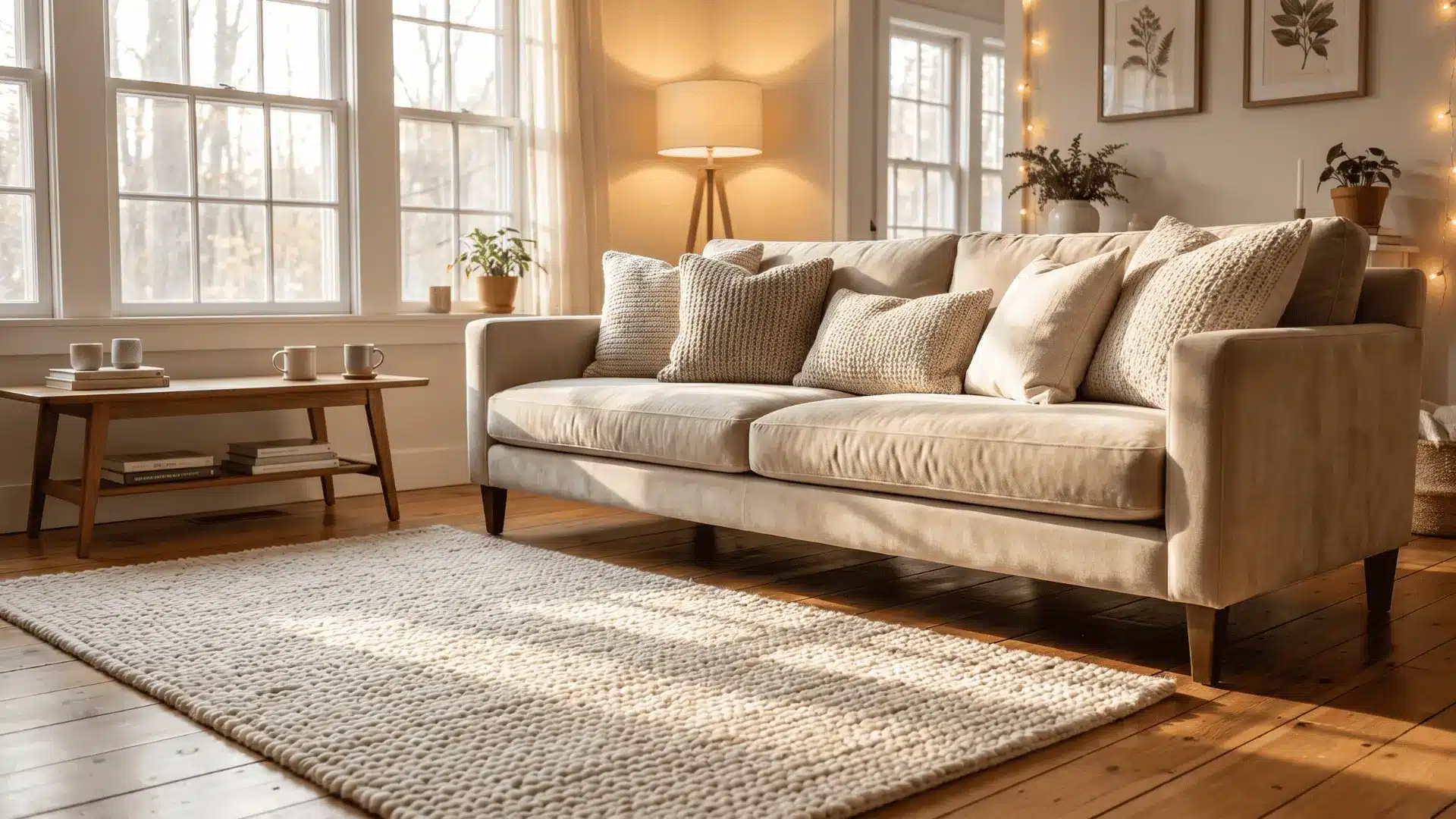
Soft textures are known for their comfort and warmth. Fabrics like velvet, chenille, and cotton fall into this category.
They are often used in upholstery, cushions, and rugs to create a cozy feel.
- Velvet: Adds a rich and smooth feel, ideal for statement pieces like chairs or curtains.
- Chenille: Soft and plush, perfect for a relaxed and inviting setup.
- Cotton: Breathable and easy to maintain, suitable for everyday use.
2. Textured Surfaces
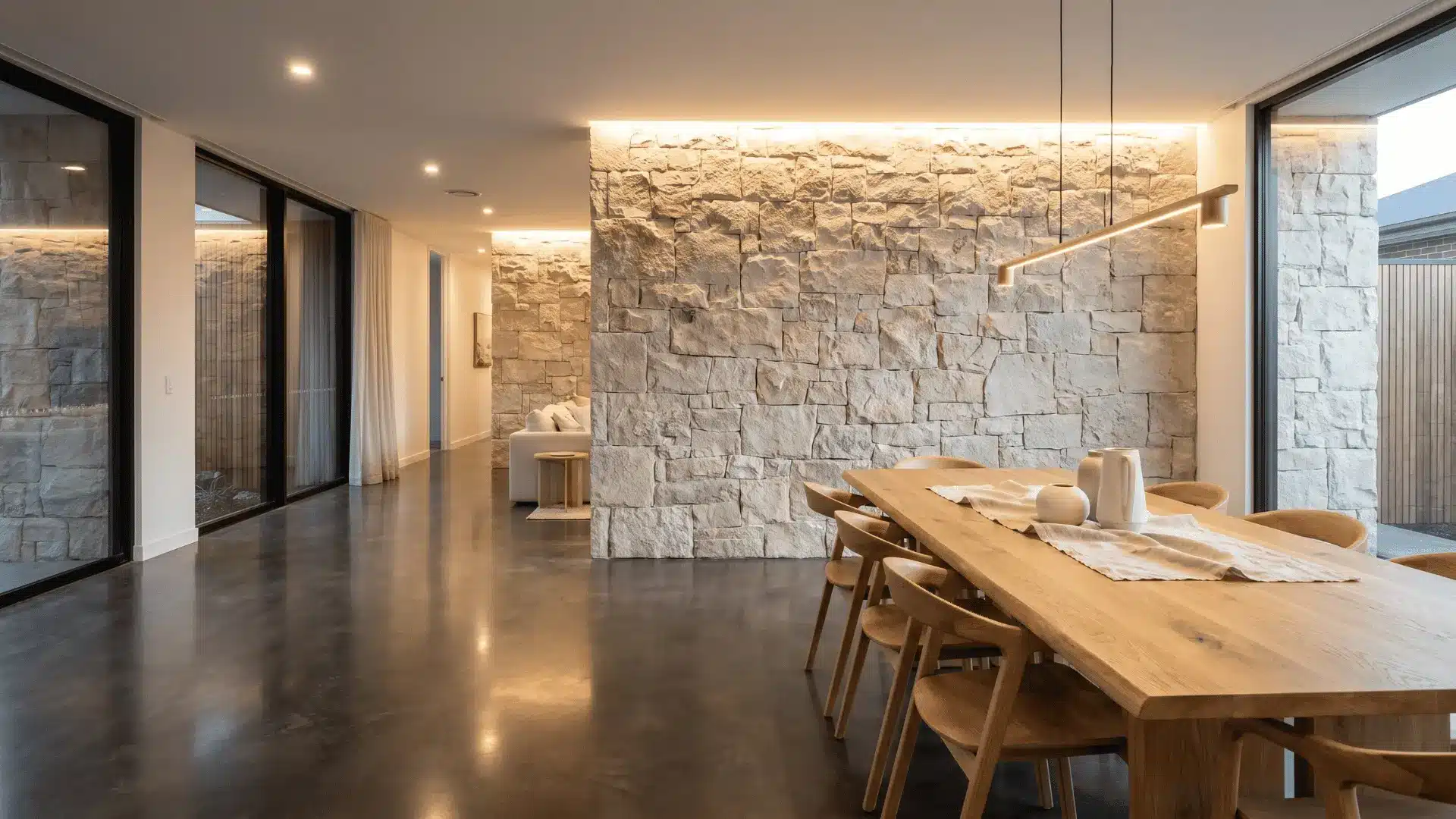
Textured surfaces include materials with visible patterns or uneven finishes.
They add depth and character to walls, floors, and furniture. These textures help create a strong visual impact in a space.
- Wood: Brings a natural and warm feel, available in both smooth finishes and rough grains.
- Stone: Durable and bold, it adds a strong and rugged look to any area.
- Concrete: Clean and modern, it offers a range of finishes from smooth to raw.
3. Metallic Textures
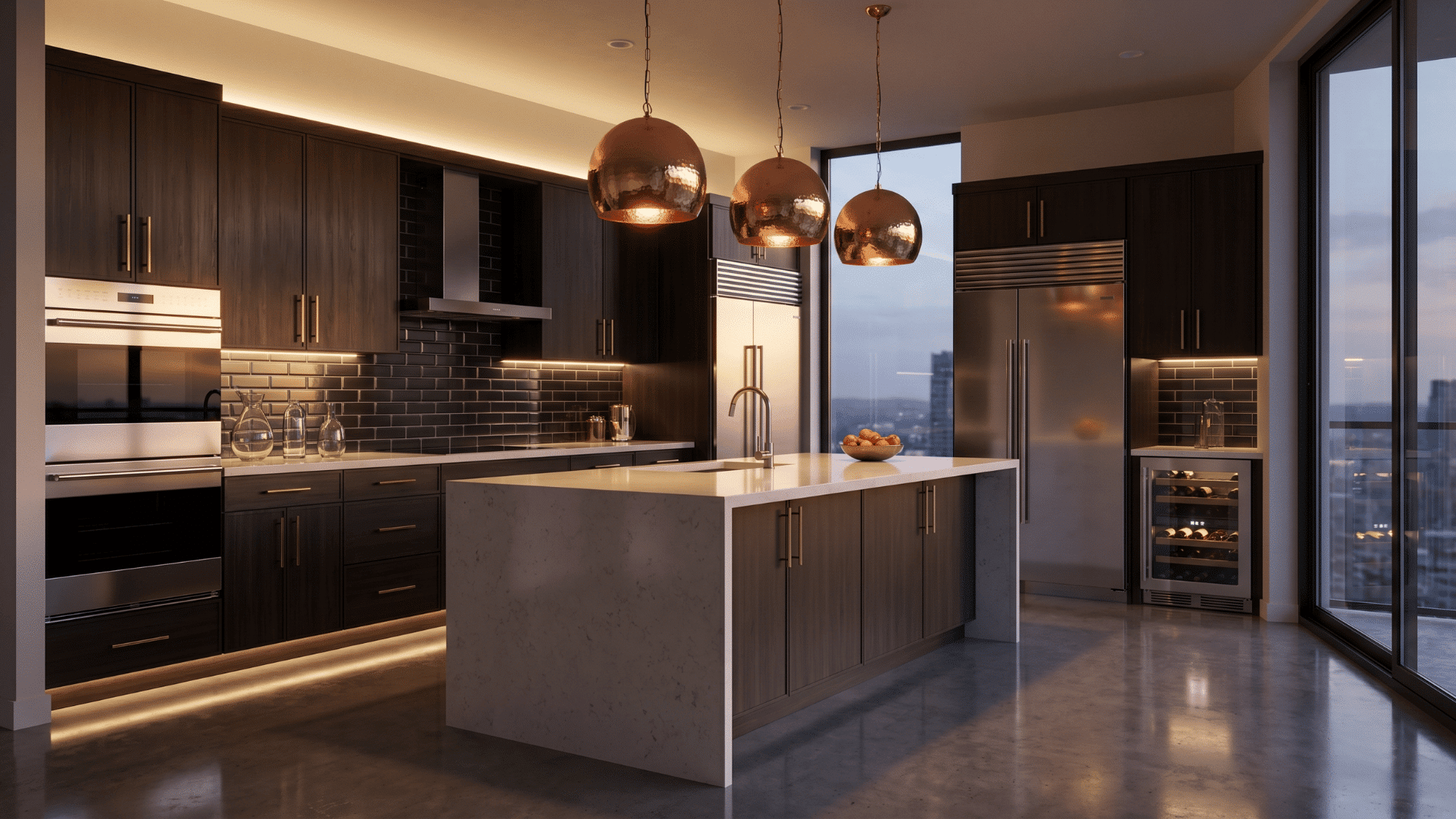
Metallic textures add a polished, refined look to interiors. They are often used in fixtures, accents, and decorative elements. These textures help add a modern touch to the space.
- Brass and Gold: Add warmth and a rich look to interiors.
- Stainless Steel: Provides a clean, sleek finish and is often used in kitchens.
- Copper: Adds a bold and distinct tone with a warm finish.
4. Natural Textures
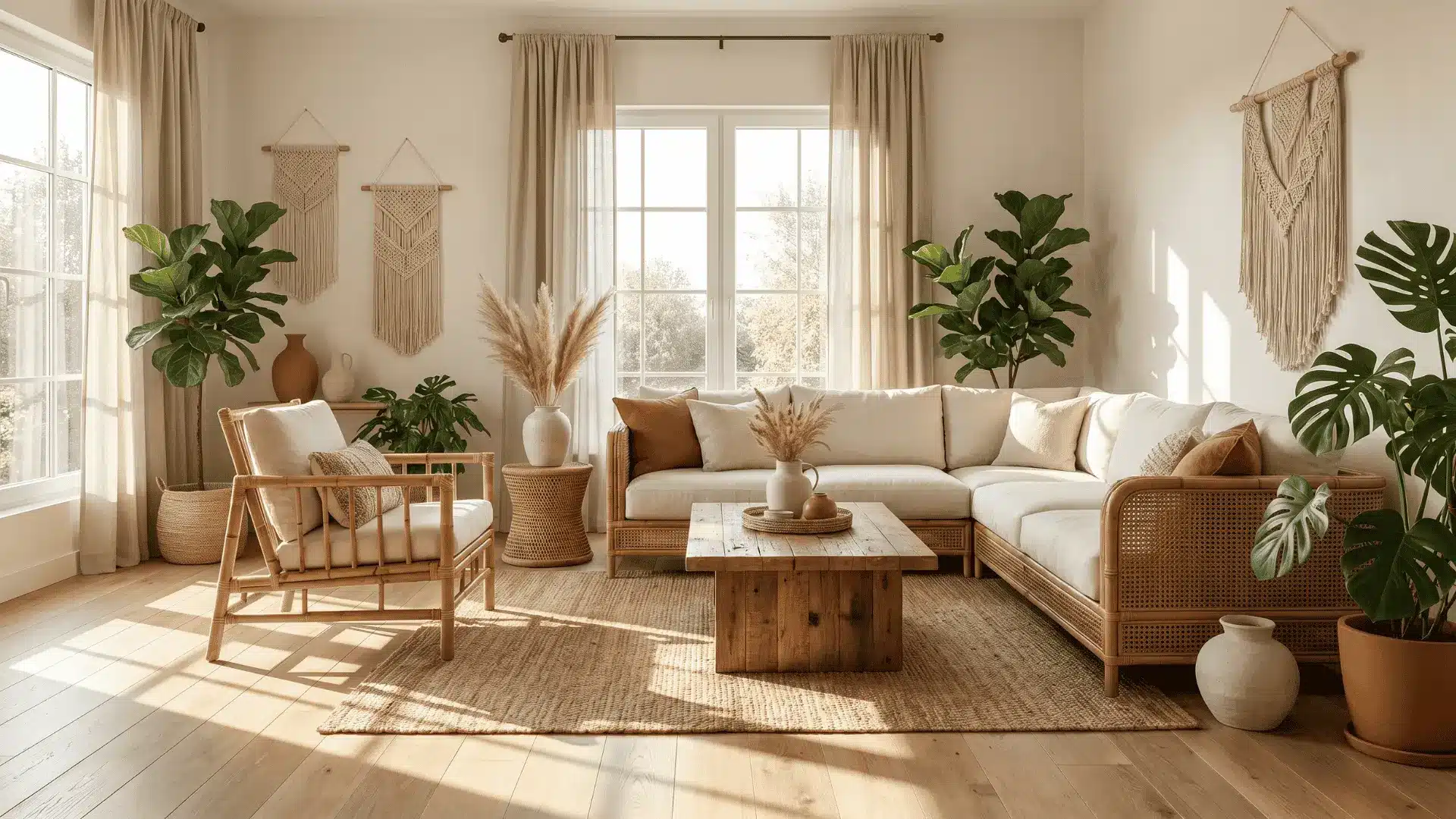
Natural textures bring a calm and earthy feel to a space. They help create a relaxed and grounded environment. These materials are often used for a simple and fresh look.
- Bamboo: Light and versatile, often used in flooring, blinds, and decor.
- Rattan: Adds a casual, relaxed feel and is commonly used in furniture and accessories.
5. Patterned Textures
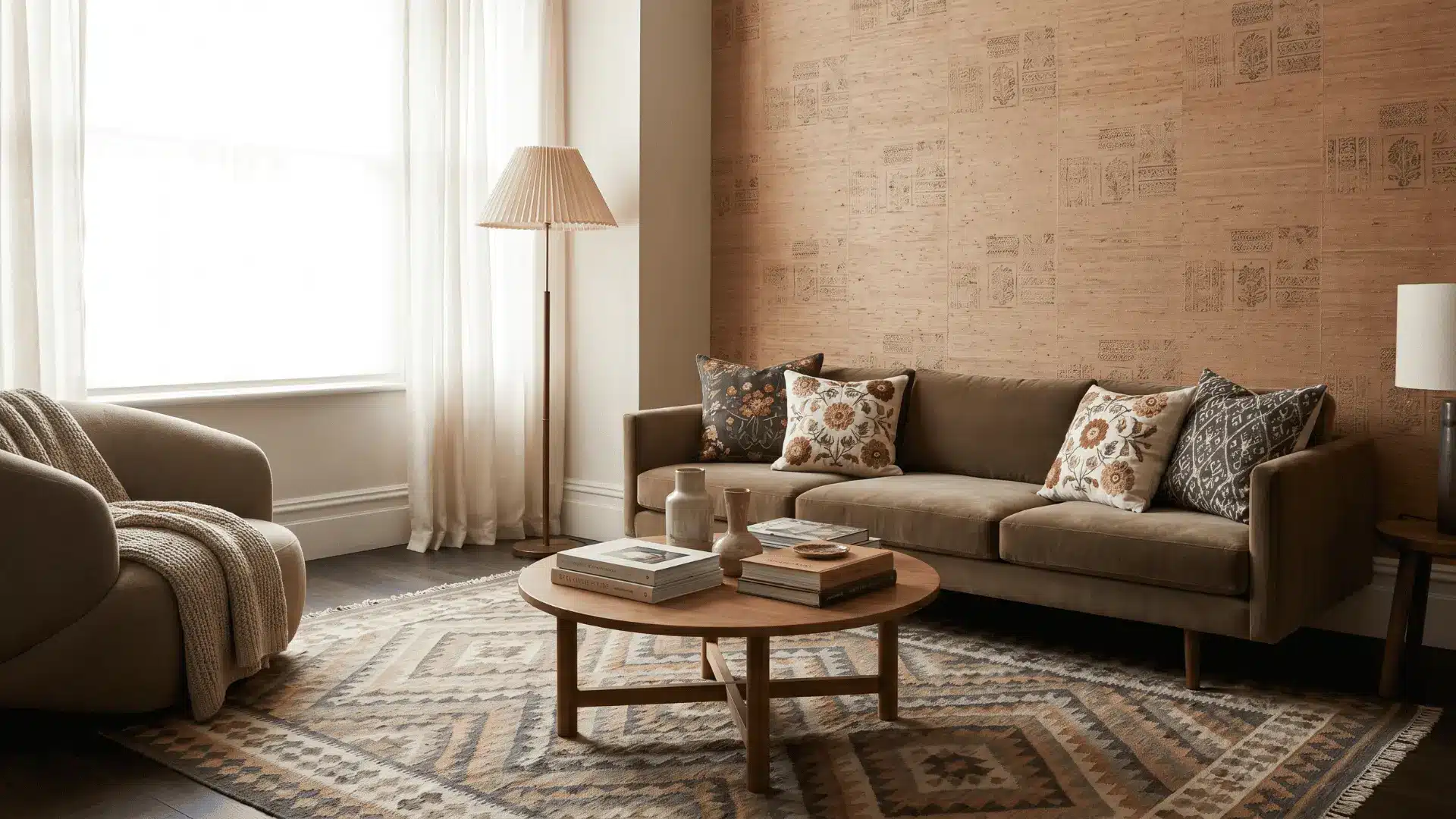
Patterned textures use designs to add detail and variety. They help break plain surfaces and add visual interest. These textures are often used in fabrics and wall coverings.
- Geometric Patterns: Add a clean and modern look with sharp shapes.
- Floral Patterns: Add a soft, classic touch to the space.
How to Add Texture to a Room: Different Ways
Adding texture can improve how a space looks and feels. Here are simple ways to use it in your design.
- Layer Different Textures: Mix different materials and finishes in one space. This helps create depth and keeps the design from looking flat.
- Use Contrasting Fabrics: Combine different fabric types to add balance. This works well when colors are similar but need a bit of variation.
- Add Texture Through Furniture: Choose furniture with visible or tactile texture. It helps bring more character into the space.
- Use Textured Accessories: Add items like rugs, cushions, and decor pieces. These are easy ways to introduce texture.
- Incorporate Natural Elements: Use materials like wood, stone, or plants. They add a simple and grounded feel.
- Highlight Texture with Lighting: Use lighting to create shadows and enhance surface details. This makes textures stand out.
- Add Texture to Walls: Use wallpaper, panels, or textured paint. This adds depth and visual interest.
Using these ideas can make a space feel more complete. A good mix of textures adds depth, balance, and visual interest.
Can You Mix Multiple Textures in Interior Design?
Yes, and most well-designed rooms actually rely on it.
The trick is keeping a clear hierarchy so one or two textures lead while the rest support quietly in the background.
A common rule designers follow is sticking to three main textures per room, which keeps the space layered without tipping into chaos or making any single element fight for attention.
Simple Ways Designers Layer Texture for Depth
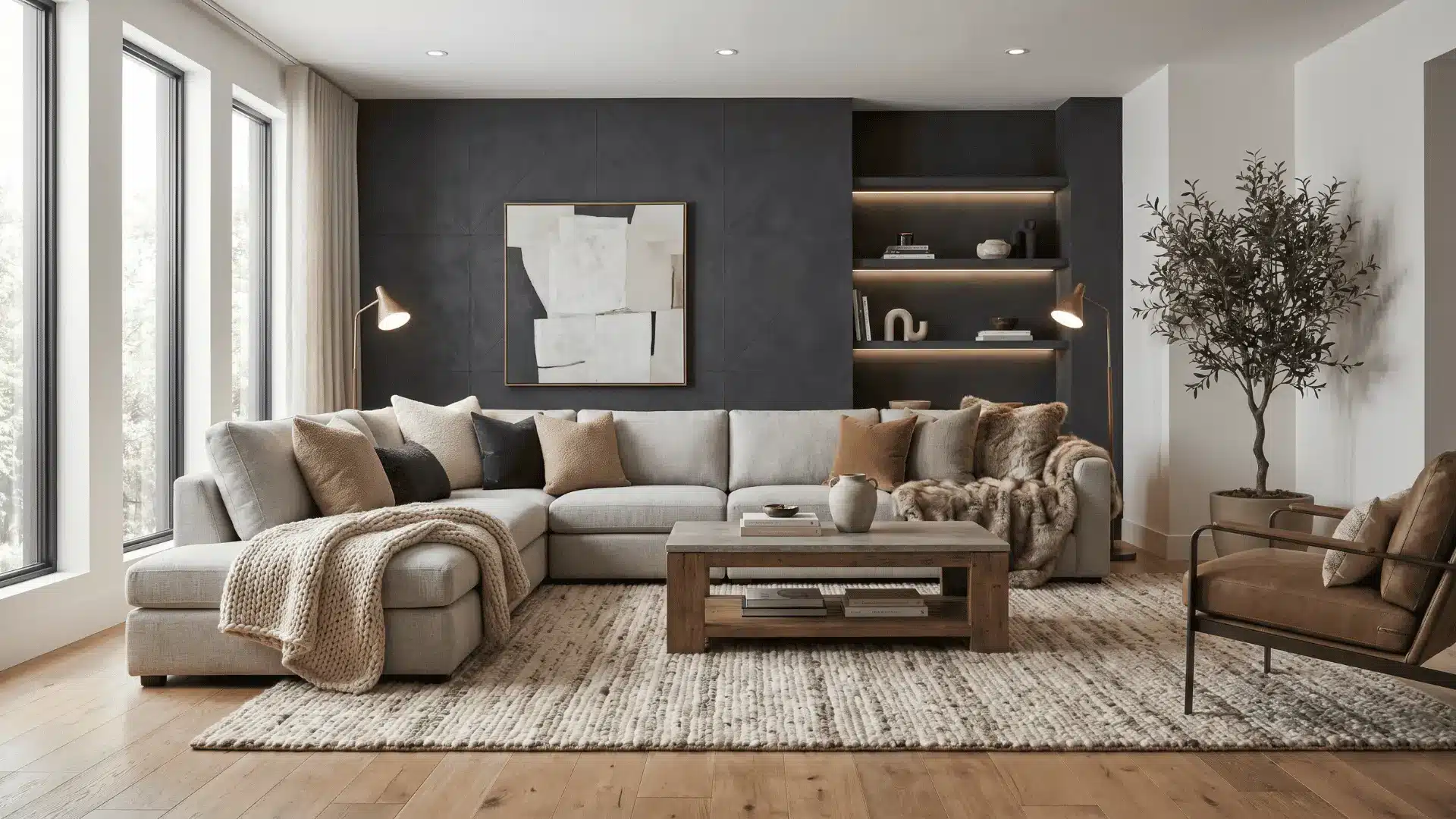
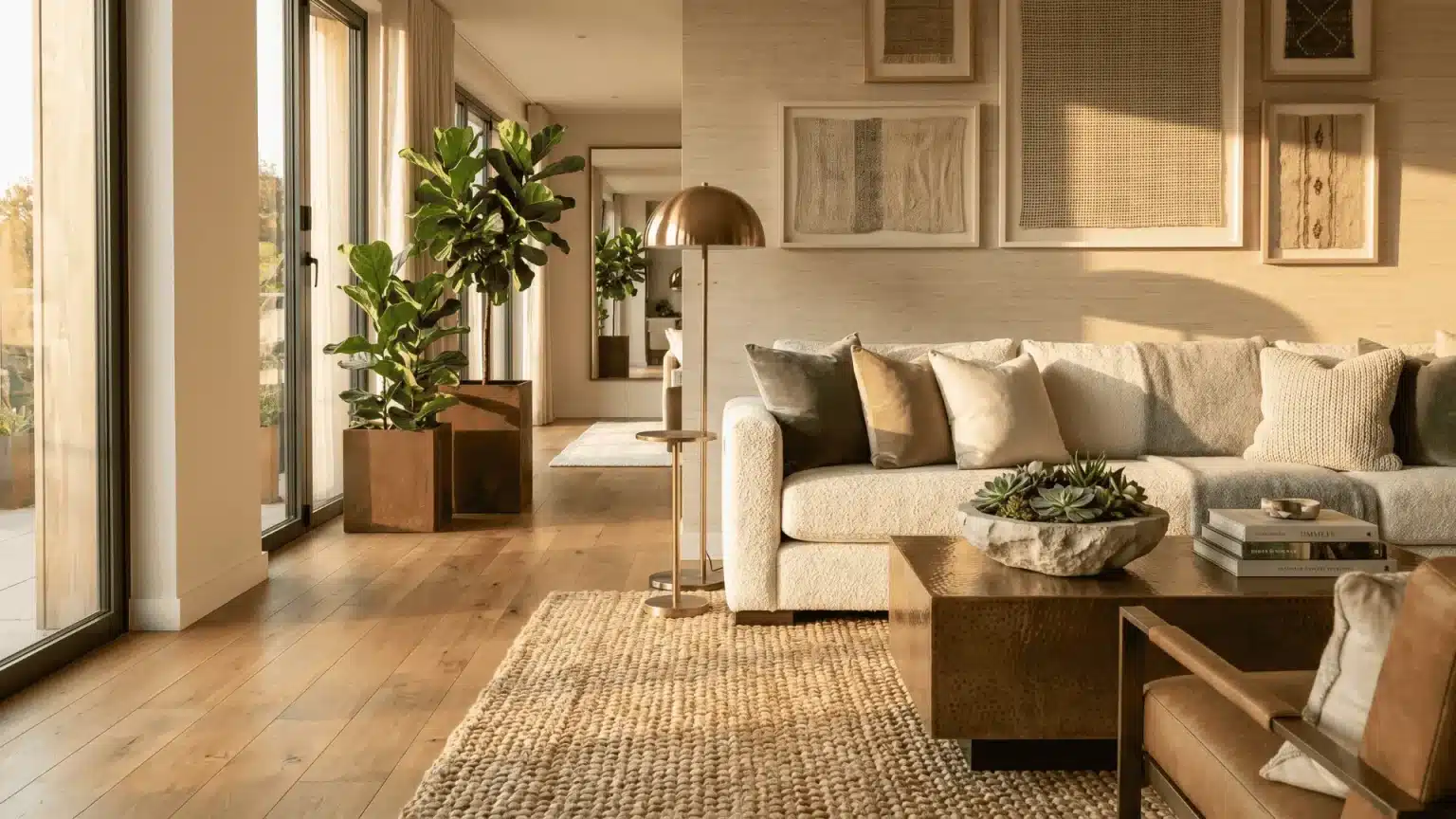
Designers layer textures to make a space feel balanced and complete. They begin with a base texture, usually from floors, walls, or large furniture, to set a strong foundation. This helps keep the overall look stable and clear.
They then add two to three different textures through fabrics or decor to bring variety without making the space feel crowded. This step adds depth in an easy and controlled way.
Finally, they use one standout texture, such as a bold wall or a furniture piece, to draw attention and create a clear focal point. This keeps the space interesting while still looking neat and well-arranged.
Common Texture Mistakes That Ruin Interiors
Using texture the wrong way can affect how a space looks and feels. Avoiding these common mistakes helps create a more balanced design.
- Overusing Texture: Too many at once makes the room feel cluttered.
- Ignoring Scale: Large patterns in small rooms feel cramped.
- No Contrast: Similar textures throughout make the space look flat.
Paying attention to these mistakes helps keep the design clean and balanced. A thoughtful mix of textures makes the space feel more comfortable and complete.
Conclusion
Texture in interior design plays a key role in shaping how a space looks and feels. It helps add depth, improve comfort, and bring balance to different elements.
By using the right mix of textures, you can turn a plain room into a more complete and inviting space.
Small changes like adding fabrics, natural materials, or layered finishes can make a clear impact.
Start with simple updates and build from there to improve your space step by step.
Try these ideas in your home today and see the difference texture can make.
Frequently Asked Questions
How Do Beginners Add Texture?
Start with simple items like rugs, cushions, and fabrics. These are easy to change and instantly improve the space.
Which Texture Works Best in Small Spaces?
Light and smooth textures work best in small spaces. They reflect more light, making the room feel open and spacious.
What is the 3-5-7 Rule in Interior Design?
The 3-5-7 rule suggests grouping decor in odd numbers, three, five, or seven items, to create a balanced and visually pleasing arrangement that feels natural rather than overly staged.