
Preventive home care is all about identifying and addressing small issues before they become major problems. Whether it’s inspecting your roof, maintaining your HVAC system, checking for plumbing leaks, or improving insulation, these simple steps can save thousands of dollars over time.
This approach is especially important in regions like Pittsburgh, where homes are exposed to changing seasons, heavy rain, snow, ice, and fluctuating temperatures throughout the year. These weather conditions can gradually affect a home’s exterior and interior systems, making routine inspections even more valuable.
Rather than waiting for something to break, homeowners who invest in preventive care often enjoy lower maintenance costs, greater comfort, and fewer unexpected surprises. The key is understanding where to focus your efforts and why regular upkeep pays off in the long run.
Protecting Your Roof Before Small Problems Become Expensive Repairs
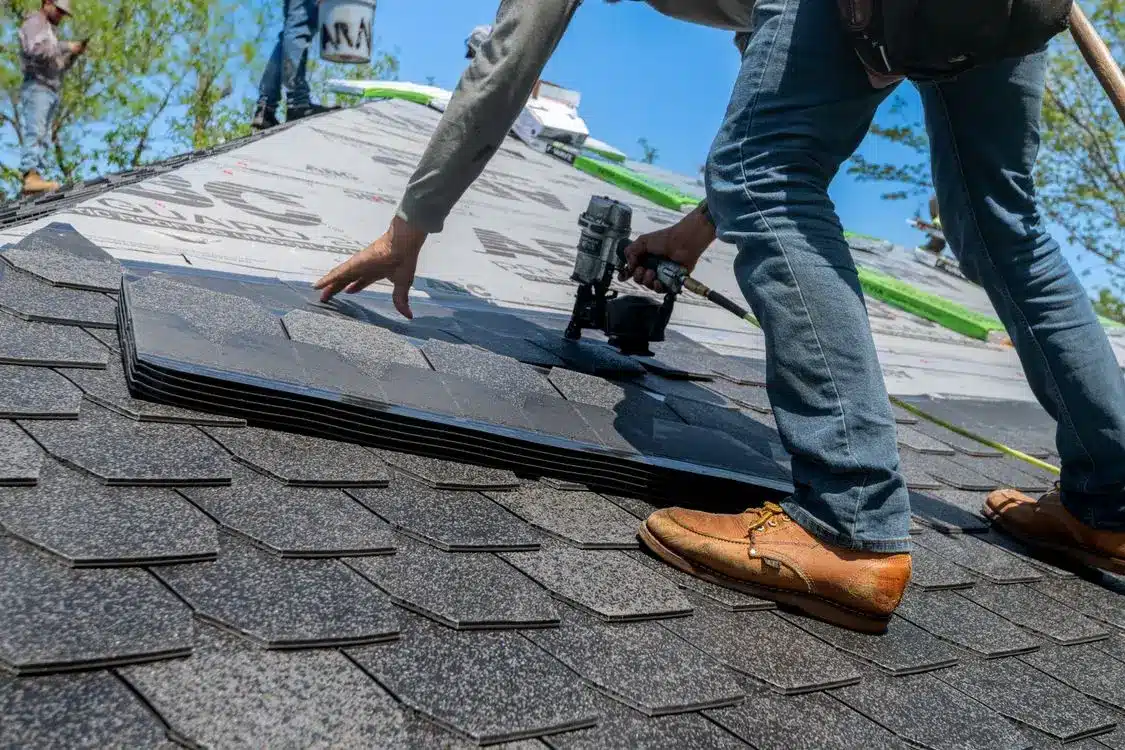
Your roof plays one of the most important roles in protecting your home. It shields the structure from rain, snow, wind, and moisture while helping regulate indoor temperatures throughout the year. Because it serves as the first line of defense against the elements, roof maintenance should never be overlooked.
Even minor roofing issues can quickly become serious concerns. A few missing shingles, damaged flashing, or a small leak may seem insignificant at first, but over time, these problems can allow water to enter the home. Once moisture gets inside, it can damage insulation, ceilings, walls, and even structural components.
Regular roof inspections help identify potential problems before they escalate. Homeowners should pay attention to warning signs such as water stains on ceilings, missing shingles, sagging roof sections, or visible wear around chimneys and vents.
When concerns arise, homeowners in Pennsylvania work with an experienced roofing contractor in Pittsburgh who can help identify hidden damage, assess the overall condition of the roof, and determine whether repairs or preventive maintenance measures are needed to extend the roof’s lifespan and avoid more costly structural issues.
Professional inspections often reveal problems that are difficult to spot from the ground. Addressing these concerns early can prevent extensive water damage, mold growth, and emergency repair costs.
By treating roof maintenance as an ongoing responsibility rather than a reactive repair, homeowners can significantly reduce long-term expenses while protecting one of their property’s most valuable assets.
Maintaining HVAC Systems for Greater Efficiency
Heating and cooling systems are among the most expensive pieces of equipment in any home. They work hard throughout the year to keep indoor temperatures comfortable, and without proper maintenance, they can become less efficient over time.
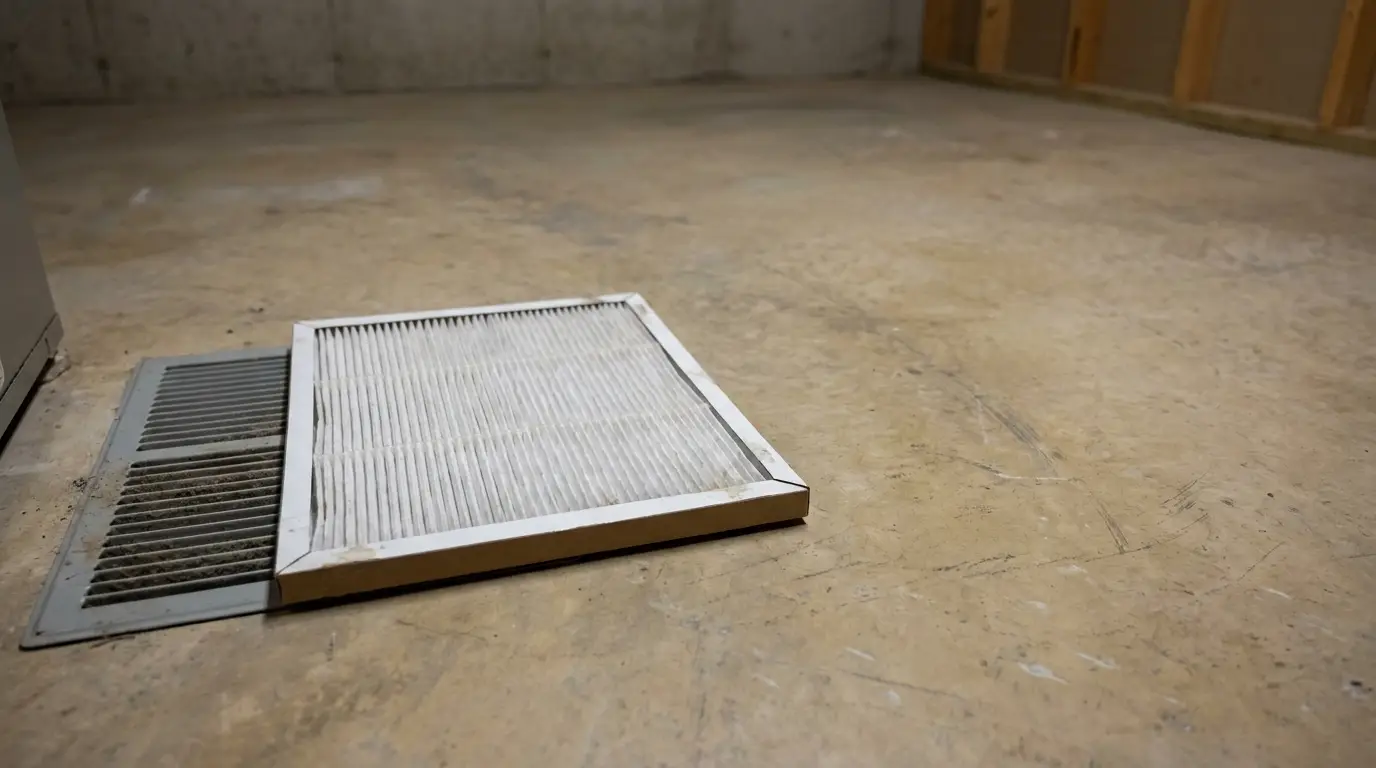
One of the simplest preventive maintenance tasks is regularly replacing air filters. Dirty filters restrict airflow, forcing HVAC systems to work harder and consume more energy. This not only increases utility bills but also places unnecessary strain on the equipment.
Annual professional inspections are equally important. Technicians can clean components, check refrigerant levels, inspect electrical connections, and identify worn parts before they fail.
Routine maintenance helps HVAC systems operate more efficiently, which often translates into lower monthly energy costs. It can also extend the lifespan of expensive equipment, delaying the need for replacement.
The cost of preventive maintenance is typically much lower than the expense of emergency repairs or installing a new heating and cooling system prematurely.
Preventing Plumbing Problems Before They Escalate
Water damage is one of the most common and costly issues homeowners face. In many cases, the damage begins with small plumbing problems that go unnoticed for weeks or even months.
A dripping faucet, slow leak beneath a sink, or minor pipe issue may not seem urgent, but over time, these problems can lead to significant repair expenses. Water can damage flooring, walls, cabinets, and personal belongings while creating conditions that encourage mold growth.
Regular plumbing inspections can help identify leaks early. Homeowners should periodically check under sinks, around toilets, near water heaters, and along exposed pipes for signs of moisture.
Monitoring water pressure is also important. Excessively high pressure can place stress on plumbing systems and increase the risk of leaks or pipe failures.
By addressing plumbing concerns before they worsen, homeowners can avoid emergency repair costs and minimize the risk of extensive water-related damage.
Preventive plumbing maintenance is a relatively small investment that can provide substantial long-term savings.
Protecting Windows, Doors, and Insulation
Energy efficiency plays a major role in controlling household expenses. When windows, doors, and insulation are neglected, homeowners often pay the price through higher heating and cooling bills.
Drafty windows and poorly sealed doors allow conditioned air to escape while letting outdoor temperatures affect indoor comfort. As a result, HVAC systems must work harder to maintain desired temperatures.
Fortunately, preventive maintenance in this area is relatively straightforward. Homeowners can inspect weatherstripping, seal visible gaps, and repair damaged caulking around windows and doors.
Insulation should also be evaluated periodically, especially in attics and crawl spaces. Adequate insulation helps reduce heat transfer and improves overall energy efficiency.
These improvements may seem small individually, but together they can significantly lower utility costs while making the home more comfortable throughout the year.
Improved efficiency also reduces wear on heating and cooling systems, creating additional savings over time.
Preventive home care is one of the most effective ways to save money over time. By addressing small issues before they become major problems, homeowners can avoid costly repairs, improve energy efficiency, and extend the lifespan of important home systems.
Regular roof inspections, HVAC maintenance, plumbing checks, insulation improvements, and exterior upkeep all contribute to a healthier, more reliable home. These efforts not only reduce unexpected expenses but also improve comfort and protect property value.
While maintenance may require time and occasional investment, it is far less expensive than dealing with major repairs after damage occurs. Homeowners who take a proactive approach often enjoy fewer surprises and greater peace of mind.
In the long run, preventive home care is not simply about maintenance. It is about protecting one of your most valuable assets and ensuring it continues serving you well for years to come.