Not every party calls for the same outfit. A rooftop cocktail hour, a seated dinner, and a crowded dance floor all ask for something slightly different, and the right choice usually has less to do with trends than with how the evening will actually unfold.
Building a small collection of reliable partywear makes those decisions far easier, because a few well-made pieces can adapt to nearly any invitation. The sections below break down how to dress for the most common settings, along with a few details that keep a look feeling effortless from the first drink to the last song.
The Rooftop or Cocktail Party
Rooftop gatherings and cocktail parties reward outfits that look polished but move easily. A satin slip dress, a tailored jumpsuit, or a midi with a bit of shine all work well. Wind and cooler evening air are real factors, so a structured blazer or a soft wrap is worth bringing along. Block heels or sleek flat sandals handle metal stairs and uneven surfaces better than stilettos do.
Color can carry the look. Deep green, cobalt, or a rich chocolate brown feels elevated without needing much embellishment, and a metallic clutch adds just enough sparkle.
The Seated Dinner Party
A dinner party puts clothes on display at close range, so fabric and fit matter more than flash. Velvet, crepe, and satin all hold up through several courses, and a neckline that stays in place without adjusting helps conversation flow. A midi or maxi length tends to feel right for a candlelit table, and sleeves or a light jacket make a drafty dining room more comfortable.
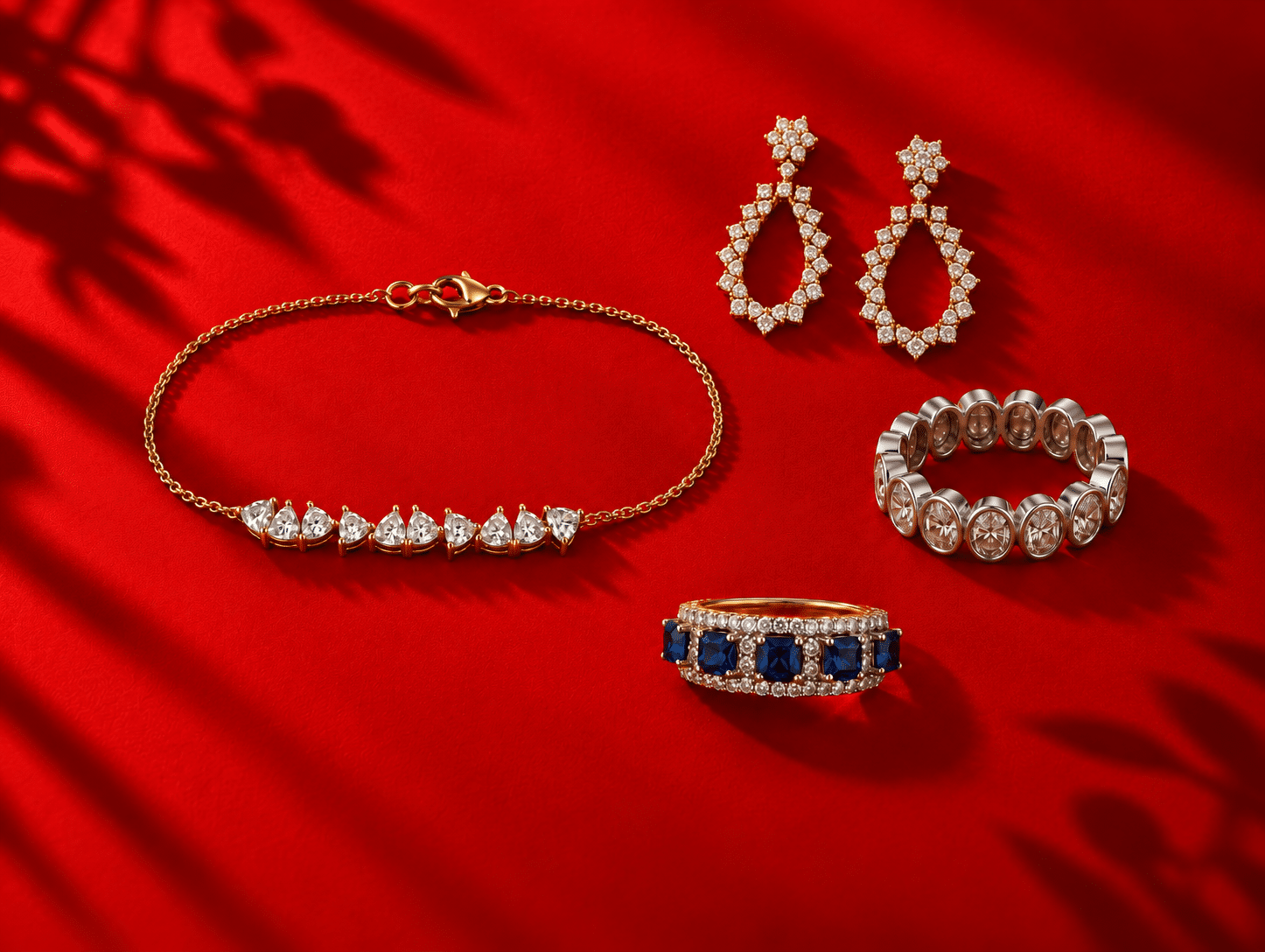
Jewelry can do the work that sequins do elsewhere. A pair of statement earrings or a sculptural cuff paired with a clean silhouette looks intentional and avoids snagging on chair backs.
The House Party
House parties are usually more relaxed, which gives room to experiment. A sequined skirt with a simple knit, a mini dress with flat boots, or tailored trousers with a sparkly top all strike a good balance between festive and casual. Shoes should stay comfortable, because the evening often involves stairs, kitchens, and plenty of standing.
Layering helps in homes where the temperature shifts from room to room. A cropped jacket or cardigan can come off when the space gets warm and go back on for the walk home.
The Night Out With Dancing
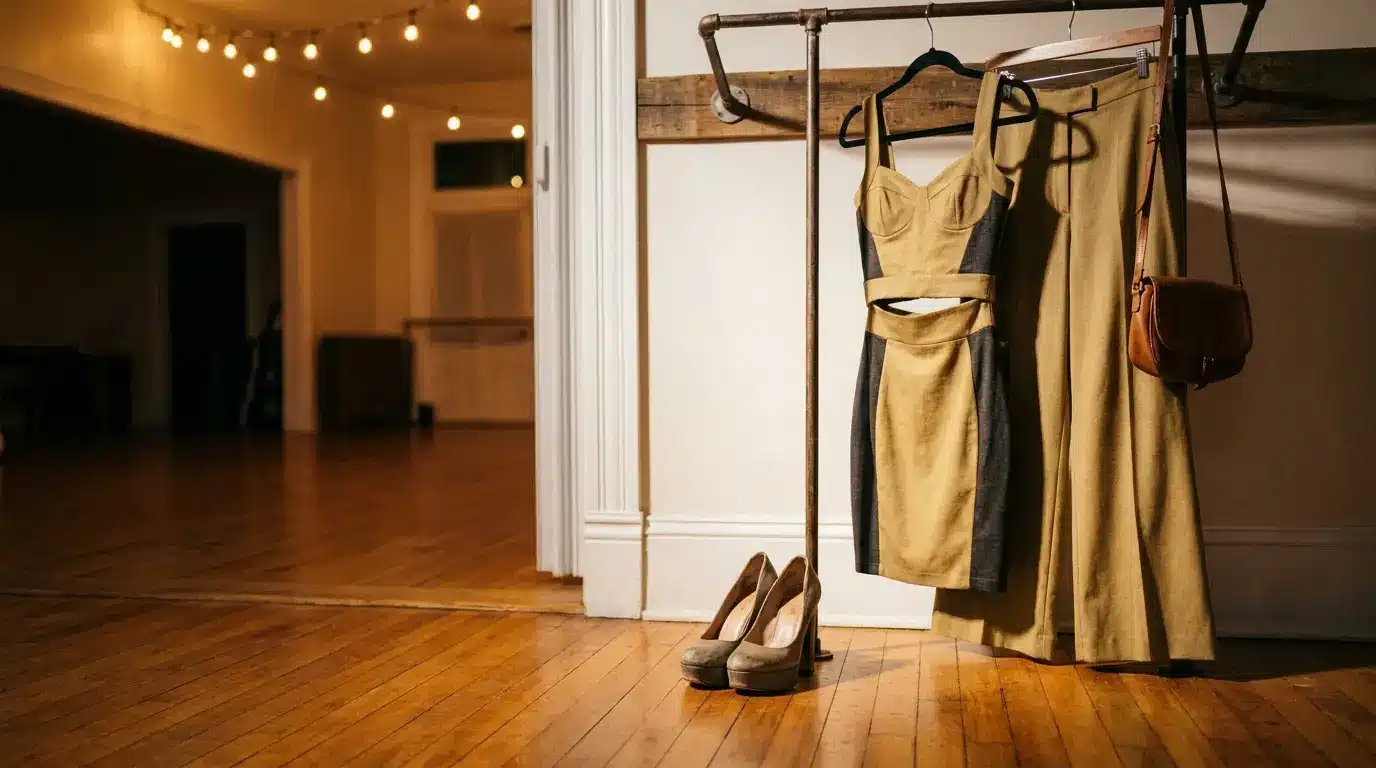
When the evening involves dancing, movement comes first. Stretch fabrics, secure straps, and hems that won’t ride up make a real difference. A mini dress, a two-piece set, or wide-leg trousers with a fitted top can all look sharp and still allow freedom of movement. Heavy embellishment is best placed where it won’t scratch, and a crossbody or small bag keeps hands free.
Shoes decide how long the night lasts. Platform heels, chunky boots, or stylish sneakers keep the evening going far longer than slim heels.
The Daytime Celebration
Birthday brunches, garden parties, and afternoon gatherings call for lighter styling. Soft pastels, floral prints, and breathable fabrics suit the daylight, and shine is best kept subtle. A midi dress with sandals or a linen-blend set with a statement bag feels festive without looking overdressed for the hour.
Choosing Colors and Textures
Color sets the mood before anything else does. Black remains a dependable foundation, but jewel tones, metallics, and rich neutrals such as chocolate or camel offer more personality. Texture adds depth in a way that photographs well, whether it comes from velvet, satin, lace, or beading.
Mixing one textured piece with simple companions keeps the outfit balanced. A sequin top with plain trousers, or a velvet dress with minimal jewelry, lets a single element take center stage.
Small Details That Make Any Look Work
A few finishing touches carry across every type of party. Tailoring is the first, since a hem or strap adjusted by a professional makes even a simple piece look considered. Undergarments that suit the neckline and fabric come next, followed by a quick check in natural light and under artificial light, because some textures change dramatically.
A small emergency kit also earns its place in a bag. Double-sided tape, a lint roller, blister plasters, and a phone charger solve the small problems that tend to arrive halfway through the evening.
Building a Party Wardrobe That Lasts
Rather than buying a new outfit for each invitation, many people find it easier to assemble a few flexible foundations. One dark dress, one metallic or sequined piece, one tailored jacket, and a reliable pair of heels can be recombined in dozens of ways. Changing the accessories, layers, and shoes changes the mood entirely, which keeps outfits fresh in photographs and saves money over time.
Keeping a note of what was worn to which event also helps, particularly within the same social circle. It prevents accidental repeats and makes planning the next invitation much quicker.