
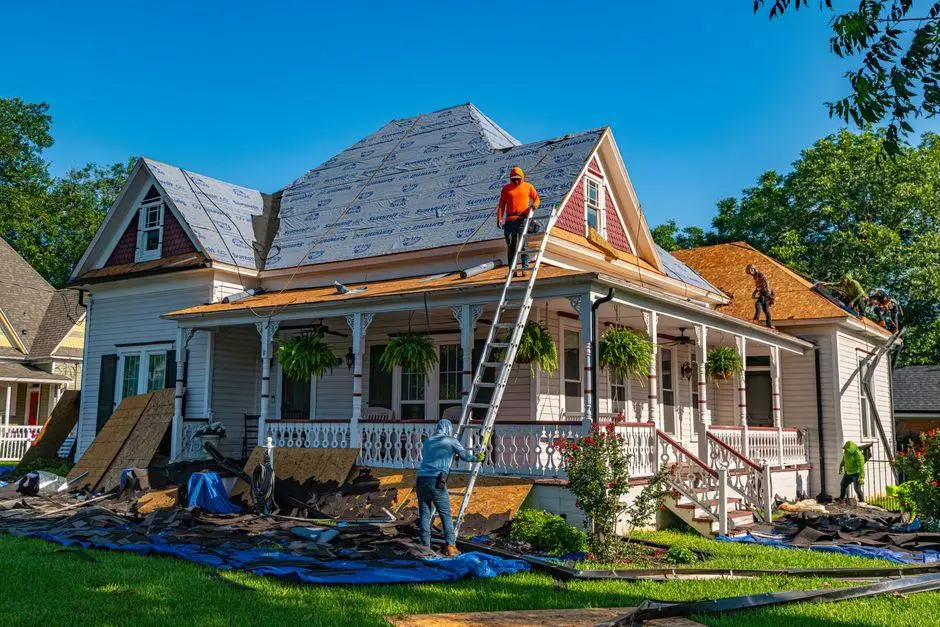
Your roof does more than keep rain out. It affects energy bills, indoor comfort, curb appeal, and even how long the rest of your home holds up. If you’re planning a roof upgrade, a little strategy saves you from expensive surprises later. From spotting early warning signs to choosing materials and timing the work right, you can make better decisions without getting buried in contractor jargon or paying for fixes you didn’t actually need.
Know When Your Roof Is Asking for Help
A roof rarely fails out of nowhere. It usually drops hints first, and ignoring them tends to get expensive fast. You might notice missing shingles, dark streaks, granules collecting in gutters, or water spots on ceilings. In colder climates, ice dams can also point to ventilation or insulation problems, not just roofing issues.
Age matters too. Asphalt shingles often last around 20 to 30 years, though weather, installation quality, and attic conditions can shorten that timeline. If your roof is getting older and repairs keep stacking up, patchwork may stop being the budget-friendly choice.
A smart first step is having experienced roofers inspect the system as a whole. That includes flashing, underlayment, ventilation, and drainage, not just the shingles you can see from the driveway.
Decide Between Repair and Full Replacement
Homeowners often hope a quick repair will solve everything. Sometimes it does. A few wind-damaged shingles or a small flashing problem can be handled without replacing the entire roof. The trick is knowing when a repair is practical and when it’s just a temporary bandage with a nice invoice.
If damage is isolated to one area and the rest of the roof is in solid shape, repairs can make sense. If leaks show up in multiple places, the decking feels soft, or previous fixes keep failing, replacement usually brings better long-term value.
Think beyond immediate price. Repeated service calls add up, and some old roofs become difficult to match with current materials. A mismatched patch may keep water out, but it can also make your home look like it lost an argument with a hardware store.
Choose Materials Based on Climate, Not Just Looks
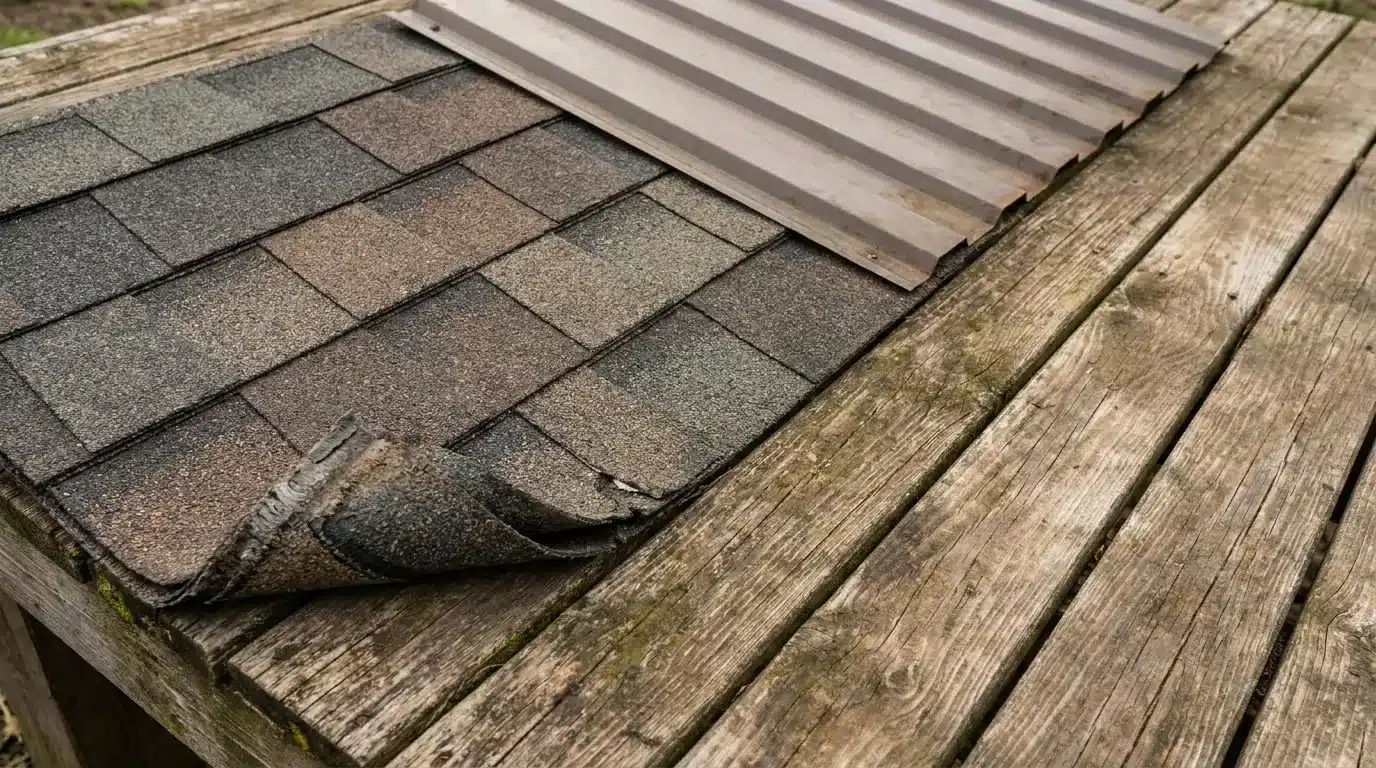
Roofing materials are not one-size-fits-all. A shingle color or style may look great online, but local weather gets the final vote. If you live in an area with high winds, hail, heavy snow, or harsh summer sun, performance matters more than trend appeal.
Asphalt shingles remain popular because they’re affordable and widely available. Architectural shingles usually offer better durability and a more dimensional look than basic three-tab versions. Metal roofing costs more upfront, but it can last longer and handle weather extremes well. In some homes, synthetic or designer materials may fit the architecture better.
Ask about impact resistance, fire ratings, algae resistance, and manufacturer warranties. Also check whether the roofing system includes compatible vents, underlayment, and ice-and-water protection. The best-looking roof on the block won’t impress anyone if it starts failing early.
Pay Attention to Ventilation and Insulation
A new roof won’t perform at its best if your attic setup is working against it. Poor ventilation traps heat and moisture, which can shorten shingle life, increase cooling costs, and encourage mold. In winter, it can contribute to ice dams that damage shingles, gutters, and interior ceilings.
Balanced intake and exhaust ventilation helps regulate attic temperature and moisture levels. Ridge vents, soffit vents, and properly placed exhaust vents each play a role, depending on your roof design. Insulation matters too. If warm indoor air keeps leaking into the attic, your roofing system ends up dealing with more stress than it should.
This part is easy to overlook because it’s not flashy. Nobody posts a celebratory photo of upgraded airflow. Still, improving ventilation and insulation during a roofing project often protects your investment better than spending extra on premium shingles alone.
Understand Quotes Before You Sign Anything
Roofing estimates can look similar at a glance, but the details may be very different. One quote might include tear-off, decking replacement, disposal, flashing upgrades, and permit costs, while another quietly leaves some of that out. A low number feels great until the change orders start rolling in.
Read each estimate carefully. Check what materials are listed, whether underlayment and drip edge are included, and how unexpected deck damage will be priced. Ask about cleanup, project timeline, and warranty coverage for both materials and labor.
It also helps to verify licensing, insurance, and local experience. A contractor who understands regional weather patterns and building codes can often spot issues others miss. Clear communication is part of the product. If answers feel vague before the job starts, the install process probably won’t become magically organized later.
Time the Project for Better Results
Roofing can happen in many seasons, but timing still affects price, scheduling, and installation conditions. Late spring through fall tends to be busy in many markets, which may limit availability. If you wait until active leaks appear during peak season, you might face more stress, fewer scheduling options, and less room to compare bids.
Planning ahead gives you leverage. You can research materials, review estimates, and line up financing without rushing. Mild weather also helps crews work efficiently and can support cleaner installation, depending on the product being used.
If you’re doing broader exterior improvements like siding, gutters, or new insulation, try coordinating projects in a logical order. Roofing often comes first because it protects everything underneath. Your future self will appreciate not paying twice to move or redo related components.
Think Long-Term Value, Not Just Immediate Cost
The cheapest roofing decision is often the most expensive one a few years later. Long-term value comes from durability, proper installation, lower maintenance, and better home protection. It can also affect resale appeal. Buyers notice an aging roof quickly, and inspectors definitely do not miss much.
A well-planned roof upgrade may improve energy efficiency, reduce the chance of moisture damage, and sharpen curb appeal at the same time. Keep records of materials, warranties, and contractor information after the project wraps up. That paperwork can help with future maintenance, insurance questions, or a home sale.
If you treat your roof like a major system rather than a cosmetic afterthought, you’ll make stronger decisions from day one. That means fewer surprises, more confidence, and a home that stays protected when the weather decides to test your budget and your patience.