

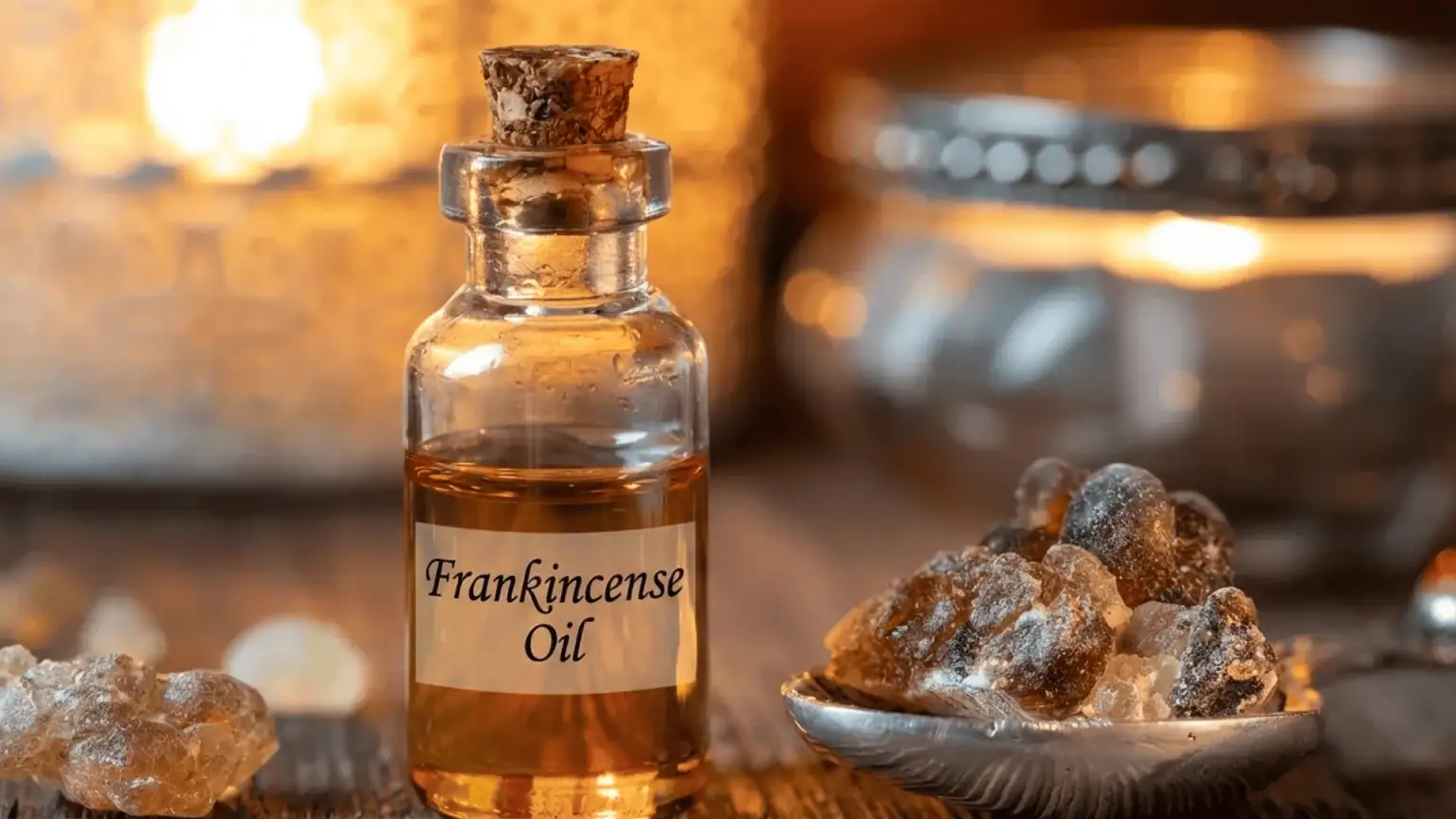
Skincare shelves are packed with products that promise quick results, but some of the most talked-about solutions aren’t new at all. Frankincense oil has been around for centuries, yet it’s still making waves for one simple reason. It actually fits into real routines without making things complicated.
This tiny bottle carries a lot of potential. It’s known for helping skin feel smoother, look more even, and stay balanced over time.
No heavy routines. No endless steps. Just a simple addition that works quietly in the background.
The real question is not whether it’s worth trying, but how to use it the right way without overdoing it. That’s exactly what this guide covers, from benefits to simple ways to add it into daily skincare without any guesswork.
What Is Frankincense Oil?
Frankincense oil is extracted from the resin of the Boswellia tree, a natural ingredient used in skincare and wellness for centuries.
It is known for its gentle, calming nature and works well across different skin types when properly diluted with a carrier oil.
Key Compounds Found in Frankincense Oil:
- Boswellic Acids: support anti-inflammatory activity
- Alpha-Pinene: helps calm and soothe the skin
- Limonene: provides antioxidant protection
- Linalool: contributes to a calming, balanced effect
- Incensole Acetate: linked with relaxation and stress relief
Is Frankincense Good for Skin?
Yes, frankincense oil is widely considered beneficial for skin when used correctly.
It helps smooth uneven texture, supports a more balanced complexion, and gives the face a refined, healthier appearance over time.
Using frankincense oil for face is especially popular among people looking for a natural alternative to heavy serums or synthetic actives.
Its calming properties make it suitable for sensitive and reactive skin, while its toning effect appeals to those focused on firmness and fine lines. The results are gradual but noticeable with consistent use.
Key Benefits of Using Frankincense Oil for Face
Source: WebMD
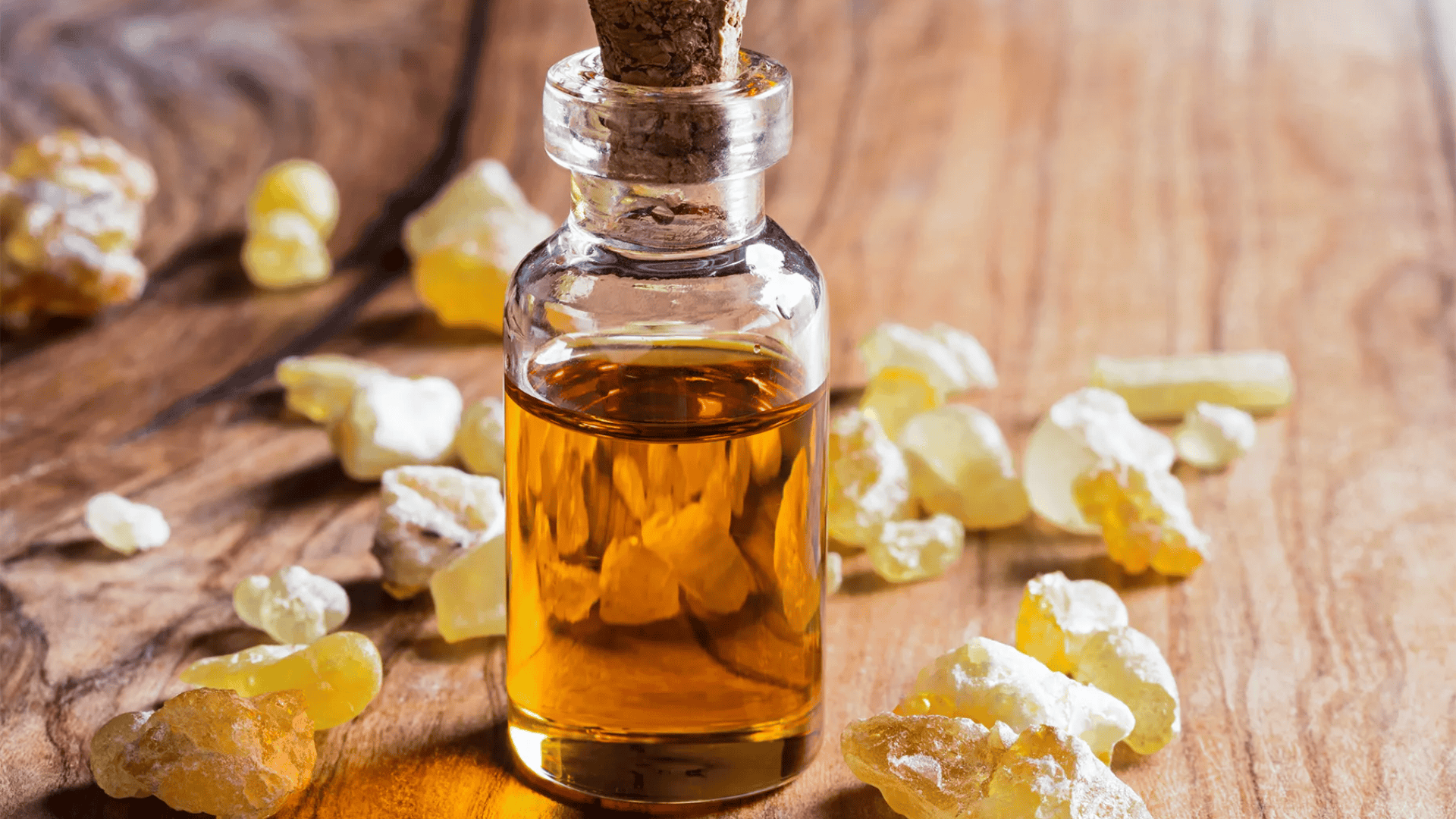
Using frankincense oil for face has earned a solid spot in skincare for a reason. It works gently but delivers visible improvements when used the right way.
- Helps reduce the look of wrinkles: Supports skin renewal, which can make fine lines appear softer over time.
- May improve skin firmness: Known for its toning effect, helping skin feel tighter and more lifted with regular use.
- Supports even skin tone and texture: Can help smooth rough areas and reduce the appearance of uneven patches.
- Soothes redness and irritation: Has calming properties that may help settle sensitive or reactive skin.
- Works for multiple skin types: Light enough for oily skin yet nourishing enough for dry skin when mixed with the right carrier oil.
How To Dilute Frankincense Oil Safely? (Important Step)
Frankincense oil is strong, and using it directly on the face can irritate the skin. Dilution helps make it gentle, safe, and more effective. It also allows the oil to spread evenly and absorb better without overwhelming the skin.
Recommended Dilution Guide:
| Skin Type | Carrier Oil Options | Ratio (Frankincense : Carrier) |
| Sensitive Skin | Jojoba, Almond | 1 drop : 2 tsp |
| Normal Skin | Coconut, Argan | 1–2 drops : 1 tsp |
| Oily Skin | Grapeseed, Rosehip | 1 drop : 1 tsp |
Choose a carrier oil that suits your skin type, mix well, and apply a small amount to clean skin.
Tip: Always do a patch test before applying it to your face.
How to Use Frankincense Oil on Your Face: Different Ways
There’s no single “right” way to use frankincense oil. It fits easily into different skincare steps, depending on what the skin needs.
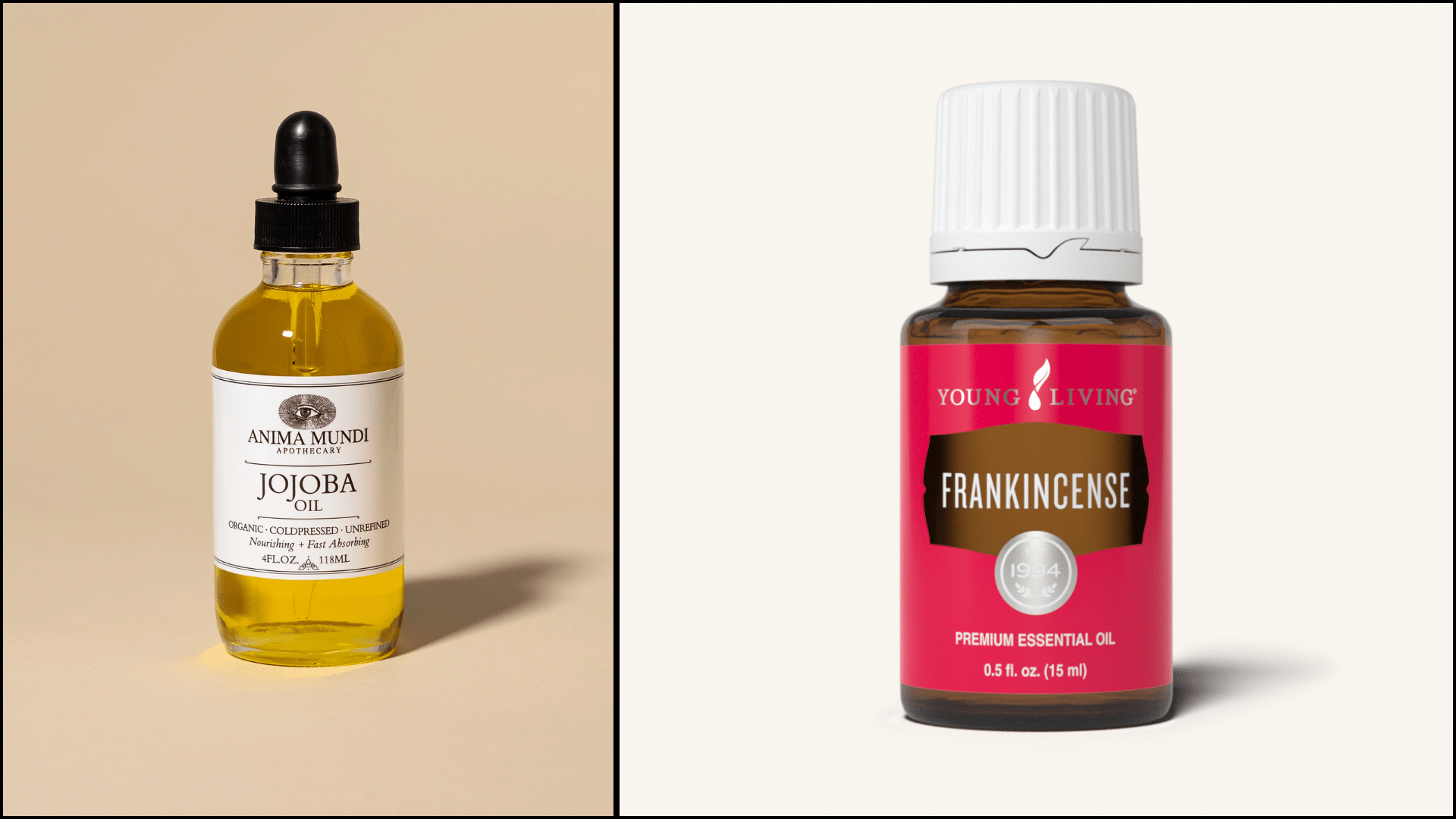
1. As a Night Serum
Source: Anima Mundi Herbals & Young Living Essential Oils
For this method, use the following steps:
- Step 1: Mix a few drops with a carrier oil like jojoba or almond
- Step 2: Apply before bed on clean skin
- Step 3: Massage gently using upward motions
Works best at night when the skin naturally repairs itself.
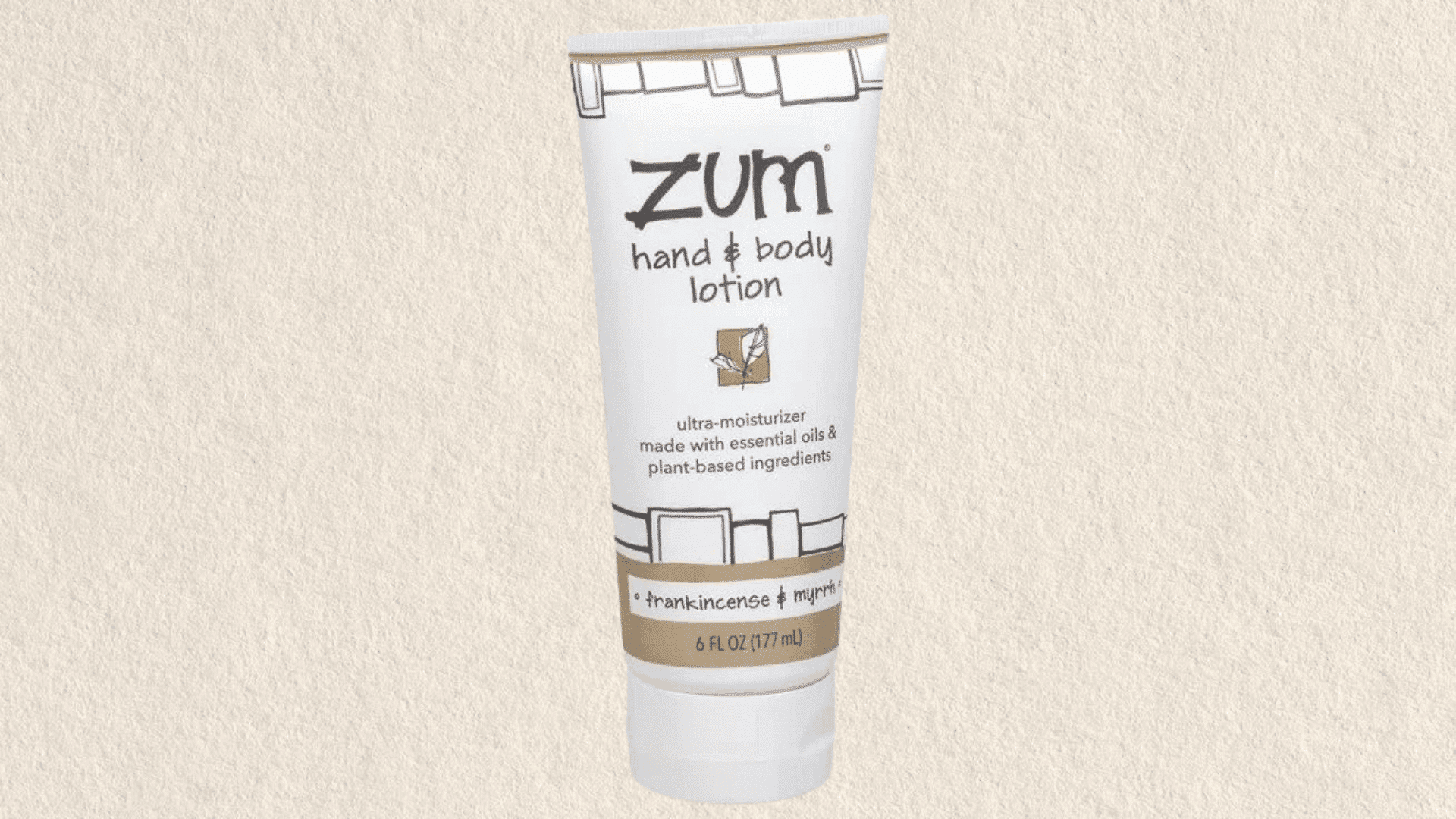
2. Add to Your Moisturizer
Source: Hy-Vee
For this method, use the following steps:
- Step 1: Mix 1 drop into your daily cream
- Step 2: Apply as usual after cleansing
A simple way to include it without changing the routine too much.
3. DIY Face Oil Blend
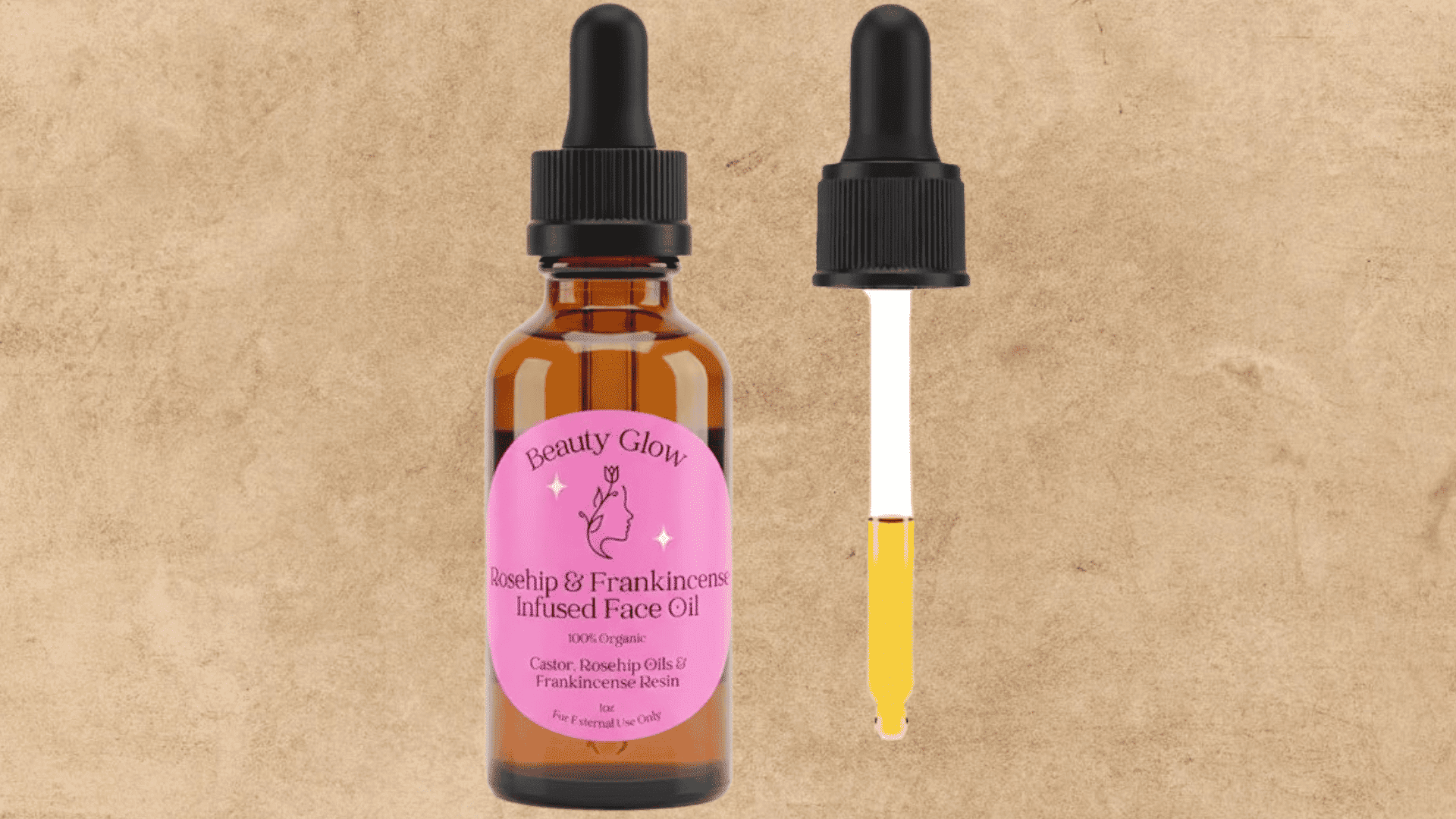
Source: Amazon.com
For this method, use the following steps:
- Step 1: Combine with oils like rosehip or argan
- Step 2: Store in a small dropper bottle
- Step 3: Use a few drops as a daily face oil
This creates a nourishing blend that supports hydration and smooth texture.
4. Spot Treatment for Fine Lines
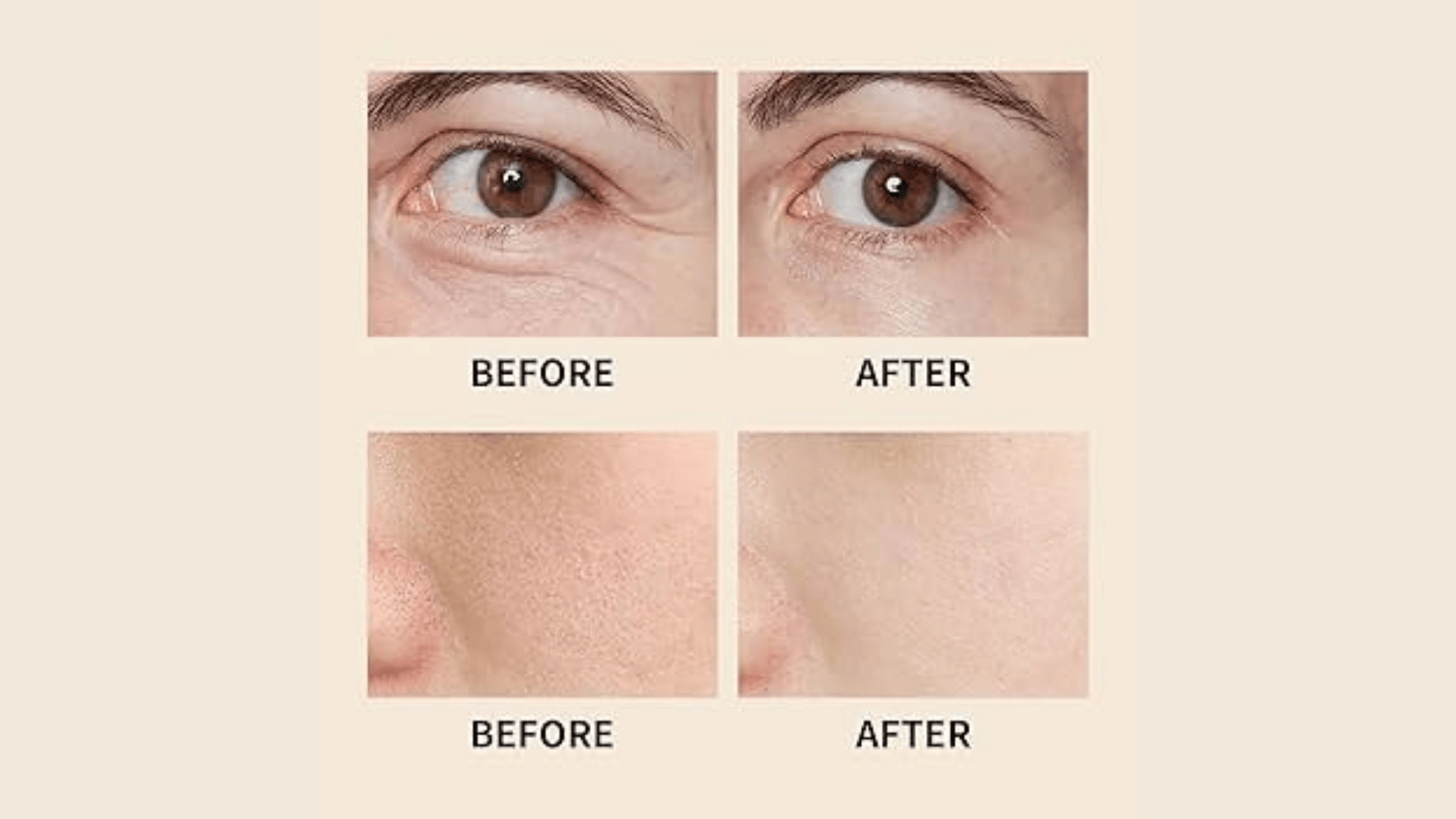
Source: Amazon.com
For this method, use the following steps:
- Step 1: Use a well-diluted mix
- Step 2: Dab lightly on areas like the forehead or around the mouth
Best used in small amounts to target specific areas.
5. Facial Massage Routine
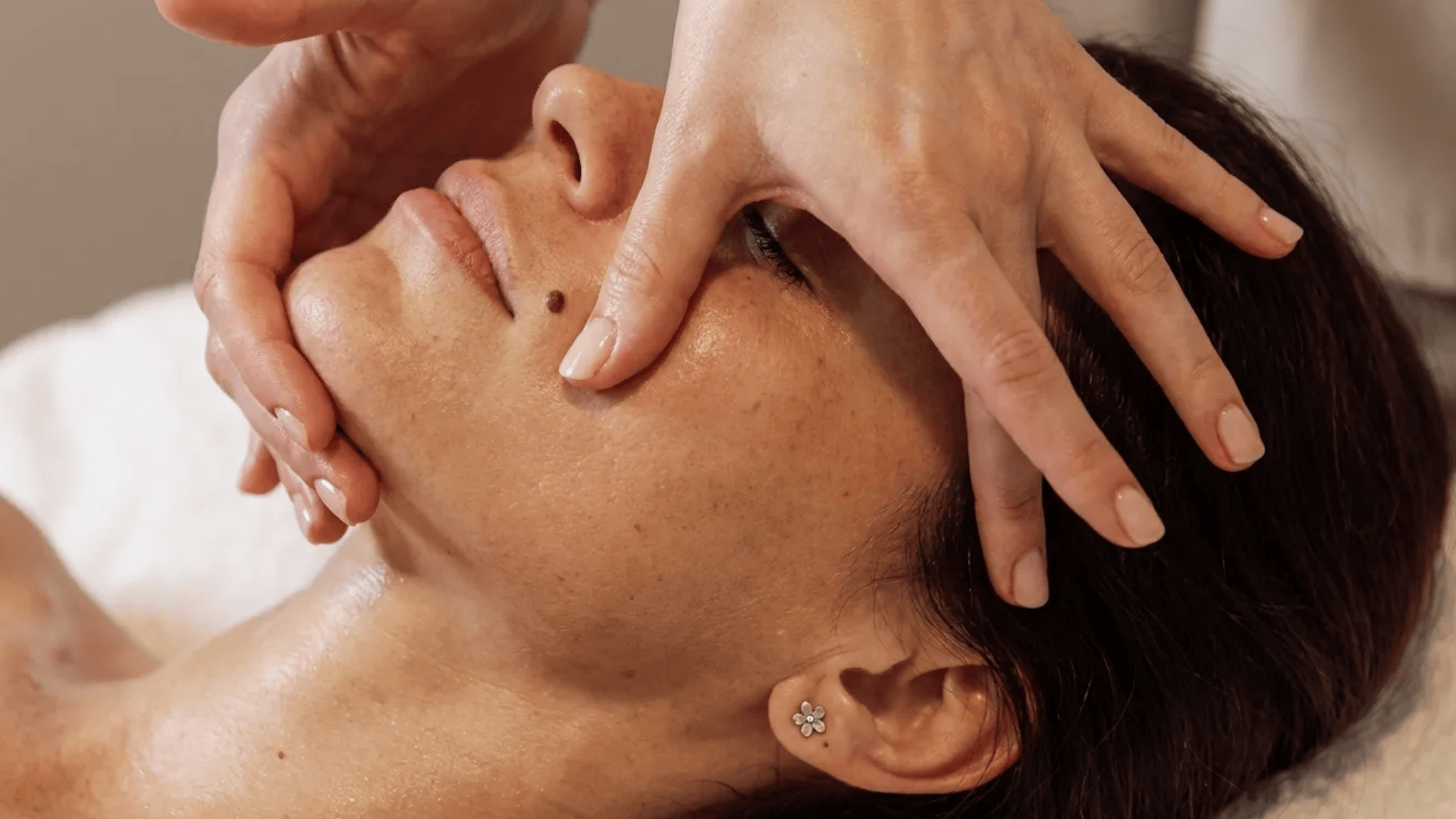
For this method, use the following steps:
- Step 1: Apply diluted oil before massage
- Step 2: Use light pressure and slow movements
Helps the oil absorb better while giving the skin a natural glow.
Best Time to Use Frankincense Oil for Results
Timing can help, but it’s not the main factor. What matters most is how consistently it’s used.
Nighttime works best since the skin naturally repairs itself while sleeping. Applying frankincense oil before bed gives it more time to absorb without interference from sun exposure or pollution.
Morning use is also fine, as long as the oil is properly diluted and followed with sunscreen. It can sit well under moisturizer and support a smooth base for the day.
In the end, regular use beats perfect timing. A simple routine followed daily will bring better results than switching things up too often.
How Often Should You Apply Frankincense?
Getting the frequency right makes a big difference in how your skin responds.
- Beginners: Start with 2–3 times a week so your skin can adjust without irritation
- Regular users: Once daily works well when your skin is comfortable with it
- Sensitive skin: Go slow, use it less often, and watch how your skin reacts
Consistency matters more than using it every single day. A steady routine usually gives better results than overdoing it.
Who Should Avoid Using Frankincense Oil On Face?
Frankincense oil is gentle for many, but not every skin type reacts the same way. A little caution goes a long way here.
- Very sensitive or reactive skin: Skin that easily gets red, itchy, or irritated may not handle essential oils well, even when diluted.
- Known essential oil allergies: Anyone with a history of reactions to essential oils should skip it or test under expert guidance.
- Undiluted application: Applying it directly on the skin can lead to irritation or burning. Always mix with a carrier oil.
- Pregnancy or medical conditions: It’s safer to check with a healthcare professional before adding it to a routine, especially during pregnancy or ongoing treatments.
A patch test is always a smart first step before full use.
How Long Frankincense Oil Takes to See Results?
Patience plays a big role here. Frankincense oil works gradually, so results build over time rather than overnight.
- Short-term: Skin may feel softer, calmer, and more hydrated within a few uses
- Mid-term (2–4 weeks): Texture can start to look smoother and more even
- Long-term: Fine lines may appear less noticeable with consistent use
Consistency matters more than speed. Regular use, along with a simple skincare routine, gives the best outcome.
Quick Routine You Can Follow Daily
Keeping things simple makes it easier to stay consistent. A short routine with the right steps can help the oil work better on your skin.
- Cleanse your face: Start with a gentle cleanser to remove dirt, oil, and buildup so your skin is ready to absorb the oil.
- Apply toner (optional): Use a mild toner to balance the skin and prep it for better absorption. Skip if your skin feels sensitive.
- Use diluted frankincense oil (2–3 drops): Gently massage the oil into slightly damp skin. Focus on areas where fine lines or uneven texture are more visible.
- Seal with moisturizer: Lock everything in with a light moisturizer to keep skin hydrated and soft throughout the day or night.
Consistency is key. A simple routine like this works best when followed regularly without overloading the skin.
Final Thoughts: Is Frankincense Oil Worth Trying?
Frankincense oil has earned its place in skincare for a reason. It’s simple to use, works across different skin types, and fits easily into a daily routine without adding extra steps.
With the right dilution and a bit of consistency, it can support smoother, calmer, and more balanced-looking skin over time.
The key is to keep things steady and not rush the process. Small, regular steps often bring the best results.
Got questions or tried it already? Drop a comment and share your experience. Curious to see how others are using it too? Scroll through and join the conversation.
Frequently Asked Questions
What Does Frankincense On The Bottom Of Your Feet Do?
Applying diluted frankincense oil to the bottom of the feet is a popular aromatherapy practice used to promote relaxation, ground emotions, and potentially soothe skin, thanks to its quick absorption into the bloodstream.
Is Frankincense Good For Your Fingernails?
Frankincense has a history of being used to promote nail growth.
Is Frankincense Better Than Retinol?
Retinol is a powerful synthetic or naturally derived Vitamin A that speeds up cell turnover, but it can be irritating for many. Frankincense offers a gentler, phyto-aromatic alternative that focuses on antioxidant protection and soothing inflammation.