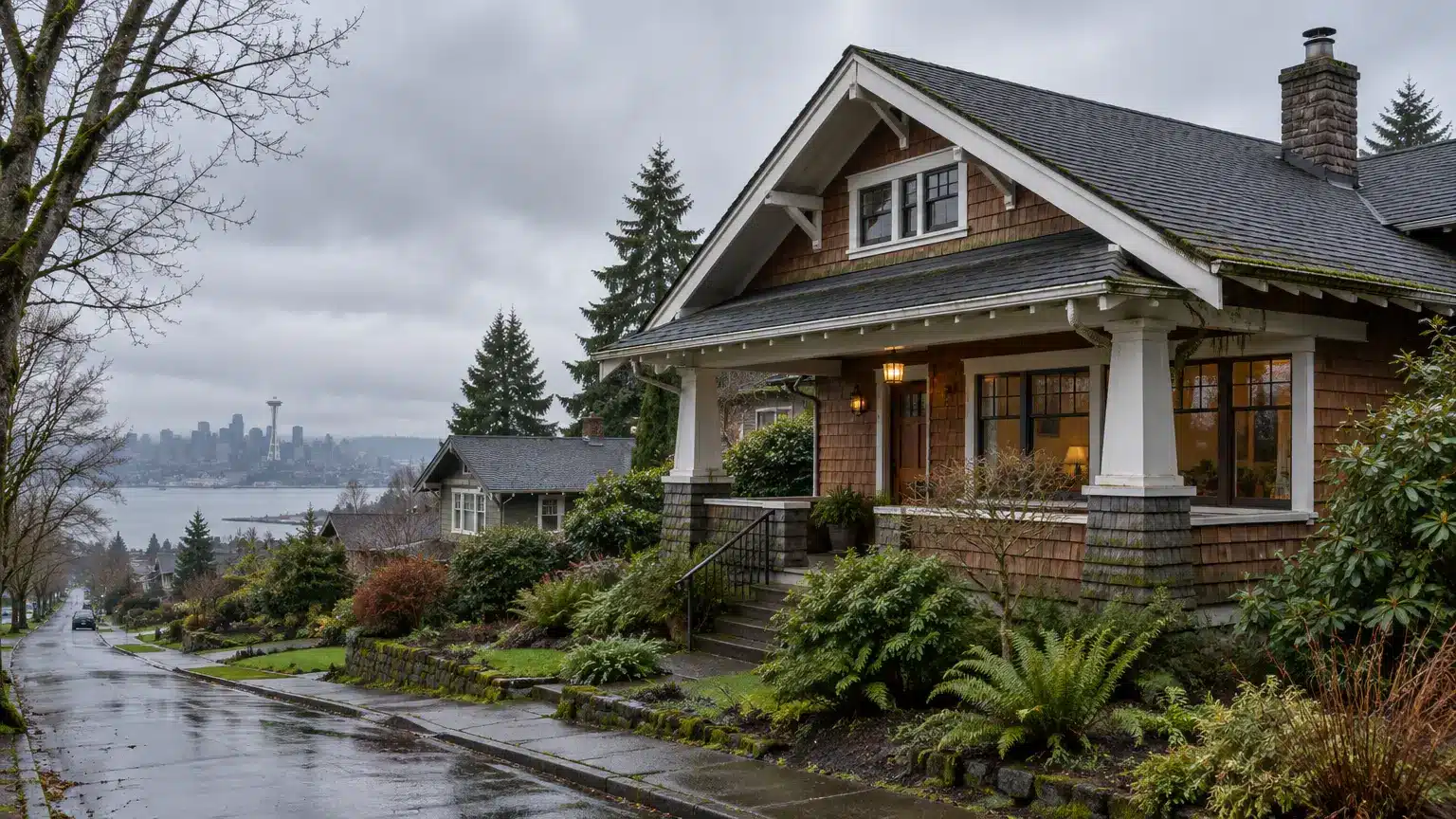
Roughly a third of everything a person sees from the street is roof. Not the walls. Not the landscaping. The roof. Yet most homeowners spend months choosing a front door color and ninety seconds thinking about shingles. I’ve watched this pattern play out in my own neighborhood again and again, and it usually ends with someone standing on the sidewalk, squinting at their house, and saying, “Something looks off and I can’t figure out what.”
It’s almost always the roof. The good news is that this is one of the few design decisions you can’t really get wrong. Understand how roof mass, color, and pitch interact with the rest of your exterior, and you’ll make a choice you’re happy with for the next thirty years.
Why the Roof Dominates Your Home’s First Impression
Stand back from your house and do this: blur your eyes until details disappear. What’s left is a set of shapes. The roof is the largest and highest of them, and it controls how the whole house reads from a distance, before anyone registers your siding or your shutters.
A steep, complex roofline with multiple dormers reads as traditional and a little formal. A low-slung hip roof reads as calm and horizontal. A flat or nearly flat roof on a modern build reads as intentional and crisp. None of these is better than the others. The problem starts when the roof’s personality disagrees with the rest of the house, and that mismatch is what makes people feel uneasy without knowing why.
Roof color also sets the background for everything else. A dark charcoal roof makes white trim pop and makes a warm brick facade look richer. A light gray or tan roof softens a house with dark siding and keeps it from feeling heavy. Pick the roof first, then choose trim, siding, door color, and shutters around it. Most people do it backwards.
The Four Decisions That Actually Matter
Everything else is noise. Focus here.
- Mass. How much visual weight does the roof carry from the street? A big, dark, steep roof sits heavy on a small house. The same roof on a wide two-story home feels balanced.
- Line. Are the roof’s edges horizontal, or does the roofline zigzag? Clean horizontal lines feel more modern. Broken, gabled lines feel more traditional.
- Color value. Not the specific hue so much as how light or dark it is. That’s what determines contrast with the rest of the exterior.
- Texture. Smooth metal reflects light. Architectural shingles absorb it and add shadow. Cedar shakes look almost thatched. Texture changes how a roof behaves in different weather and different seasons.
If you get mass and value right, almost any material works. If you get those two wrong, no material saves the design.
Does a Metal Roof Really Work on a Traditional Home?
Yes, and this is where a lot of design advice gets lazy. Standing seam metal on a Craftsman bungalow can look fantastic when the color is matte and dark and the roof pitch isn’t too steep. It looks wrong when it’s bright silver and reflective on a house with decorative brackets and wide eaves, because the metal is competing with the trim for attention.
The general rule I follow: the more architectural detail a house has, the quieter the roof should be. Ornate houses need plain roofs. Plain houses can carry a roof with more visual interest. Standing seam metal in matte charcoal on a plain modern box is a great pairing. The same roof on a Victorian would be a disaster.
What Seattle’s Climate Changes About the Design
Local weather matters more than most homeowners expect, and it’s worth checking the forecast patterns where you live before you commit. According to the National Weather Service, the Pacific Northwest sees more cloudy days and long stretches of steady moisture than most of the country. That has two design consequences.
First, colors look different here. A warm brown shingle that looks rich in California can look muddy and flat under gray skies for eight months straight. If you’re choosing between two options at the sample stage, hold both samples against the house on an overcast afternoon, not a sunny one. Trust me on this one.
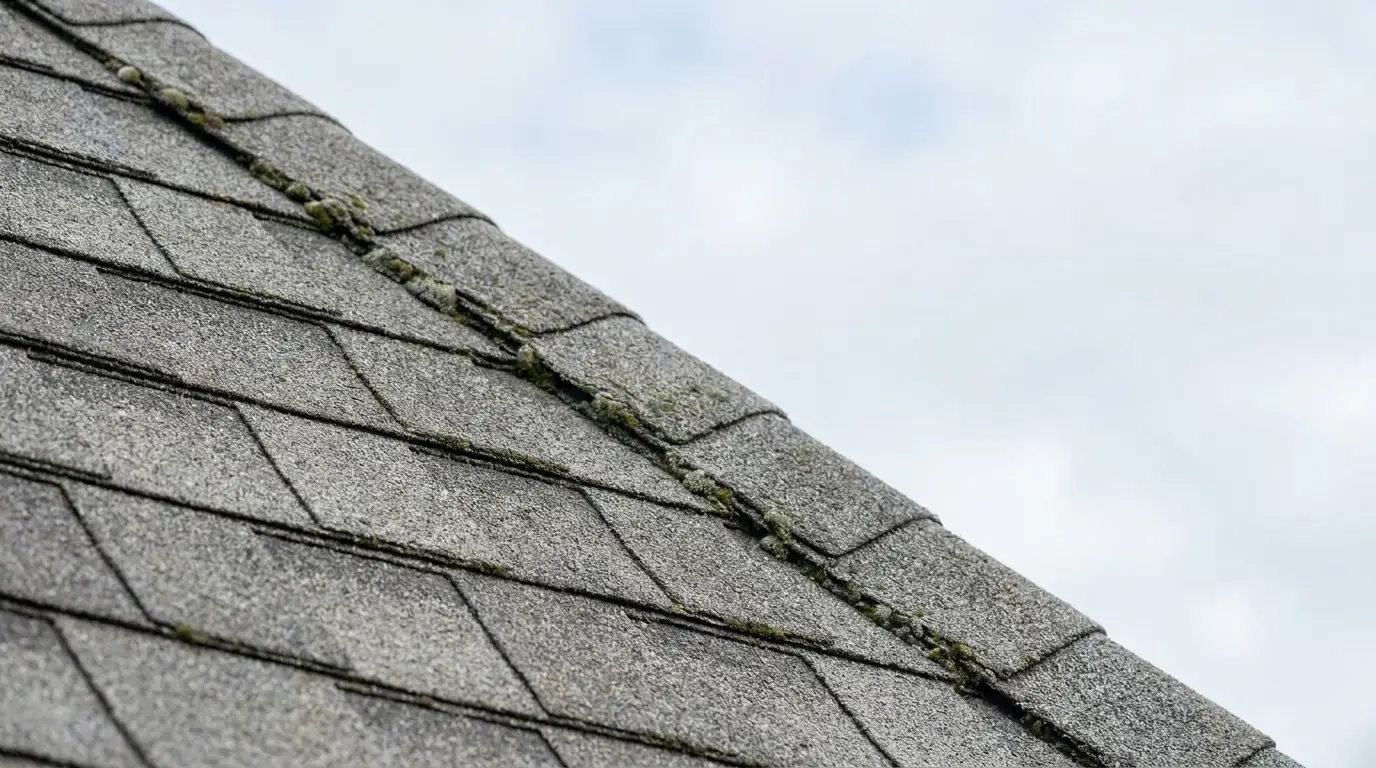
Second, texture shows up more than color. Moss, algae streaking, and water shadows are visible almost year-round, and smooth surfaces show them more obviously than textured ones. A slightly textured shingle in a medium tone hides more than a very smooth dark shingle ever will. That’s a real design tradeoff, not just a maintenance one.
The RoofFrame Method for Picking a Direction
I’ve used this loose framework with friends and neighbors enough times that it’s earned a name. Four steps, in order:
- Walk three streets. Find five houses you like the look of, and five you don’t. Don’t guess at why. Write down one word per house. Dark. Heavy. Clean. Busy. Whatever comes to mind.
- Match your own house to the “liked” list. Which of those five houses looks most like yours in shape and size? That’s your reference, not the other four.
- Steal the value, not the color. Copy the light or dark value of the reference roof, then pick a color that fits your siding, climate, and personal taste. This is the step everyone skips.
- Sleep on it for a week. Look at the sample against your house at three different times of day. If you still like it on a Tuesday morning with no coffee in you, you’re done deliberating.
Every person I’ve walked through this landed on a choice within two weeks instead of two months. The framework works because it forces the decision into the right sequence, mass and value before color and material.
The Conversation You Should Actually Have
When you talk with whoever’s going to do the work, the conversation isn’t only about price and warranty. Request samples you can take home. Ask which materials they’ve installed most often on houses shaped like yours. Ask how each option looks after ten years of local weather, not how it looks fresh out of the box. Good contractors have opinions and can back them up with photos of past jobs nearby.
Once a project crosses a certain size, it’s not a cosmetic purchase anymore. According to the U.S. Department of Housing and Urban Development, home improvements of this scale are a significant investment for most American households, and that’s a reminder to treat the decision with the weight it carries. The shingles on your roof are the single largest visual element on the front of your house for the next few decades.
For Seattle homeowners specifically, that conversation usually means working with roofers seattle who deal with moss, rain, and gray skies as a matter of course, not as an occasional complication.
Energy Bills and the Roof You Can’t See
Here’s the part that won’t show up from the curb: underlayment, ventilation, and insulation. They’re invisible, they’re boring, and they affect how comfortable your house actually feels. According to the U.S. Department of Energy, a properly insulated and ventilated roof system plays a meaningful role in keeping a home’s indoor temperature stable throughout the year. Curb appeal and comfort usually agree on the same choice, which is convenient. A well-built roof with good attic ventilation will also last longer and look better longer, since trapped heat and moisture are two of the main reasons roofs age faster than they should.
What to Do This Weekend
Walk out to the sidewalk. Take a photo of your house straight on. Then take the same photo of the five homes on your street you like most. Compare the roof value and mass side by side. That’s it. You don’t need an appointment, a catalog, or a salesperson to start. You just need ten minutes and a phone.
Your roof has been making a first impression on your behalf every single day, whether you chose it or not. This is your chance to choose.