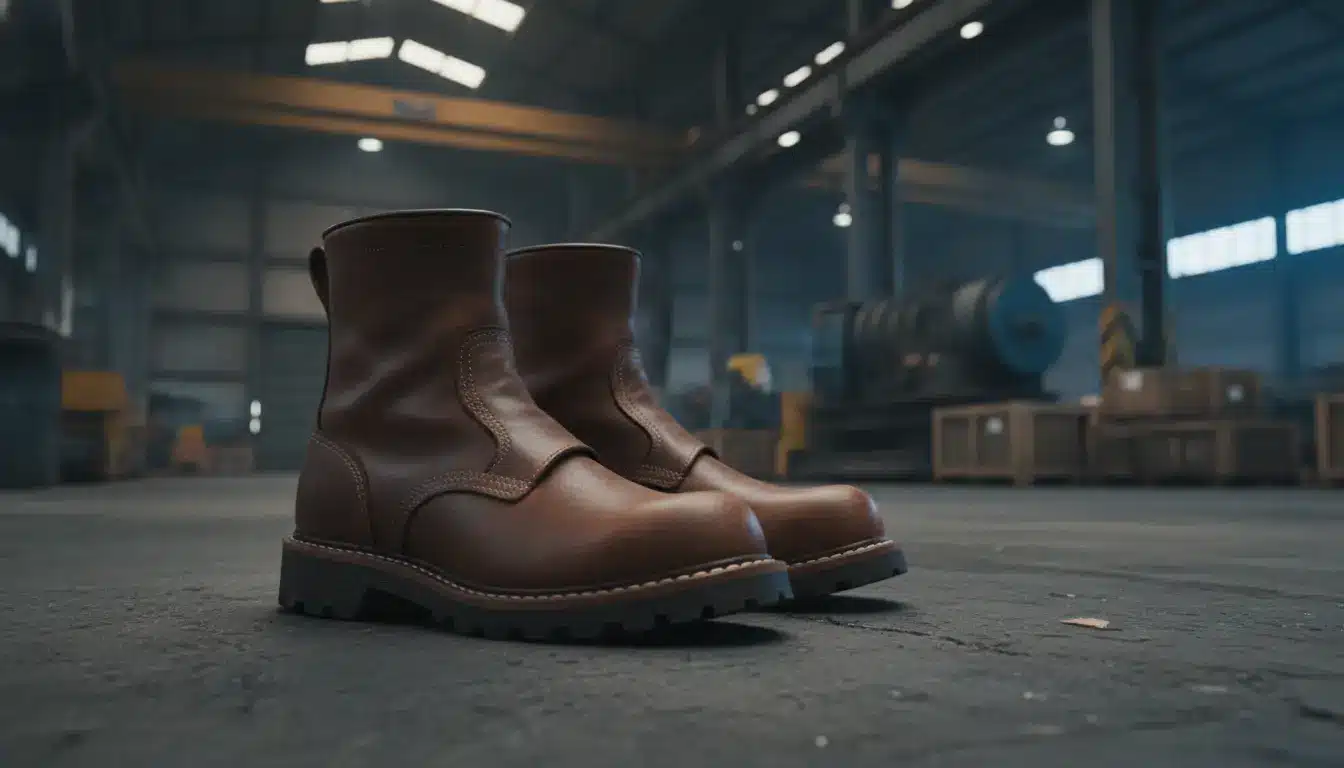
If you like to go to another country or work outside in bad weather, then buying good footwear is vital. Tough rubber boots protect your feet from mud, water, and uneven ground, making activities comfortable. Choosing the wrong pair of boots can mean painful blisters and rubber cracking fast.
Many buyers select boots based on a low price tag, without regard for the quality of the rubber. When you learn about the process of rubber boots, you can choose shoes that provide waterproofness. This blog shares some five mistakes to avoid when choosing reliable outdoor rubber boots.
1. Misjudging Rubber Vulcanisation and Cheap Synthetic Blends
One of the most common mistakes made when buying outdoor boots is not realising that flexible rubber is not the same as cheap synthetic plastic compounds. Synthetic plastic boots crack in cold weather, lack any flexibility of movement and deteriorate quickly when exposed to mud and sunlight. Choosing handmade shoes, such as wellies made of natural rubber, provides water resistance and lasting flexibility.
Quality material checks for long-lasting boots:
- Vulcanised Natural Rubber: Ensures boots use high-density, flexible natural rubber that resists surface cracking
- Multi-Layer Reinforcement: Features extra rubber layers across toe caps and heel beds to withstand heavy impacts
- UV and Mud Resistance: Prevents rubber degradation caused by exposure to mud, agricultural fertilisers, and sunlight
2. Choosing the Wrong Lining for Your Local Climate
Selecting rubber boots without adequate lining material leads to frozen toes in winter and excessive sweat during summer months. Unlined or under-insulated rubber boots provide zero thermal regulation, allowing the freezing temperature of mud and water to transfer directly to your feet. Choosing a lining suited to your local climate and activity level ensures optimal breathability, warmth, and all-day comfort.
Boot linings categorised by climate suitability:
- Neoprene Insulation: Delivers exceptional heat retention and cushioning, keeping feet warm in freezing winter weather
- Moisture-Wicking Cotton: Provides breathable comfort during mild spring and summer rainy weather
- Fleece and Thermal Linings: Offers plush internal comfort and extreme cold protection during winter outdoor work
3. Overlooking Outsole Tread Design and Ground Traction
Don’t just focus on boot styling and ignore the outsole tread design for slip and fall prevention. The smooth outsole treads slide easily on wet clay, muddy slopes, icy paths and wet grass. Look at the tread pattern and make sure it has deep lug grooves that bite hard into soft ground. Self-cleaning tread patterns push mud away as you walk, maintaining solid traction and foot stability on slippery terrain.
Tread features that ensure solid stability:
- Deep Lug Grooves: Digs firmly into soft mud and wet soil to prevent dangerous slips on countryside slopes
- Self-Cleaning Channels: Releases trapped mud and gravel naturally as the sole flexes during walking steps
- Heel Brake Cleats: Delivers strong stopping traction when walking down steep, wet, grassy hills or muddy paths
4. Getting the Size Wrong and Ignoring Calf Fit
Purchasing rubber boots in your standard shoe size without accounting for thick winter socks frequently leads to painful toe cramping. Conversely, oversized boots allow excessive foot movement, causing friction blisters during long walks. Trying on rubber boots while wearing your preferred thick outdoor wool socks ensures sufficient room in the toe box while maintaining a snug, secure fit around the heel.
5. Neglecting Routine Rubber Cleaning and Conditioning
Leaving wet mud, farm chemicals, or salt on rubber uppers causes the natural material to dry out, stiffen, and crack prematurely. Rinse mud off your boots using clean water after every outdoor walk, and store them away from direct heat radiators. Applying specialised rubber conditioning spray regularly preserves rubber elasticity, prevents white blooming marks, and keeps your boots looking brand new.
Invest in Quality Waterproof Footwear
Avoiding these five mistakes will guarantee that your outdoor footwear will provide you with long-lasting comfort and dependable waterproof protection. For best outdoor performance, you should go for natural vulcanised rubber, then choose seasonal linings to ensure a good fit. Good boots keep your feet warm so you can enjoy walking in the countryside and working outdoors whatever the weather.