
Whether you’re a fashion photographer heading to a remote desert shoot, a beauty influencer traveling for a destination wedding, or a digital nomad moving your entire editing studio across Europe, traveling with high-end gear is incredibly stressful.
One bad bump on the tarmac, a sudden downpour on set, or a single leaky bottle of product in your luggage can cost you thousands of dollars—and ruin your shoot before it even begins.
To help you navigate your next location project stress-free, we’ve put together an expanded, definitive guide on how to pack, organize, and protect your creative assets like an absolute industry pro.
1. The “Russian Doll” Method for Fragile Glass
If you are traveling with high-end camera lenses, delicate drone sensors, or glass beauty bottles, never let them touch the outer walls of your luggage. The exterior walls of soft bags absorb and transfer kinetic energy directly to whatever touches them. Instead, use the “Russian Doll” nesting technique to isolate your items:
- The Primary Layer: Wrap individual items in a tight, protective skin. Microfiber cloths prevent scratching, while neoprene sleeves offer basic shock resistance.
- The Secondary Core: Place the wrapped items into a rigid, structured compartment—such as a dedicated camera cube or hard-sided organizer partition.
- The Perimeter Buffer: Ensure there is a buffer zone of at least two to three inches of dense padding (like rolled-up clothing, foam inserts, or bubble wrap) between that inner compartment and the exterior frame of your bag.
This multi-tiered system ensures that if your bag drops, the energy dissipates through the layers before ever reaching your fragile glass.
2. Upgrade to Industrial-Grade Security
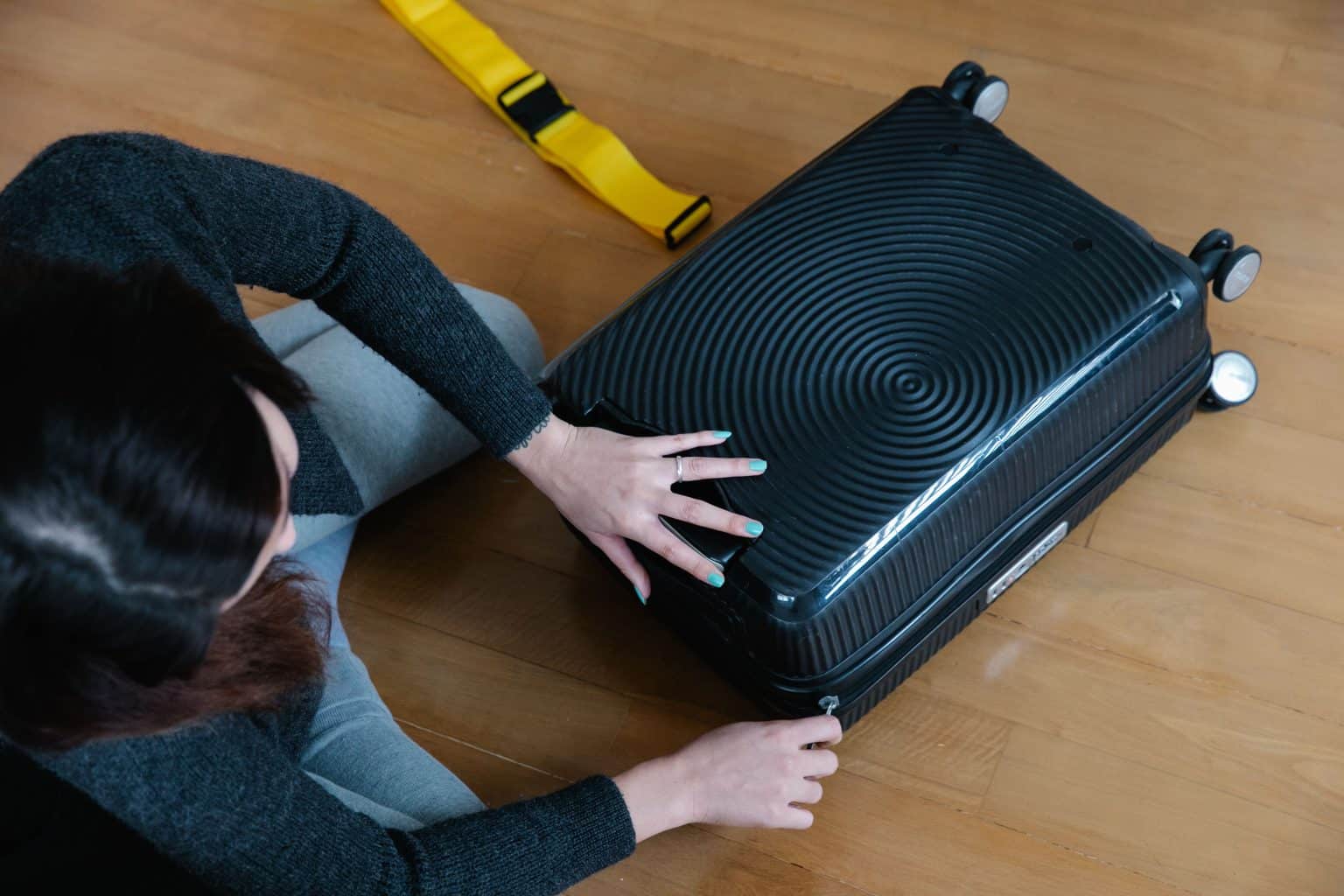
While a designer canvas weekend bag or a sleek leather backpack looks great walking through the airport terminal, it offers zero structural defense against a careless baggage handler, a bumpy off-road transit van, or a sudden tropical downpour on set.
Creative professionals who travel frequently know that soft luggage is an expensive gamble. Soft bags compress under pressure, meaning the weight of other suitcases stacked on top of yours rests directly on your fragile equipment.
Pro Tip: For high-stakes travel, switch out your lifestyle luggage for specialized hardware. Investing in a heavy-duty, foam-lined Flight Case guarantees that your cameras, lighting rigs, and delicate tech arrive completely intact in cargo holds, tight pack-outs, and unpredictable outdoor environments.
3. Customize Your Internal Foam Layout
Don’t just throw your gear into an open box and hope for the best. Items shifting, sliding, and colliding inside your bag during travel cause just as much internal damage as external drops.
- Utilize Pick-and-Pluck Foam: High-quality cases utilize customizable pre-scored foam. Instead of forcing your gear to fit into pre-made square slots, pluck out the exact silhouette of your camera body, lenses, external hard drives, or external monitors. This cradles each item firmly in place.
- Isolate Accessories: Keep heavy items, such as V-mount batteries or light stands, completely separate from fragile electronics. A loose metal battery rolling around inside a bag can easily crack a camera screen or dent a lens barrel.
- The Snug Test: Once everything is packed, close the lid and give your case a gentle shake. If you hear or feel anything shifting, shifting weight, or sliding inside, you need to add more foam inserts or filler padding. Everything should be perfectly immobile.
4. Safeguard Against Moisture, Dust, and Air Pressure
Physical impact isn’t your only enemy on location; environmental factors can be just as deadly to electronics. Fine dust entering a camera sensor can ruin an entire day of shooting, and ambient humidity can cause sensitive circuit boards to short-circuit.
- Toss in Silica Gel Packets: Condensation forms easily when moving your gear from a cold, air-conditioned hotel room to a humid, hot outdoor set. Always toss three to four heavy-duty silica gel packets into your gear compartments to absorb ambient moisture and prevent lens fogging.
- Check for Weatherproof Gaskets: Look for protective cases that feature continuous rubber gaskets or weatherproof seals. This is a non-negotiable step if your creative work takes you to beaches, deserts, or marine environments.
- Utilize Pressure Equalization Valves: If you are flying with airtight cases, high-altitude cabin pressure changes can create a vacuum seal, making it nearly impossible to crack your case open upon landing. Ensure your hard case has an automatic pressure equalization valve to balance air pressure while remaining completely waterproof.
5. Label for TSA (Without Inviting Theft)
If you are flying with heavy gear or complex wiring setups, airport security will likely flag your bags for a physical inspection. How you pack dictates how neatly the security officers put your gear back together.
- The “Fragile Tech” Note: Place a clear, polite, laminated note right on top of your gear the moment the case is opened. It should read: “Fragile Professional Equipment. Please Handle with Care when Inspecting. Please ensure items are placed back into their custom foam slots.”
- Keep a Visual Inventory: Tape a printed photo layout of how the gear should look inside the case to the inner lid. This gives TSA agents a quick visual blueprint for properly repackaging your case if they take things out.
- Maintain a Discreet Exterior: Avoid external branding or flashy luggage tags that scream “Expensive Brand Inside!” Keep the exterior of your cases minimalist, rugged, and completely unbranded. A scuffed, industrial exterior looks like standard utility gear to a passerby, making it far less attractive to potential thieves than a luxury logo.
The Bottom Line
Your creative gear is the lifeblood of your business, your art, and your livelihood. By taking the extra time to isolate your items, weatherproof your setup, and utilize heavy-duty transit cases, you remove the anxiety of travel. Don’t leave your livelihood to chance—pack defensively so you can focus entirely on what actually matters: capturing the perfect shot.