


From small Liverpool venues to global stadium tours, Paul McCartney built a career that reached far beyond record sales and chart success.
Paul McCartney net worth reflects songs that still earn through streaming, radio, licensing, and public performances, alongside major touring income and valuable music rights.
His wealth did not come from one short period of fame. It grew through decades of Beatles, Wings, and solo work, with each new release, tour, and licensing deal adding to his financial position.
This breakdown explains how Paul McCartney turned a long-running music career into an estimated billion-pound fortune.
Paul McCartney Net Worth at a Glance
Sir Paul McCartney’s net worth is estimated at £1.055 billion, roughly $1.4 billion, on the Sunday Times Rich List 2026, placing the former Beatle among the world’s wealthiest musicians and firmly within billionaire territory. US outlets and Forbes typically put the figure closer to $1.2 billion to $1.3 billion, depending on how catalog and property values are counted.
His fortune comes from more than classic record sales. Songwriting royalties, music publishing, Beatles projects, solo work, touring, property, and licensing deals create income that can continue with every stream, radio play, ticket sale, and media use.
What makes Paul McCartney’s wealth stand out is its long-term consistency. His financial position has remained near the top of music-industry rankings for decades, and he is regularly named the richest musician in the UK.
The story behind the figure is time and ownership. More than 60 years of songs, performances, and valuable assets have built a lasting income base, with each era adding to the value of the one before it.
How Paul McCartney Built His Billion-Dollar Income Streams
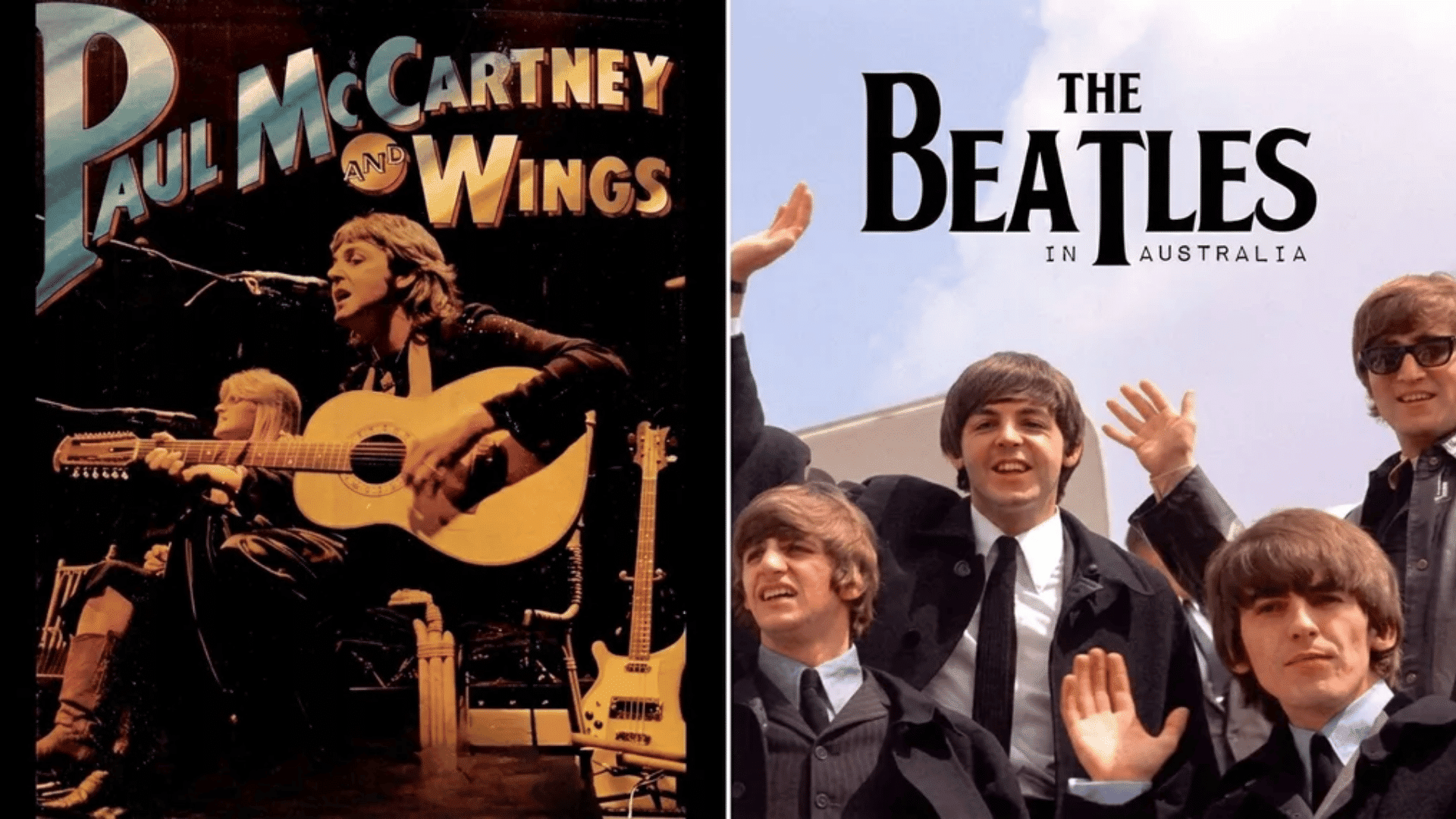
Paul McCartney’s fortune isn’t built on a single hit or one golden era; it’s layered across decades of music, touring, and smart asset ownership. What makes his wealth stand out is how each phase of his career still earns today, long after the original work was released.
1. The Beatles Legacy That Still Pays
The Beatles catalog continues to act like a financial engine that never really switches off. Songs like Hey Jude and Yesterday still generate steady royalties every time they are streamed, played, or licensed.
Publishing rights add another layer of long-term income, especially as global streaming expands reach into new audiences daily. On top of that, Beatles tracks are constantly reused in films, advertisements, and documentaries, keeping the catalog commercially active across decades.
2. Wings and Solo Career Earnings
After The Beatles, McCartney didn’t slow down; he rebuilt his career with Wings and a strong solo catalog that still performs well financially today.
Wings-era hits continue to earn from radio play and streaming, while his solo albums bring in consistent revenue supported by a loyal global audience. This phase also strengthened his independence as an artist, proving his success wasn’t tied to just one band or era.
3. Touring Powerhouse Revenue
Live performances have been one of the most direct and powerful contributors to his wealth. His tours regularly draw massive crowds across continents, turning concerts into high-value global events.
His 2024 Got Back world tour ran more than 60 international shows and added an estimated £25 million to his 2025 total, showing how a single touring cycle can move the needle. Stadium-level demand remains strong because audiences span multiple generations, keeping ticket sales consistently high.
4. Business Assets and Investments
Beyond music, McCartney’s financial profile includes a quiet but powerful portfolio of assets. His real estate holdings span multiple countries, adding long-term stability and value growth.
He also owns a significant art collection, with pieces that appreciate over time rather than fluctuate with trends. Combined with diversified investments, these assets help balance income beyond touring and royalties, strengthening his overall net worth foundation.
Why Paul McCartney’s Net Worth Changes When Reported in Pounds
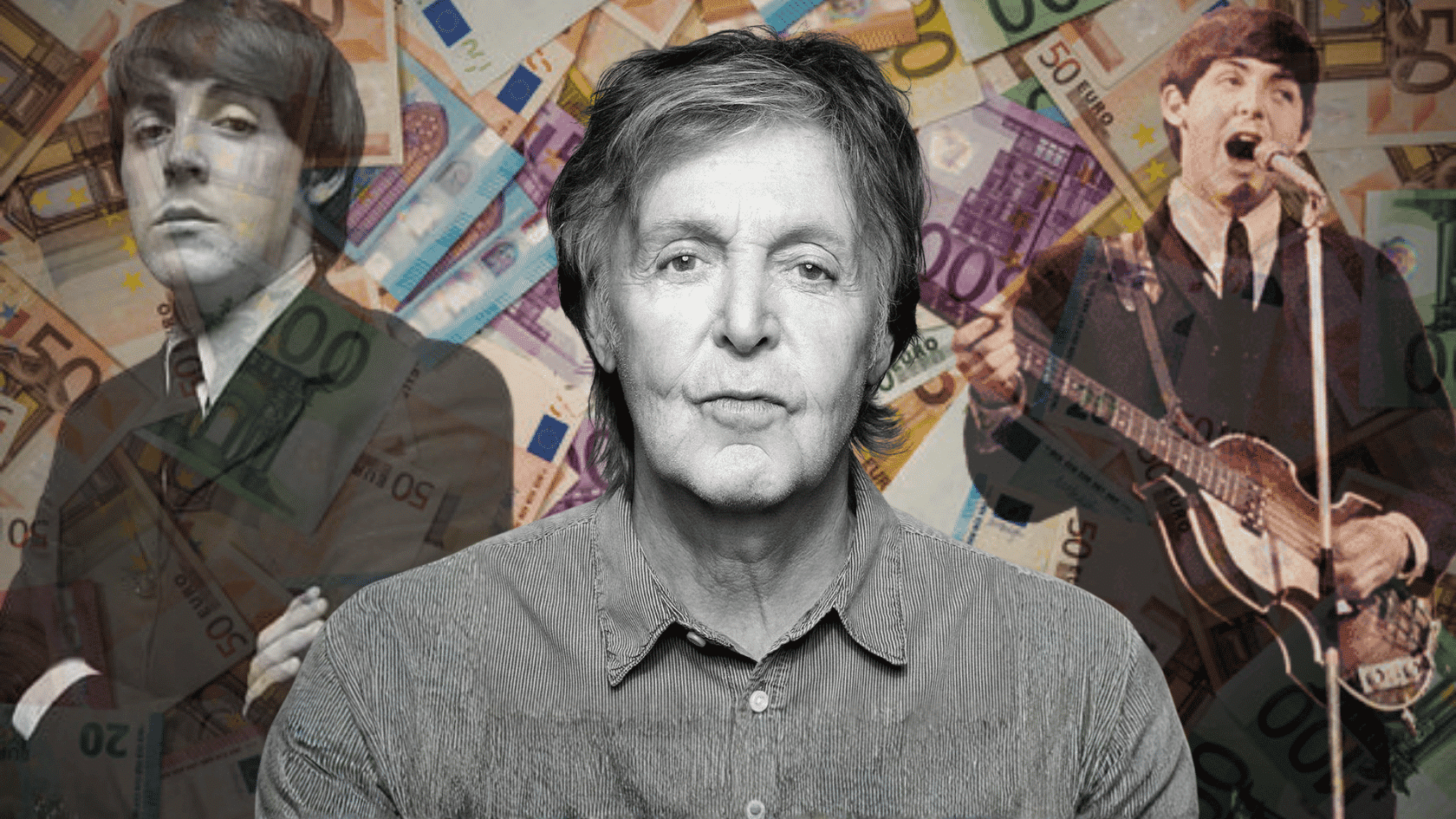
Paul McCartney’s net worth is reported at £1.055 billion on the Sunday Times Rich List 2026, up from £1.025 billion in 2025. It reflects the combined value of his music rights, royalties, property, investments, and other known assets, not a confirmed cash total.
His songwriting catalog is a key source of value. Beatles, Wings, and solo songs still earn through streaming, radio play, sales, public performances, merchandise, documentaries, and licensing for television and advertising.
US outlets often convert this pound-based estimate into dollars, placing his wealth at roughly $1.3 billion to $1.4 billion.
That total can change with the pound-to-dollar exchange rate, even when his assets remain steady. Changing catalog, property, and investment values can also affect the reported estimate.
Timeline of Paul McCartney’s Earnings
Paul McCartney’s wealth didn’t appear overnight; it grew steadily across different phases of his career, each adding a new income layer to his financial story.
|
1960s: The Beatles Breakthrough Era This is where the foundation was laid.
|
↓
|
1970s: Post-Beatles Transition & Wings Rise A critical reinvention phase that kept the income flowing.
|
↓
|
1980s–1990s: Solo Stability & Global Expansion A period of consistent, diversified earnings.
|
↓
|
2000s: Touring Boom & Legacy Monetization This era significantly accelerates earnings.
|
↓
|
2010s: Streaming Era Growth Digital transformation boosts catalog value.
|
↓
|
2020s–2026: Legacy Wealth Era A mature phase where income is driven by legacy power.
|
How He Compares to Other Legends
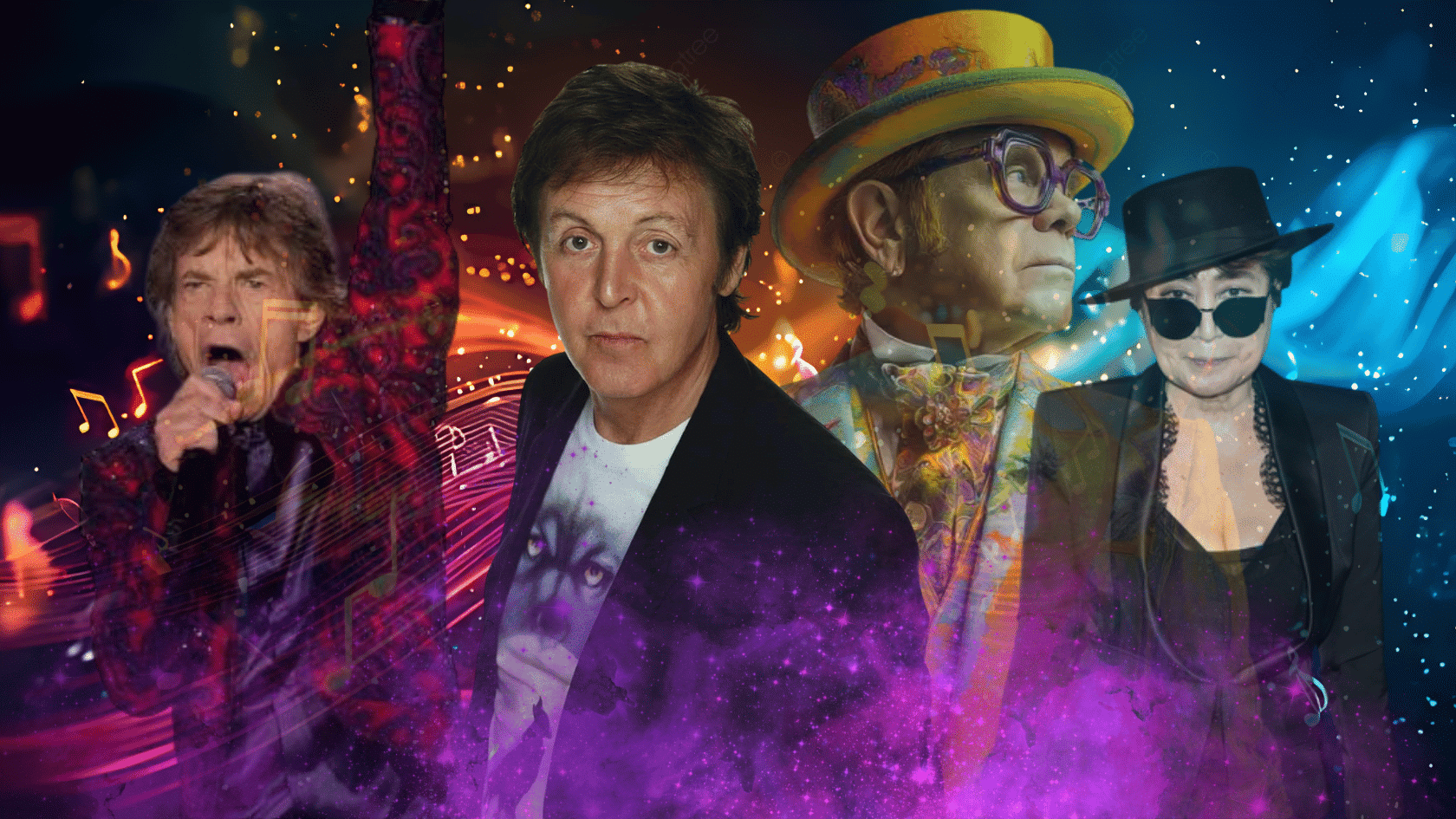
Paul McCartney’s reported wealth puts him in a category few musicians reach. His long-running solo career matters, but the lasting value of Beatles songwriting, publishing, touring, and licensing helps explain why his figure is so far ahead.
The figures below come from the Sunday Times Rich List 2026.
| Music Legend | Reported Net Worth | Compared With Paul McCartney | Main Wealth Drivers |
|---|---|---|---|
| Paul McCartney | £1.055 billion | Britain’s richest musician and the benchmark. | Songwriting, publishing, touring, royalties, licensing, property |
| Elton John | £480 million (approx.) | McCartney is worth more than twice as much. | Touring, music sales, royalties, stage and film work, property |
| Mick Jagger | £450 million (approx.) | McCartney’s estimate is over twice as high. | Rolling Stones tours, royalties, publishing, licensing, investments |
| Yoko Ono | Around £400 million | McCartney’s reported wealth is much higher. | Art, property, investments, Lennon estate-linked assets |
The gap reflects the lasting value of Beatles songs, ownership interests, and McCartney’s commercially active solo career, not fame or ticket sales alone.
Financial Shift Details and Future Outlook
Paul McCartney’s net worth has increased steadily over the past few years, crossing the billionaire mark in 2024 and continuing to rise into 2026.
- Reason for the Shift: He became the UK’s first billionaire musician in 2024, a milestone the Sunday Times credited to his longevity, cross-generational appeal, the Got Back world tour, and a royalty boost from Beyoncé’s cover of his song Blackbird on Cowboy Carter.
- Ownership, Not a Sale: Contrary to some online claims, McCartney did not sell his catalog. He spent years reclaiming US publishing rights to Beatles songs through a 2017 settlement with Sony/ATV, with reversions rolling in through 2026.
- Current Scenario: The Sunday Times Rich List placed his 2025 net worth at £1.025 billion and his 2026 figure at £1.055 billion; Forbes and Billboard estimate his 2026 fortune between $1.2 billion and $1.4 billion.
- Ongoing Income Sources: Beatles streaming, licensing deals, selective touring, and his real estate and MPL Communications holdings keep adding steady value.
Barring major changes in music rights ownership or the economy, McCartney’s net worth is expected to keep climbing gradually, keeping his place as music’s wealthiest living artist.
Conclusion
Paul McCartney net worth story is less about sudden success and more about momentum that never really stopped.
Very few artists see their early work still shaping global earnings decades later, while also adding fresh value through live shows and ongoing demand.
It’s a rare mix of cultural relevance and financial structure that keeps compounding over time. If anything stands out, it’s how different eras of his career continue to work together instead of replacing each other.
That overlap is what keeps his position so steady at the top end of music wealth.
What part of his income journey surprised you the most: The Beatles catalog, touring power, or long-term rights earnings? Drop your thoughts in the comments!
Frequently Asked Questions
Is Paul McCartney’s Net Worth Mostly Cash?
No. Paul McCartney net worth is largely tied to assets, including music rights, property, investments, art, and future royalty income. It is not the same as money held in a bank account.
Does Paul McCartney Own All Beatles Music Rights?
No. Beatles rights are divided across songwriting, publishing, and master recordings. McCartney holds or controls some songwriting interests, while other rights are managed by publishers, labels, and shared agreements.
Does Paul McCartney Earn From Cover Versions of His Songs?
Yes. When other artists record a song he wrote or co-wrote, the composition can earn publishing royalties. The amount depends on the licensing terms, usage, and commercial reach of the release.