
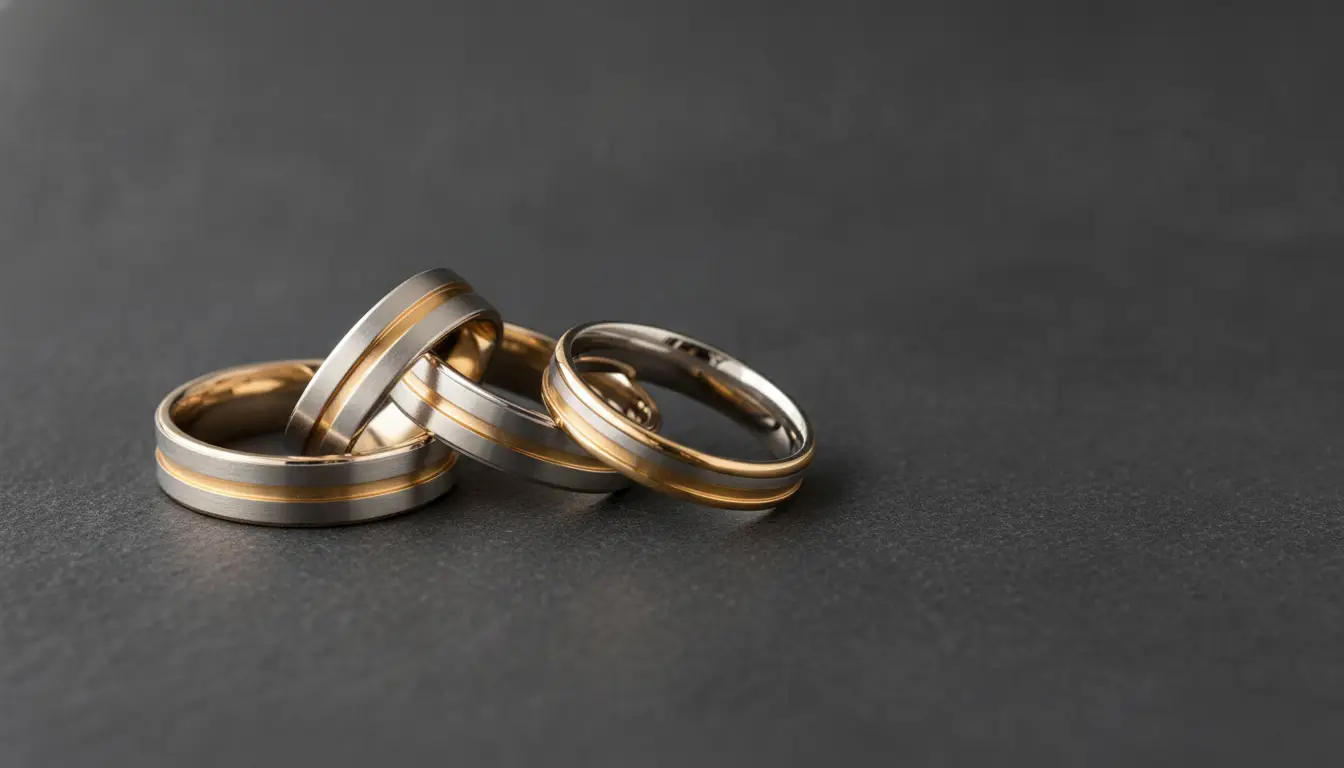
Jewelry buyers have shifted away from single-finish bands in recent years. A ring now carries style, symbolism, and daily function at the same time. Mixed metal designs respond to this shift by offering visible contrast and broader pairing options. Their rise also reflects a practical habit: people want one piece that works with office clothing, casual outfits, and milestone events. That balance gives these bands unusual staying power in a crowded category.
Easy Styling
A daily ring has to sit comfortably beside watches, bracelets, and eyewear with different finishes. That need helps explain why awesome-looking mixed metal rings/bands keep drawing attention from shoppers who want one band to connect yellow tones, white surfaces, black accents, and brushed textures without looking mismatched. Instead of forcing every accessory into one family, a blended design creates visual harmony with far less effort.
Visual Depth
Contrast gives a plain band more dimension before any engraving or stone enters the design. A lighter strip beside a darker surface can sharpen the profile and make the ring look more architectural. That effect matters in person, yet it also matters on screens. Product photos, close-up videos, and social posts tend to reward crisp variation, which helps these bands stand out during early browsing.
Personal Meaning
Many wearers want a band that says something beyond surface appeal. Two metals can mark separate backgrounds, family histories, or turning points that now share one form. That message reads clearly without feeling forced or sentimental. A visible join can carry emotional weight because it shows a difference held in balance. For couples, that symbolism often matters as much as polish, width, or finish.
Strong Materials
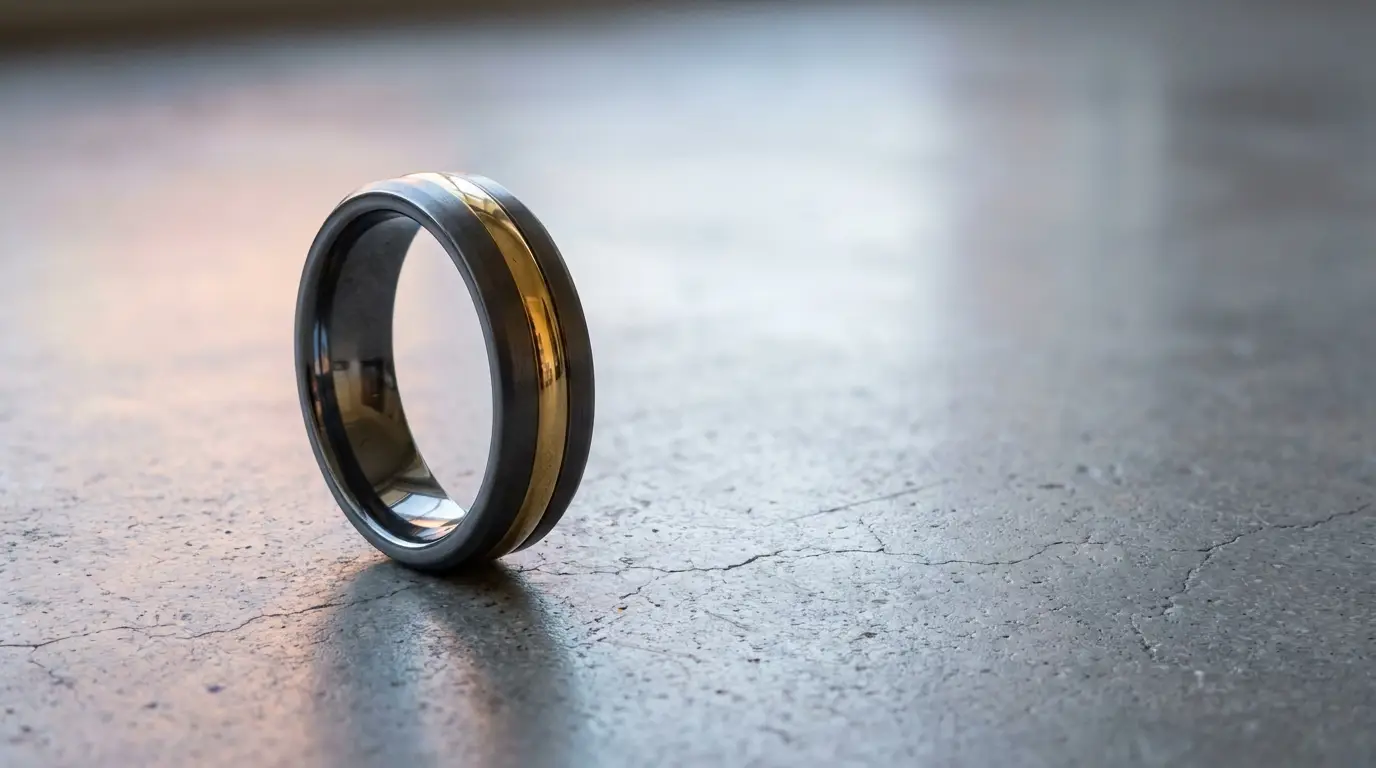
Material pairing adds another reason for the category’s strength. Jewelers often combine gold with titanium, tungsten, or platinum to balance color, weight, and surface durability. That mix lets buyers enjoy a precious accent without relying on one softer metal across the whole band. Daily wear becomes easier to manage when the design accounts for scratches, pressure, and long hours on the hand.
Better Matching
Accessories rarely arrive in one neat, finished family anymore. Eyeglass frames may lean silver, a watchcase may read warm, and a belt buckle may look darker. Mixed metal bands bridge those differences with less visual friction. That flexibility helps buyers avoid replacing other pieces just to create consistency. A ring that connects existing items feels intentional, which gives it a clear practical edge.
More Custom Choice
Customization has pushed this category further into the mainstream. Buyers can often choose the metal, ring width, edge shape, texture, interior detail, and engraved elements. Those choices change the final piece in visible ways, rather than offering minor cosmetic tweaks. A band can feel personal without becoming loud. That balance appeals to shoppers who want originality yet still prefer restraint and clean proportions.
Wider Pricing
Price range plays a large part in this popularity. Some rings use precious metals throughout, while others place a narrow gold inlay inside tungsten or titanium. That construction can preserve contrast while keeping costs under control. Buyers do not have to choose between visual interest and budget discipline. The category works across several spending levels, which naturally broadens its audience and keeps demand active.
Stronger Visibility
Digital shopping has amplified the appeal of these bands. Two-tone rings read quickly in thumbnails because contrast remains visible even at smaller sizes. Texture changes and polished edges also translate well in rotating product views. That strong first impression matters during comparison shopping, where attention moves fast. As more retailers feature mixed finishes across wedding and fashion lines, visibility continues to reinforce buyer interest.
Simple Care
Maintenance is usually straightforward, which supports long-term appeal. Most mixed metal bands need gentle cleaning, safe storage, and sensible wear habits rather than constant professional attention. That routine suits busy schedules and lowers ownership stress. Buyers value pieces that look distinctive without creating extra work. When a ring offers contrast, durability, and manageable care, it earns a stronger place in regular use.
Conclusion
Mixed metal rings remain popular because they meet several needs at once. They bring contrast, symbolism, versatility, and material variety into one compact design. Buyers also benefit from broad price coverage, easier accessory matching, and customization that changes the piece in meaningful ways. Those strengths give the category real staying power. Rather than feeling like a short-term style wave, these bands continue to fit how people shop and dress now.