

Thinning hair changes how you style it, where you part it, and how confident you feel stepping outside. Products and serums help for a while, but they only go so far. The scalp still shows through.
Scalp micropigmentation for women is a non-surgical option that reduces visible scalp contrast and creates the appearance of fuller, denser hair, without hiding who you are underneath it.
It works with your existing hair, not against it. There’s no surgery involved, no daily upkeep required, and the results can last for years with minimal maintenance.
This breakdown covers how SMP actually works, who it suits best, what the process looks like from start to finish, and how to find a qualified, experienced practitioner near you.
What Is Scalp Micropigmentation?
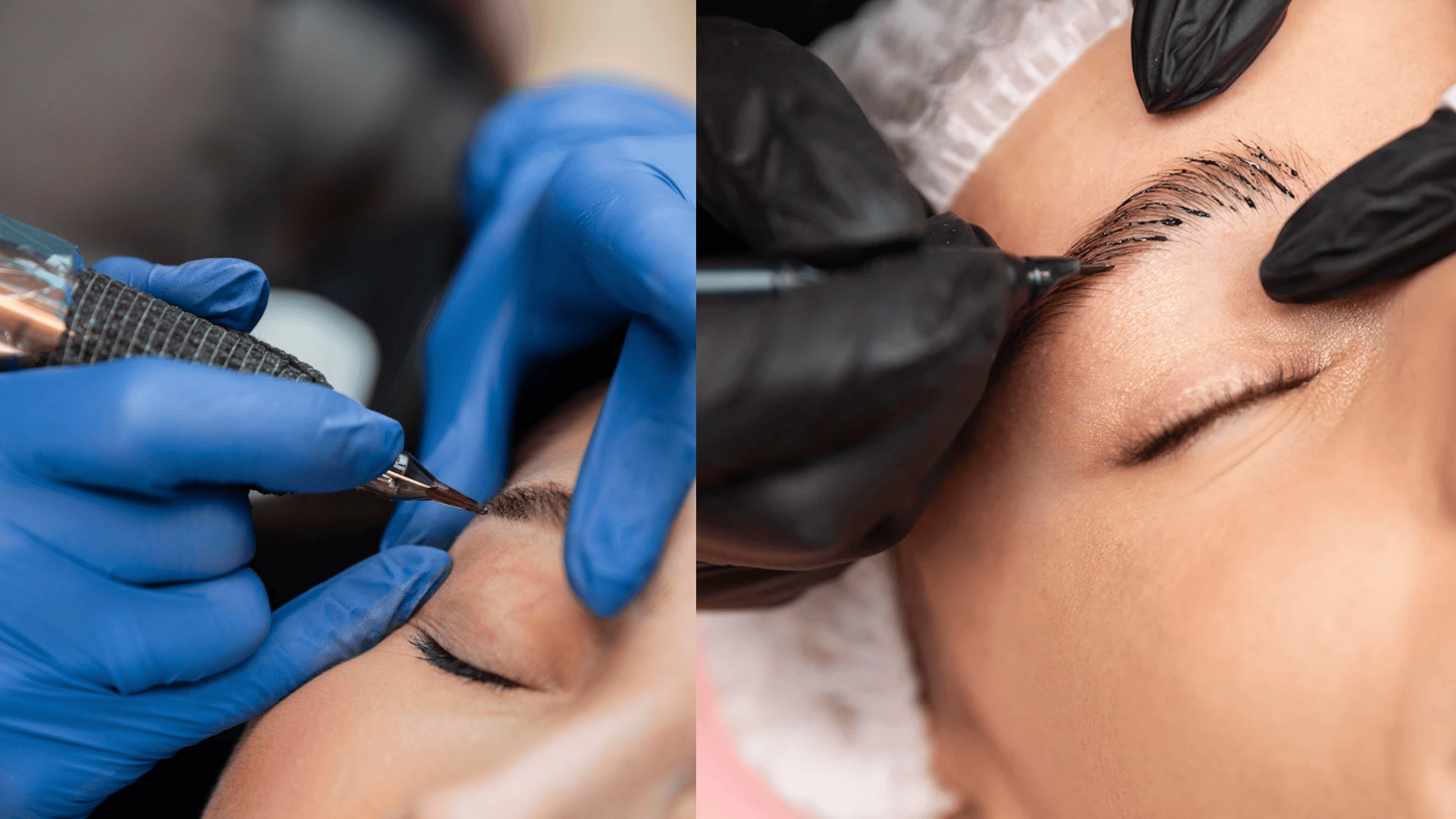
Scalp micropigmentation (SMP) is a non-surgical cosmetic technique that uses tiny pigment deposits to replicate the look of hair follicles on the scalp.
A specialized needle applies pigment just beneath the skin’s surface, creating the illusion of density, a shaved buzz-cut look, or a fuller hairline, depending on the goal.
Unlike a traditional tattoo, SMP uses finer needles, shallower depth, and specially formulated pigments designed to mimic natural hair texture and avoid fading into unnatural tones over time.
How Is Scalp Micropigmentation for Women Different From Men’s SMP?
Scalp micropigmentation for women focuses on building the appearance of overall density rather than creating a defined hairline or shaved-head look.
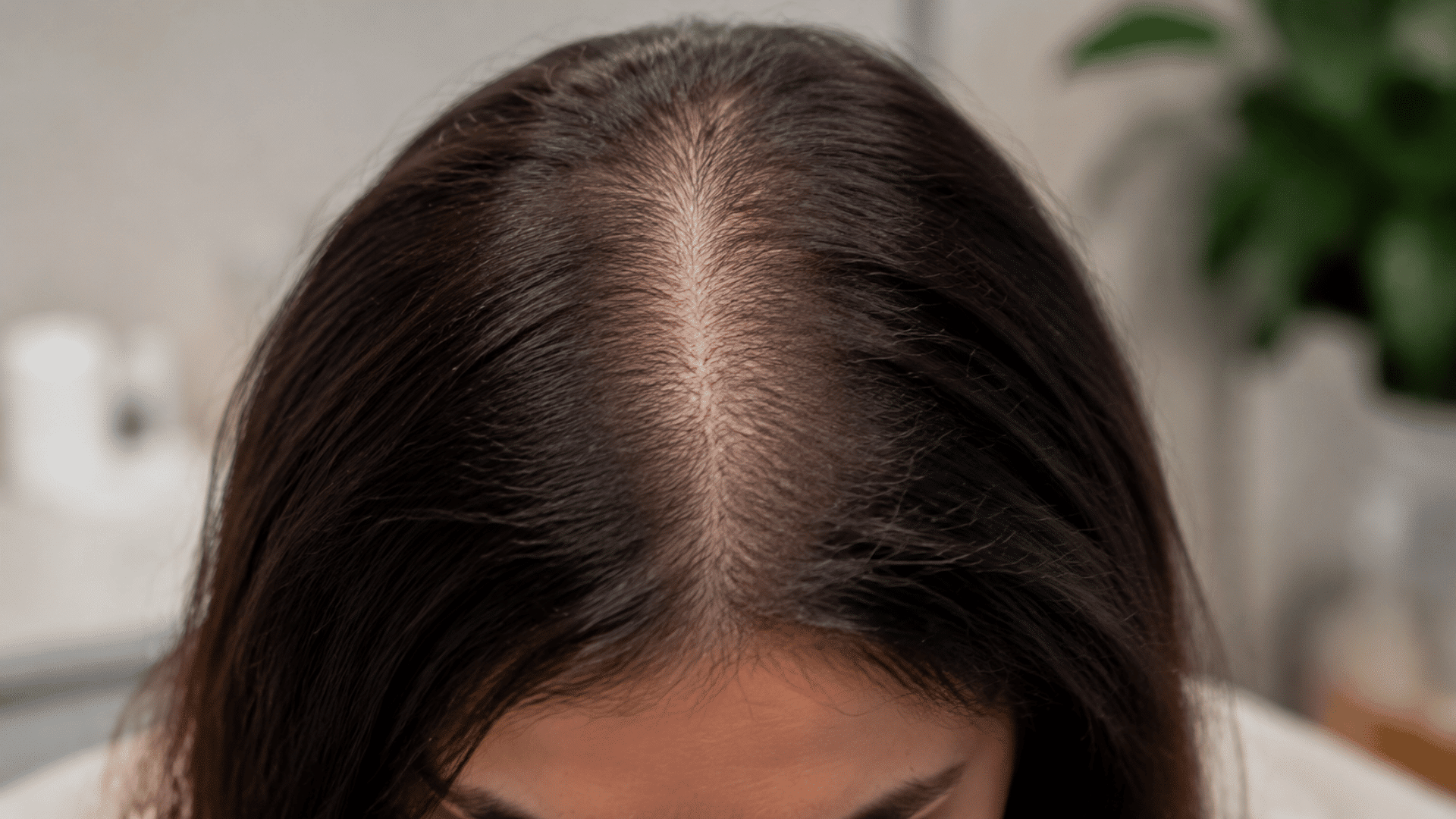
Since female hair loss usually shows up as diffuse thinning rather than a receding hairline, the technique and goals shift accordingly.
Key differences include:
- Coverage area: Women typically need pigment blended across the entire scalp, not just the front hairline
- Density focus: SMP fills in visible thinning between existing strands rather than mimicking a buzz-cut
- Part-line treatment: Special attention goes to widening or thinning part lines, a common concern for women
- Blending with longer hair: Practitioners work around existing hair length rather than assuming a shaved scalp
Who Is a Good Candidate for SMP?
Scalp micropigmentation works best for women who understand it creates the appearance of coverage rather than actual hair regrowth. The right candidate has realistic goals and a scalp condition suited to pigment retention.
Good candidates typically include:
- Healthy scalp, free of active infection or irritation
- Realistic expectations about visual results, not regrowth
- Stable hair loss pattern, not rapidly progressing
- Willingness to commit to multiple sessions and aftercare
- Comfortable with a low-maintenance, semi-permanent solution
Anyone unsure about candidacy should start with a scalp consultation rather than guessing based on general guidelines.
What Conditions Can Scalp Micropigmentation Treat?
Scalp micropigmentation addresses a range of hair loss concerns, from mild thinning to complete scarring, by creating the visual illusion of density where hair no longer grows or has thinned significantly.
| Condition | How SMP Helps |
|---|---|
| Diffuse thinning | Fills visible gaps between existing strands for a fuller look |
| Widening part lines | Adds pigment along the part to reduce scalp visibility |
| Alopecia areata/totalis | Camouflages patchy or complete hair loss with even pigment coverage |
| Female pattern hair loss | Builds density across thinning zones, especially the crown |
| Scalp scars | Blends surgical or trauma scars into surrounding hair pattern |
| Post-transplant scarring | Disguises linear or dot scars left from previous procedures |
Expert Tip: Practitioners often recommend waiting until hair loss has stabilized before starting SMP, since treating an actively progressing pattern can mean needing touch-ups sooner to keep pigment placement looking natural as thinning continues.
How Does the Scalp Micropigmentation Process Work? (Step-by-Step)
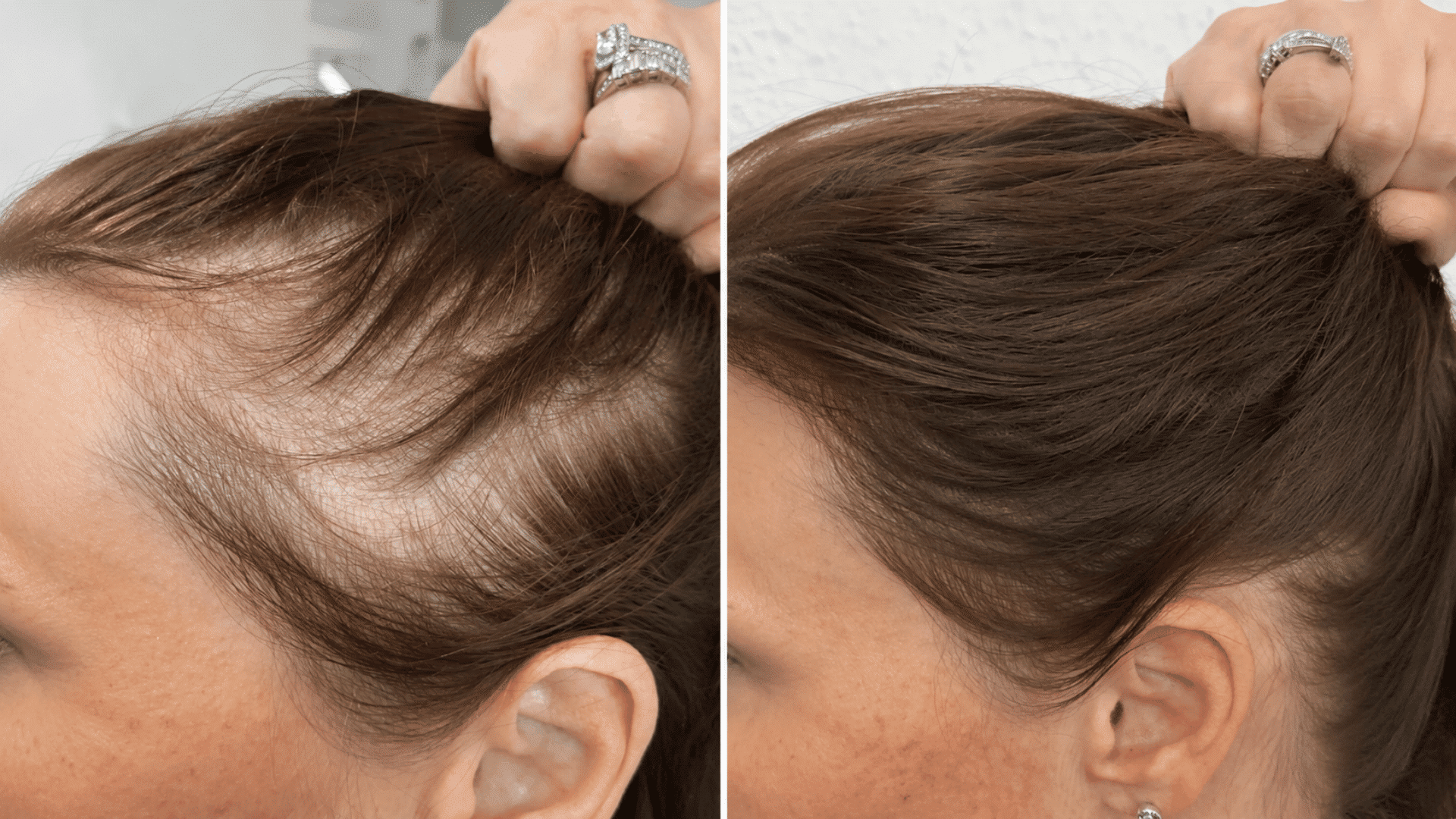
Scalp micropigmentation follows a structured process spread across multiple sessions to build natural-looking density gradually.
Here’s a breakdown of what each stage typically involves:
Step 1: Consultation and Scalp Assessment
The process starts with a detailed consultation where the practitioner examines scalp condition, hair loss pattern, and skin tone.
This step determines the treatment plan, session count, and whether SMP is a suitable option based on individual scalp health and goals.
Step 2: Pigment Color Matching
Pigment is carefully matched to natural hair color, skin undertone, and expected fading over time.
Getting this right upfront prevents mismatched or unnatural-looking results later, especially as pigment settles and softens slightly after healing.
Step 3: First Session (Outline and Density Mapping)
The initial session establishes the treatment pattern, mapping where pigment will be placed to mimic natural follicle distribution.
Practitioners work in small dots, focusing on areas needing the most density without overloading any single section too early.
Step 4: Follow-Up Sessions
Most clients need two to four total sessions, spaced a few weeks apart, to build layered density.
Each session adds depth and refines coverage, allowing the practitioner to adjust based on how pigment settled after the previous visit.
Step 5: Healing Between Sessions
Scalp needs time to heal between appointments, typically 10-14 days, before additional pigment is applied.
Rushing this stage can affect how evenly pigment settles, so practitioners usually schedule sessions accordingly.
Step 6: Final Touch-Up and Aftercare
A final touch-up session refines any uneven areas and confirms the finished look meets expectations.
Aftercare guidance at this stage covers long-term maintenance, sun protection, and when future touch-ups may be needed.
How Long Does Scalp Micropigmentation Last?
Scalp micropigmentation typically lasts three to six years before noticeable fading occurs, making it a semi-permanent solution rather than a permanent one.
Pigment breaks down gradually due to sun exposure, skin type, and natural cell turnover, though it never disappears completely without treatment.
Fair or sensitive skin tends to fade faster than darker skin tones. Touch-up sessions every few years help maintain sharp, natural-looking density as pigment softens over time.
Scalp Micropigmentation for Women Cost
Scalp micropigmentation for women typically costs between $1,500 and $5,000, depending on the extent of thinning, scalp area treated, and practitioner experience.
Most sessions run $400 to $1,000 each, with the average total requiring two to four sessions spaced several weeks apart.
Diffuse thinning across a larger area tends to cost more than treating a single part line or small patch. Experienced, specialized practitioners often charge higher rates, but their expertise usually delivers more natural, longer-lasting results.
Aftercare Tips Following Scalp Micropigmentation
Proper aftercare directly affects how well pigment settles and how long results stay sharp and natural-looking.
✅ Keep the scalp completely dry for the first 4-5 days
✅ Apply recommended aftercare ointment as directed
✅ Wear a loose hat when heading outdoors, avoiding direct sun
✅ Use SPF on the scalp long-term once healed
❌ Avoid sweating, swimming, or saunas during initial healing
❌ Skip harsh shampoos, exfoliants, or scrubbing for at least 2 weeks
❌ Don’t pick or scratch the treated area
❌ Avoid coloring or chemically treating hair right after sessions
Risks and Side Effects to Know Before Booking
Scalp micropigmentation is minimally invasive, but understanding potential risks helps set realistic expectations before committing to treatment.
- Temporary redness and tenderness: Common immediately after each session, usually subsiding within a few hours to a couple of days
- Pigment fading or color shift: Can occur over time, especially with sun exposure, sometimes causing pigment to take on a slightly different tone
- Inconsistent results from inexperienced practitioners: Poor technique can lead to unnatural dot patterns, uneven density, or visible blotching
- Allergic reactions: Rare, but possible with certain pigment formulations; patch testing beforehand can help rule this out
- Infection risk: Low when performed in a sterile setting, but improper aftercare or an unlicensed provider increases this risk
- Difficulty with future removal: While fading is possible, complete pigment removal can be challenging and may require laser treatment
Conclusion
Scalp micropigmentation for women works by mimicking natural follicle density, tackling everything from diffuse thinning and widening parts to alopecia and post-transplant scarring.
The process unfolds over two to four sessions, with healing time built in between, and results typically cost between $1,500 and $5,000 depending on scope.
Done right, results last three to six years with proper aftercare and sun protection. It isn’t a fit for every scalp, but for the right candidate, it delivers real, lasting confidence.
Tried SMP or still weighing it? Share your thoughts below.
Frequently Asked Questions
Can Smp Be Combined with Other Hair Loss Treatments?
Yes. Smp Is Purely Cosmetic and Does Not Interfere with Active Treatments Like Minoxidil or PRP therapy, but Always Inform Your Practitioner About Any Ongoing Treatments Before Your First Session.
Does Smp Work on All Skin Tones?
Yes. Carbon-based grayscale pigment mimics Follicle Shadows Rather than Matching Hair Color, Making It Effective Across All Skin Tones without the Risk of Color Mismatch.
Is Smp Painful for Women?
Discomfort Is Generally Mild, and Most Women Describe It as A Light Scratching Sensation. Many Practitioners Apply a Topical Numbing Cream beforehand to minimize discomfort throughout the session.