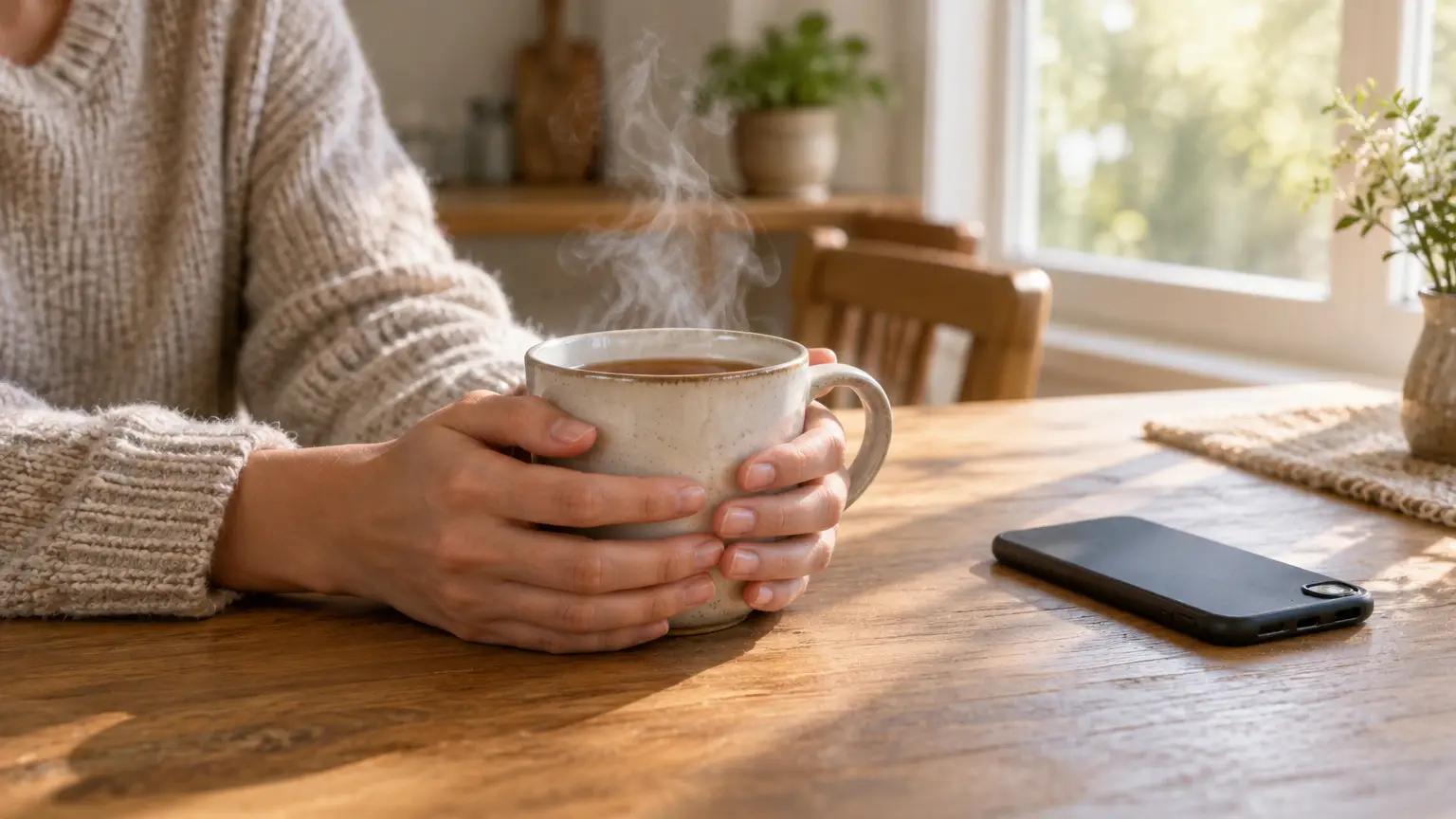
A spare minute at the bus stop usually means checking your phone, while an evening at home can involve watching television with one eye on another screen. Even making a cup of tea becomes something to squeeze in while you answer a message or put the washing away.
Spending a little more time with whatever you’re doing can make familiar parts of the day feel less disposable.
Why Busy Isn’t Always Better
A full diary can feel satisfying, but being occupied all day doesn’t necessarily mean you’re using your time well. Moving straight from one thing to another can leave little opportunity to finish a thought before your attention goes elsewhere.
Look at the parts of your day where you tend to combine activities and choose one that doesn’t need to be multitasked. You might eat lunch away from your laptop, for example. Instead of replying to messages between mouthfuls, you get a proper break and return to your screen once you’ve finished eating.
The same idea works outside work. If you’re watching a film, putting your phone out of reach means you’re less likely to miss half the plot because you started checking notifications.
Finding More Enjoyment in Everyday Routines
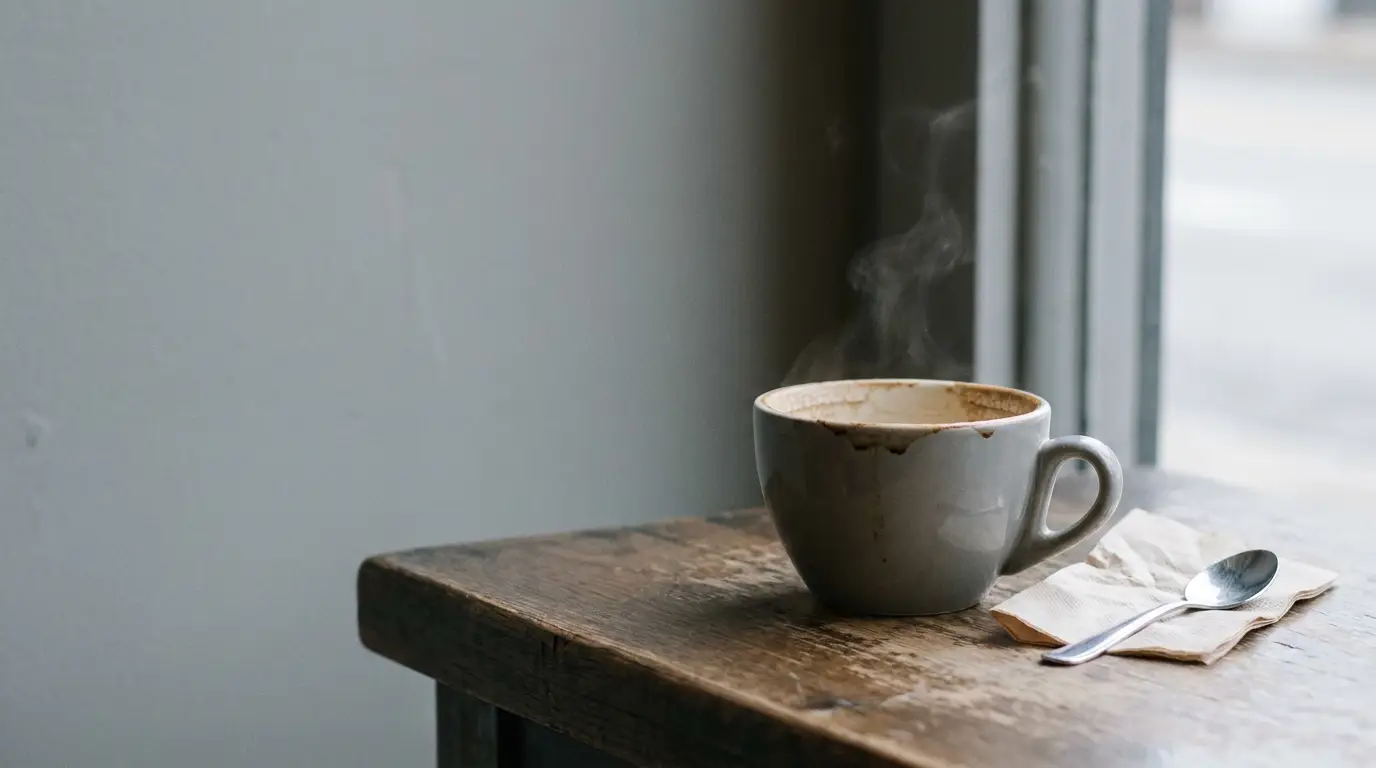
Much of your week consists of things you do again and again. Making breakfast, walking the dog and travelling to work might not sound particularly memorable, but they account for a fair amount of your time. In fact, the NHS suggests that paying more attention to the present moment can improve your mental wellbeing and help you notice everyday experiences more readily.
Perhaps picking up a coffee is already part of your morning. Rather than treating it as another stop to get through, take a little more time over choosing your coffee drinks or sit in the café for a few minutes instead of immediately heading off. When you’re used to drinking coffee on the move, simply staying put until you’ve finished can make an everyday habit feel more like a proper break.
You can take the same approach elsewhere. If you usually listen to something every time you go for a walk, leave your headphones at home occasionally. Without a podcast competing for your attention, you may notice a new shop on a familiar street or simply give yourself time to think.
You can start with the things you already do and stop automatically pairing them with something else. Over time, you may find that ordinary parts of the day feel less like periods to get through and more like time you’ve actually spent.