
A house can be fully furnished and still feel unfinished. The walls may be painted, the furniture may be arranged, and every box may have been unpacked. Even then, something can feel missing. That feeling is often difficult to explain because it has little to do with square footage or design choices. In a city like Dallas, where people frequently relocate for new opportunities, this experience is familiar to many households.
The transformation from house to home is rarely completed in a single weekend. It happens through routines, memories, and small moments that gradually create a sense of belonging. While practical tasks receive much of the attention during a move, the emotional side of settling into a space is often overlooked. A home becomes meaningful not because it is owned, but because life begins to unfold within it.
Moving In Is the Easy Part, Settling In Takes Time
The physical process of relocating can be planned with timelines and checklists. The emotional adjustment is far less predictable. Boxes can be unpacked quickly, but comfort often develops at its own pace.
During a relocation, many homeowners feel overwhelmed by the number of tasks that must be coordinated. To reduce some of that pressure, homeowners should work with a reliable moving company in Dallas when transporting their belongings to a new residence. While logistical support can simplify the transition, emotional connections to a familiar space cannot be packed into boxes. Those connections are usually rebuilt gradually through daily experiences and new routines.
A new home often feels unfamiliar at first, even when it meets every practical need. Rooms may seem quieter than expected. Daily routines may feel slightly disrupted. Familiar landmarks are replaced with new surroundings, and a sense of comfort may take time to develop.
For example, a family may move into a beautiful home and still find themselves missing simple aspects of their previous neighborhood. In another situation, someone may feel disconnected from a new space until favorite books, photographs, and personal items are arranged throughout the house.
Have you ever noticed how certain places begin to feel more welcoming only after everyday memories start taking shape there? That gradual process is often what transforms a house into something more meaningful.
The Small Moments Matter More Than the Big Ones
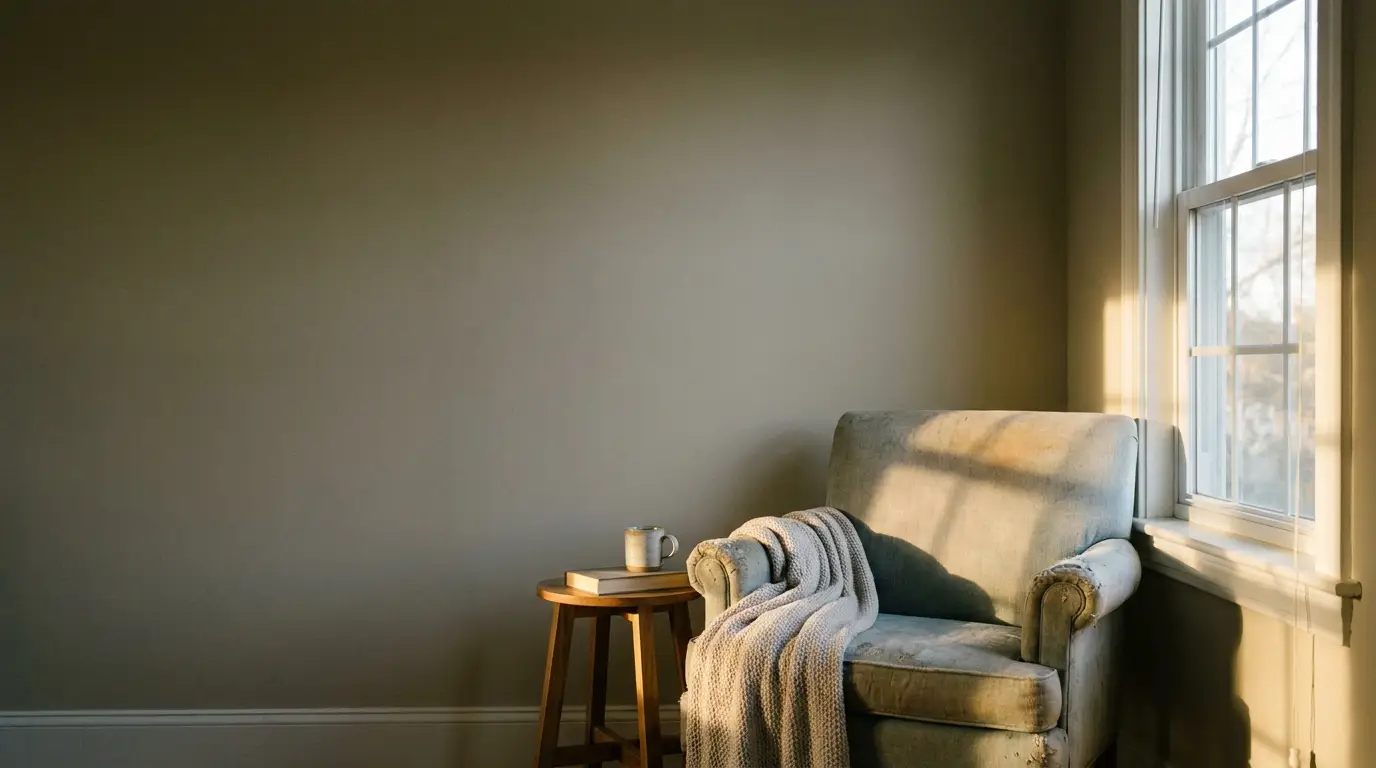
Many people assume a home is defined by major milestones. In reality, emotional connections are often created through ordinary experiences that happen repeatedly.
A favorite chair by a window may become associated with quiet mornings. A dining table may become the setting for family conversations. A hallway may eventually feel familiar because it becomes part of a daily routine. These moments may seem insignificant individually, but together they create a powerful sense of belonging.
Emotional attachment often develops through repetition. Spaces become comfortable because they are lived in, not because they are perfect. This process cannot be rushed, and it rarely follows a predictable schedule.
The strongest emotional connections to a home are often rooted in experiences rather than physical features. A house may contain attractive finishes and modern amenities, but memories are what give it personal meaning.
What Helps a House Feel Like Home?
While every household is different, several factors commonly contribute to a stronger emotional connection with a living space:
- Personal belongings are displayed in meaningful ways.
- Daily routines become established and familiar.
- Comfortable gathering spaces are created.
- Positive memories begin to accumulate.
- The environment reflects individual preferences and values.
- A sense of ownership and belonging is developed.
These elements may appear simple, but their influence can be significant. A home often feels more welcoming when it reflects the personalities of the people living there. Familiar objects provide comfort, while routines create stability during periods of change.
For example, a family photo displayed in a common area may serve as a daily reminder of shared experiences. Similarly, a favorite reading corner can become associated with relaxation and personal time. Emotional comfort is often strengthened through these seemingly small details.
Comfort Grows When Life Finds Its Rhythm
One reason emotional adjustment takes time is because homes are closely connected to daily habits. Familiar routines provide structure, and that structure helps create a sense of security.
As routines become established, a house begins to feel less like a temporary location and more like a permanent part of daily life. Morning habits become predictable. Evening activities feel familiar. Spaces begin serving meaningful purposes rather than simply existing.
Creating a safe home environment can play an important role in this process. Physical comfort contributes to emotional well-being, especially when people feel secure, relaxed, and supported within their surroundings. A home that encourages connection and comfort often becomes easier to enjoy.
Would a space feel truly welcoming if it never supported the routines that matter most? Emotional attachment is often strengthened when homes work in harmony with everyday life. The more naturally a space supports daily activities, the more connected people tend to feel to it.
Patience is often required because emotional comfort develops gradually. It is built through experiences that accumulate day after day, creating familiarity that cannot be manufactured instantly.
Home Is Ultimately About Connection
A house provides shelter, but a home provides something deeper. It becomes a place where memories are created, routines are established, and personal experiences are woven into everyday life. While furniture, paint colors, and decorations contribute to the atmosphere, they are rarely the defining factors.
The emotional side of turning a house into a home is often shaped through patience and lived experience. Connections are formed through shared meals, quiet evenings, celebrations, and ordinary moments that become meaningful with time. These experiences gradually transform unfamiliar spaces into places that feel personal and comforting.
What truly makes a home special? For many people, the answer is not found in the structure itself. It is found in the sense of belonging that develops when a space becomes connected to the people who live there. That connection cannot be purchased or installed. It is created through everyday life, one memory at a time.